



8 Oz Plastic Cups With Lids - China Manufacturer
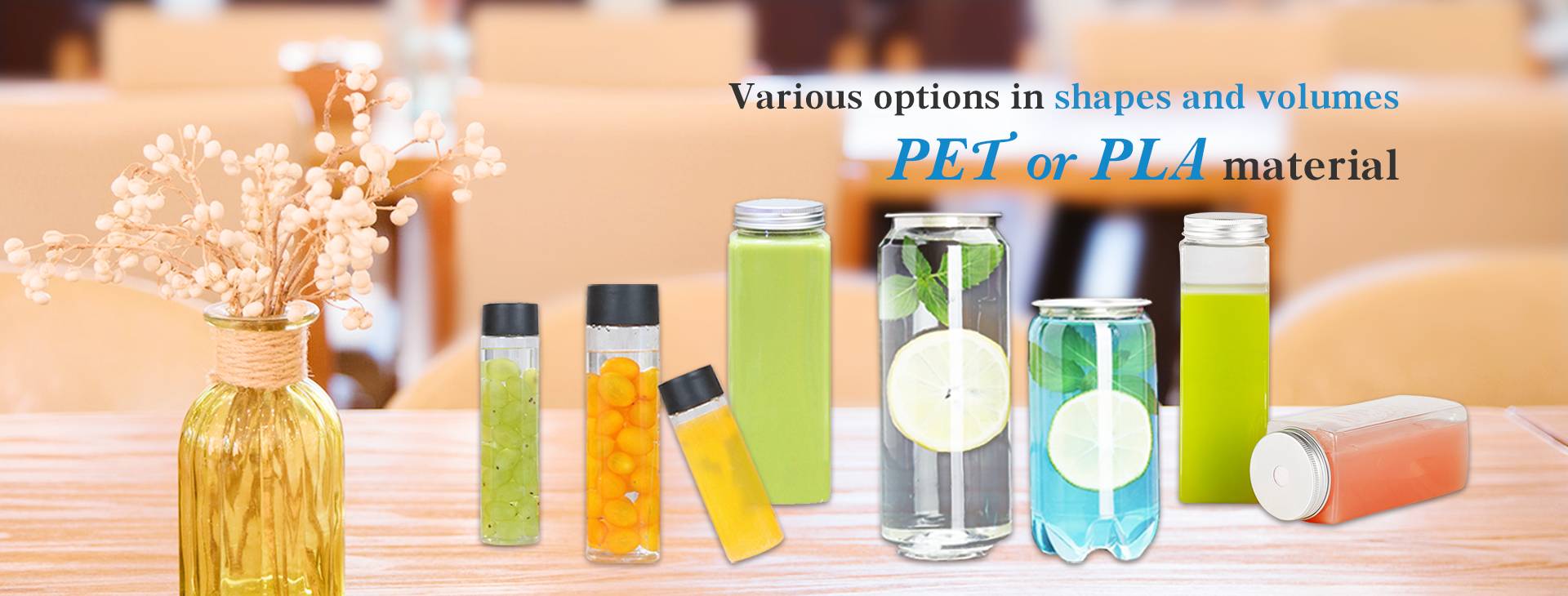
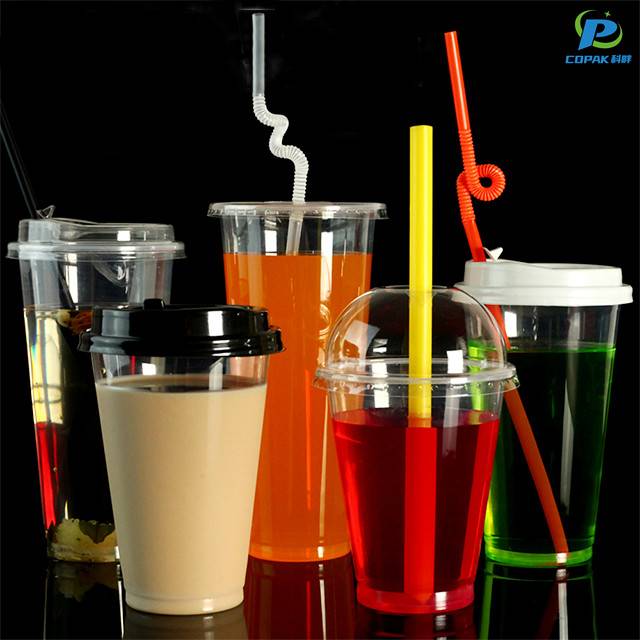
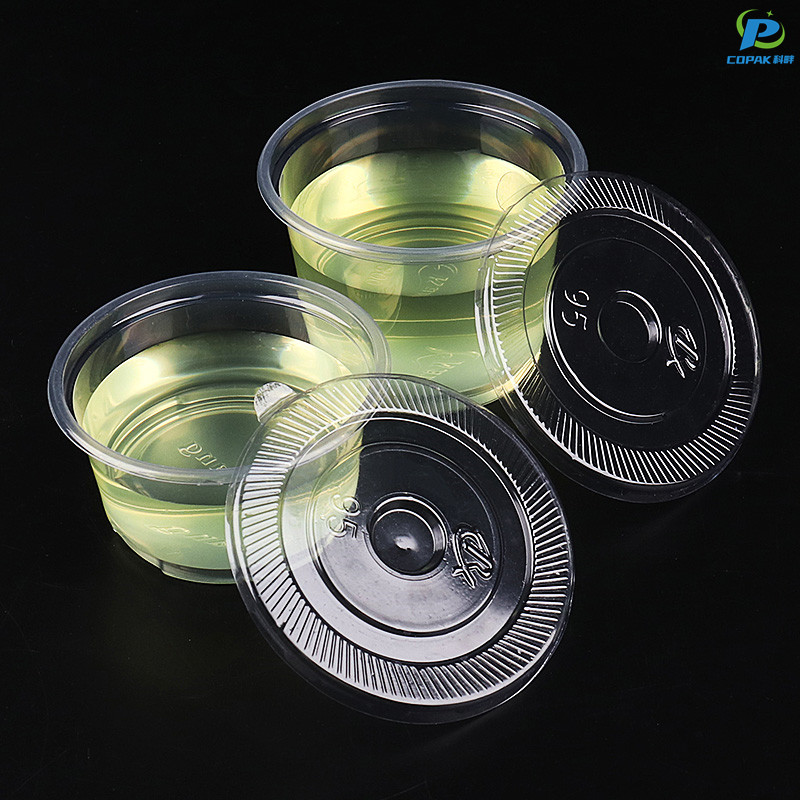
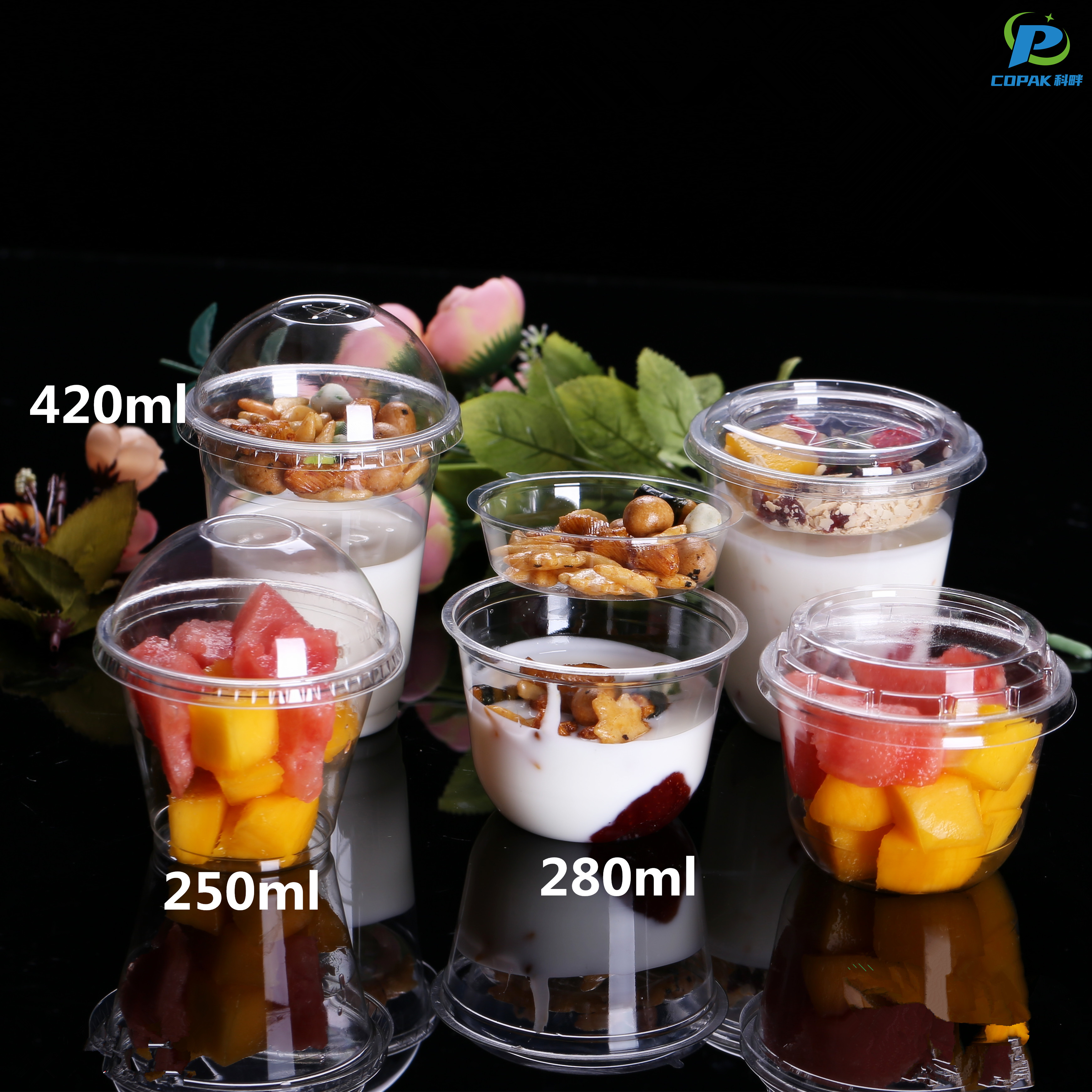
We are a China-based manufacturer supplying 8 Oz Plastic Cups With Lids designed for grab-and-go service. I know B2B buyers look for reliability, so our cups come with sealed lids and crack-resistant material, perfect for beverages, desserts, and cold storage. The cups are BPA-free, food-grade, stackable, and leak-resistant. I can ship in bulk, with customization options, printable sleeves, and packaging. You get consistent wall thickness, crystal clarity, and a secure lid fit that minimizes spills. Inquiries from China or overseas welcome; we offer competitive pricing, sample availability, and scalable production to meet seasonal demand. If you’re seeking a dependable partner and a transparent supply chain, I’m ready to discuss your needs and provide a tailored quote. Our team handles QC at multiple stages, lowering risk in your distribution network.



8 Oz Plastic Cups With Lids in 2025 Ahead of the Curve
As global demand shifts in 2025, 8 oz plastic cups with lids are evolving from single-use staples into smart, supply-chain-friendly solutions: lightweight rPET and recyclable PP constructions, compostable PLA options, anti-fog clarity, tight-seal and tamper-evident lid designs, and compatibility with automated filling and sealing lines. Buyers increasingly prioritize verified food-safety compliance (FDA, EU/LFGB), recyclable content, stackable pallets for freight efficiency, and full customization—color, printing, and lid type—so SKUs fit retail, foodservice, and e-commerce needs. A Shanghai‑based manufacturer combines robust production capacity with ISO-quality systems, flexible MOQ and rapid prototyping to help global purchasers move quickly from sample to scale. With pre-production QC, traceable material sourcing, competitive pricing and coordinated logistics for JIT deliveries, procurement teams can secure reliable, sustainable 8 oz cup-and-lid solutions that keep costs, compliance and customer experience ahead of the curve.
| Variant / Material | Capacity | Common Lid Types | Typical Weight | Thickness | Temperature Range | Microwave Safe | Recyclability / Compostability | Certifications & Typical Uses |
|---|---|---|---|---|---|---|---|---|
| Clear Polypropylene (PP) | 8 oz / 237 ml | Flat snap-fit lids, vented lids | ~6–8 g | ~0.45–0.70 mm | -20°C to 120°C | Yes (without sealed lids) | Recyclable: Code #5 (widely accepted in many regions); not compostable | FDA/EU food-contact compliant; common for cold/hot beverages, samples, portion servings |
| Clear PET (Polyethylene Terephthalate) | 8 oz / 237 ml | Flat or domed snap-fit lids (clear) | ~5–7 g | ~0.35–0.60 mm | -40°C to 70°C | No (not recommended for hot liquids) | Recyclable: Code #1 (widely recycled where streams exist); not compostable | FDA/EU food-contact compliant; popular for cold drinks, clear display of contents |
| PLA (Compostable Polylactic Acid) | 8 oz / 237 ml | Flat compostable lids (PLA) | ~6–9 g | ~0.50–0.80 mm | 0°C to ~45–60°C (softens at elevated temps) | Limited (not for hot liquids) | Compostable in industrial facilities (certified by BPI/OK compost industrial when applicable); not widely recyclable | BPI/EN standard compliant options; used for cold beverages and single-use compostable programs |
| R-PET (Post-consumer Recycled PET) | 8 oz / 237 ml | Clear snap-fit lids (sometimes mixed-material) | ~6–8 g | ~0.40–0.65 mm | -20°C to 70°C | No (avoid high temps) | Recyclable: Code #1 (recyclable); improves circularity when collected correctly | FDA/EU contact-approved recycled content options; used in sustainability-focused packaging |
| Double-wall Insulated PP | 8 oz / 237 ml | Snap-fit insulated lids, vented options | ~9–12 g | Inner/outer walls (~0.40–0.70 mm each) | -20°C to 100–110°C | Yes (designed for warmer liquids) | Recyclable: Code #5 in many areas; not compostable | FDA/EU food-contact compliant; suitable for hot beverages, takeaway cups where insulation matters |
| Soft LDPE Rimmed Cup (flexible rim) | 8 oz / 237 ml | Flexible snap rims, peel lids for portion cups | ~6–9 g | ~0.40–0.80 mm (rim thicker) | -40°C to 80°C | Partial (short bursts) | Recyclable in some streams (LDPE film recycling); not compostable | Used for sauces, condiments, catering portioning, sample service |
| Opaque PP (colored) | 8 oz / 237 ml | Snap-fit lids (often matching color) | ~7–9 g | ~0.45–0.80 mm | -20°C to 120°C | Yes | Recyclable: Code #5 (color may impact recycling stream); not compostable | Common for branding-neutral serviceware, venues, events where opaque look preferred |
| Notes / Typical Features | Measurement markings commonly printed in 2 oz (60 ml) increments; most snap-fit lids provide spill resistance and optional venting; clear variants prioritized where product visibility matters; choice between PET/PP/PLA driven by temperature use, end-of-life goals, and local recycling infrastructure. | |||||||
Related Products



8 Oz Plastic Cups With Lids Ahead of the Curve Where Service Meets Innovation
Top Selling Products





- Related Blog
- Reviews
- Reviews
