



Disposable PET Ice Cream Cups - China Manufacturer
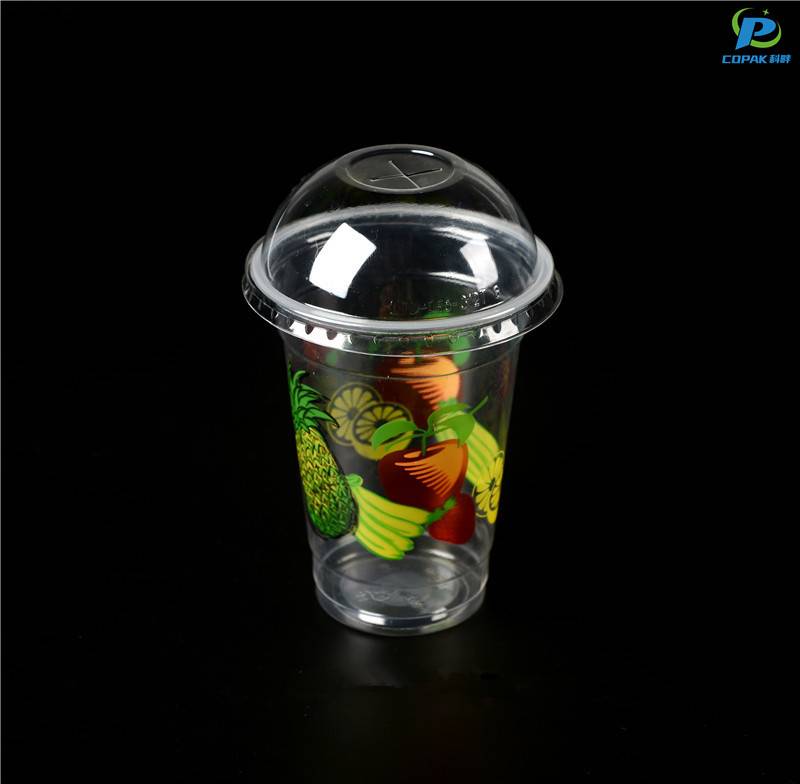
As a China-based manufacturer, I deliver reliable Disposable PET Ice Cream Cups for foodservice operators and distributors. Made from food-grade PET, BPA-free and fully recyclable, these cups offer crystal clarity, sturdy leak resistance, and sweat-free sides for great dessert presentation. They fit standard lids and spoons, stack compactly for easy storage, and survive freezer temps without cracking. Whether you run a cafe, hotel, or wholesale distribution, these cups meet your needs for ice cream, frozen yogurt, and sorbet servings. We offer flexible MOQs, fast lead times, and OEM/ODM options for custom printing or branding. With dependable supply from a seasoned manufacturer in China, you can scale your packaging while controlling costs. I’m committed to quality, on-time shipping, and responsive service to B2B buyers seeking a trustworthy partner.


Disposable PET Ice Cream Cups Is The Best Service Backed by Expertise
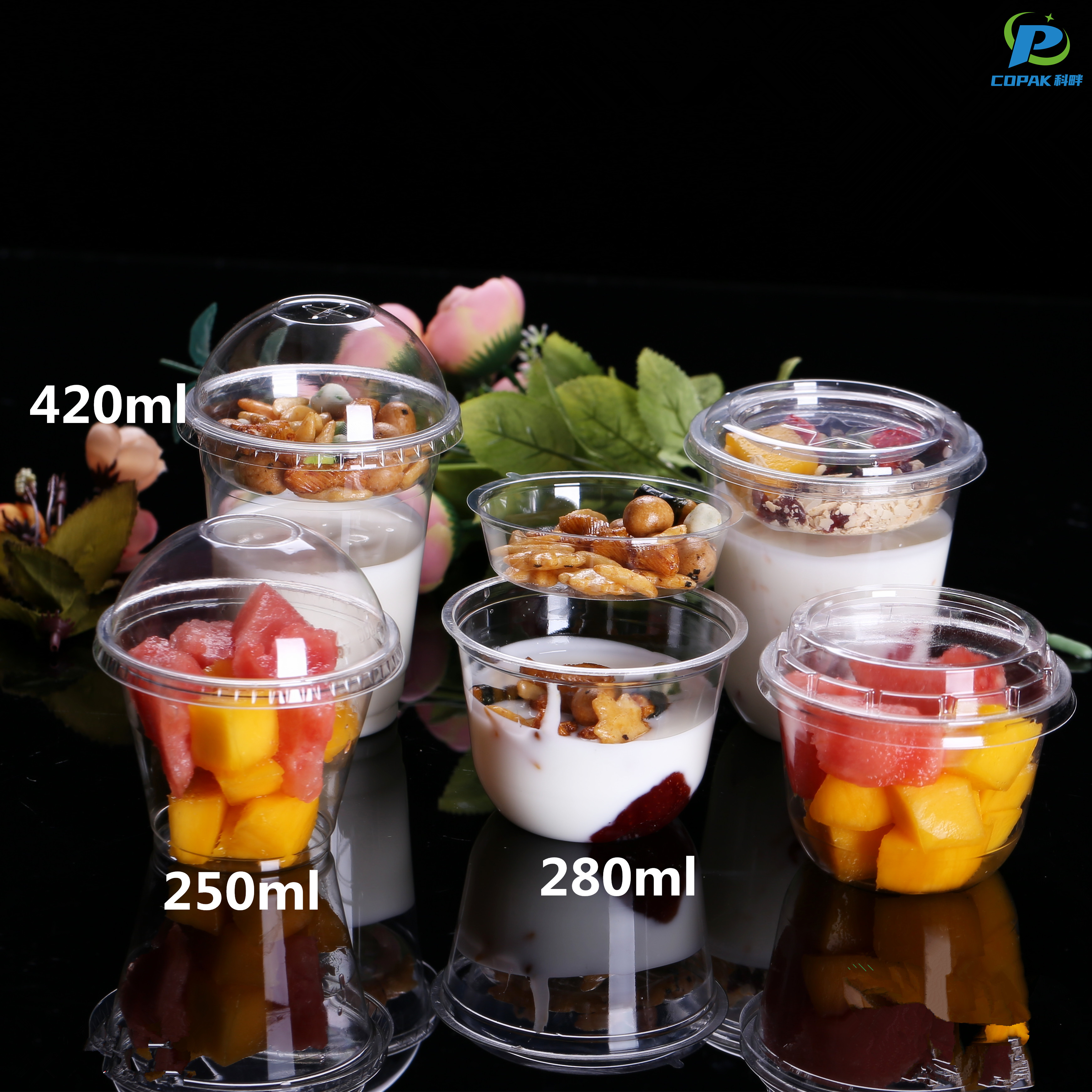
Disposable PET ice cream cups have become the preferred packaging solution for global buyers in the food service industry. Made from high-quality PET material, these cups are crystal-clear, sturdy, and safe, offering an excellent display for colorful ice creams and desserts. Their leak-proof design keeps contents secure, ensuring a premium customer experience with minimal mess. For businesses seeking to elevate their dessert presentation and hygiene standards, PET cups stand out as a smart, functional choice. What truly sets disposable PET ice cream cups apart is the expert service that supports every order. Professionals with years of industry know-how provide guidance on cup selection, size customization, and efficient logistics solutions to ensure that even large-scale orders are delivered promptly and accurately. This expertise reduces waste, maximizes value, and builds long-term, reliable partnerships with global buyers. Ultimately, choosing disposable PET ice cream cups backed by skilled support means streamlined purchase processes, products tailored to your local market, and peace of mind. When sourcing eco-friendly, convenient, and attractive food packaging, these cups—combined with dedicated service—are a winning solution for any ice cream or dessert business worldwide.
| Attribute | Value | Typical Range / Units | Notes |
|---|---|---|---|
| Material | Polyethylene terephthalate (PET) | — | Food-grade, transparent polymer commonly used for single‑use clear cups. |
| Polymer Variant | APET (amorphous PET) or PETG in some applications | — | APET offers optical clarity and thermoforming suitability for cups. |
| Typical Capacities | Common portion sizes | ~80 ml, 120 ml, 180 ml, 240 ml, 360 ml | Widely used sizes for single-serve frozen desserts and samples. |
| Top Diameter (typical) | Measured at cup rim | ~60 mm – 95 mm | Varies by capacity and style (rounded, straight, tapered). |
| Height (typical) | Cup depth | ~28 mm – 85 mm | Corresponds to capacity and rim diameter. |
| Wall Thickness | Typical thermoformed gauge | ~0.18 mm – 0.45 mm | Thicker walls increase rigidity and perceived quality. |
| Weight per Piece | Approximate mass | ~3 g – 12 g (depending on size) | Smaller cups toward lower end; larger premium cups toward upper end. |
| Density | Bulk polymer density | ~1.38 g/cm³ | Typical physical property for PET resin used in packaging. |
| Temperature Tolerance | Safe handling range | ~-20°C to +60°C (short‑term) | Not recommended for prolonged exposure to hot liquids (>60–70°C). |
| Microwave Safety | Usage guidance | Not microwave-safe (generally) | Risk of deformation and potential substance migration when heated in microwave. |
| Freezer Suitability | Cold storage | Safe to ~-20°C (short-term) | Good dimensional stability for frozen desserts; condensation when thawing. |
| Recyclability | Resin identification | PET / Recycling code 1 | Widely recyclable where PET collection and sorting systems exist; check local guidelines. |
| Food-Safety Compliance | Regulatory conformity | Meets common food-contact standards | Designed to comply with typical food-contact regulations (e.g., regionally applicable food-contact requirements). |
| Sterilization / Cleaning | Recommended methods | UV, cold chemical (e.g., approved food-grade disinfectants) | Avoid high-temperature autoclave or steam sterilization that can deform PET. |
| Surface Finish & Printing | Appearance options | Clear, frosted, tinted; water‑based printing | Surface treatments (e.g., corona) can improve ink adhesion for printing. |
| Typical Use Cases | Primary applications | Ice cream, frozen desserts, samples, tasting cups | Also used for layered desserts and take-away frozen portions. |
| Shelf Life (packaged) | Unopened storage | ~2–5 years (if stored properly) | Shelf life depends on storage conditions and exposure to UV/heat. |
| Recommended Storage | Environmental conditions | 10°C – 25°C, low humidity, avoid direct sunlight | Protect from prolonged UV exposure to minimize yellowing or property change. |
| Environmental Notes | Life-cycle considerations | Recyclable, not biodegradable | Recycling of PET reduces overall environmental impact; avoid littering and follow local recycling streams. |
Related Products


Disposable PET Ice Cream Cups Dominates Guarantees Peak Performance
Top Selling Products



- Related Blog
- Reviews
- Reviews
