



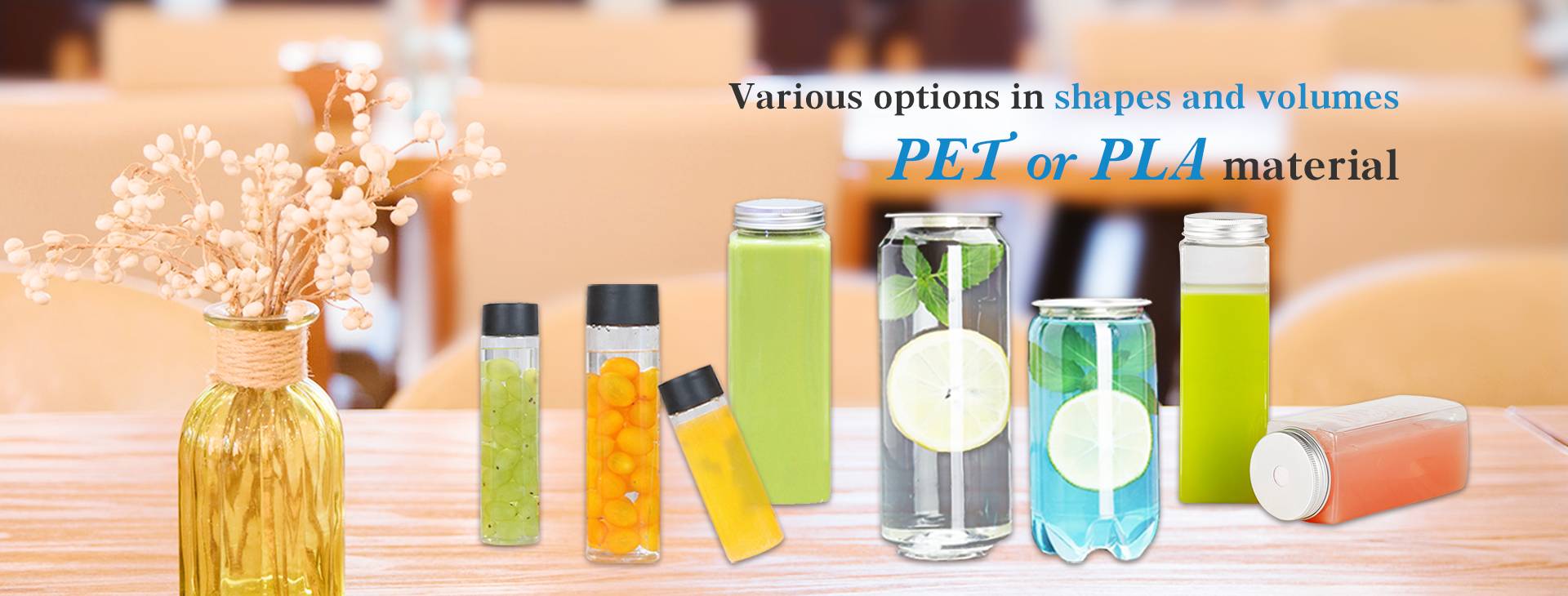
Empty Plastic Bottles 250ml - China Manufacturer
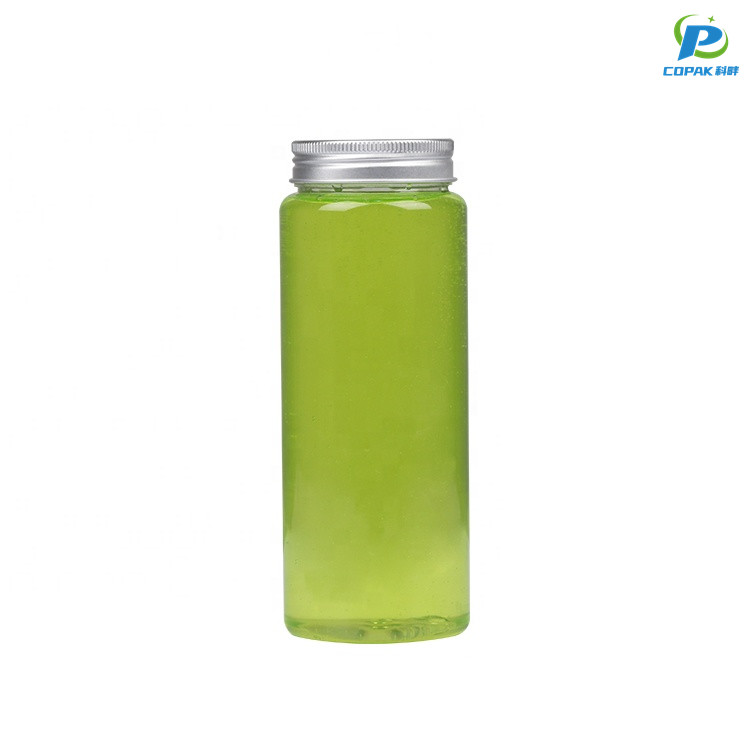
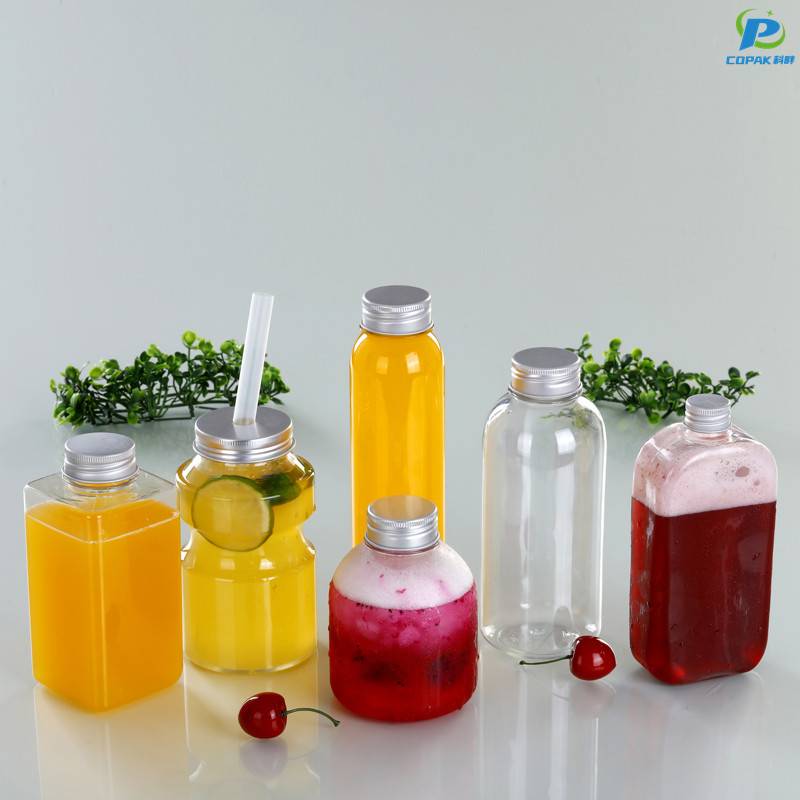
From a China-based Manufacturer, I share reliable packaging options you can count on. I stock {Empty Plastic Bottles 250ml} made to meet strict quality standards for cosmetics, essential oils, or personal care products. You’ll appreciate the lightweight PET design, consistent wall thickness, and easy-to-use flip-top cap options. I can supply in bulk, with precise labeling and custom print services if needed. With competitive pricing, stable lead times, and ISO-quality controls, these bottles suit distributors and manufacturers looking to scale. I ship worldwide from our China facilities, ensuring traceable batches and flexible MOQ. If you need tamper-evident seals or different neck finishes, I can tailor the solution to your line. I’ve helped many buyers optimize shelf appeal and minimize returns, and I’m ready to assist your team with clear specifications and fast quotes. Let me know your SKU, quantity, and timeline, and I’ll get you a pro-forma promptly.

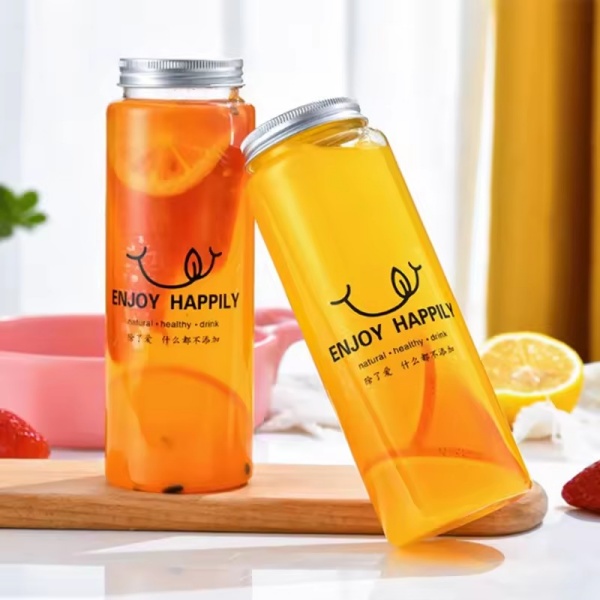
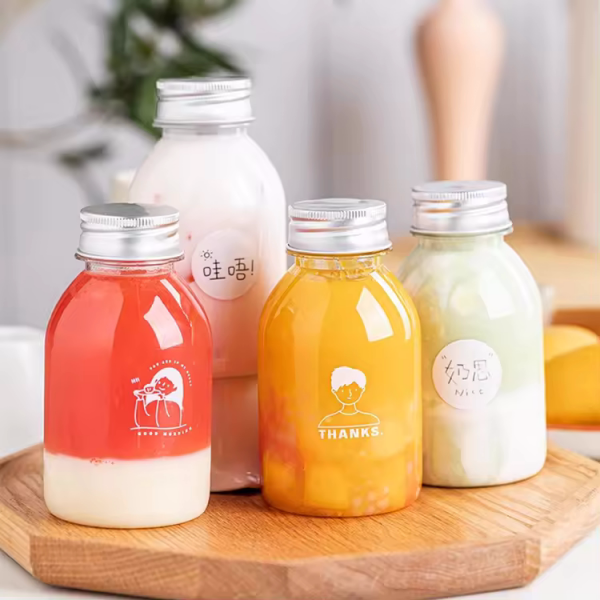


Empty Plastic Bottles 250ml Service Where Innovation Meets 2025
As global demand shifts toward smarter, greener packaging, a 250ml empty plastic bottle service is becoming the perfect bridge between innovation and the expectations of 2025. Our offering blends lightweight PET and PCR options, advanced barrier and tamper-evident designs, and neck finishes compatible with modern filling lines. Custom color, labeling-ready surfaces, and options like recyclable or bio-based resins meet both brand aesthetics and regulatory requirements (FDA/EU-ready designs and strict quality control). For international buyers, value means reliability and flexibility: low-to-high MOQs, rapid prototyping and sampling, in-house QC with traceability, optimized logistics, and cost-efficient manufacturing. Whether launching a new personal care line, beverage range, or travel-size product, this service supports co-development, sustainable sourcing strategies, and scalable supply to help you hit market windows and sustainability targets in 2025.
| Parameter | Typical Value | Unit / Notes |
|---|---|---|
| Product type | 250 ml clear PET bottle (standard beverage/profile) | Polyethylene Terephthalate |
| Nominal capacity | 250 | ml (±3% filling tolerance) |
| Base material | PET (Polyethylene terephthalate) | Food-contact grades available |
| Recycling code | 1 (PET) | Accepted in most curbside programs |
| Typical bottle weight | 9 (range 7–12) | g (average: 9 g for light-weight designs) |
| Average wall thickness | 0.25–0.35 | mm (varies by geometry and base design) |
| Overall height | 140 (range 130–150) | mm (dependent on shoulder profile) |
| Maximum diameter (body) | 48 (typical) | mm |
| Neck finish / thread | 28 mm screw finish (common) | Standard for many beverage closures |
| Cap types compatible | Screw cap (28 mm), sport cap adaptors, tamper-evident closures | Closure choice affects sealing and pour characteristics |
| Manufacturing process | Injection stretch blow molding (ISBM) | Common for consistent walls and clarity |
| Manufacturing tolerances | Volume ±3%; weight ±5%; dimensions ±2–3 mm | Depends on tooling and process control |
| Recommended labeling methods | Shrink sleeve, pressure-sensitive labels, direct UV/thermal printing | Sleeves cover full body; PS labels for partial coverage |
| Temperature resistance | Short-term: −40 to 60; Long-term recommended: −20 to 40 | °C (avoid prolonged exposure above recommended range) |
| Barrier characteristics | Moderate oxygen barrier; good moisture barrier for most non-fat liquids | Not suitable for long-term high-oxygen-sensitive products without barrier layers |
| Carbon footprint (cradle-to-gate) | ~15–20 | kg CO2e per 1000 bottles (typical range for 9 g PET bottles) |
| rPET compatibility | Compatible with rPET blends; food-contact rPET subject to regulatory approval | Common commercial blends: 25–50% rPET for beverage-grade; technical options up to 100% |
| Storage recommendations | Store indoors, cool & dry; avoid UV and direct heat | Recommended use within 24 months for optimal handling behavior |
| Intended typical uses | Water, juice, RTD beverages, personal care samples, promotional packaging | Use-case determines closure, label and barrier needs |
| Pressure / carbonation suitability | Generally non-carbonated; specialized carbonated designs required for pressurized fills | Standard 250 ml non-carbonated: safe at low internal pressure; consult engineering for carbonation |
| Color & finish options | Clear (standard), light tint (blue/green), custom colorants available | Opaque or heavy coloration may impact recyclability |
Related Products
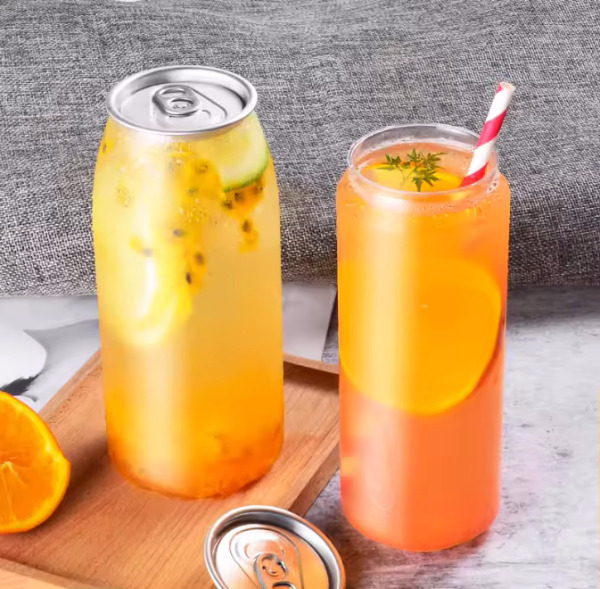



Empty Plastic Bottles 250ml Products Now Trending
Top Selling Products






- Related Blog
- Reviews
- Reviews
