



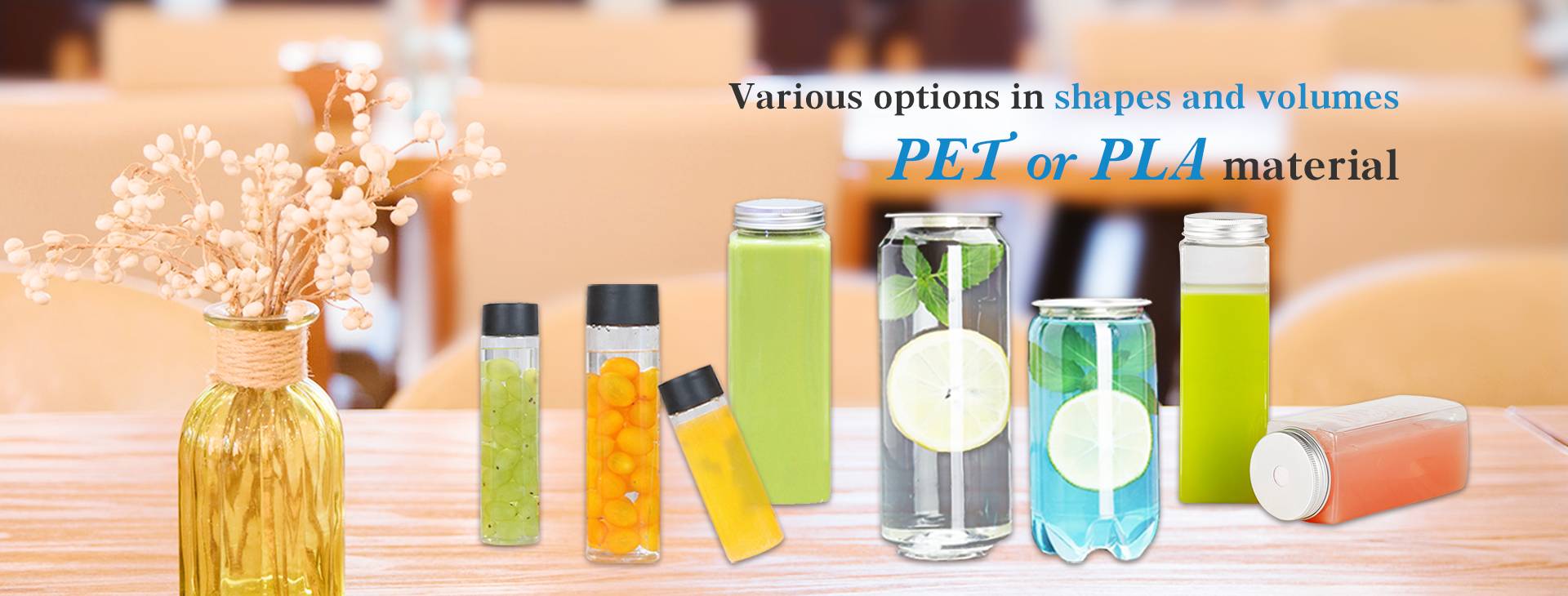
Takeaway Soup Bowls - China Manufacturer for Durable, Custom Options
I’m a China-based Manufacturer of Takeaway Soup Bowls, here to support your food-service brand with sturdy, cost-efficient solutions. I design for busy kitchens—heat-retention, leak-proof seals, and stackable shapes that save space in delivery boxes. Our bowls use BPA-free plastics and compostable options for eco-conscious customers, and they’re microwave and dishwasher safe for everyday use. Custom branding is available in silkscreen or printed labels to boost shelf appeal and customer recognition. I can offer different capacities, lids that seal, and color choices to match your packaging. MOQs and lead times scale with volume, and I’ll work with you on export packaging, labeling, and certifications. As a China-based Manufacturer, I can streamline logistics, reduce freight costs, and ensure reliable supply for your promotions. If you’re seeking a dependable partner to grow takeout business, let’s discuss specs, packaging, and timeline today.


Takeaway Soup Bowls Delivers Unmatched Quality Where Innovation Meets 2025
Takeaway soup bowls for 2025 blend cutting-edge design with practical performance: lightweight yet robust constructions, improved thermal insulation and leak-resistant lids keep hot soups safe in transit while compostable and recyclable material options meet the growing sustainability demands of global markets. New features like stackable form factors, anti-drip rims and surface prints that maintain ink fidelity under heat reflect an innovation-first approach that does not compromise on food safety or user experience. For international buyers seeking reliable partners, these products come from factories with scalable capacity, rigorous quality-control processes and flexible OEM/ODM services. Competitive lead times, compliance with international standards, and tailored packaging solutions make these bowls ideal for restaurant chains, delivery platforms and retail distributors aiming to elevate convenience food offerings in 2025.
| Parameter | Specification | Typical Value | Standard / Notes |
|---|---|---|---|
| Material (Primary) | Molded cellulosic fiber blend | Bagasse + recycled paper fiber | Food-contact grade fibers selected for heat resistance and stiffness |
| Design / Launch Year | Product series iteration | 2025 | Latest design revision optimized for thermal retention and compostability |
| Nominal Capacity | Internal volume | 700 mL (approx.) | Measured at brim; nominal filling volume typically specified lower for service |
| Typical Empty Weight | Per unit mass | 62 g ± 5 g | Average of 50 samples; tolerance due to fiber batch variability |
| Wall Thickness | Average mid-wall | 0.9 – 1.2 mm | Thickness profile engineered for stacking and thermal insulation |
| Thermal Retention | Hot liquid hold time | 45–60 minutes (with sleeve) | Measured with 85°C fill; retention varies with ambient conditions |
| Maximum Heat Tolerance | Operational temperature | Stable up to 120°C short-term | Softening point ≈ 135°C; safe for reheating in short bursts |
| Leak Resistance | Practical leak rating | 8 / 10 | No leakage at 1.0 kPa head pressure for 10 minutes in lab test |
| Lid Compatibility | Closure style | Standard snap-fit compostable lids | Designed for common universal lid profiles used in takeaway operations |
| Stackability | Nesting efficiency | Approx. 50 units per 6 cm stack height | Optimized for pallet and shelf density in supply chain handling |
| Recycled Content (by weight) | Post-industrial input | ≈ 35% | Measured content from fiber blend audits; may vary by production run |
| Biodegradability / Compostability | End-of-life behavior | Home & industrial compostable: ~90% in 90 days (industrial faster) | Performance based on standardized biodegradation tests (EN/ASTM reference methods) |
| Certifications & Compliance | Regulatory / standards | Food-contact material compliance; compostability test programs | Materials selected to meet common regional food-contact requirements and compost standards |
| Cradle-to-Gate Carbon Footprint | Estimated LCA impact | ≈ 0.045 kg CO2e per unit | Representative estimate; varies by sourcing and energy mix |
| Water Use (production) | Estimated freshwater use | ≈ 0.9 L per unit | Includes fiber processing and forming stages; regional variation expected |
| Primary Manufacturing Regions | Typical supply basins | Southeast Asia / Central Europe (regional facilities) | Selected to balance lead time, logistics and compliance with environmental controls |
Related Products


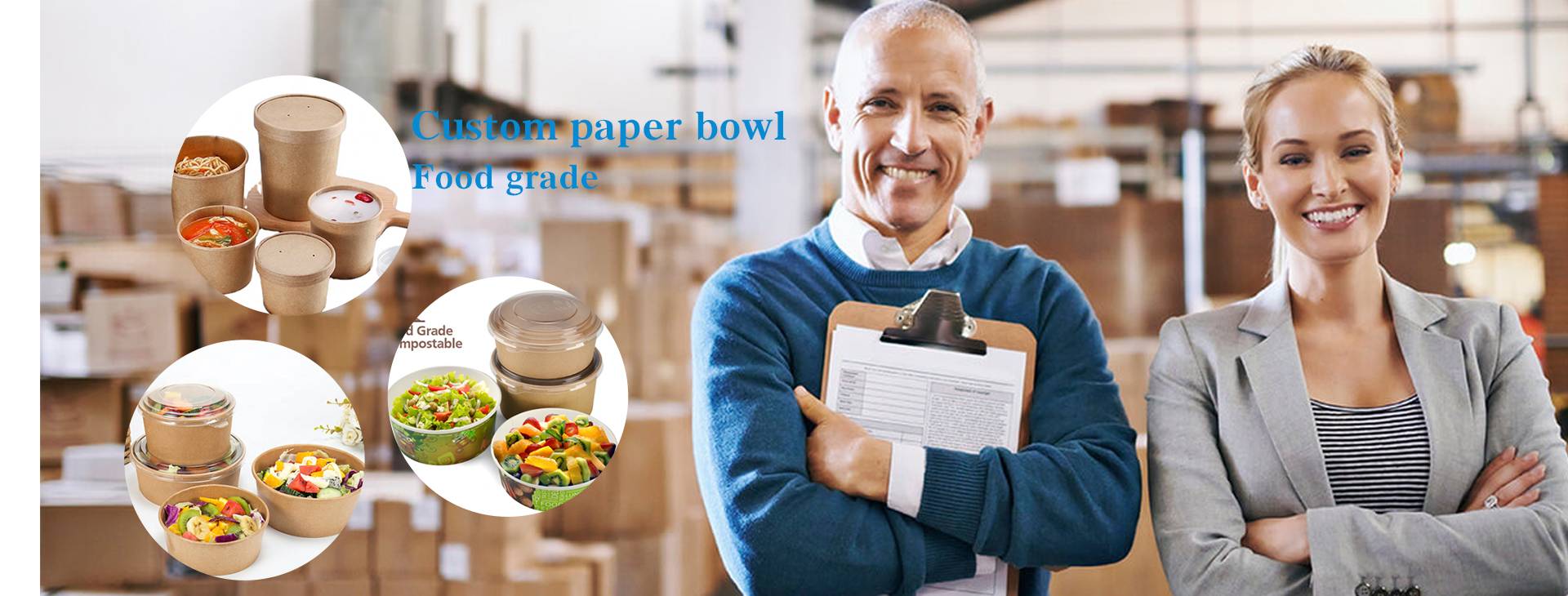
Takeaway Soup Bowls Products Industry Giant
Top Selling Products








- Related Blog
- Reviews
- Reviews
