



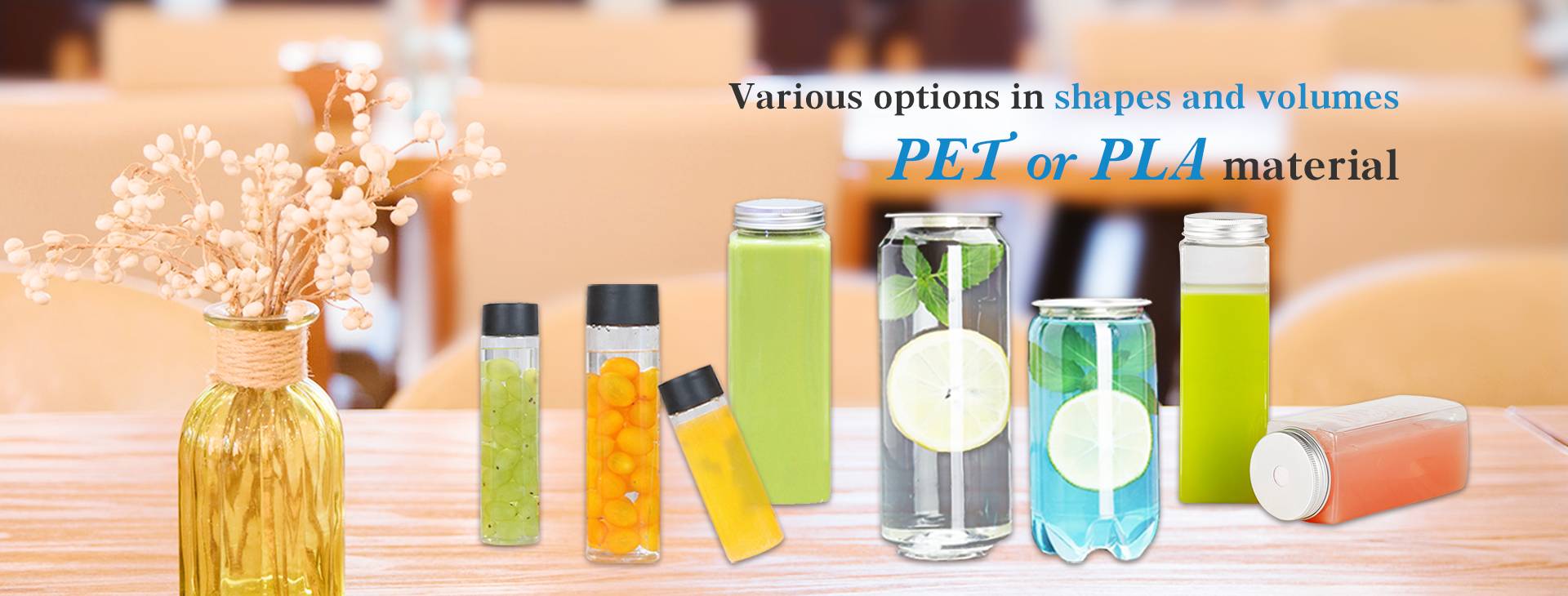
Disposable Cups Manufacturer in China - Trusted Supplier Directory
I am a China-based manufacturer of Disposable Cups, providing reliable, food-grade packaging for distributors and big-volume buyers. From standard stock to customized solutions, I help your business scale with confidence. Our Disposable Cups are designed for hot and cold drinks, featuring sturdy paper stock and leak-resistant linings that meet industry safety standards. I offer a range of sizes from 4 oz to 16 oz, with options for printed logos, color bands, and sleeve branding to boost your brand visibility. Fast lead times and competitive bulk pricing mean you can plan promos and seasonal campaigns without compromise. All products are manufactured under strict quality control and comply with FDA/food-contact requirements. We ship from China to global markets, with flexible MOQs to fit your project scope. If you’re a retailer, chain, or hospitality supplier, I can tailor a package that aligns with your demand and timeline. Let me know your target quantity and deadline, and I’ll prepare a precise quote.


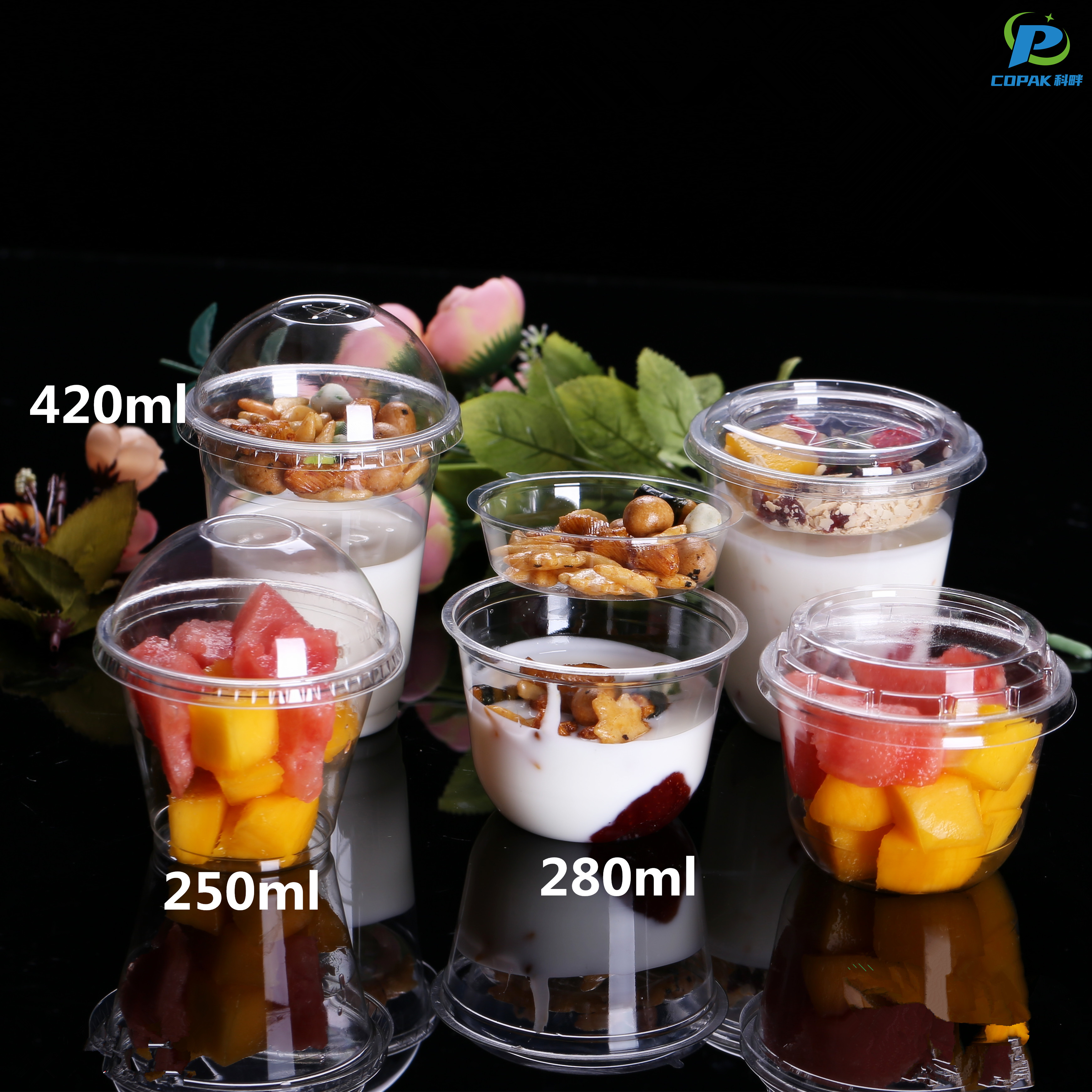
Disposable Cups Ahead of the Curve Manufacturers You Can Rely On
As a Shanghai-based manufacturer at the forefront of disposable cup innovation, we combine advanced production lines, rigorous quality control and eco-conscious materials to meet evolving global demands. From compostable PLA and sustainably sourced paper to high-barrier coated options, our product range is designed for food safety, regulatory compliance and consistent performance across hot and cold applications. Continuous R&D, third-party certifications and scalable capacity ensure fast, reliable delivery for retailers, foodservice groups and private-label brands. Global buyers can rely on our responsive OEM/ODM services, flexible minimum orders and transparent supply chain management to reduce lead times and costs. We prioritize customized printing, smart packaging and compliance with international standards to support market differentiation and risk mitigation. Partnering with a Shanghai manufacturing team experienced in export logistics means secure, predictable sourcing and long-term collaboration to keep your business ahead of the curve.
| Supplier ID | Primary Material | Construction | Typical Capacities (oz / ml) | Certifications & Standards | Recyclability | Compostability | Typical Lead Time | Production Regions | Typical Applications | Sustainability Notes |
|---|---|---|---|---|---|---|---|---|---|---|
| Supplier 01 | Paper (PLA lined, kraft option) | Single-wall laminated | 4–20 oz / 120–600 ml | FSC Mix, ISO 9001, BRC Food | Recyclable in facilities that accept PE-free or PLA-separable paper | Industrial compostable (PLA) — requires industrial facilities | 4–8 weeks | South & Southeast Asia; Europe | Hot drinks, takeaway coffee | Uses certified fiber; shifting from PE to PLA barriers to reduce fossil plastic |
| Supplier 02 | Paper (PE-lined) | Single-wall | 8–16 oz / 240–480 ml | FDA food contact, BRC | Limited curbside recyclability due to PE lining; recyclable at specialized plants | Not compostable | 3–6 weeks | North America, Central America | Cafés, event catering | Transition programmes available to trial PLA linings and water-based coatings |
| Supplier 03 | PLA (sugarcane-based bioplastic) | Rigid thermoformed cup | 12–24 oz / 360–720 ml | EN 13432, BPI, OK Compost Industrial | Not recyclable in conventional plastic streams | Industrial compostable (certified) | 6–10 weeks | Europe, Latin America | Cold beverages, smoothies, salads | Sugarcane feedstock reduces fossil GHG intensity vs. petroleum plastics in many LCA studies |
| Supplier 04 | Bagasse (sugarcane pulp) | Molded fiber, uncoated or water-sealed | 8–20 oz / 240–600 ml | EN 13432, ASTM D6400, ISO 9001 | Not typically recycled; suitable for organic recycling/composting | Industrial compostable; often home compostable depending on binder | 5–9 weeks | South Asia, Southeast Asia | Hot & cold foods, soups, takeaway bowls | Made from agricultural byproduct; generally lower landfill persistence |
| Supplier 05 | Polypropylene (PP), clear | Injection-molded rigid cup | 12–24 oz / 360–720 ml | FDA food contact, SGS tested | Widely recyclable where #5 PP collection exists | Not compostable | 2–5 weeks | East Asia, North America | Cold drinks, iced coffee, soft drinks | Good recycle potential in mature recycling systems; lightweighting reduces material use |
| Supplier 06 | PBAT/PLA compostable blend (clear) | Extrusion film laminated or mono-material clear | 8–16 oz / 240–480 ml | BPI, EN 13432, ISO 9001 | Not recyclable; must be composted separately | Industrial compostable (certified) | 4–8 weeks | Europe | Cold cups, lids, takeaway containers | Designed to meet industrial compost streams; requires proper sorting and infrastructure |
| Supplier 07 | Recycled paper (post-consumer fiber) | Double-wall insulated paper | 8–16 oz / 240–480 ml | FSC Recycled, ISO 14001 | Recyclable where paper fiber streams accept coated papers | Not compostable if conventional barrier coatings used | 4–7 weeks | Europe, North America | Premium coffee chains, corporate events | High recycled content; engineered for thermal insulation to reduce sleeve use |
Related Products


Disposable Cups Service Factory
Top Selling Products




- Related Blog
- Reviews
- Reviews
