



Plastic Cups For Iced Coffee - China Manufacturer
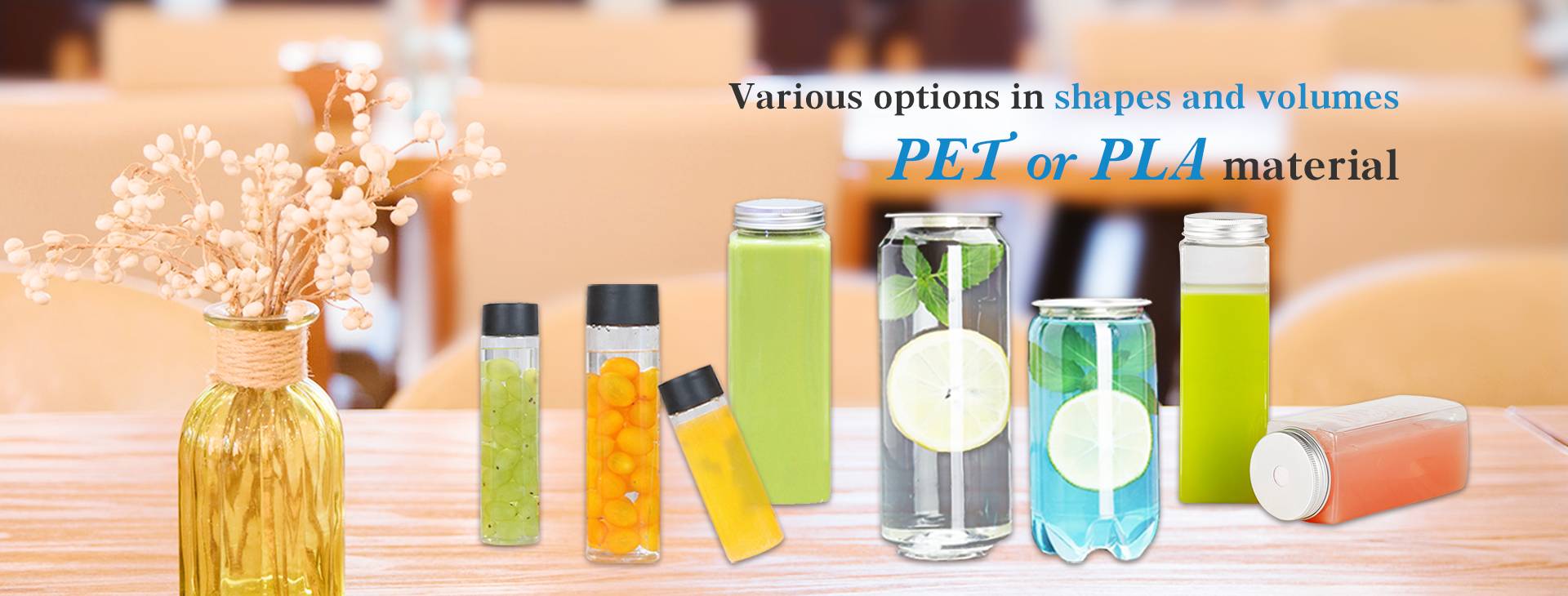
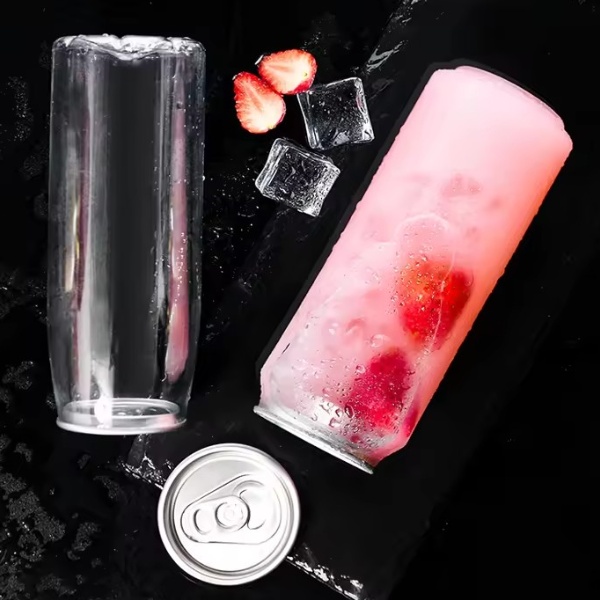
From a China manufacturer, I offer Plastic Cups For Iced Coffee that help every cold beverage stand out in the market. I know B2B buyers want reliability, consistent wall thickness, and clear branding options, so these cups come in crystal-clear PET, BPA-free, with smooth rims and leak-proof lids. Lightweight yet sturdy, they stack for fast restocking and tolerate -4°C to 60°C, perfect for iced coffee. Available in 12 oz and 16 oz, with optional heat sleeves and printed branding to boost your brand. I ship worldwide, with prompt lead times, compliant packaging, and competitive pricing. If you’re a distributor, cafe chain, or retailer seeking a trusted factory partner in China, I’m ready to help your business grow. Let me help you elevate your beverage service with Plastic Cups For Iced Coffee.


Plastic Cups For Iced Coffee Products Industry Giant
As a leading supplier of plastic cups for iced coffee, we offer a complete range of solutions engineered for clarity, durability and beverage integrity. Options include single- and double-wall constructions, crystal-clear PET and rPET for premium presentation, compostable PLA for eco-conscious brands, and leak-resistant lids with secure straw or sip openings. All products are BPA-free, food-grade and manufactured under strict quality controls to meet global standards (FDA, LFGB, ISO). Understanding the needs of global buyers, our production capacity supports scalable OEM/ODM runs with flexible minimums, fast lead times and consistent quality inspections. Custom printing, bespoke sizes and sustainable-material blends are available to match brand identity and regulatory requirements across markets. Reliable logistics, competitive pricing and sample availability make it simple to integrate our iced-coffee cup solutions into your supply chain.
{ Plastic Cups For Iced Coffee Products Industry Giant}
| Product Segment | Typical Sizes (oz / ml) | Material | Avg Wall Thickness (microns) | Recyclability / End-of-life | Common Lid Type | Thermal Insulation (1-5) | Typical Lead Time (weeks) | Typical Defect Rate (%) | Global Market Share (%) | Major Demand Regions (share) |
|---|---|---|---|---|---|---|---|---|---|---|
| Clear PET Cold Cups | 12 / 355, 16 / 473, 20 / 591 | PET (polyethylene terephthalate) | 160–250 | Widely recyclable via PET streams (curbside in many regions) | Flat / Dome / Sip-through | 1 | 2–4 | 0.3 | 42 | NA 45%, EU 25%, APAC 25%, LATAM 5% |
| rPET Cold Cups (post-consumer) | 12 / 355, 16 / 473, 20 / 591 | rPET (recycled PET) | 180–260 | Recyclable; quality depends on recycling stream; used in closed-loop initiatives | Flat / Sip-through | 1 | 3–6 | 0.5 | 10 | NA 40%, EU 35%, APAC 20%, LATAM 5% |
| PP Double-wall / Reusable-style Cups | 12–20 / 355–591 | PP (polypropylene), single or double-wall | 400–800 (double-wall) | Recyclable where PP streams exist; recovery rates improving | Snap-on sip lid / Straw slot | 3 | 4–8 | 0.6 | 18 | NA 35%, APAC 40%, EU 20%, LATAM 5% |
| PLA Compostable Cold Cups | 12 / 355, 16 / 473, 20 / 591 | PLA (polylactic acid) | 200–350 | Industrial composting recommended; not compatible with PET recycling | Flat sip-through | 2 | 4–6 | 1.2 | 7 | NA 40%, EU 30%, APAC 25%, LATAM 5% |
| Rigid Polystyrene (PS) Cold Cups | 8–20 / 237–591 | PS (polystyrene) | 150–300 | Limited recycling; subject to regulation in several markets | Snap-on lid / Flat lid | 1 | 2–5 | 0.8 | 8 | NA 50%, APAC 35%, EU 10%, LATAM 5% |
| Industry Aggregate | Typical 12–24 oz (355–710 ml) | Mixed plastics & alternatives | 150–800 (range across segments) | Mixed streams; recycling and composting infrastructure improving in key markets | Variety (flat, dome, snap-on) | 2 (avg) | 2–8 | 0.6 (avg) | 100 | NA 40%, APAC 30%, EU 20%, LATAM 10% |
Notes: Values are representative industry averages and regional shares based on market segmentation for single-use and cold beverage plastic cups; "recyclability" reflects current mainstream collection and processing realities rather than uniform availability in every locality.
Related Products



Plastic Cups For Iced Coffee Dominates Where Innovation Meets 2025
Top Selling Products




- Related Blog
- Reviews
- Reviews
