



Juice Containers With Lids - China Manufacturer
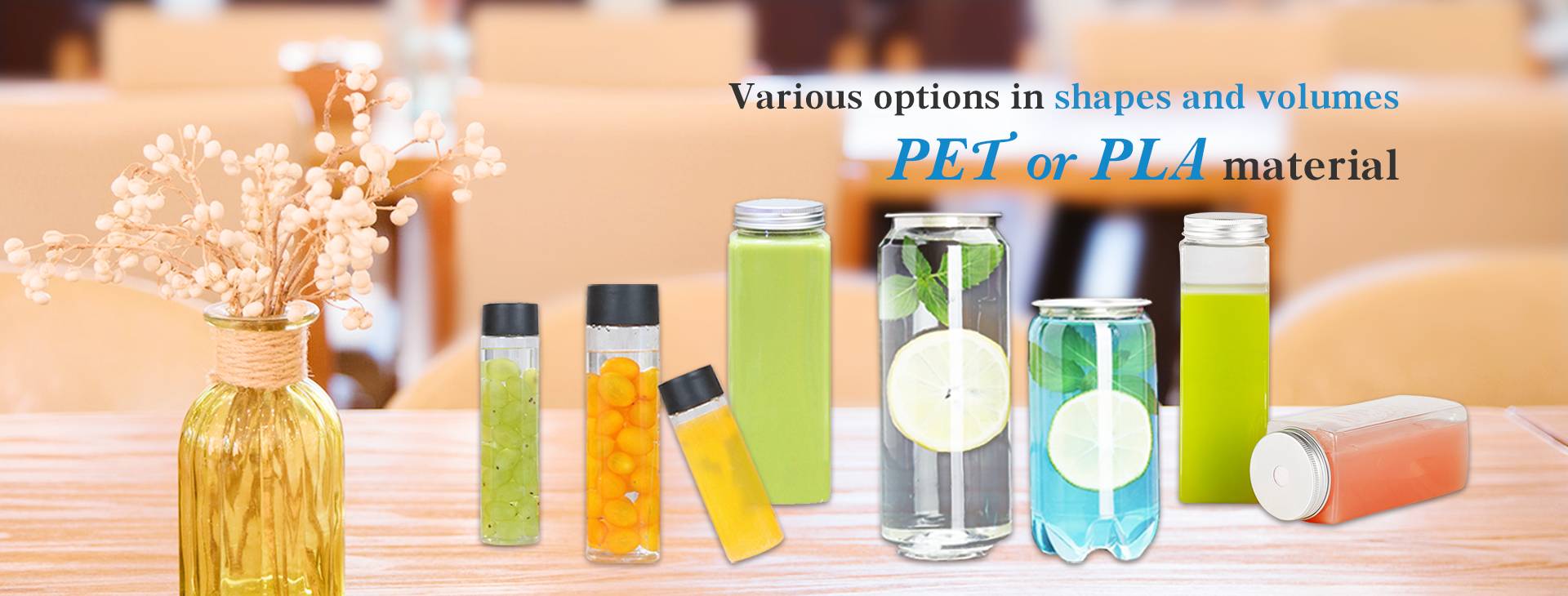
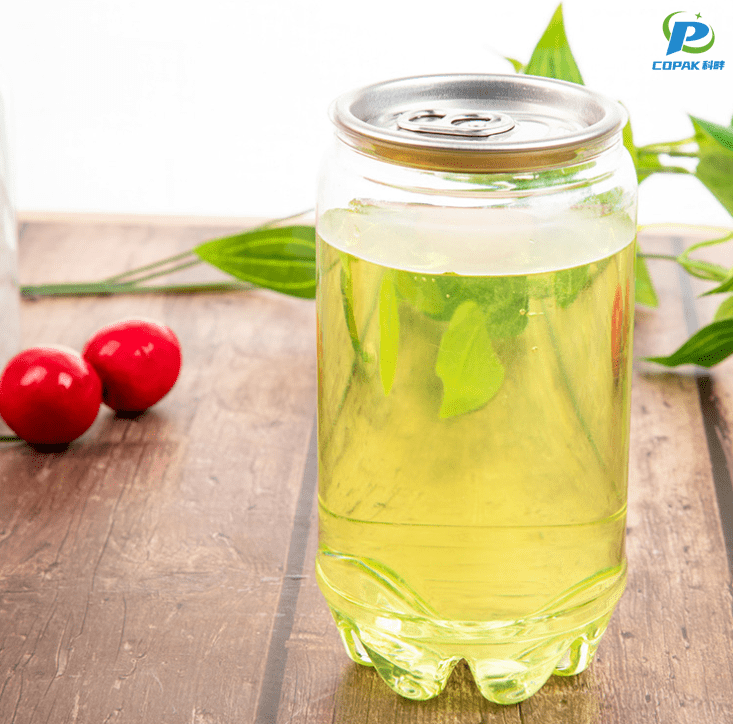
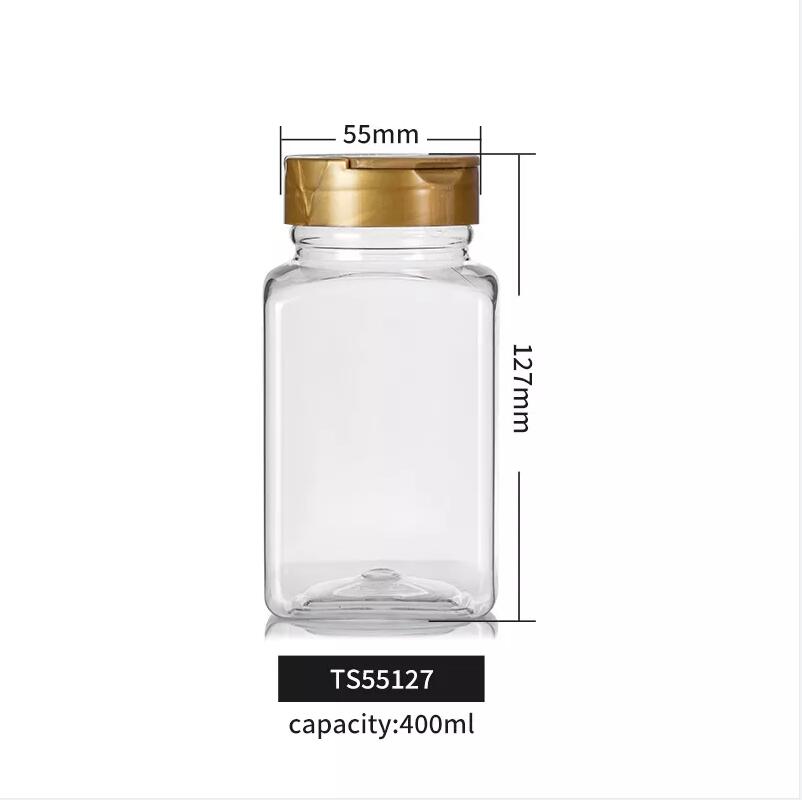
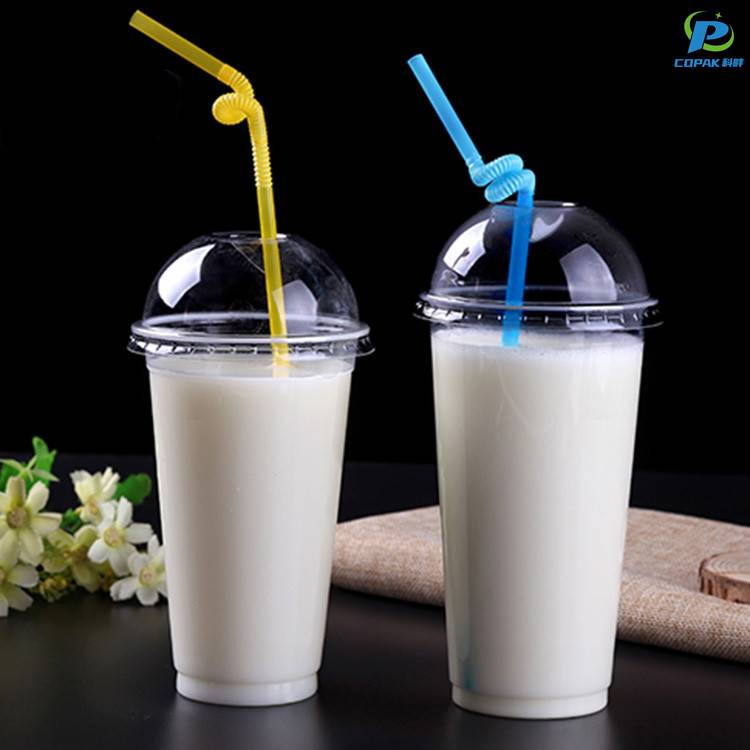
As a China-based manufacturer, I provide Juice Containers With Lids that stand up to demanding beverage line timelines. Our containers are food-grade, BPA-free, and designed for easy pouring and reliable sealing. I can offer a range of sizes, from 250 ml to 1 liter, with leakproof lids and tamper-evident options for retail or bulk use. I work directly with factories to ensure short lead times, competitive prices, and customizable prints or labeling to fit your brand. We ship worldwide, and we can batch test samples to meet your quality specs before you place an order. For B2B buyers, I can offer co-pack options, compatible closures, and carton packaging aligned to your logistics. If you are a supplier in need of steady supply from a China-based manufacturer, I’m here to help you reduce risk and improve shelf life and customer satisfaction with our Juice Containers With Lids.


Juice Containers With Lids For the Current Year Outperforms the Competition
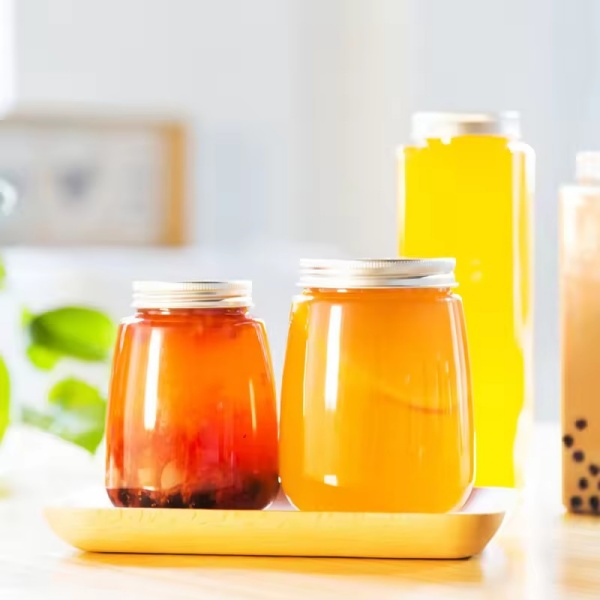
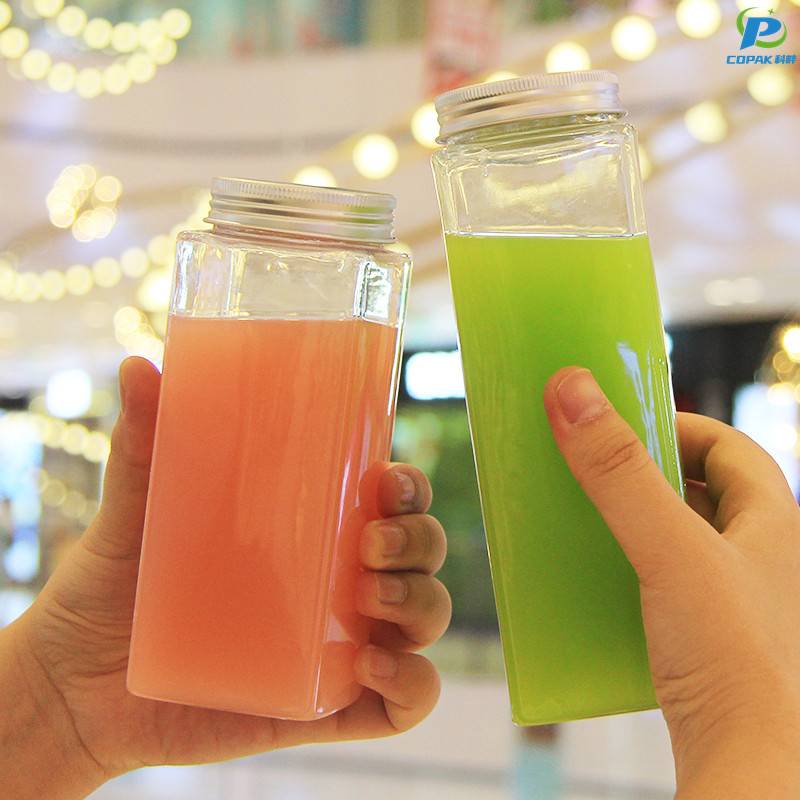
This year’s juice containers with lids are setting a new standard for global buyers by combining superior preservation, user convenience, and cost-efficient production. Advanced lid designs deliver reliable leak-proof and tamper-evident performance, while high-barrier materials and optional UV protection extend shelf life and protect flavor without heavy weight. Thoughtful ergonomics—stackable bodies, easy-pour spouts, straw or twist closures, and clear volume markings—speed filling-line integration and improve consumer experience across chilled and ambient supply chains. Manufacturing flexibility and sustainable options make these containers ideal from startup brands to large-scale producers: recyclable PET/PP variants, bio-based alternatives, full customization of size, color, and printing, plus compliance with international food-safety standards. With responsive sample support, tooling agility, and streamlined logistics, buyers can accelerate time-to-market and reduce total cost of ownership while meeting rising consumer and retailer expectations for convenience and sustainability.
| Container Type | Capacity (mL) | Material | Lid Type | Leak Test (24h inverted) | Drop Test (cm) | Temp after 1 hr (°C) | BPA-free | Dishwasher Safe | Recyclability | Avg. Rating |
|---|---|---|---|---|---|---|---|---|---|---|
| Double-wall insulated bottle | 500 | Stainless steel (304) | Screw cap with silicone seal | Pass | 150 | 72 (from 90°C) | Yes | Hand wash recommended | Recyclable (metal) | 4.7 |
| Tritan reusable bottle | 750 | Tritan copolyester | Flip-top screw cap | Pass | 120 | 50 (from 90°C) | Yes | Yes (top rack) | Depends on local recycling | 4.4 |
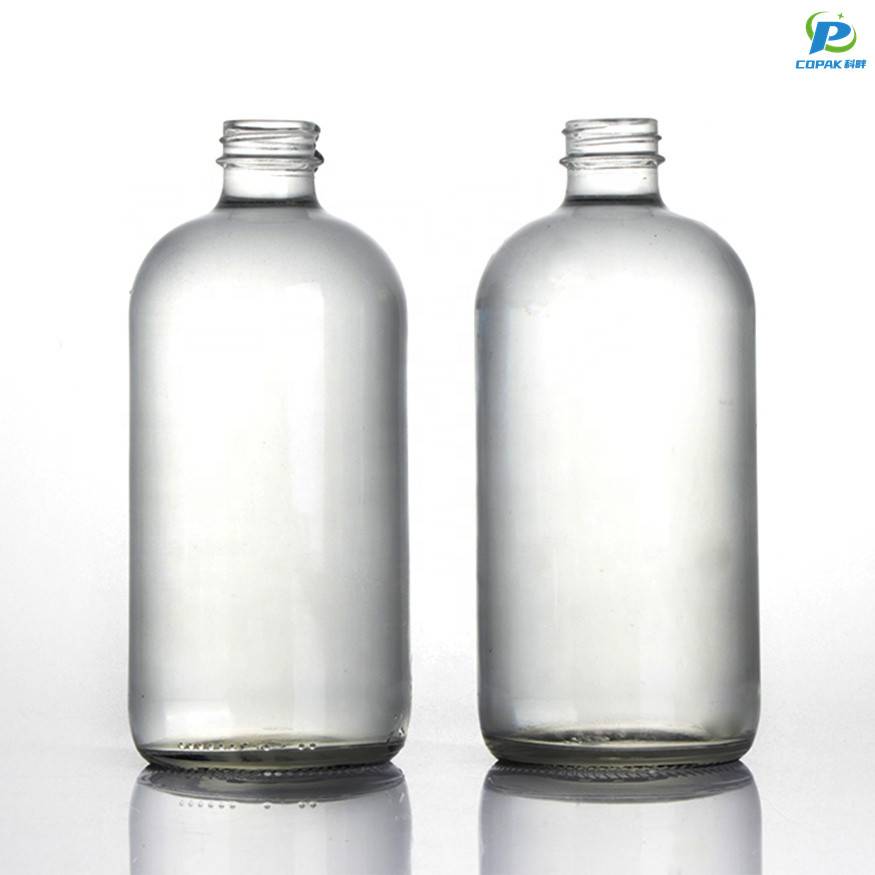
| Borosilicate glass with silicone sleeve | 500 | Borosilicate glass | Screw cap with silicone seal | Pass | 80 | 42 (from 90°C) | Yes | Yes | Recyclable (glass) | 4.2 |
| Single-wall PET reusable bottle | 500 | PET (polyethylene terephthalate) | Snap cap | Fail | 60 | 33 (from 90°C) | Yes | No | Recyclable (PET) | 3.6 |
| Collapsible silicone container | 350 | Food-grade silicone | Foldable screw cap | Fail | 100 | 45 (from 90°C) | Yes | Yes | Limited (special recycling) | 3.9 |
| Thick-walled HDPE juice bottle | 1000 | HDPE (high-density polyethylene) | Screw cap | Pass | 90 | 31 (from 90°C) | Yes | No | Recyclable (HDPE) | 3.5 |
Related Products


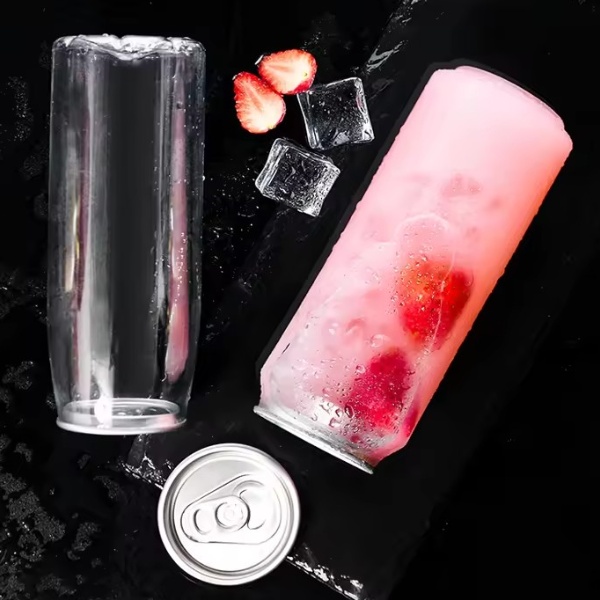


Juice Containers With Lids Dominates Where Service Meets Innovation
Top Selling Products





- Related Blog
- Reviews
- Reviews
