



250ml PET Bottle - China Manufacturer | Trusted PET Packaging
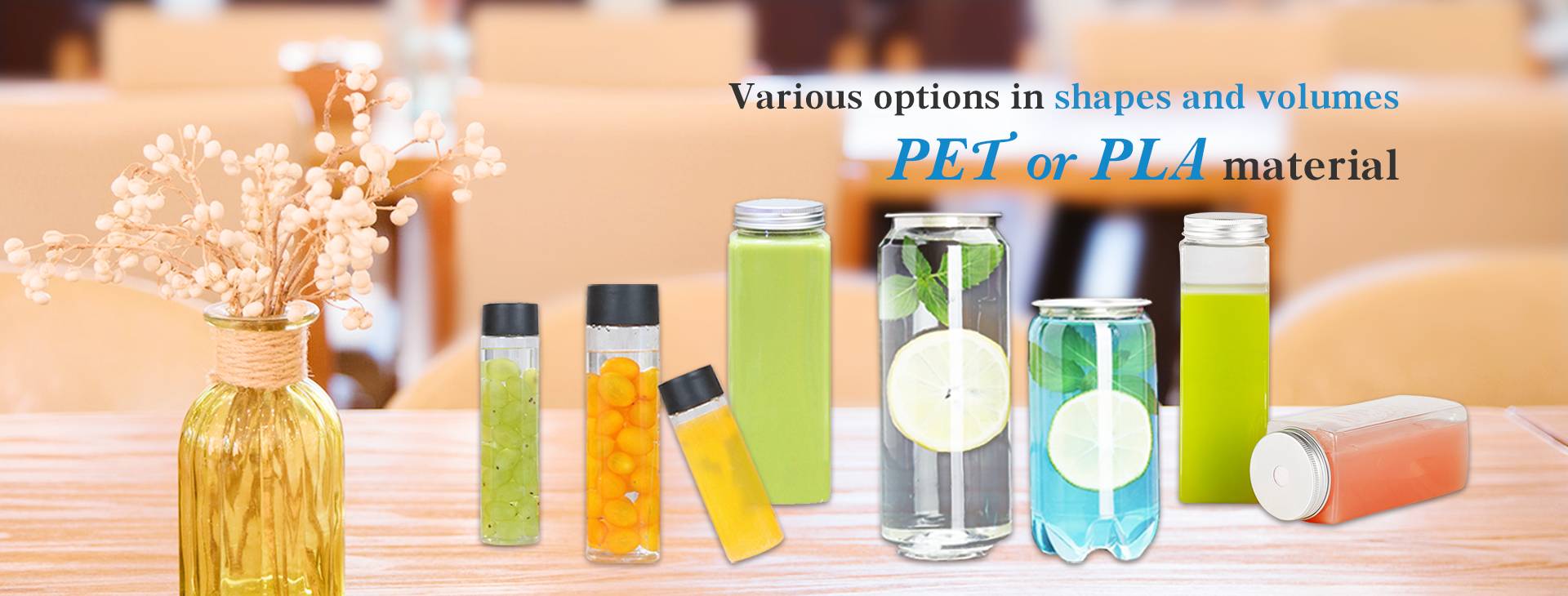
As a China-based manufacturer, I’m here to offer your business a reliable 250ml PET Bottle that fits perfectly on shelves and in shipments. From our factory to your supply chain, I guarantee short lead times, flexible MOQs, and true value for B2B buyers. The 250ml PET Bottle is lightweight, shatter-resistant, and ideal for beverages, sauces, cosmetics, or samples. It features a smooth label area, a durable neck finish for easy pouring, and compatibility with standard caps and closures. I provide customization options—color, tamper-evident rings, different neck finishes, and custom printing—so you can build a distinctive brand. We use food-grade PET and conduct strict QC checks at every stage. Competitive pricing, steady supply, and on-time delivery help keep your project on track. If you’re sourcing from a China manufacturer who understands your market, let’s talk volumes, packaging, and optimization for your brand.



250ml PET Bottle in 2025 Pioneers in the Field
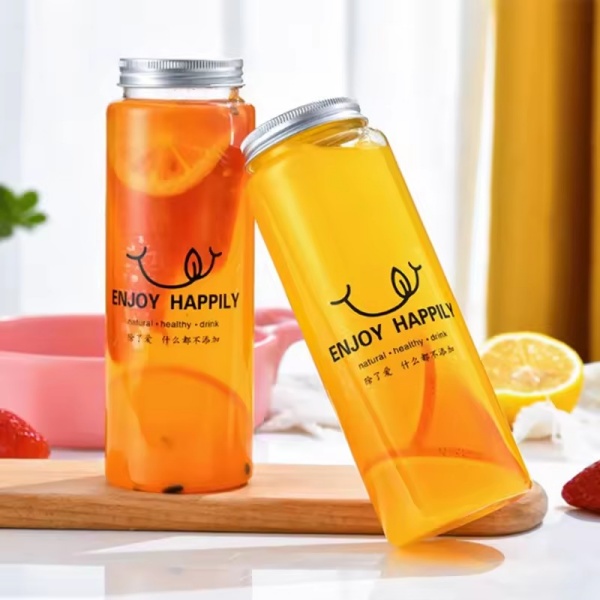
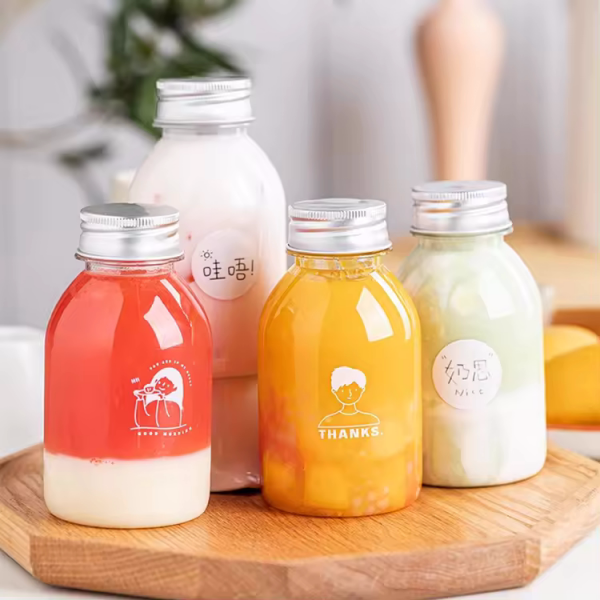
As demand shifts toward compact, sustainable and cost-efficient packaging in 2025, the 250ml PET bottle stands out as a versatile choice for beverages, personal care and single-serve formulations. Lightweight yet robust, it offers excellent clarity, food-grade safety, improved barrier options, and full recyclability. Modern neck finishes, tamper-evident caps and leak-proof designs meet global regulatory and consumer expectations while lowering logistics and material costs. Backed by an experienced Shanghai-based manufacturing partner with advanced blow-molding lines and ISO-aligned quality systems, these bottles can be fully customized—colors, finishes, decoration, barrier treatments and low MOQs—delivered with competitive lead times and reliable export logistics. Ideal for private labelers and global brands seeking scalable, compliant and attractive 250ml PET solutions for 2025.
| Category | Parameter | Value | Unit | Notes |
|---|---|---|---|---|
| Physical Specifications | Nominal volume | 250 | ml | Filled capacity at 20°C (standard nominal volume) |
| Typical empty weight (typical lightweight design) | 11 | g | Common range: ~9–15 g depending on geometry and wall optimization | |
| Typical wall thickness (body average) | 0.5 | mm | Design-dependent; varies by bottle profile and performance needs | |
| Neck finish (typical beverage) | 28 | mm | Common thread diameter for small beverage closures | |
| Material Properties | Resin type | PET (polyethylene terephthalate) | Semi-crystalline thermoplastic widely used for beverage packaging | |
| Density | 1.38 | g/cm³ | Bulk density of PET resin (typical) | |
| Glass transition temperature (Tg) | 70–80 | °C | Affects thermal performance and service limits | |
| Melting range | 245–260 | °C | Processing and recycling thermal window | |
| Tensile strength (typical) | 55–75 | MPa | Material and orientation dependent | |
| Barrier & Performance | Oxygen transmission rate (OTR) | 0.5–2.0 | cc/m²·day | Measured at 23°C; varies with wall thickness and orientation |
| Water vapor transmission rate (WVTR) | 0.02–0.5 | g/m²·day | Typical laboratory ranges; strongly dependent on test RH and temperature | |
| Impact resistance (practical) | ~1.5–2.0 | m (drop) | Typical survivable drop height to rigid surface; geometry dependent | |
| Manufacturing & Quality | Common molding process | Injection stretch blow molding (ISBM) | Industry standard for clarity, strength and throughput | |
| Typical cycle time per cavity | 4–8 | s | Includes injection, conditioning and blowing; depends on machine and design | |
| First-pass production yield | 98–99.5 | % | Typical range for mature lines with quality control | |
| Sustainability & Market | Post-consumer recycled content (typical, 2025) | 20–30 | % | Market-dependent; led by regulation and supply of rPET flakes |
| Recyclability | High | Widely recyclable via domestic PET collection streams where available | ||
| Global average bottle recycling rate (recent) | ~50 | % | Market-weighted estimate (varies strongly by region) | |
| Estimated carbon footprint (cradle-to-gate) per 250 ml bottle | 20–80 | g CO2e | Range depends on rPET share, energy mix and process efficiency | |
| Notes: Values are typical ranges and representative examples for 250 ml PET bottles in the 2025 market context. Test conditions, regional practices, and specific designs will influence exact measurements. | ||||
Related Products


250ml PET Bottle Industry Leaders Now Trending
Top Selling Products







- Related Blog
- Reviews
- Reviews
