



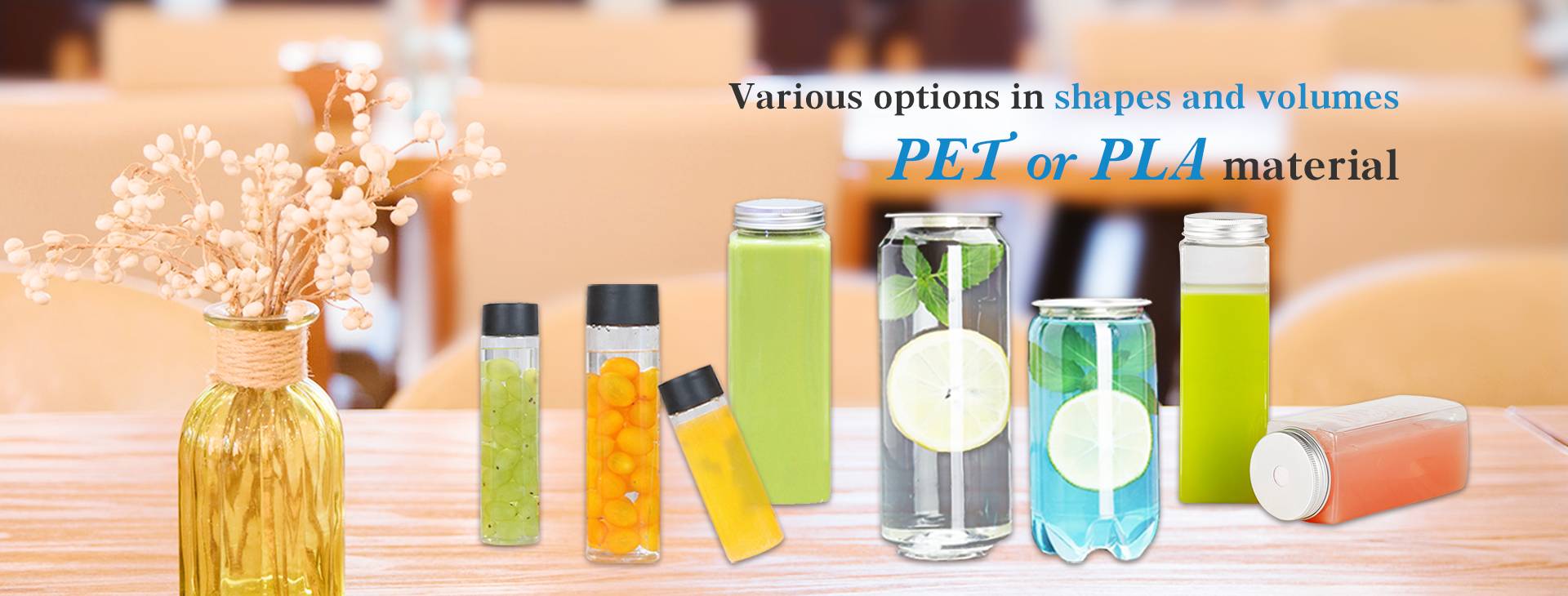
Bulk 12 Oz Plastic Bottles - China Manufacturer Direct
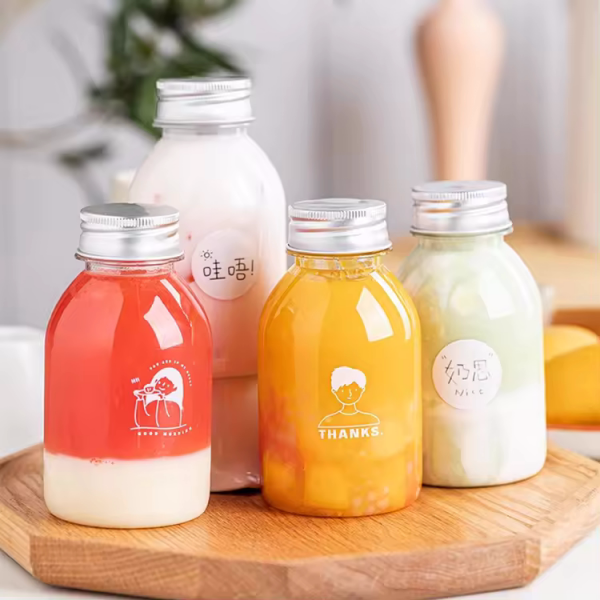
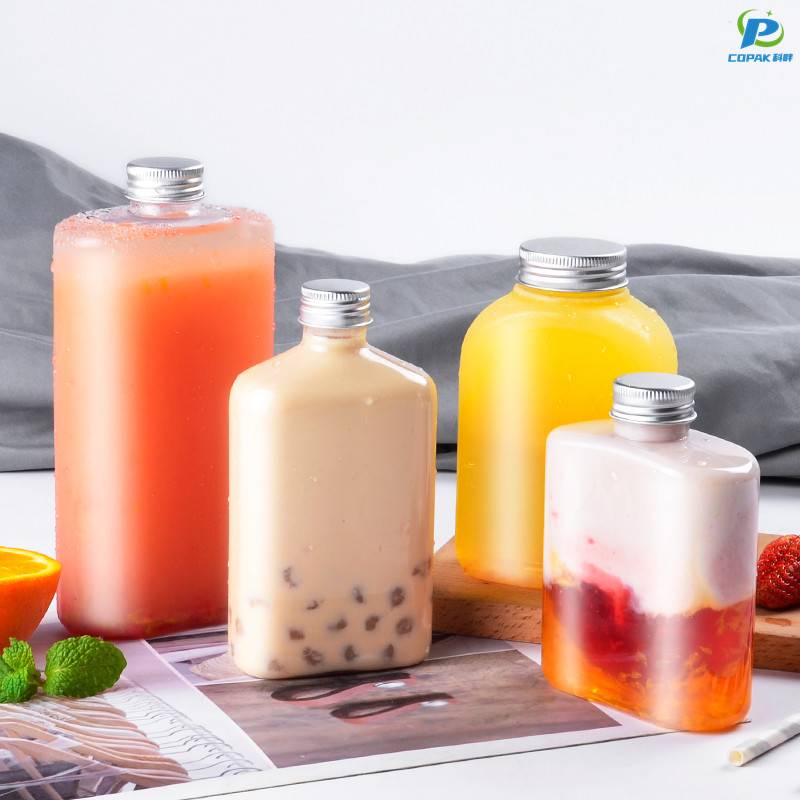
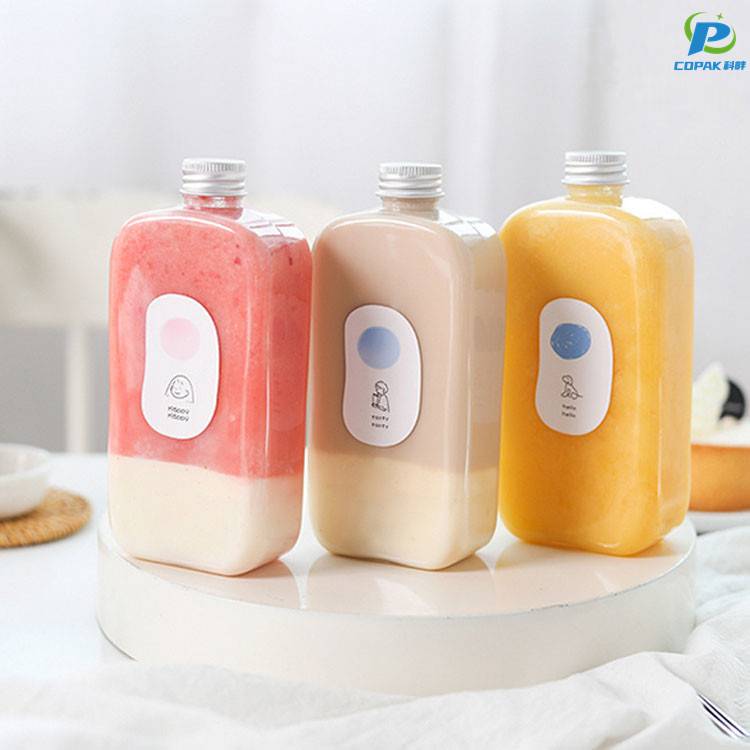
From my workshop in China, I’m a Manufacturer offering Bulk 12 Oz Plastic Bottles in bulk quantities to brand owners and distributors worldwide. I can provide these bottles in clear or frosted PET, with tight caps to prevent leaks. Buying direct helps you cut costs while keeping high quality. I offer customization: logo printing, color caps, different neck finishes, and labeling solutions. My team checks tight tolerances for consistent sizing so your fill lines stay efficient. We stock several pack counts and ship quickly to your door, with careful packaging to minimize breakage in transit. Ask about MOQ, lead times, and sample programs — I’m here to help you scale. Located in China, I pride myself on transparent pricing and responsive service, treating every order as if it were for my own business. Let me show you how affordable quality bulk bottles can be for your brand.

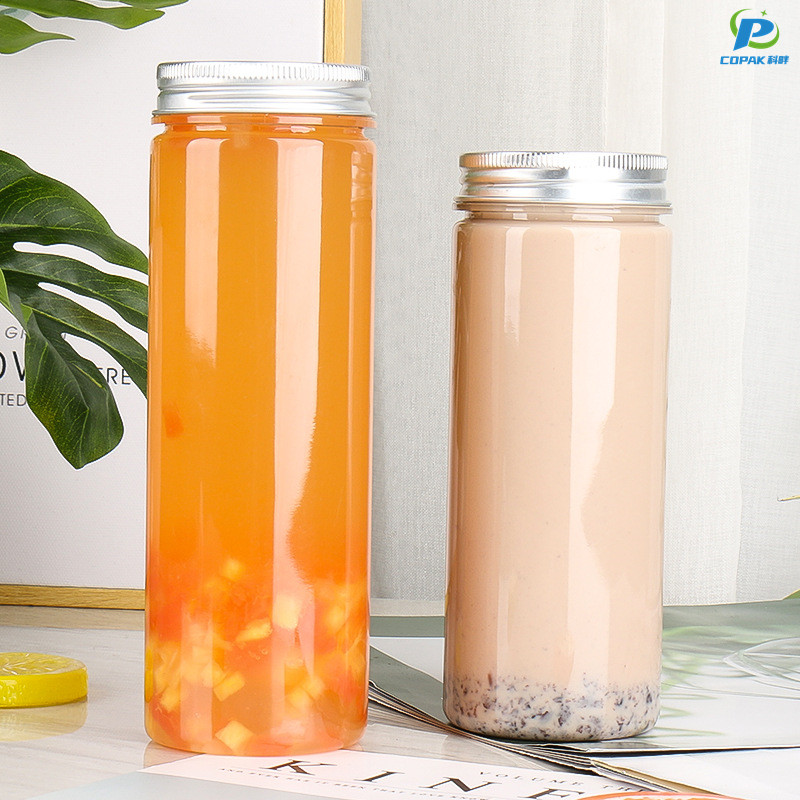

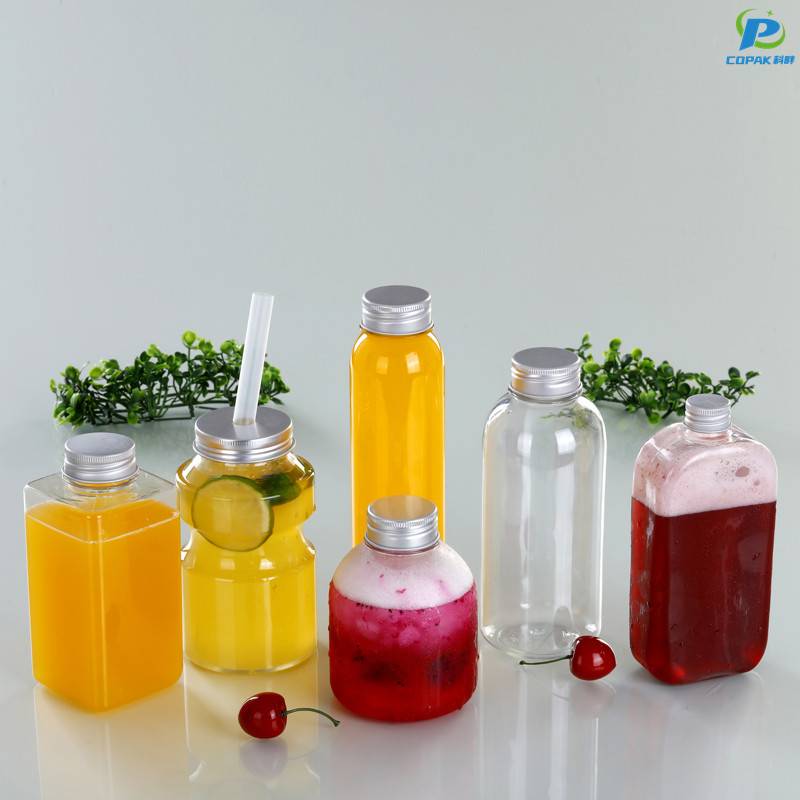


Bulk 12 Oz Plastic Bottles Ahead of the Curve Trusted by Pros
Bulk 12 oz plastic bottles offer the ideal balance of capacity, portability, and cost-efficiency for global procurement. Designed for beverages, personal care, pharmaceuticals, and household cleaners, these bottles combine food‑grade materials, consistent wall thickness, and precision neck finishes to ensure reliable filling, sealing, and shelf appeal. Available in clear, tinted, and PCR options, they support both premium presentation and sustainability goals while keeping unit costs competitive for large orders. For international buyers, benefit from scalable production, flexible customization (color, cap style, labeling, and printing), and streamlined logistics to meet seasonal demand or long-term supply needs. Quality control protocols, compliance with common international standards, and sample/testing options make them a trusted choice for manufacturers, retailers, and private‑label brands seeking dependable packaging that stays ahead of market trends.
| Attribute | Specification | Typical Range / Notes |
|---|---|---|
| Nominal Volume | 12 fl oz (355 mL) | Standard US beverage size; commonly used for water, juices, and single-serve products |
| Material | PET (Polyethylene Terephthalate), resin identification code #1 | Transparent, lightweight, strong barrier vs. moisture; BPA-free |
| Manufacturing Method | Injection Stretch Blow Molding (ISBM) | Widely used for consistent wall distribution and clarity in single-serve bottles |
| Empty Weight (typical) | 18 g (lightweight) – 28 g (robust) | Weight depends on design (wall profile, base structure) and rPET content |
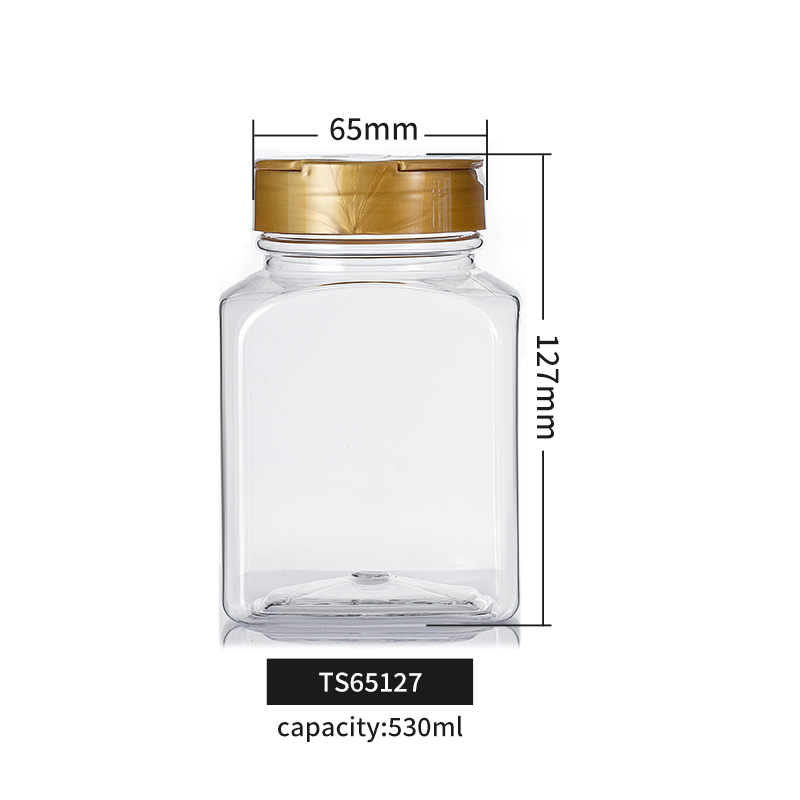
| Overall Dimensions | Height: ~135–150 mm; Diameter: ~58–64 mm | Exact dimensions vary by neck design and shoulder profile |
| Wall Thickness | ~0.30 – 0.60 mm (average) | Thicker walls increase drop resistance and stiffness; optimized by ISBM |
| Neck Finish | 28-410 (common) | Compatible with a broad range of 28mm closures: screw caps, sports spouts, pumps (with adapter) |
| Closure Compatibility | Standard 28mm screw caps, flip-top, sports spouts, tamper-evident seals | Compression and tamper bands provide routine leak protection when torqued correctly |
| Typical Applications | Still water, iced beverages, juices, sauces, condiments, personal care liquids | Not limited to beverages — widely used in food & personal care categories |
| Temperature Tolerance | Storage: −20°C to +40°C; short-term exposure up to ~60°C | Hot-fill capability requires specific PET grade and preform design (hot-fill up to ~85°C with validation) |
| Barrier Properties | Moderate O2 and CO2 barrier (better than many polyolefins) | Suitable for non-carbonated beverages and many liquid foods; carbonated applications need reinforced design |
| Leak & Drop Performance | Standard: Pass leakage tests with proper closure; Drop: typically ≥1.0 m (capped) | Actual performance depends on cap torque, fill level, and packaging (tray/box) protection |
| Labeling & Decoration | Shrink-sleeve, pressure-sensitive (wet-glue), direct printing (UV flexo) | Shrink sleeves provide 360° coverage; direct print offers premium look with low waste |
| Recyclability | Curbside recyclable where PET #1 stream exists | High recycling rates in many regions; recycling performance depends on local programs and contamination |
| rPET Use | Compatible with recycled PET (rPET) blends | Typical commercial blends: ~25%–50% rPET; 100% rPET possible with process control |
| Estimated Carbon Footprint | ~35–60 g CO2e per bottle (material + basic conversion) | Approximate lifecycle manufacturing emission for a 18–25 g PET bottle; varies with energy source and recycled content |
| Sterilization / Safety | Gamma or ethylene oxide possible with validation; not suitable for standard autoclave | Food-contact compliant when produced with approved resins and hygienic practices |
| Color & Finish Options | Clear (standard), tinted (smoke, green), opaque by additive or post-process coating | Color choices affect recyclability and optical clarity; opaque limits transparent inspection of contents |
| Typical Fill-Line & Headspace | Fill to ~3–10 mm below shoulder depending on closure and thermal expansion | Headspace optimized per product (carbonation, hot-fill, pasteurization requirements) |
| Quality Control Tests | Visual inspection, leak test, dimensional check, drop test, whiteness/clarity check | Statistical sampling per batch; standards vary by region and application |
Related Products
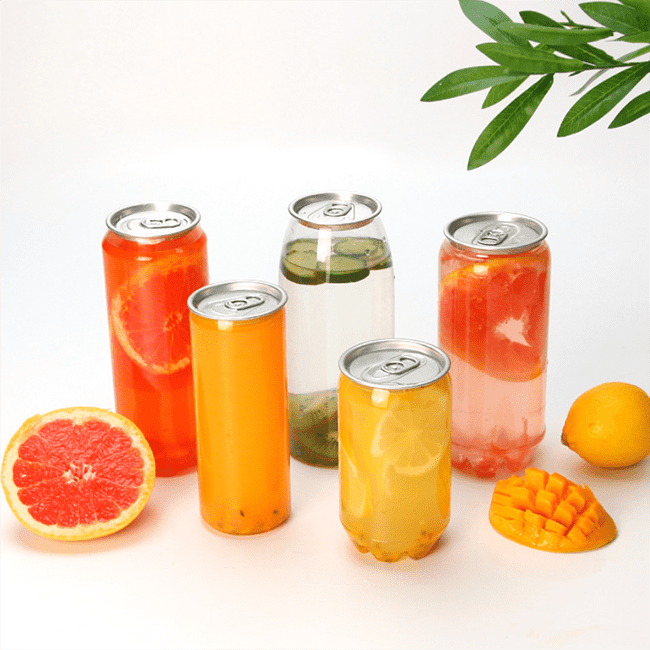
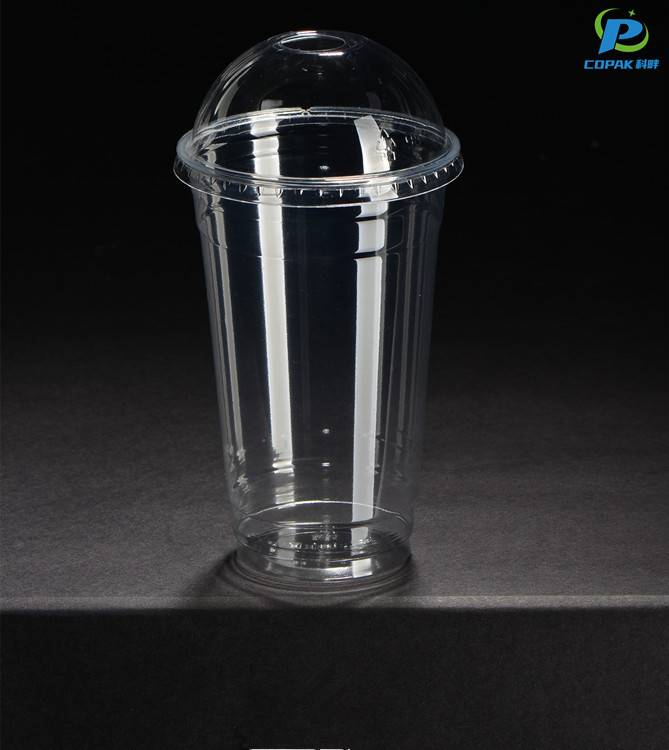
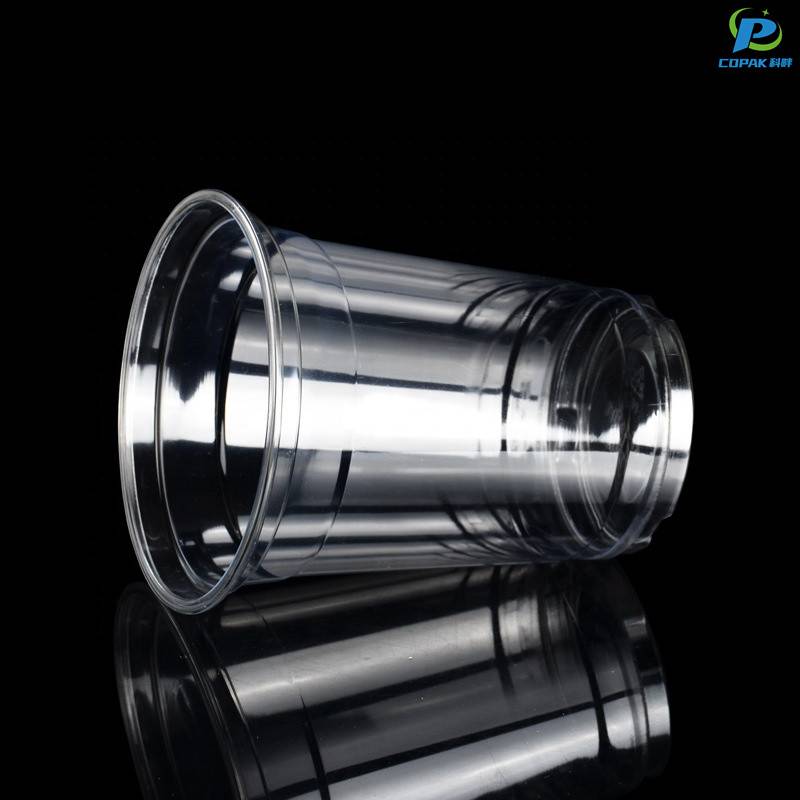
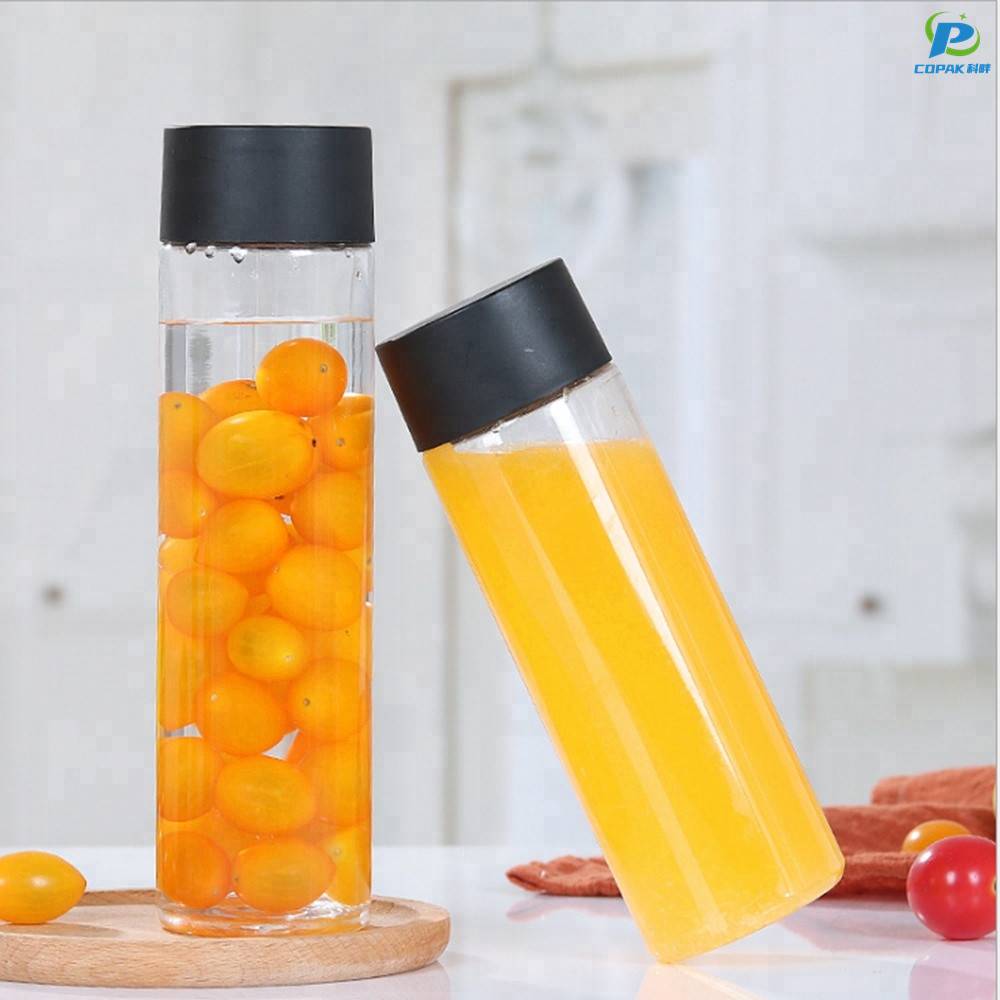
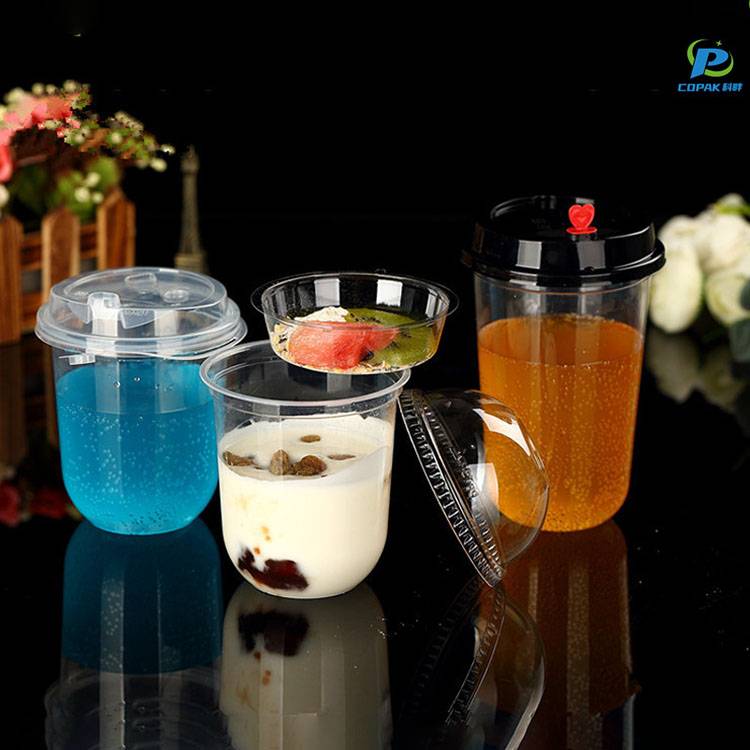
Wholesale 250ml 330ml 500 ml PET Plastic Cups Pop Juice Can Empty Round Bubble Milk Tea Juice Coffee Beverage Bottles
Read More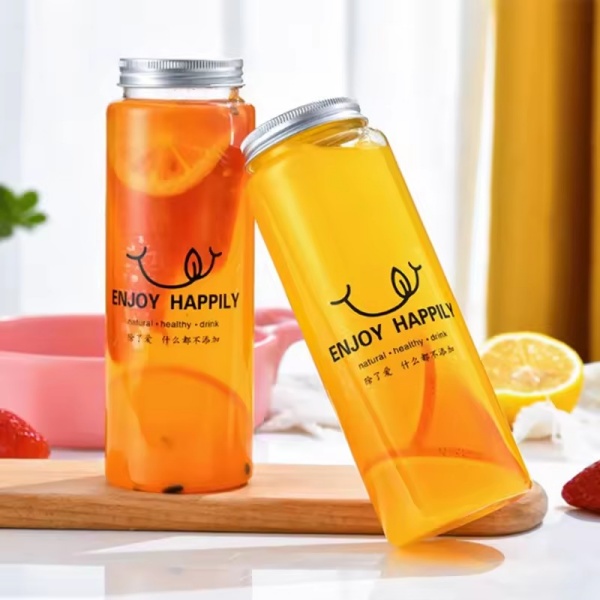
Bulk 12 Oz Plastic Bottles Supplier Stands Out
Top Selling Products





- Related Blog
- Reviews
- Reviews
