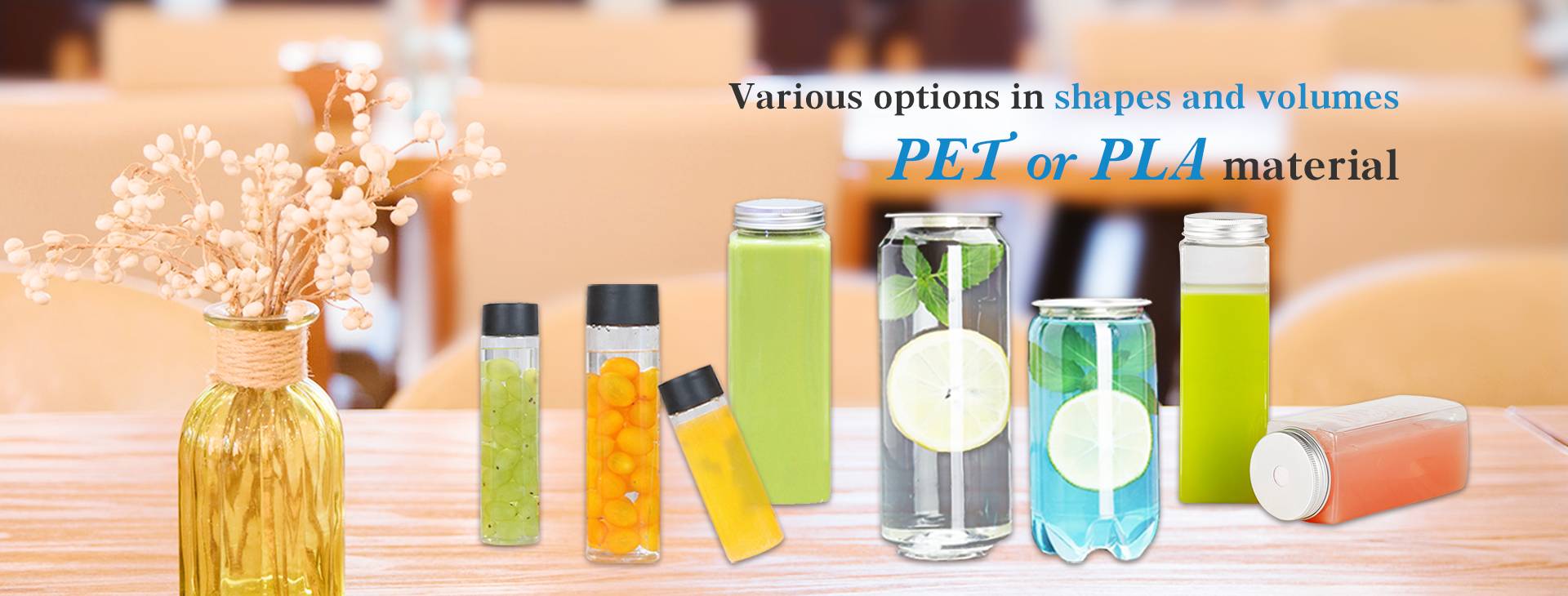
PET Bottles

Condiment Cups With Lids - China Manufacturer for Quality Packaging

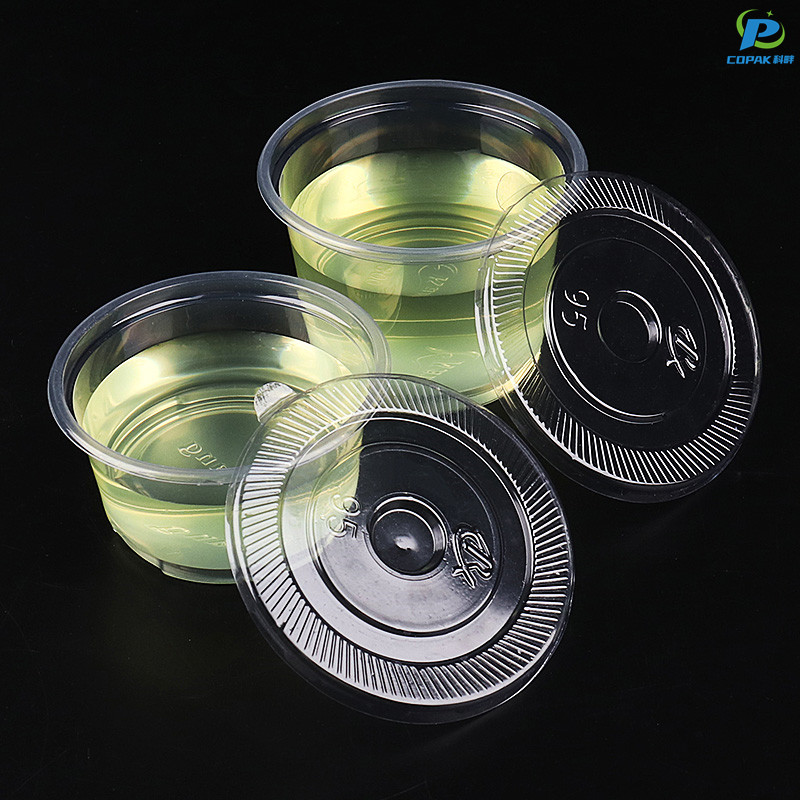
I’m your sourcing partner for Condiment Cups With Lids, proudly based in China. As a Manufacturer with years of experience, I deliver sturdy, leak‑proof cups perfect for sauces, dressings, or samples. Our Condiment Cups With Lids are made from BPA‑free PP, with airtight snap‑on lids that prevent spills during transport and display. I offer 3/4 oz, 1 oz, and 2 oz sizes, plus stackable design and customizable printing or labeling to boost your brand. We can tailor packaging, MOQ, and lead times to fit your project. I guarantee consistent quality, strict material compliance, and competitive pricing. Worldwide shipping is available, and mixed orders are welcome for catalog expansion. If you want reliable service and scale your condiment line from China to the world, I’m ready to partner with you today.
Hot Selling Product

Condiment Cups With Lids Your Trusted OEM Partner Outperforms the Competition

High-performance condiment cups with lids tailored for foodservice and retail buyers deliver the perfect mix of durability, convenience and customization. As a trusted OEM partner, we offer precision-molded designs, leak-resistant lids, and a range of food-safe materials including recyclable and compostable options. From rapid prototyping and custom printing to flexible MOQ and optimized pack sizes, our manufacturing and engineering teams streamline product development so your brand reaches market faster with consistent quality and competitive pricing. Global procurement leaders choose us because robust quality systems, third-party certifications, and stringent in-line inspections ensure every shipment meets regulatory and safety standards. With responsive supply-chain coordination, reliable lead times, and co-development support for sustainable innovations, we help you outperform competitors while reducing cost and environmental impact—delivering condiment solutions buyers trust.

{ Condiment Cups With Lids Your Trusted OEM Partner Outperforms the Competition}

Variant Shape Diameter / Width (mm) Height (mm) Capacity (ml) Lid Type Seal Performance
(1–5)
Material Temp Range (°C) Food-contact Compliance Recyclability / End-of-life Typical Use Case Dimensional Tolerance (±mm) Production Lead Time (weeks)
Variant A Round 35 18 15 Snap-fit lid 4 Polypropylene (PP) -20 to 110 FDA 21 CFR 177.1520; EU 10/2011 Recyclable (PP) Single-serve sauces, dipping ±0.20 4
Variant B Round 50 20 30 Hinged lid 4 Polyethylene Terephthalate (PET) -40 to 80 FDA 21 CFR 177.1630; EU 10/2011 Recyclable (PET) Salad dressings, chilled sauces ±0.25 5
Variant C Round 70 24 60 Tamper-evident lid 5 Polypropylene (PP) -20 to 110 FDA 21 CFR 177.1520; EU 10/2011 Recyclable (PP) Large servings, catering, meal kits ±0.20 6
Variant D Square 45 × 45 22 30 Press-fit lid 3 PLA (polylactic acid) 0 to 60 EN 13432 (industrial compostable) Industrial compostable (PLA) Cold condiments, eco events ±0.30 6–8
Variant E Round 90 26 90 Hinged with gasket 5 HDPE -40 to 120 FDA food-contact compliant; EU 10/2011 Recyclable (HDPE) Meal kits, cold soups, sauces ±0.25 5
Variant F Round (mini) 25 16 10 Snap-on lid 2 Polystyrene (PS) -20 to 70 FDA food-contact compliant Limited recycling (PS) Mini single-serve condiments ±0.35 4
Note: Seal performance is shown on a comparative 1–5 scale based on standardized tilt-and-invert testing. Temperature ranges represent functional limits for short-term exposure; consult technical datasheets for prolonged use cases.

Related Products

Eco Friendly Products

Condiment Cups With Lids Sets the Industry Standard Outperforms the Competition

Condiment Cup Lid Performance: Leakage vs. Adoption Over 12 Months

This chart presents a 12-month comparison of two key performance metrics for condiment cup lid solutions: Leakage Rate (%) and Adoption Index (normalized 0–100). The blue line shows monthly leakage incidents expressed as a percentage of total distributed units, while the orange line shows an adoption index derived from orders, repeat purchase rates, and customer feedback. Data are hypothetical but constructed to illustrate how a lid product can outperform typical alternatives by reducing leaks while increasing user adoption over time. Over the first quarter the leakage rate begins relatively high as new distribution ramps up and initial batches undergo field testing. As iterative design improvements and quality control measures are implemented between months 2 and 4, leakage rates drop steadily. Concurrently the Adoption Index remains moderate at launch, reflecting early adopters and targeted trial programs. When leakage falls below a perceived threshold (around month 4–5), adoption accelerates: fewer complaints and better shelf presentation lead to improved retailer confidence and repeat purchases. Mid-year, the leakage rate stabilizes at a low level while adoption climbs rapidly as word-of-mouth and promotional activity compound. The dual-axis presentation highlights the inverse relationship: lower leakage correlates with higher adoption. Late in the year, adoption growth begins to taper as market penetration approaches saturation, though the leakage rate remains low, indicating durable performance. This visualization can help product managers and operations teams prioritize investments. Reducing leakage yields both direct cost savings and indirect market benefits. Tracking these metrics together supports decisions on material changes, lid redesign, sealing tolerance adjustments, and post-launch monitoring to sustain competitive advantage.

Top Selling Products

Subscribe To Our Newsletter

For inquiries about our products or pricelist, please leave your email to us and we will be in touch within 24 hours.

Follow Us

on our social media
  • whatsapp (1)
  • instagram
  • youtube