



PLA Cup Manufacturer in China | Leading PLA Cup Supplier
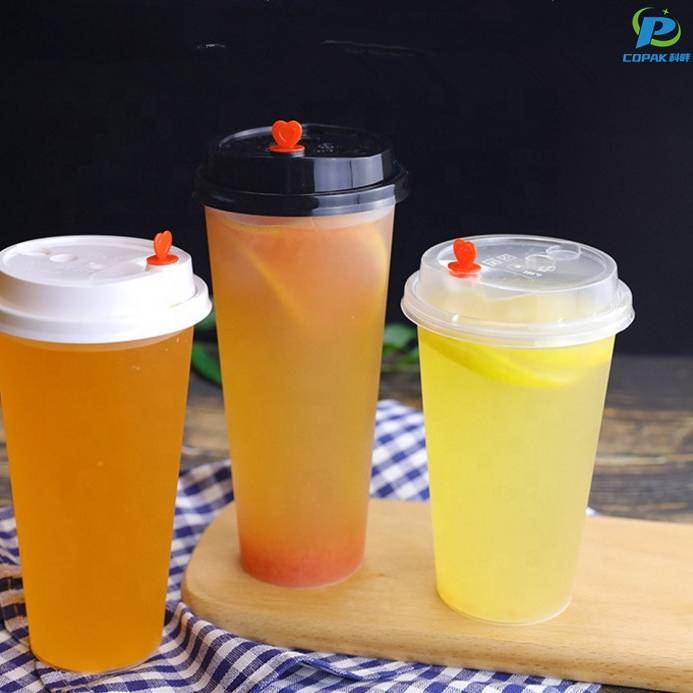
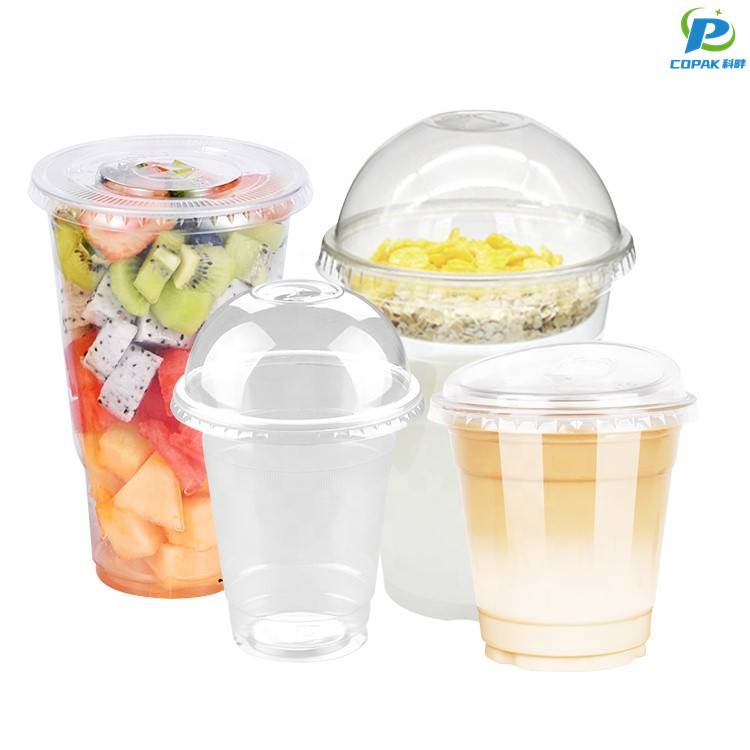
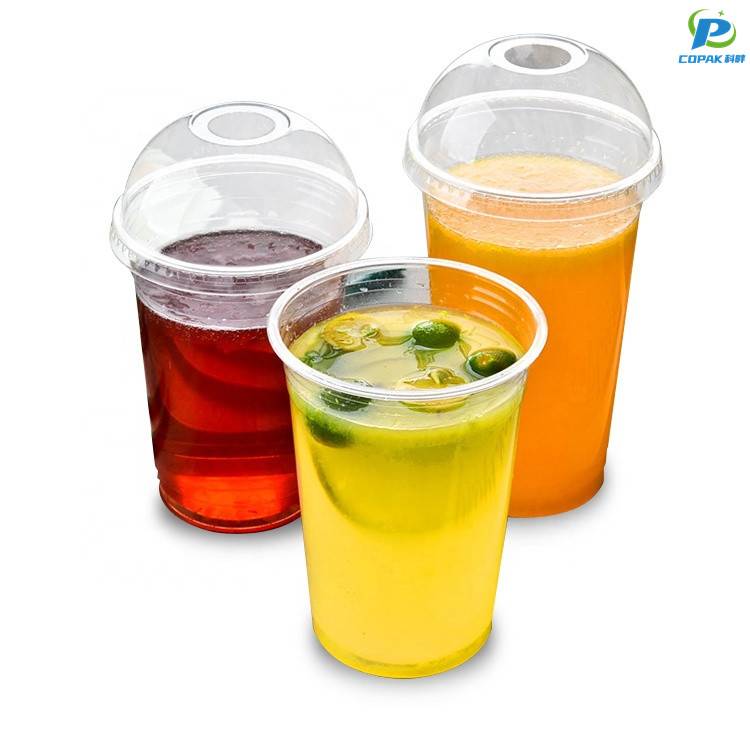
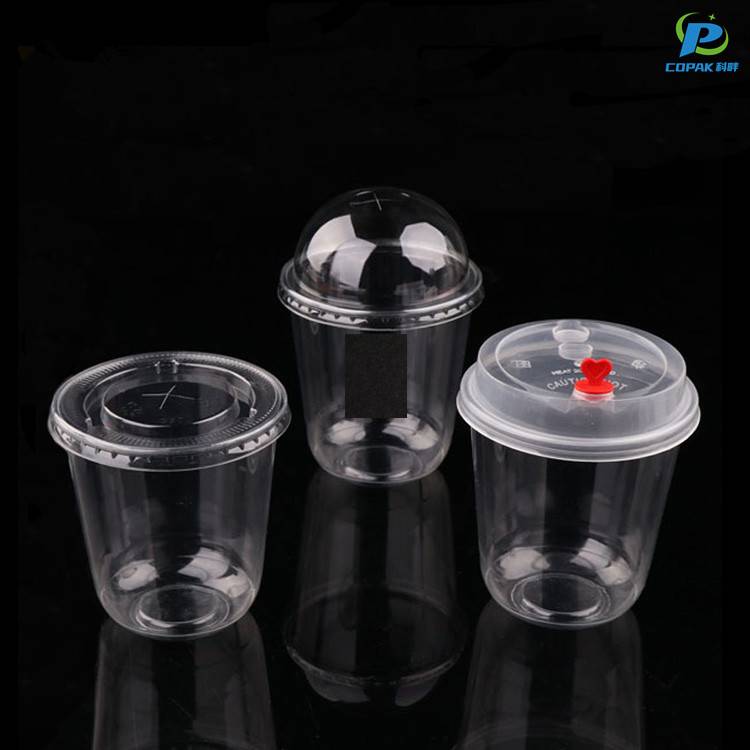
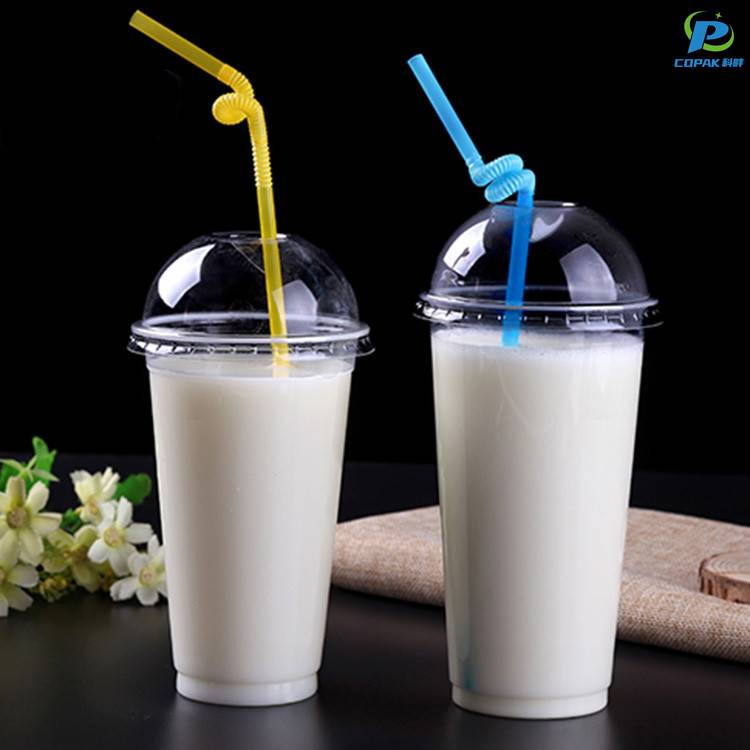
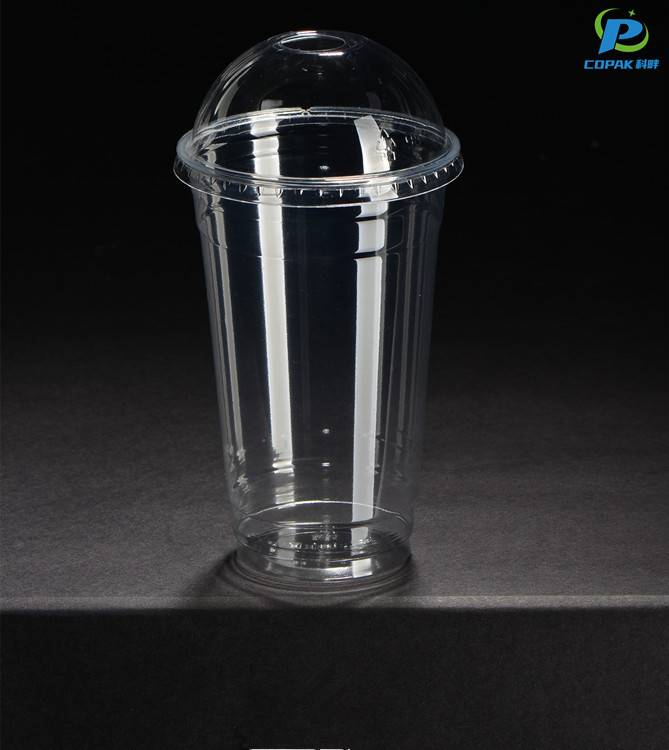
As a China-based Manufacturer, I offer a PLA Cup that fits the needs of foodservice buyers looking for sustainable packaging. This PLA Cup is made from polylactic acid, a compostable resin derived from corn starch, delivering a greener option without sacrificing performance. It offers solid rigidity, excellent leak resistance, and handles cold and room temperatures with ease, sure to handle drinks, smoothies, and desserts. Ideal for retailers, distributors, or brand owners seeking a reliable supply, we provide ISO 9001 quality control, strict batch tracking, and consistent color and weight across runs. Customization options include logo printing and sizes from 8 to 16 oz, plus various lid compatibility. Being a manufacturer in China, we offer competitive pricing, scalable production, and shorter lead times to support your seasonal promotions and big campaigns. If you care about sustainability and cost efficiency, this PLA Cup can help you win buyers in your market.


PLA Cup Application Now Trending
PLA cup applications are rapidly gaining traction across global foodservice and retail markets as brands and consumers prioritize sustainability. Made from renewable plant resources, PLA offers clear, lightweight cups that are compostable in industrial facilities, ideal for cold and room-temperature beverages, desserts and takeout. Their transparency, excellent printability and compatibility with a variety of lids and sizes make them a versatile choice for cafes, chains, festivals, supermarkets and private-label packaging seeking eco-friendly alternatives. For global buyers, PLA cups deliver a practical mix of sustainability, cost-effectiveness and supply reliability. Custom sizes, full-color printing and secure retail-ready packaging support promotional launches, while scalable production and stringent quality control help ensure consistent performance and compliance with international food-contact standards. Adopting PLA cups strengthens sustainable product lines and meets growing consumer demand without sacrificing functionality or margins.
| Metric | Measured / Observed Value | Context & Notes |
|---|---|---|
| Application Areas | Single‑use cold beverage cups, cold-to-warm service cups with barrier coatings, lids and foodservice disposables; also used in blended applications with additives for improved heat resistance. | Suitability depends on cup wall thickness and thermal modification; often paired with insulating sleeves for hot drinks. |
| Material Properties (typical) | Tensile strength ~50–70 MPa; Young’s modulus ~3.0–4.0 GPa; Glass transition (Tg) ~55–65 °C; Melting point ~150–170 °C. | Ranges reflect commercial PLA grades commonly used for thermoforming and injection molding of cups. |
| Thermal Performance | Standard PLA softens near Tg (~55–65 °C); unmodified PLA may deform with hot liquids above ~50–60 °C; heat‑modified or blended grades extend usable range. | Heat-stable variants or coatings are used for hot beverage applications. |
| Industrial Compostability | Typically disintegrates and biodegrades within ~60–90 days under industrial composting conditions (controlled temperature, humidity, microbial activity). | Performance aligns with standards such as EN 13432 and ASTM D6400 when conditions are met. |
| Home Composting | Biodegradation under home compost conditions is slow or incomplete; noticeable breakdown may take many months to years at ambient temperatures. | Home composting temperatures rarely reach levels needed for rapid PLA biodegradation. |
| Recycling & Circularity | Mechanical recycling streams for PLA are limited; reported collection/recycling rates are low globally (<5%). Chemical recycling methods are under development and pilot scale. | Proper sorting and dedicated recycling streams improve circularity but remain uncommon in many regions. |
| Market Position | PLA accounts for an estimated ~20–30% of bioplastics production; bioplastics represent about ~1% of total global plastics production (recent industry estimates). | Share varies regionally and by year; growth driven by packaging and disposable foodservice demand. |
| Adoption Trend | Search interest and product launches show increasing attention; estimated production capacity CAGR in recent years ~15–20% (industry-wide projections, 2020–2025). | Growth supported by investments in biopolymer capacity and rising consumer interest in compostable options. |
| Environmental Impact (typical) | Cradle-to-gate GHG emissions often reported ~20–30% lower than equivalent fossil-based PET or polystyrene for comparable products, depending on feedstock sourcing and energy mix. | Lifecycle outcomes vary widely; benefits depend on end-of-life handling and local waste infrastructure. |
| Regulatory & Standards | Relevant standards: EN 13432, ASTM D6400 for compostability; labeling and marketing guidance aim to prevent consumer confusion about disposal. | Compliance with recognized standards recommended before "compostable" claims are made. |
| Consumer Perception | High perceived compostability and sustainability appeal, but confusion exists regarding appropriate disposal (industrial compost vs recycling or landfill). | Clear labeling and local collection options improve correct end‑of‑life outcomes. |
Related Products




PLA Cup Industry Giant Ahead of the Curve
Top Selling Products





- Related Blog
- Reviews
- Reviews
