



Cold Drink Cup - China Manufacturer
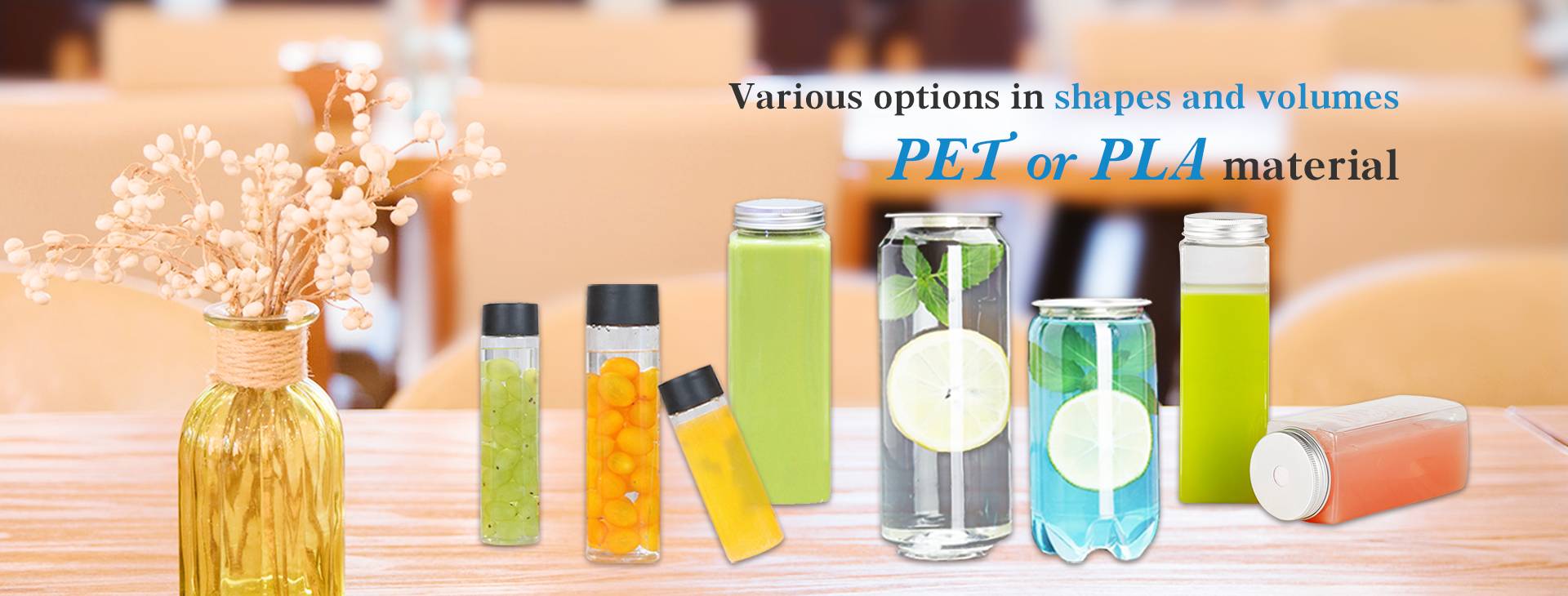
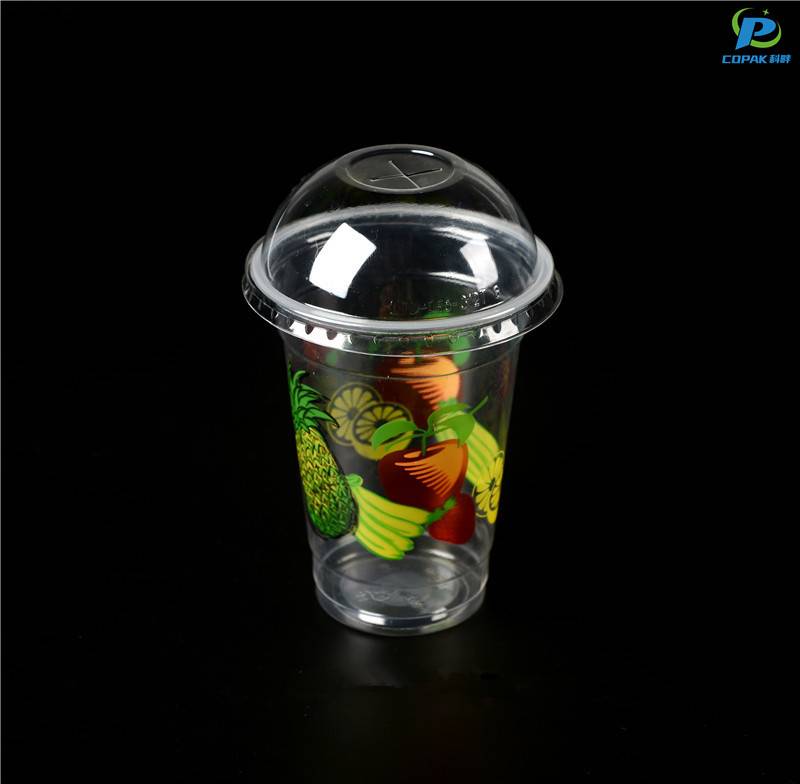
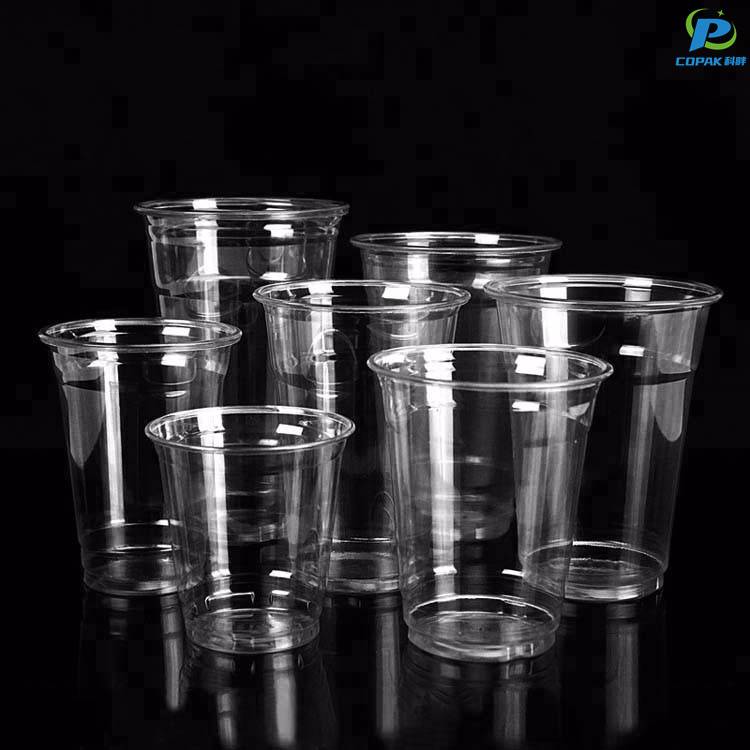
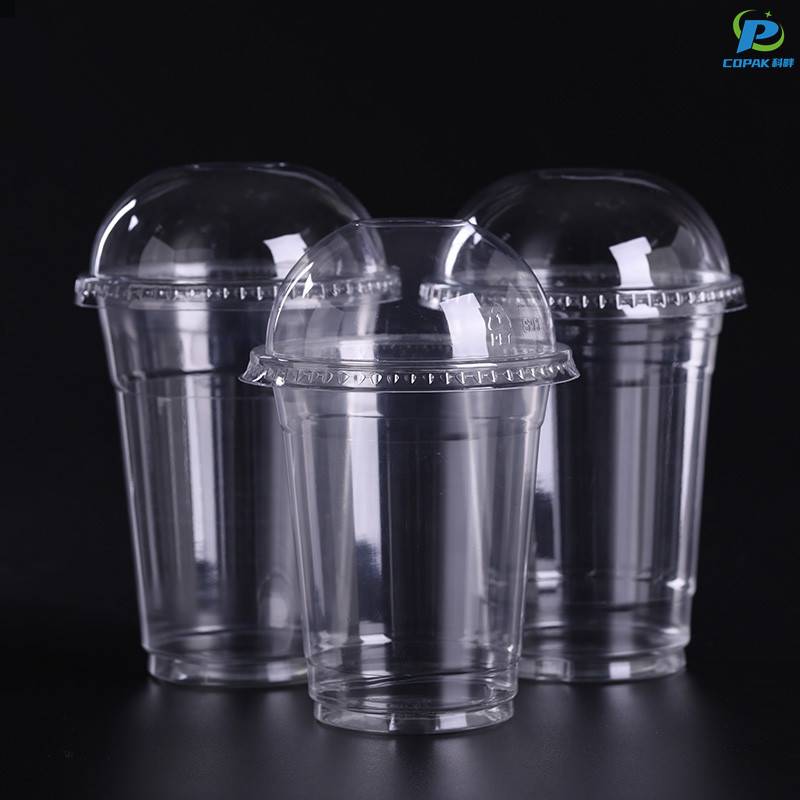
From a China-based manufacturer, I supply dependable Cold Drink Cup solutions for cafes, restaurants, and event caterers. As a buyer-ready supplier, I understand what B2B purchasers look for: durable material, leak-proof lids, stackable design, customizable branding, and competitive MOQs. Our Cold Drink Cup is made from food-grade PET / PP, BPA-free, with heat resistance and clear clarity to showcase beverages. We offer various sizes, 12 oz, 16 oz, 20 oz; fit standard cup sleeves; compatible with standard lids and straws. I can provide customization—logo printing, color schemes, packaging options. We deliver fast sampling, scalable production, and reliable QA, with strict QC from raw material to finished product. For buyers in China and globally, I strive to ensure on-time delivery, competitive pricing, and flexible terms. If you need a trusted China manufacturer for your beverage service, I’m ready to discuss your order quantities and lead times for the Cold Drink Cup.




Cold Drink Cup Is The Best Service Backed by Expertise
A premium cold drink cup offering is more than a product—it's a service built on deep manufacturing expertise and strict quality assurance. Our team combines advanced materials (biodegradable options, PET, PP), precision molding and insulation know-how to deliver cups that preserve taste, resist condensation and meet global safety standards (FDA/LFGB/EU). Flexible capacities, full-color printing and custom designs ensure brand visibility while sustainable choices reduce environmental impact. For global buyers, reliable supply chain management, sample-driven R&D and responsive quality control translate to predictable lead times and competitive pricing. We support small-batch testing up to large-scale production, provide necessary compliance documentation, and coordinate logistics for timely delivery worldwide. Partner with an experienced supplier to turn your cold beverage concepts into consistent, market-ready solutions.
| Cup Type | Material (Common) | Typical Capacity (ml) | Manufacturing Process | Lid / Straw Compatibility | Insulation | Temperature Range | Certifications / Compliance | End-of-life / Recyclability | Clarity | Durability | Sustainability | Notes |
|---|---|---|---|---|---|---|---|---|---|---|---|---|
| PET clear cup | Polyethylene terephthalate (PET) | 200 · 350 · 500 | Injection stretch blow molding (ISBM) / Thermoforming | Snap-fit dome lids; straw-friendly | Single-wall (low insulation) | -20°C to 40°C | Compliant with FDA (CFR Title 21), EU Reg. 10/2011 | Recyclable where PET streams exist (Recycle code 1) | 5/5 | 3/5 | 2/5 | High optical clarity, common for cold soft drinks & iced coffee; mono-material PET eases mechanical recycling. |
| PP reusable/clear-translucent cup | Polypropylene (PP) | 300 · 400 · 600 | Injection molding / Thermoforming | Flat lids, snap lids; straw-compatible variants | Single-wall or double-wall (reusable models) | -10°C to 80°C | FDA, EU food contact compliant | Recyclable in PP streams (Recycle code 5); widely reusable | 3/5 | 4/5 | 3/5 | Good durability for repeated use; available in translucent or solid colors; heat-resistant for brief warm exposure. |
| PLA compostable cup | Polylactic acid (PLA) – bio‑based | 250 · 350 · 500 | Thermoforming / Extrusion forming | Compatible with paper/plastic lids and straws designed for PLA | Single-wall (low insulation) | -5°C to 40°C (avoid high heat) | EN 13432 / ASTM D6400 (industrial compostability); food contact compliant | Industrial composting preferred; not widely accepted in curbside recycling | 4/5 | 2/5 | 4/5 | Good clarity and lower fossil-carbon footprint; requires industrial composting to realize end‑of‑life benefits. |
| Paper cold cup (coated) | Paperboard with PE or PLA coating | 200 · 300 · 400 | Cup forming / Roll-to-roll forming | Flat or dome lids; commonly straw-compatible | Single-wall (low insulation) | -10°C to 30°C | Food contact compliant (FDA / EU as applicable) | Recyclability depends on coating: PE-lined often not accepted curbside; PLA lining can enable industrial composting | 1/5 | 3/5 | 2/5 | Widely used for cold drinks at events; end-of-life handling varies by local facilities—clarify coating type for proper disposal. |
| Double-wall insulated plastic cup | Polypropylene (double-wall) or co-molded plastics | 350 · 500 · 700 | Injection molding, assembly | Threaded or snap lids; straw options available | Double-wall air gap (improved insulation) | -20°C to 60°C | Food contact compliant; reusable product standards | Often recyclable as PP (code 5) when processed correctly; designed for reuse | 2/5 | 4/5 | 3/5 | Reduces condensation and keeps cold drinks cooler longer; favored for reusable cup programs. |
| Vacuum‑insulated stainless steel tumbler | 304 / 18/8 stainless steel (inner & outer) | 300 · 500 · 900 | Metal forming, welding, vacuum insulation | Threaded insulated lids; many models have straw inserts | Vacuum insulation (high performance) | -40°C to 100°C | Food-grade stainless standards; food contact compliant | Highly recyclable as metal scrap; designed for long-term reuse | 1/5 | 5/5 | 4/5 | Best-in-class thermal performance and longevity; heavier but excellent for condensation-free cold service. |
Related Products


Cold Drink Cup Products Where Service Meets Innovation
Top Selling Products





- Related Blog
- Reviews
- Reviews
