



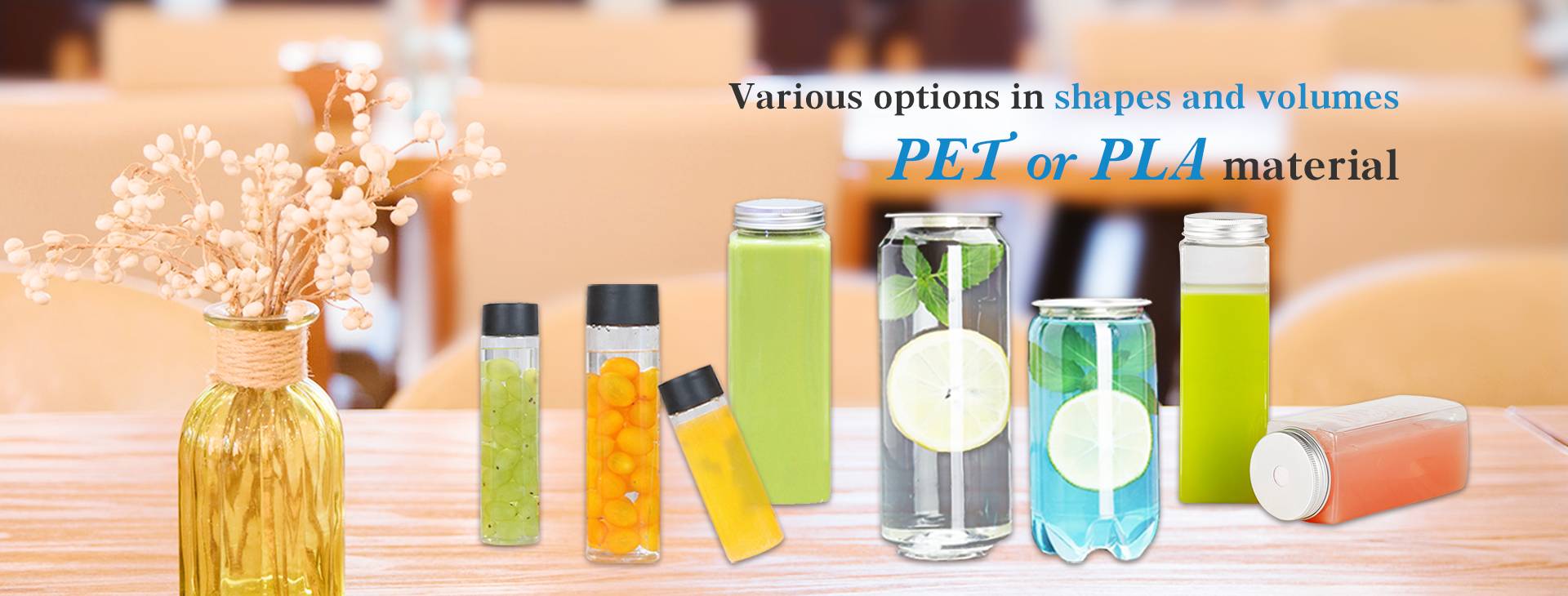
8 Ounce Plastic Cups - China Manufacturer
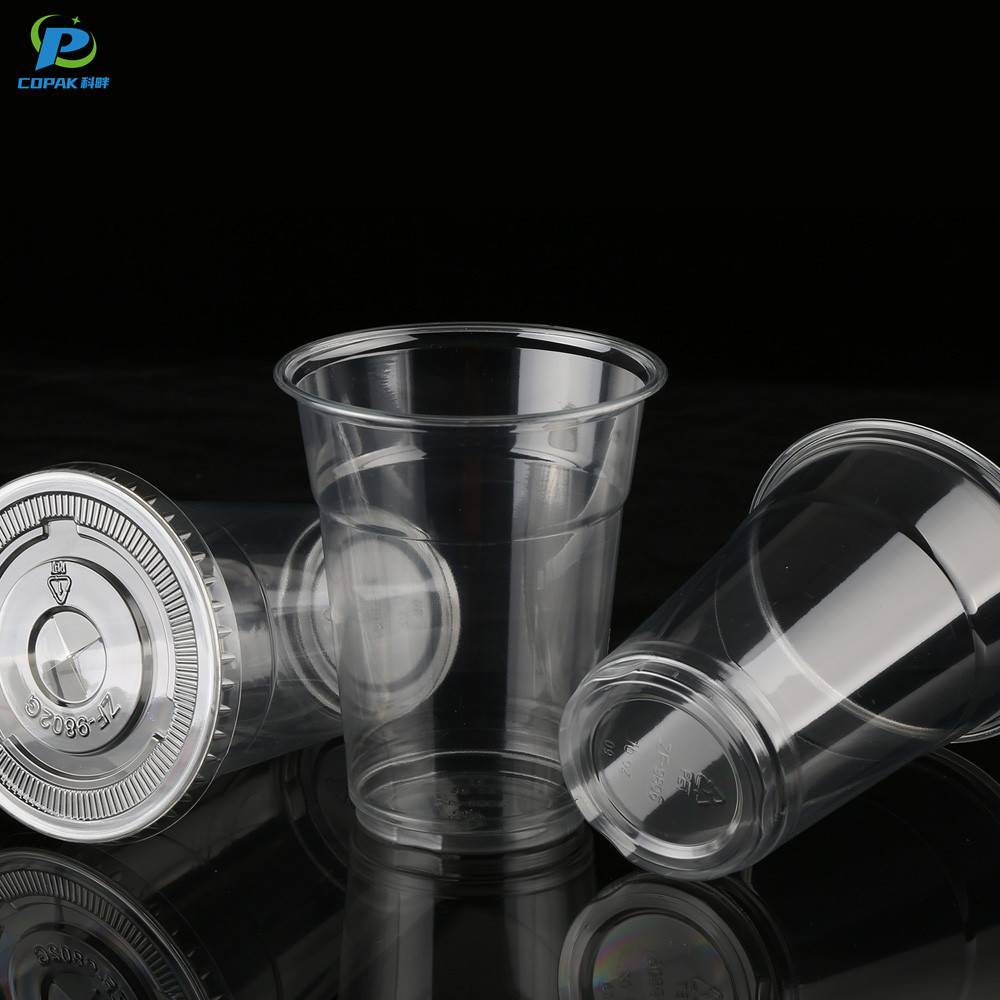
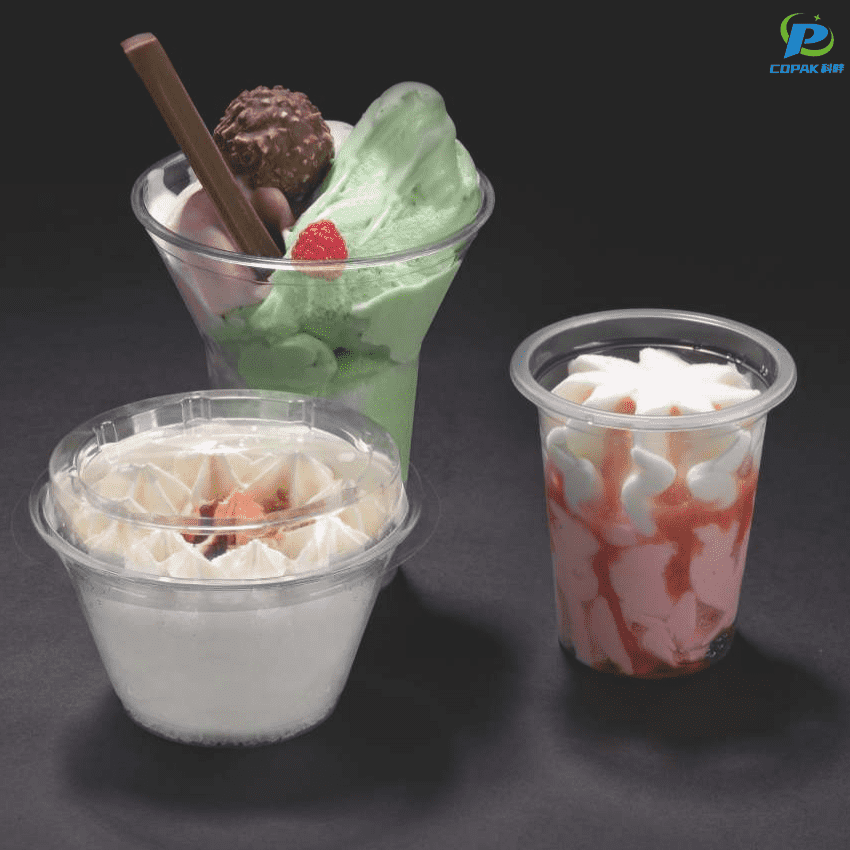
From my factory in China, I am a proud manufacturer of 8 Ounce Plastic Cups, built for busy cafés, events, and distributors who care about quality and cost. I use food-grade, BPA-free plastic and design them to be crystal clear, sturdy, and easy to stack. The 8 Ounce Plastic Cups seal tight and resist cracking during service, which means less waste and happier customers. I can offer quick re-stocking, flexible MOQ, and custom printing options to fit your brand. Whether you need plain cups in standard packaging or branded cups with your logo, I’ve got you covered. My team and I handle production, quality control, and on-time delivery straight to your warehouse. If you are a retailer, wholesaler, or foodservice chain looking for a reliable China Manufacturer, let us talk about volumes, pricing, and lead times to fit your demand.


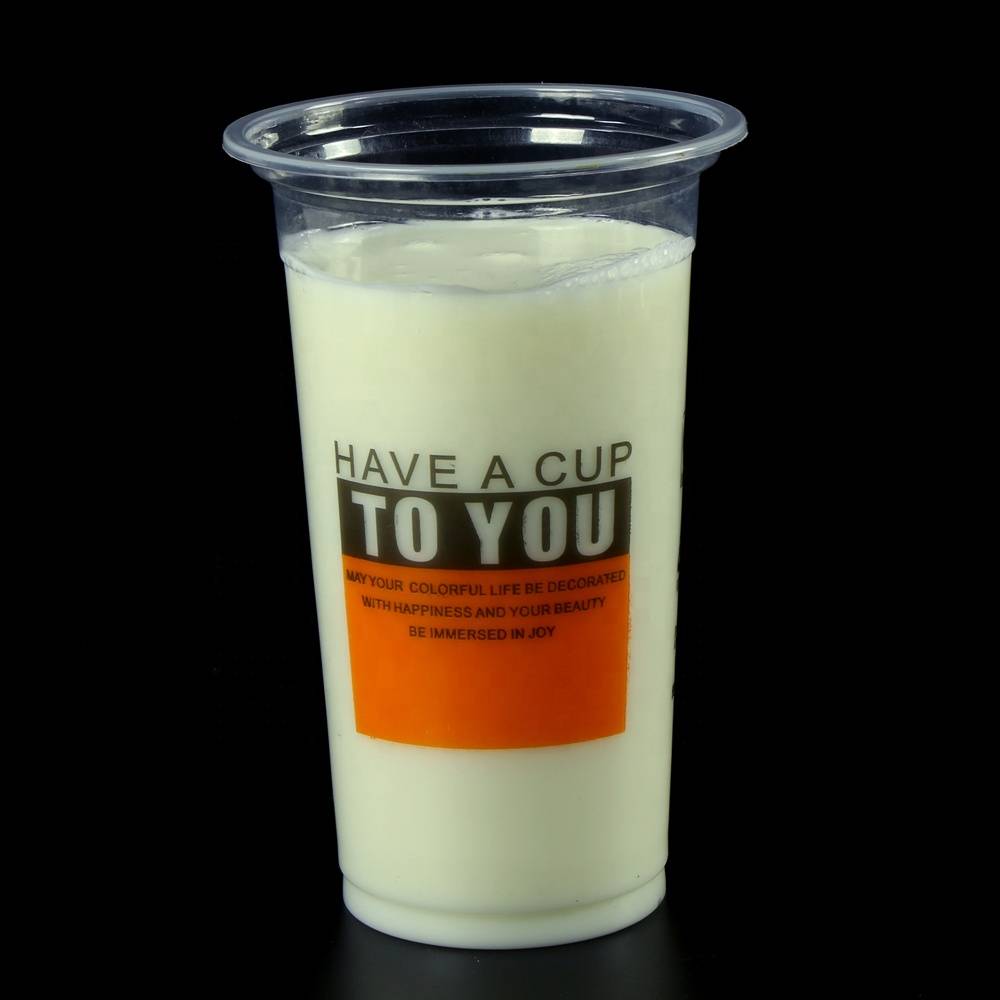
8 Ounce Plastic Cups Trusted by Pros Exceeds Industry Benchmarks
Designed for professionals, these 8-ounce plastic cups combine durability, crystal clarity and precise capacity control to outperform industry benchmarks. Engineered with reinforced rims and optimal wall thickness, they resist cracking, maintain shape under refrigeration and shaking, and stack neatly for efficient storage. High-clarity polymers showcase beverages while smooth rims and secure fits reduce spills in fast-paced foodservice, catering and retail environments. Manufactured to meet global safety and quality standards (FDA, EU/LFGB, ISO), options include recyclable polypropylene, compostable PLA or premium virgin resin, with custom printing and color choices. Consistent dimensions, tight tolerances and batch-level QC ensure predictable performance for large contracts. Competitive pricing, flexible minimums and reliable lead times make these 8 oz cups a pragmatic choice for procurement teams seeking performance, sustainability and cost control.
| Parameter | Specification | Notes |
|---|---|---|
| Nominal Capacity | 8 fl oz (U.S.) / 237 mL | Standard beverage capacity for portion control |
| Typical Fill (Max Recommended) | 9 fl oz / ~270 mL | Allow headspace for lids and spill margin |
| Height | 3.5 in / 89 mm | Common profile for 8 oz disposable cups |
| Top Diameter (outer) | 3.25 in / 83 mm | Typical lid-compatible outer diameter |
| Base Diameter | 1.75 in / 44 mm | Tapered design for nesting and stability |
| Wall Thickness (typical) | 0.20–0.30 mm (200–300 µm) | Varies by material and rigidity requirements |
| Average Weight per Cup | PET: ~6.5 g · PP: ~8.0 g · PLA: ~7.5 g | Values are typical manufacturing averages (single-cup) |
| Material Options | PET (Polyethylene Terephthalate) · PP (Polypropylene) · PLA (Polylactic Acid) | PET high-clarity, PP higher heat tolerance, PLA industrial-compostable |
| Resin Identification | PET (#1) · PP (#5) · PLA (compostable codes vary) | Recycling acceptance depends on local infrastructure |
| Optical Properties (Visible Light) | PET transmittance >90% (haze 3–8%) · PP 60–75% (haze 25–40%) · PLA 80–90% (haze 10–20%) | PET offers the clearest presentation for cold beverages |
| Thermal Performance (Service Temperature) | PET: up to ~60°C · PP: up to ~100°C · PLA: up to ~50°C | PET not recommended for hot liquids; PP suitable for hot service when specified |
| Microwave / Hot-Liquid Suitability | PET: Not recommended · PP: Generally microwave-safe (manufacturer guidance) · PLA: Not microwave-safe | Use only items explicitly labeled microwave-safe for reheating |
| Stacking & Static Load | 50-cup stack sustains ~2.5 kg static load for 24 h without deformation (typical) | Bench comparison used as industry stacking benchmark |
| Drop/Impact Performance | Single-drop from 1.2 m (filled to 80%): pass rate >95% in standard lab trials | Performance varies with cup thickness and fill level |
| Food-Contact Compliance | Meets common food-contact requirements (e.g., FDA food-contact guidance and relevant EU plastics regulations) | Compliant formulations and additives required for regulatory claims |
| Compost / Recycling Notes | PET: Widely recyclable where accepted · PP: Recyclable but localized · PLA: Industrially compostable (EN 13432) | Verify local sorting rules; PLA not accepted in standard PET streams |
| Typical Use Cases | Cold beverages, sampling, tasting portions, catered events, on-the-go drinks | Select material by temperature and end-of-life goals |
| Common Lid Interface | Compatible with snap-on lids sized for ~83 mm outer diameter | Lid compatibility specified by matching top diameter and bead profile |
| Environmental Notes | Lightweight design reduces transport emissions; end-of-life route determines overall footprint | Choosing recycled-content resin lowers embodied carbon |
Related Products
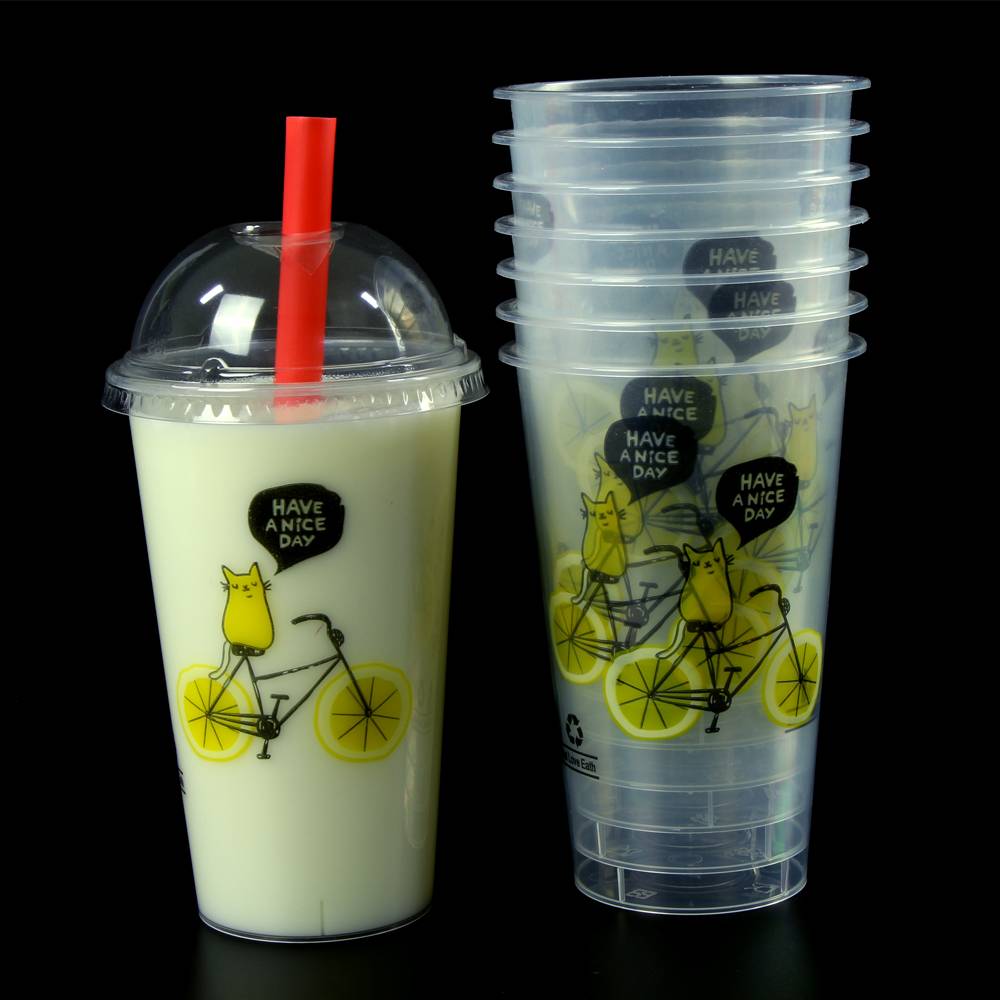
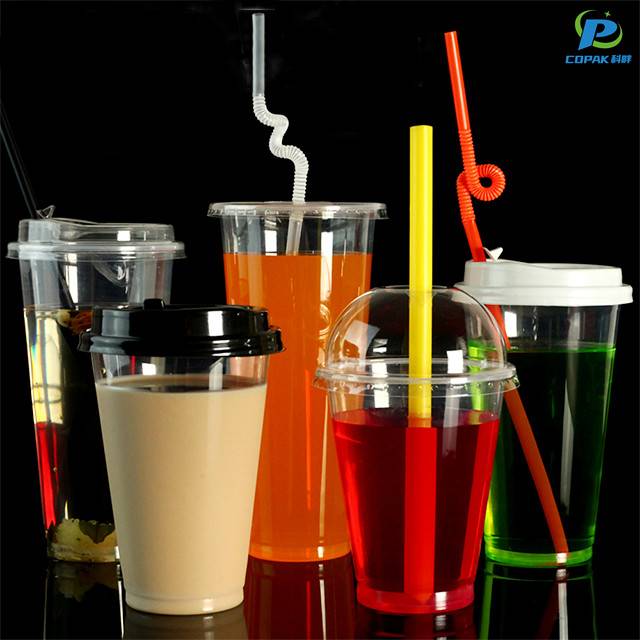


8 Ounce Plastic Cups Stands Out Guarantees Peak Performance
Top Selling Products



- Related Blog
- Reviews
- Reviews
