



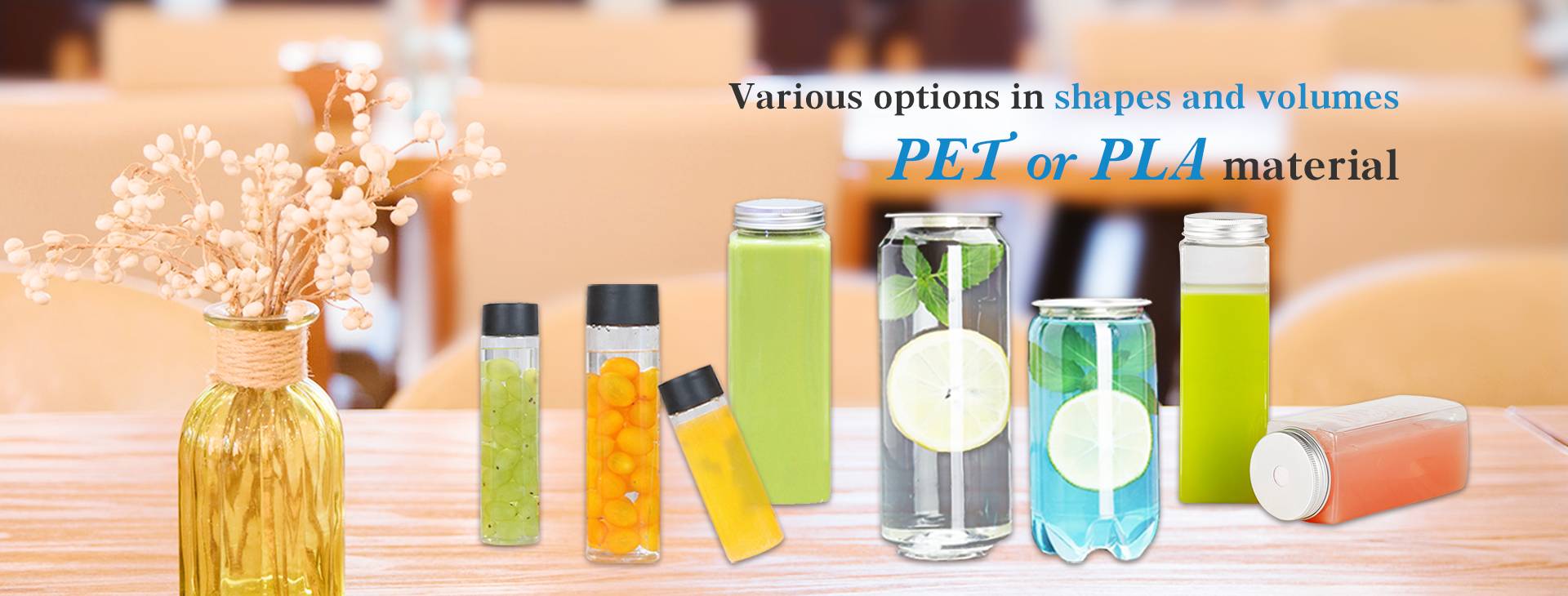
12 Ounce Plastic Bottles - China Manufacturer
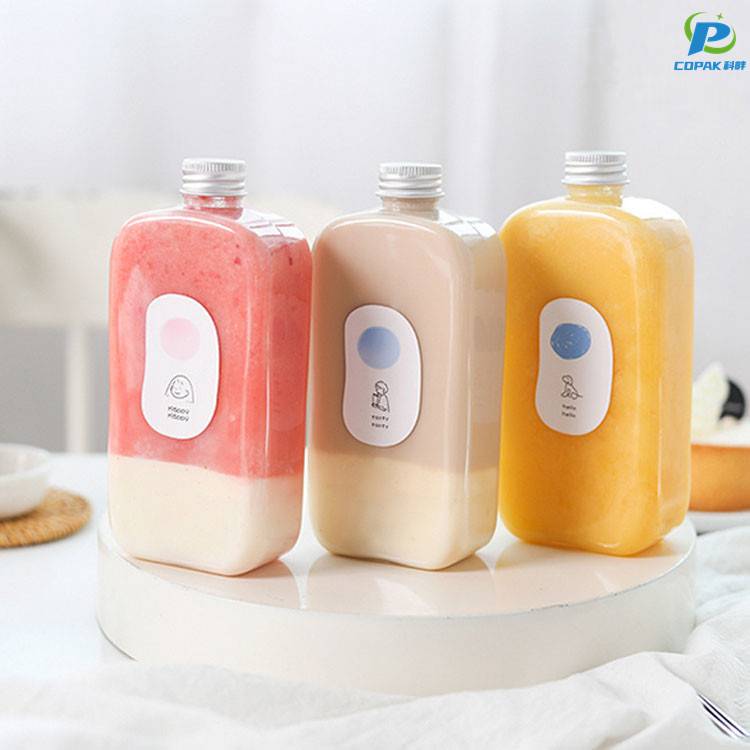
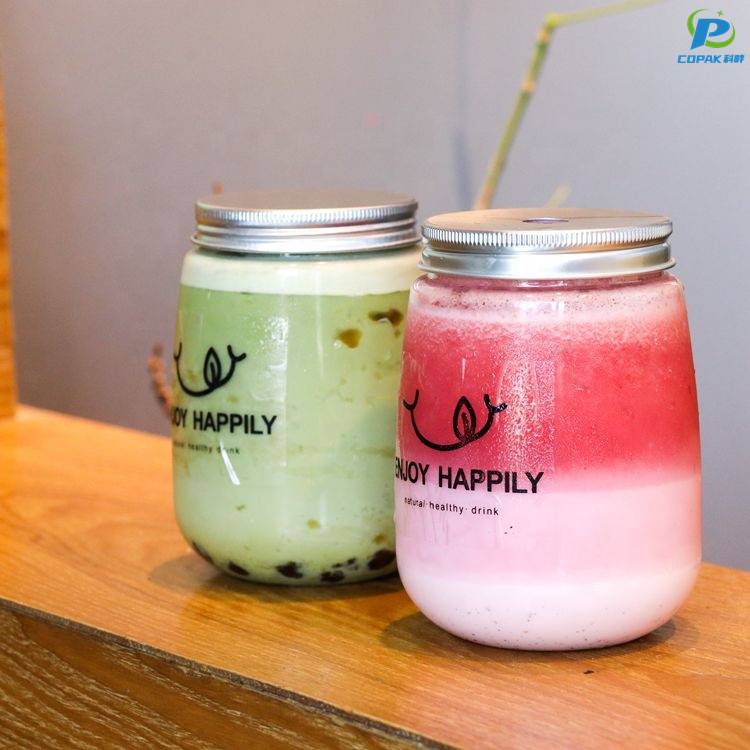
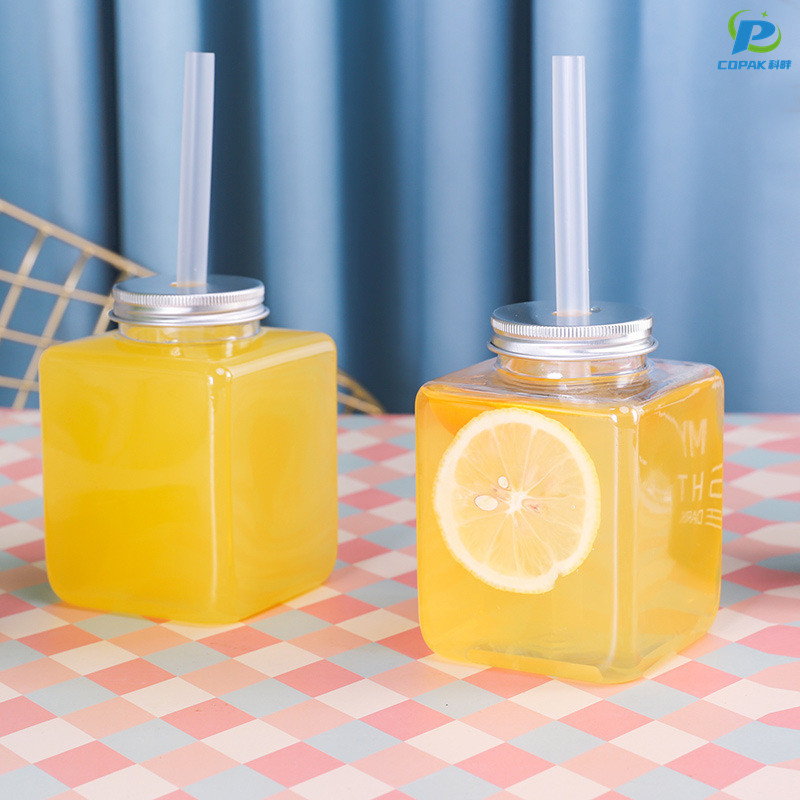
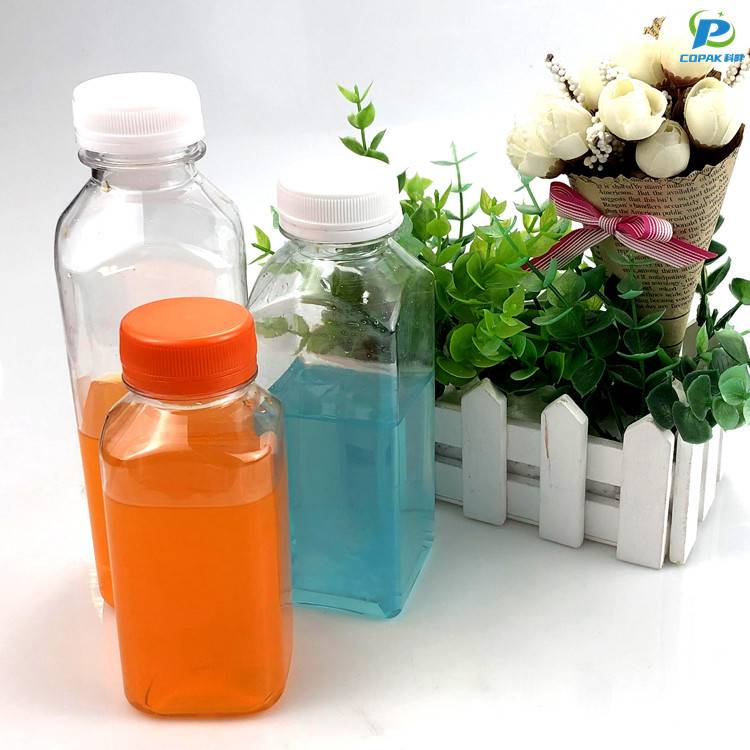
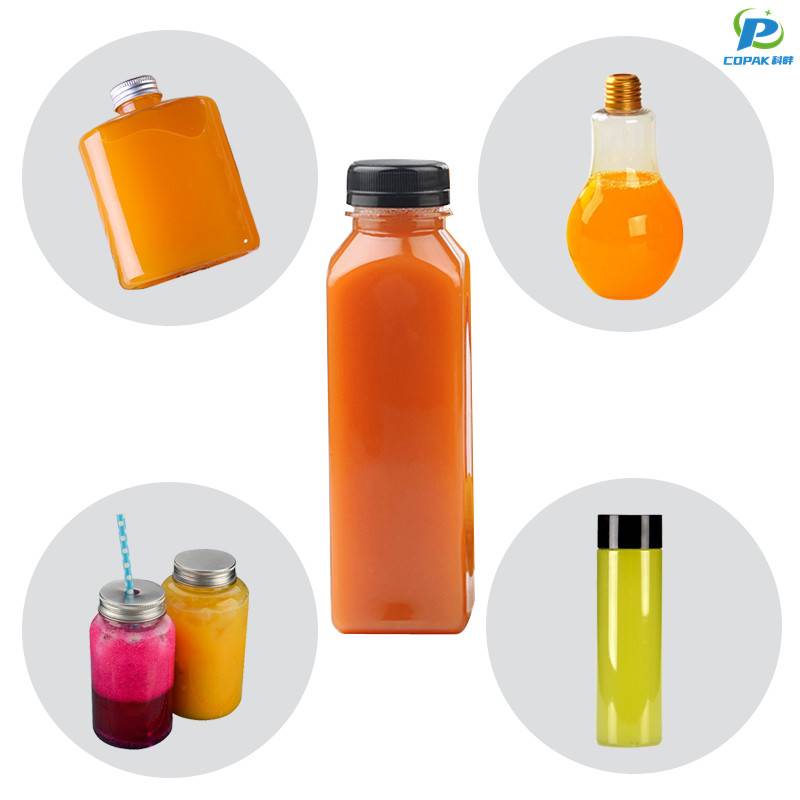
I offer {12 Ounce Plastic Bottles} designed for cosmetics, fragrances, and household products. As a buyer in {China}, I know how crucial it is to work with a dependable {Manufacturer} who can deliver consistent quality, small or large runs, and fast lead times. These bottles are sturdy PET, with smooth neck finish and leak-proof caps optional; I can customize colors, labeling, and sizes to match your brand. I maintain inventory and ship worldwide, with flexible payment terms for long-term partnerships. You can count on clear documentation, sample approvals, and quality control at every batch. We handle private labeling and can provide packaging solutions that fit your logistics. Our goal is to build trust through transparent pricing and reliable delivery. If you need more detail, our company profile is {} and we are ready to discuss your needs.


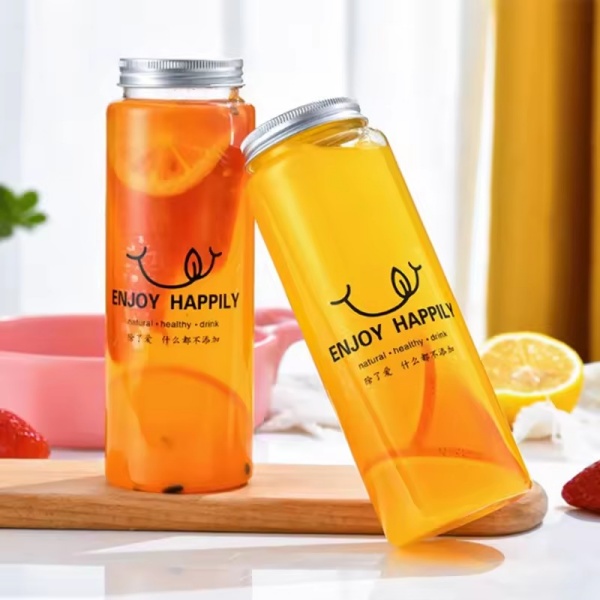
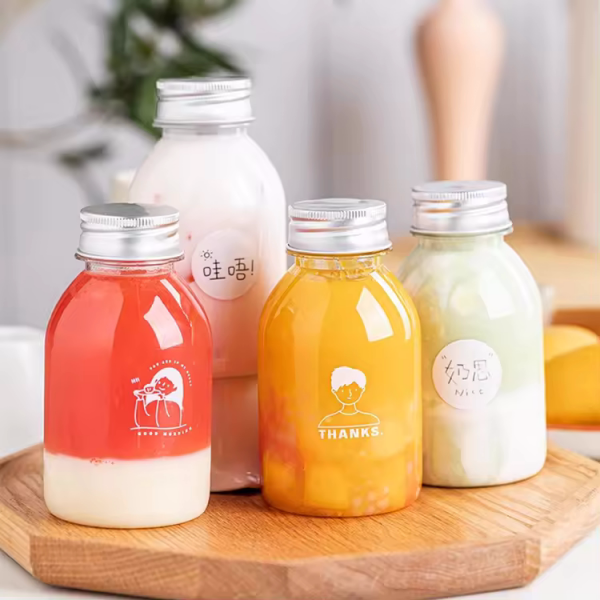
12 Ounce Plastic Bottles Sets the Industry Standard Delivers Unmatched Quality
The 12-ounce plastic bottle has become the industry benchmark by delivering consistent, high-performance packaging that meets the exacting needs of global buyers. Engineered from food-grade materials with precision injection/blow molding, these bottles offer excellent clarity, lightweight strength, and reliable barrier properties for liquids, condiments, and personal care products. Tight tolerances, uniform wall thickness, and tamper-evident neck finishes ensure leak-proof performance and smooth compatibility with standard closures and filling lines. For procurement teams focused on cost-efficiency and supply reliability, these bottles combine scalable production, customizable aesthetics (colors, gloss, labeling, and neck finishes), and sustainable options such as recyclable grades and PCR blends. Rigorous quality control and compliance with international food-contact and safety standards minimize risk across supply chains, while flexible MOQ and logistics solutions support fast turnarounds. The result is a dependable, value-driven packaging solution that streamlines sourcing and enhances product presentation worldwide.
| Parameter | Specification | Typical Range / Notes |
|---|---|---|
| Nominal internal volume | 355 mL (12 fl oz) | Industry standard beverage volume (±5 mL tolerance) |
| Height (overall) | ≈ 150–165 mm | Depends on neck finish and base design |
| Base diameter | ≈ 55–65 mm | Stable base designs vary by application |
| Label panel | Typical 95–110 mm width × 65–80 mm height | Suitable for full-wrap shrink or pressure-sensitive labels |
| Material | PET (Polyethylene Terephthalate) | Common for beverages due to clarity and barrier properties |
| Recyclability | Recyclable resin code: PET (#1) | Widely accepted in curbside programs; rPET feasible |
| Typical empty weight | 18–22 g | Depends on wall thickness and base structure |
| Wall thickness | 0.35–0.70 mm | Typical preform/stretch-blow-molded range; tolerance ±0.05 mm |
| Neck finish / Closure | 28-400 (screw), sport and flip-top options | 28-400 is common for 12 oz beverage bottles |
| Manufacturing method | Injection stretch blow molding (ISBM) | Standard for PET bottles with consistent clarity and strength |
| Typical cycle time | 3–7 seconds per bottle (high-speed lines) | Depends on machine, mold cavitation and cooling |
| Designed carbonation rating | Up to 4.5 bar (cold fill) | Pressure rating varies with wall profile and base design |
| Oxygen transmission rate (OTR) | ≈ 2–8 cc/m²·day (23°C, 0% RH reference varies by spec) | PET has moderate OTR; coatings or multilayer improve barrier |
| Water vapor transmission rate (WVTR) | ≈ 0.2–0.5 g/m²·day | Typical for PET; barrier treatments lower WVTR |
| Tensile strength (bulk PET) | ≈ 55–75 MPa (ultimate tensile strength) | Material property reference; final bottle strength depends on design |
| Heat deflection / glass transition | Tg ≈ 70°C; practical service up to ≈ 60°C | Avoid hot-fill above design temp unless specified for hot-fill PET |
| Typical applications | Still water, juices, iced teas, sports drinks, condiments, personal care | Versatile across liquid categories; closure selection driven by application |
| Recycled content (rPET) | Feasible 25–100% depending on barrier and regulatory needs | Higher rPET may require additive or process adjustments |
| Regulatory / food contact | Complies with relevant food-contact regulations | Typical references: FDA 21 CFR 177.1630, EU Reg. No 10/2011 (material dependent) |
| Recommended storage | Cool, dry, away from direct sunlight | Prolongs shelf life and maintains appearance; avoid >40°C |
| Environmental footprint (cradle-to-gate) | ≈ 30–60 g CO2e per empty 12 oz PET bottle | Range varies with recycled content and manufacturing energy mix |
Related Products
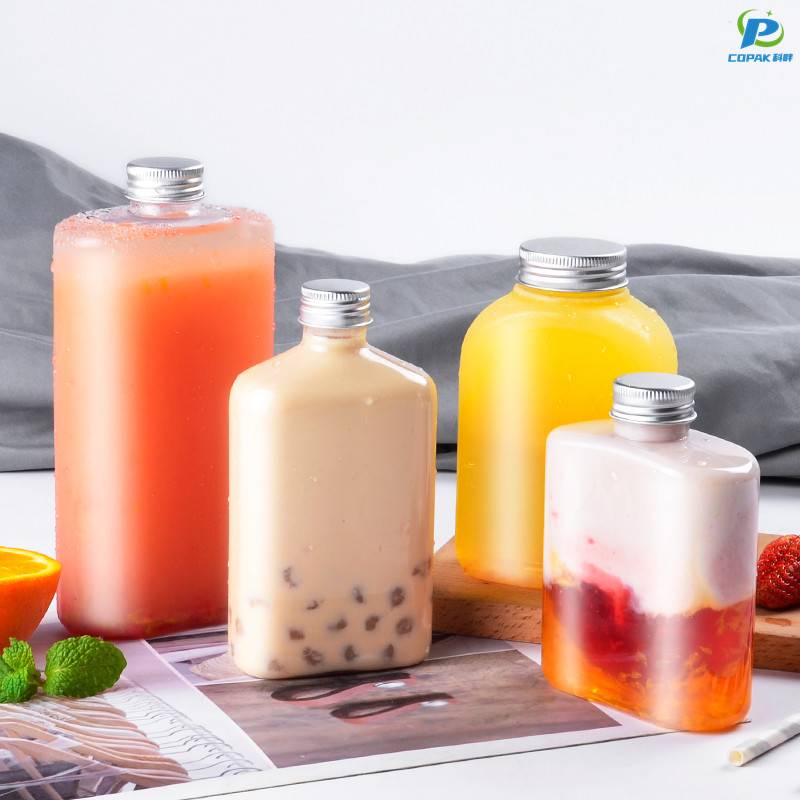

12 Ounce Plastic Bottles Now Trending Guarantees Peak Performance
Top Selling Products



- Related Blog
- Reviews
- Reviews
