



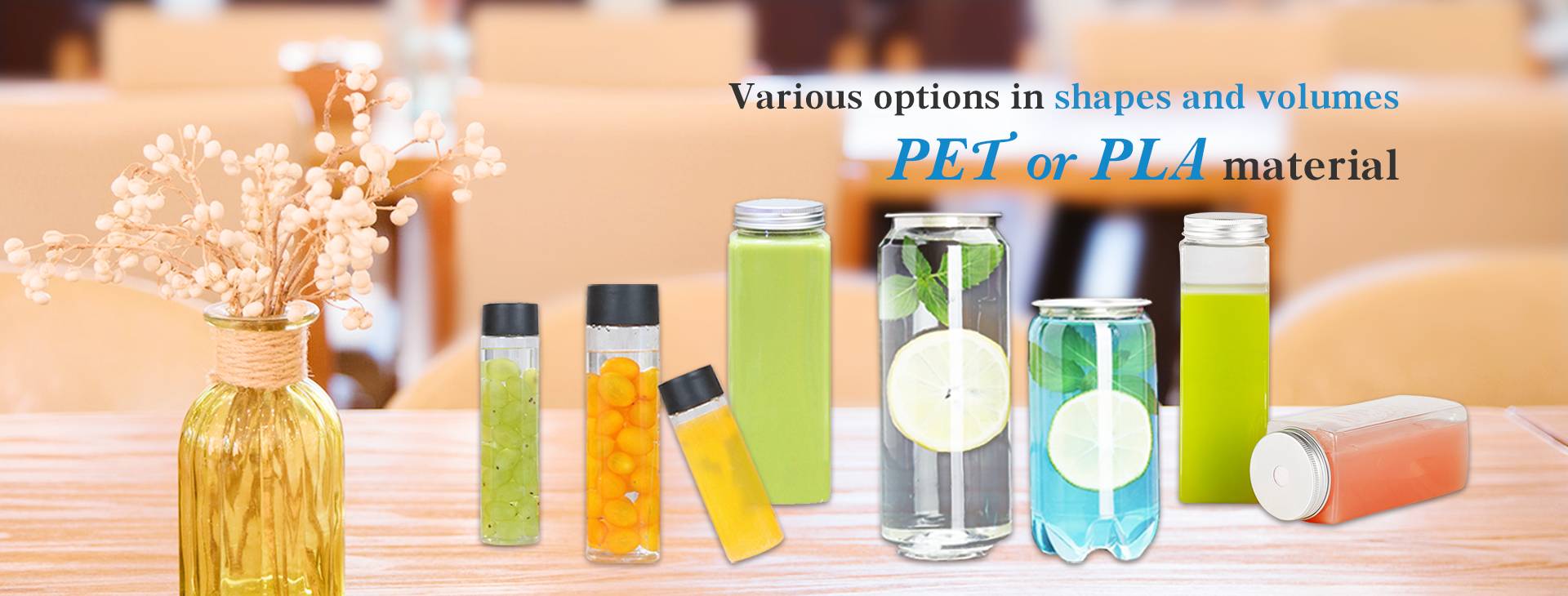
16 Oz Plastic Juice Bottles - China Manufacturer
From a China-based manufacturer, I offer 16 Oz Plastic Juice Bottles designed for juice, tea, smoothies, and sports drinks. As a buyer, you value clarity, impact resistance, and leak-proof performance. Our bottles are PET with consistent wall thickness, heat-sealed necks, and compatible with child-safety caps. They ship smooth, burr-free, ready for labeling, with tamper-evident rings as optional. I offer custom colors, hotspot labeling, and OEM packaging to match your branding. We run high-volume lines with tight QC and fast lead times, helping you scale without delays. Certifications like FDA and BPA-free materials ensure food-contact compliance. If you’re seeking a reliable source in China, I partner with contract manufacturers and brands who demand durability and cost efficiency. Contact me for samples and quotes; I’ll tailor sizes and caps to your product line.

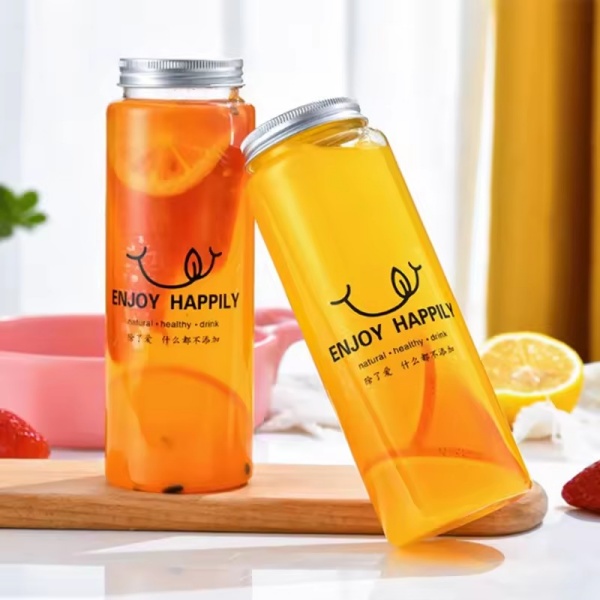
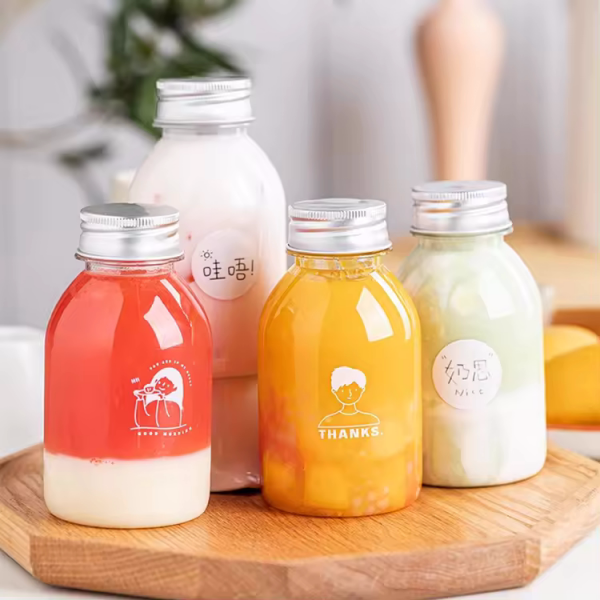
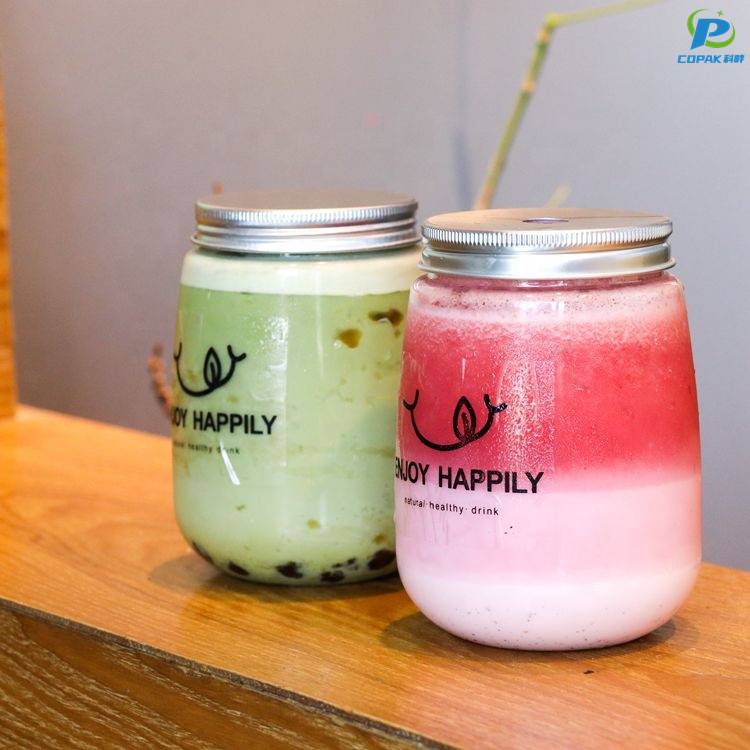
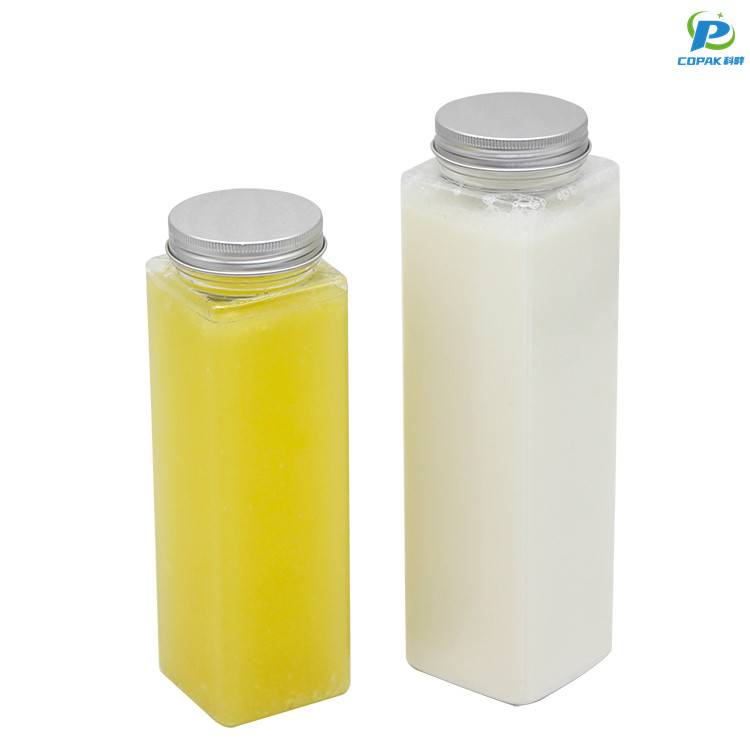
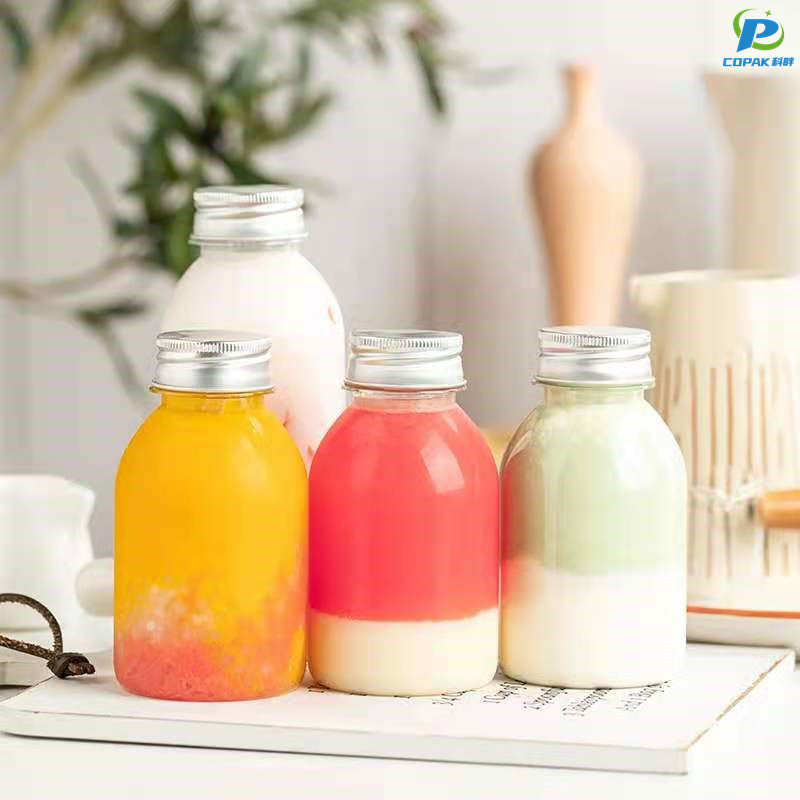
16 Oz Plastic Juice Bottles Service Backed by Expertise From Concept to Delivery
Bringing your 16 oz plastic juice bottle idea to market is easier with a partner who manages every step—from concept and rapid prototyping to full-scale production and global delivery. We offer tailored design support, material selection (including recyclable and lightweight options), strict quality control, and compliance with international food-contact standards so your product meets buyer and regulator expectations across regions. Our end-to-end service includes sample approval, flexible minimum order quantities, competitive pricing, and optimized logistics to reduce lead times and costs. Whether you need custom shapes, labeling-ready finishes, or private-label solutions, our manufacturing expertise and supply-chain coordination ensure reliable delivery and consistent product quality for global procurement teams.
| Feature | Specification | Compliance / Notes |
|---|---|---|
| Capacity | 16 fl oz (approx. 473 mL) | Standard consumer beverage size |
| Primary Material | PET (Polyethylene Terephthalate) — clear, food-grade | Widely used for juice packaging; good clarity |
| Empty Bottle Weight (typical) | Approx. 18–22 g (lightweight design) | Varies with wall thickness and handle/finish |
| Dimensions (typ.) | Height: ~175 mm; Diameter: ~63 mm | Based on common 16 oz cylindrical profile |
| Neck Finish & Closure | 28 mm (28/410) screw finish; compatible with tamper-evident screw caps (PP) | Standard closures for beverage applications |
| Color & Aesthetics | Clear, frosted/translucent, and custom tints available; matte or gloss finishes | Clear preferred for product visibility |
| Labeling & Decoration |
- Shrink-sleeve full-body printing - Pressure-sensitive labels - Screen or UV printing on direct-to-container surfaces |
Choose method based on graphics durability and cost |
| Barrier & Shelf-Life Options | Standard PET: moderate oxygen barrier; optional EVOH or multilayer barrier for extended shelf life | Barrier layers extend freshness for pasteurized products |
| Hot-Fill Compatibility | Not all PET grades are hot-fill-capable; hot-fill PET formulations or special processing required | Specify hot-fill if filling above ~65°C |
| Temperature Range | Refrigerated storage and ambient handling typical; consult material spec for high-temperature exposure | Avoid high-temperature stress unless using hot-fill grade |
| Mechanical Properties | Good impact resistance for distribution; stiffness depends on wall profile and preform | Design can be optimized for drop resistance |
| Recyclability & Sustainability | Recyclable via PET stream (Recycle Code 1); compatible with PCR (post-consumer resin) in many specifications | Verify region-specific PCR limits for food contact |
| Food Contact & Certifications | Typical compliance: food-contact grade PET (meets common regional food contact requirements) | Confirm specific certifications required for target markets (e.g., region-specific regulations) |
| Typical Applications | Cold-pressed juices, refrigerated juices, smoothies, sports beverages, flavored waters | Not all formulations (high acid/heat) are identical; test compatibility |
| Production & Lead Time (typical) | Standard designs: 4–6 weeks; custom molds or specialized barrier bottles: 8–12 weeks | Lead times vary with order size and tooling requirements |
| Recommended Fill Practices | Cold or ambient filling preferred; use appropriate sanitation and headspace control for shelf stability | Validate process for carbonation or pasteurization steps |
| Customization Options | Custom neck finishes, embossing, ergonomic shaping, integrated handles, and tamper-evident features | Design-for-manufacturability recommended |
| Printing & Graphic Limits | High-resolution shrink-sleeve enables full-coverage graphics; direct printing limited by curvature and area | Consider label type for recyclability goals |
| Handling & Transport Notes | Design with racking and palletization in mind; add secondary packaging to protect labeled surfaces | Consult logistics for long-distance transport conditions |
Related Products
22oz 660ml empty ketchup Mustard Mayo Salad sauce squeeze bottle PET Sauce packing Plastic Bottles
Read More


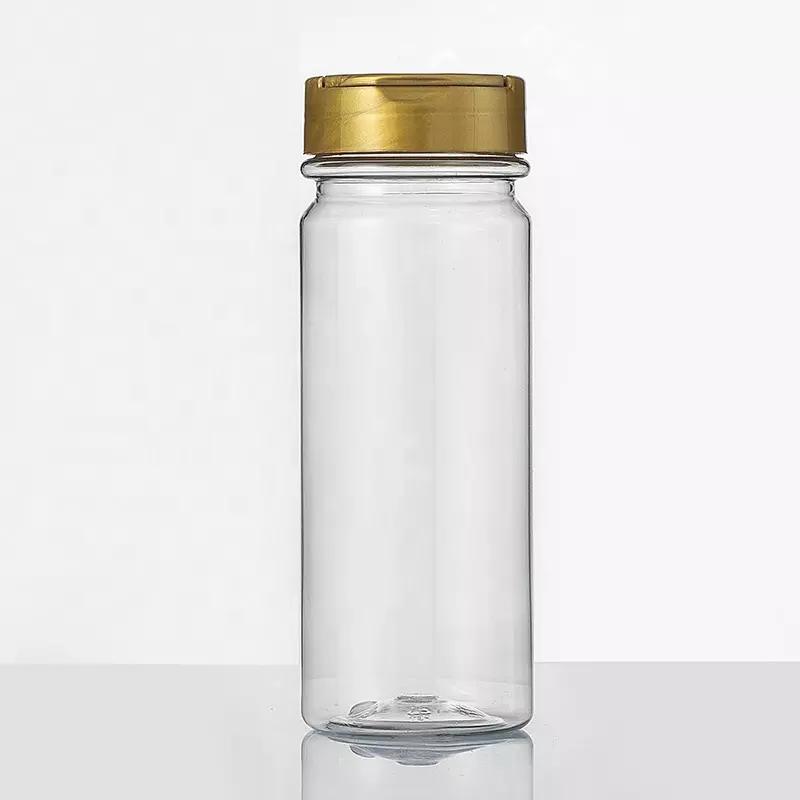

16 Oz Plastic Juice Bottles in 2025 Guarantees Peak Performance
Top Selling Products






- Related Blog
- Reviews
- Reviews
