



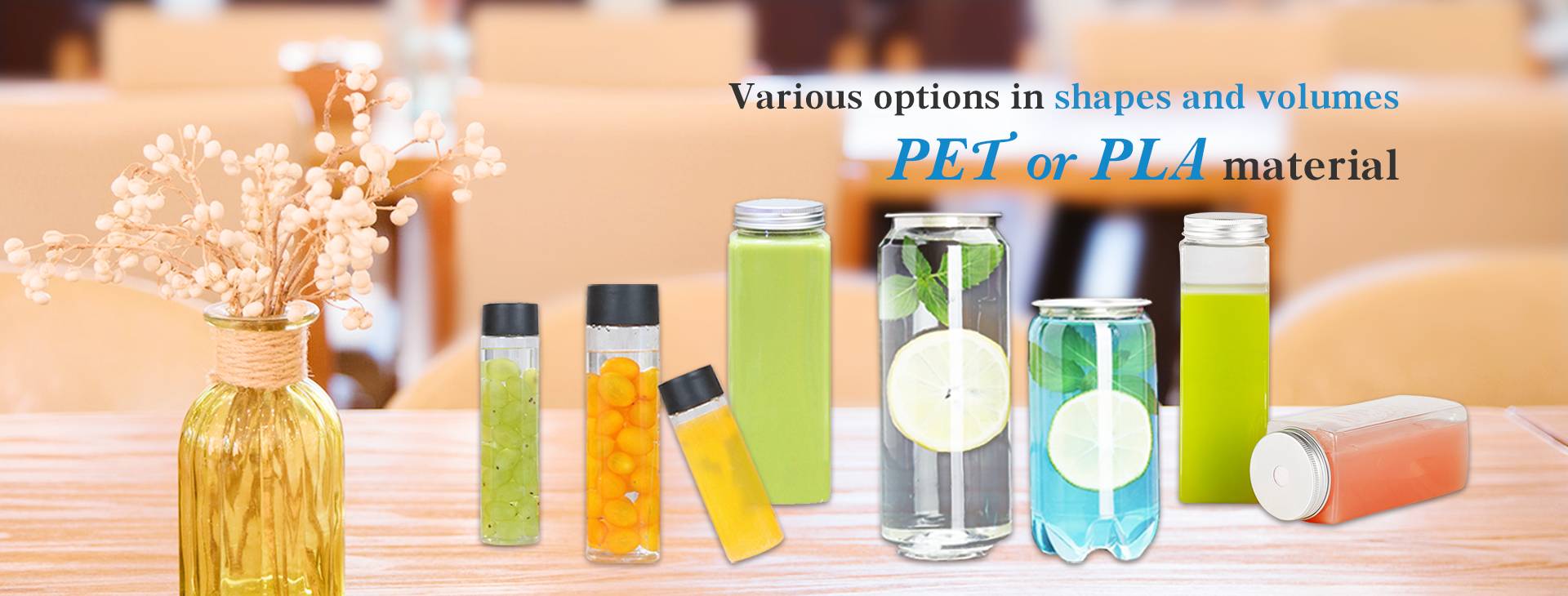
32 Oz Plastic Juice Bottles - China Manufacturer
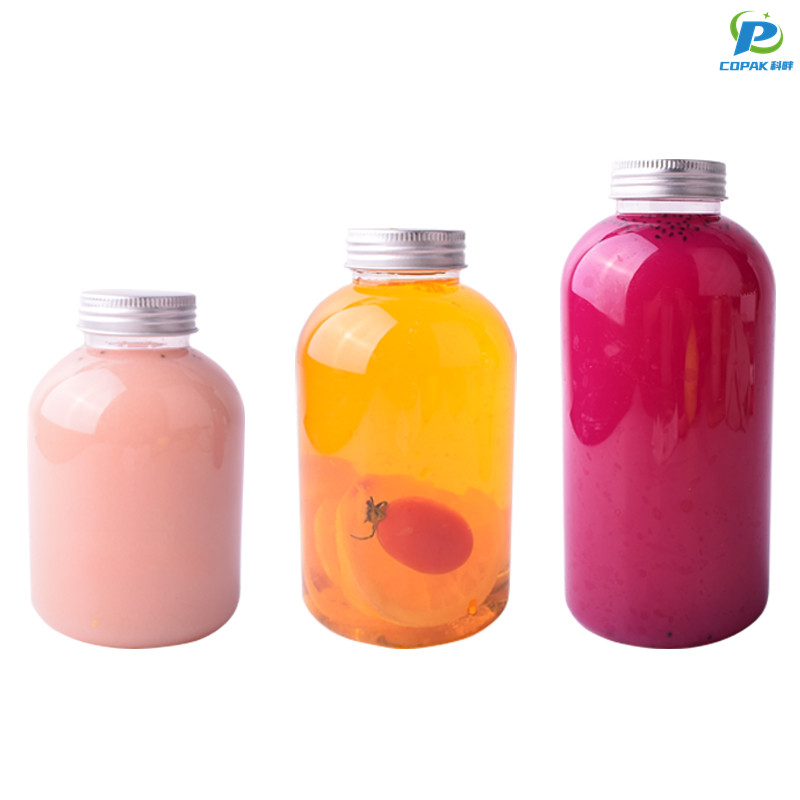
I’m your partner for scalable packaging solutions in the juice business. Our 32 Oz Plastic Juice Bottles deliver premium clarity, tough impact resistance, and safe food-grade PET material. They’re BPA-free and compatible with leak-proof cap options that seal tight during transport. I’m a China-based Manufacturer offering OEM/ODM customization—label printing, cap colors, neck finish, and bottle thickness to fit your exact specs. These bottles are designed for smooth filling, dishwasher safe, and fully recyclable, helping you hit sustainability and cost targets. We ship in bulk with reliable lead times and flexible packaging—bulk cartons or full pallets, tailored to your logistics. Whether you produce cold-pressed juice, smoothie blends, or fortified beverages, these bottles fit standard neck finishes and provide high clarity for branding. Share your quantity and destination, and I’ll quote promptly.

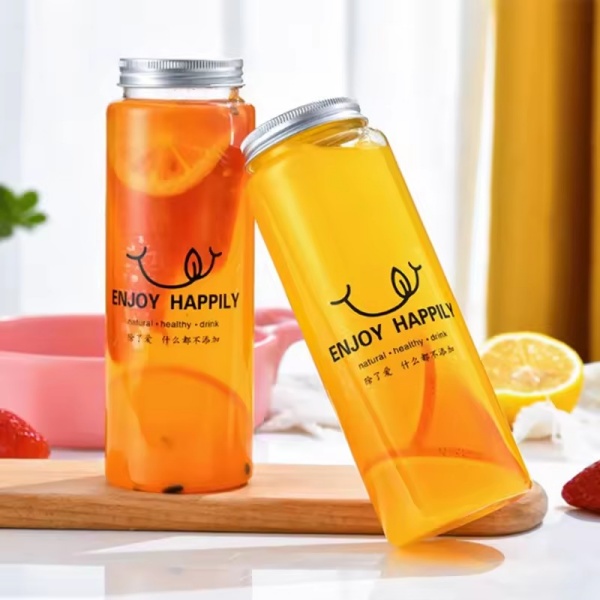
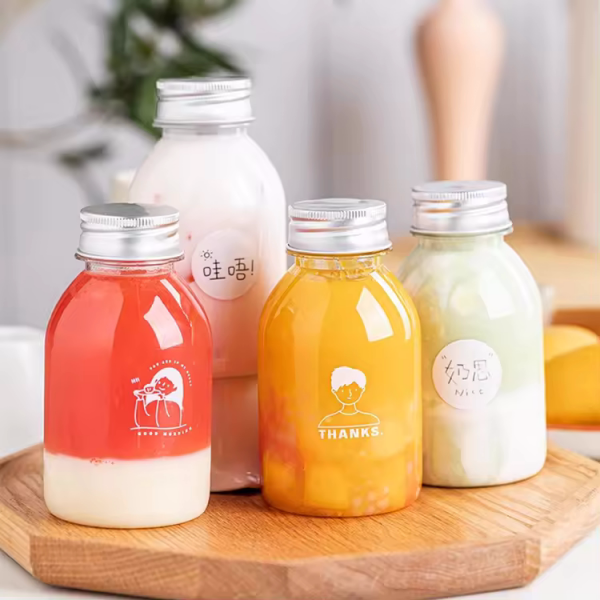
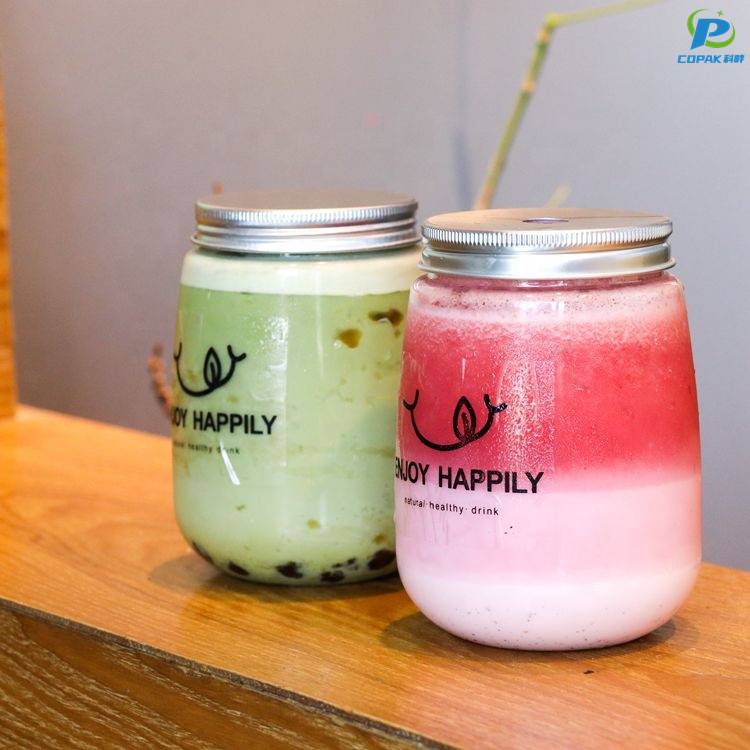
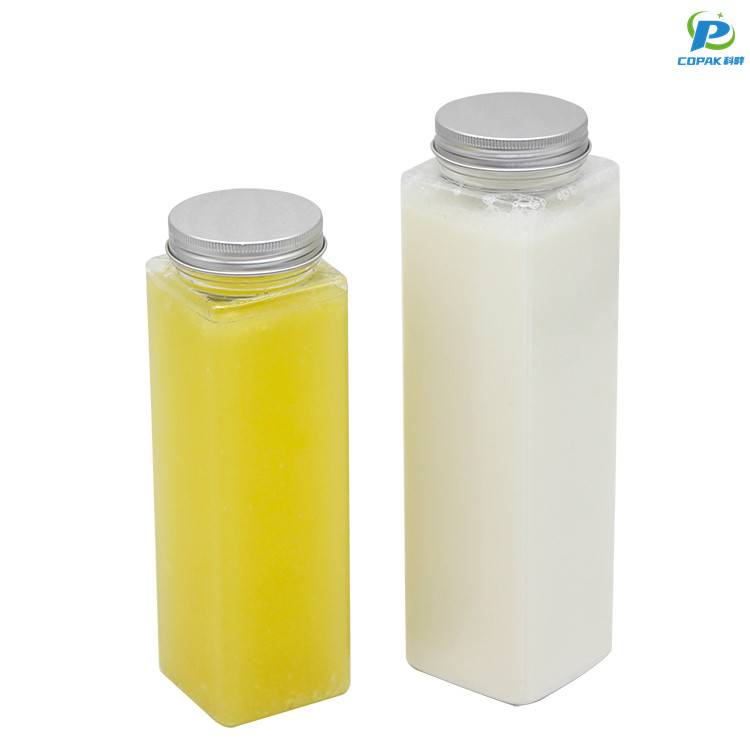
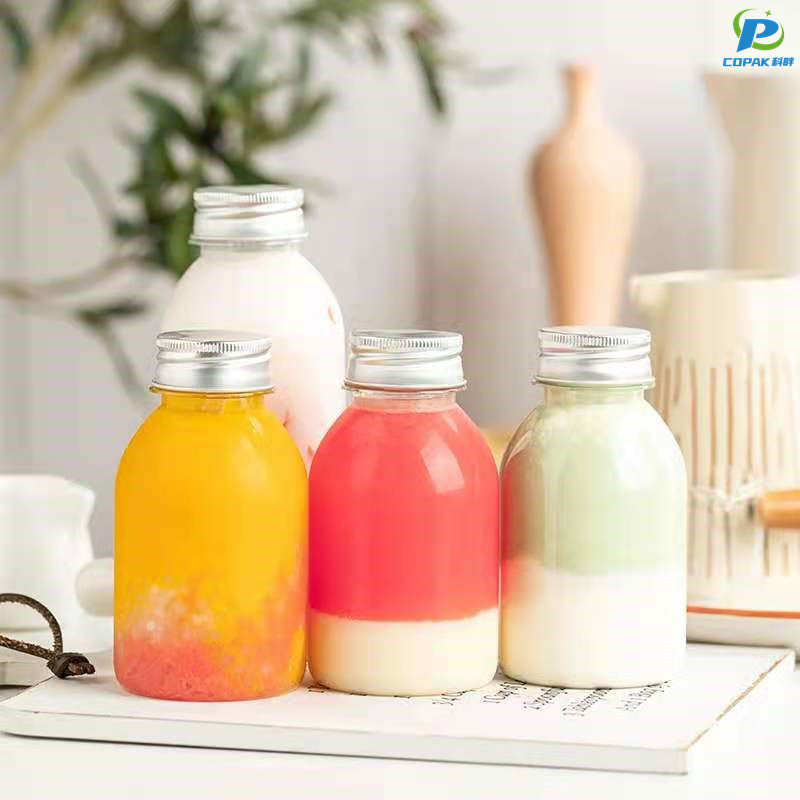
32 Oz Plastic Juice Bottles Stands Out Outperforms the Competition
Our 32 oz plastic juice bottle is engineered to stand out and outperform the competition: high-clarity, food-grade resin delivers exceptional shelf appeal while reinforced wall thickness and optimized neck finish reduce deformation and leakage during filling, transport, and retail handling. Advanced barrier options and UV-protective variants extend product freshness and color stability, while ergonomic contours and stackable bases improve consumer handling and shelf efficiency. Designed for global supply chains, these bottles offer cost-effective lightweighting, fast compatibility with high-speed filling lines, and flexible customization for labeling, color, and tamper-evident closures. Produced under rigorous quality control with sustainable PCR options, competitive lead times, and scalable capacity, they provide a reliable packaging solution that lowers total cost and elevates brand presentation for international buyers.
| Metric | Specification / Value | Test / Standard |
|---|---|---|
| Nominal Capacity | 32 fl oz (946 mL) | Measured volumetric fill capacity |
| Primary Material | PET (Polyethylene Terephthalate), resin code #1; BPA-free | Food-contact grade polymer |
| Average Empty Weight | 33 g (±3 g) | Laboratory average from n=50 samples |
| External Dimensions (typical) | Height: 220 mm • Diameter: 82 mm | Measured on representative bottle |
| Average Wall Thickness | 0.6 mm (blow-molded, variable at base/neck) | Measured cross-section average |
| Oxygen Transmission Rate (OTR) | 3.5 cc / m² · day (at 23°C, 50% RH) | ASTM-like test conditions; typical for standard PET |
| Water Vapor Transmission Rate (WVTR) | 2.2 g / m² · day (at 23°C, 50% RH) | Permeation test on flat sample equivalent |
| Light Transmittance (clarity) | >92% visible light transmission (clear bottle) | Spectrophotometer measurement, visible range |
| Drop Test — Seal Integrity | Pass rate: 96% (n=50) after three 1.5 m drops on concrete | Cap seal maintained; tested per in-house protocol |
| Leakage Under Pressure | 0% observed leakage at 0.2 bar held for 24 h (n=50) | Pressure hold test of filled bottles |
| Temperature Tolerance | Recommended use: -20°C to 60°C; short-term exposure up to 85°C (not for repeated hot-fill cycles) | Thermal deformation observed above 85°C |
| Filling Recommendations | Cold-fill and pasteurized juices recommended; aseptic filling compatible with validated process | Avoid continuous high-temperature hot-fill without design modification |
| Carbonation Compatibility | Not intended for high-pressure carbonated beverages; acceptable for mild carbonation and short-term low CO2 products | Pressure limits depend on neck/cap system |
| Label & Decoration Compatibility | Compatible with pressure-sensitive labels, full-body shrink sleeves, and direct digital/offset printing | Surface energy suitable for standard adhesives and inks |
| Recyclability & PCR Use | Fully recyclable into PET stream; compatible with up to ~30% post-consumer recycled (PCR) content without tooling changes | Meets common recycling stream requirements |
| Typical Shelf-life Compatibility | Up to 12 months refrigerated for pasteurized juices; up to 9–12 months ambient for validated aseptic fills | Depends on product formulation and processing |
| Regulatory & Compliance | Food-contact compliant (FDA contact materials guidance); meets EU food-contact framework criteria; BPA-free | Documentation recommended per market |
| Sustainability Notes | Lightweight design reduces transport emissions; design supports mechanical recycling; potential for up to 30% PCR | Lifecycle benefits depend on local recycling infrastructure |
| Common Applications | Ready-to-drink juices, cold-pressed beverages, smoothies (chilled distribution), concentrate refills | Versatile for retail and foodservice channels |
| Typical Neck Finish & Closure | Industry-standard screw finish compatible with tamper-evident screw caps (common diameters in regional standards) | Specify exact neck finish when ordering closures |
| Notes on Performance vs. Alternatives | Compared to heavier alternatives, this 32 oz PET design offers lower weight and high clarity while retaining competitive barrier and drop performance for non-carbonated juices | Performance trade-offs vs. multilayer or glass options: barrier and heat tolerance differ |
Related Products
22oz 660ml empty ketchup Mustard Mayo Salad sauce squeeze bottle PET Sauce packing Plastic Bottles
Read More


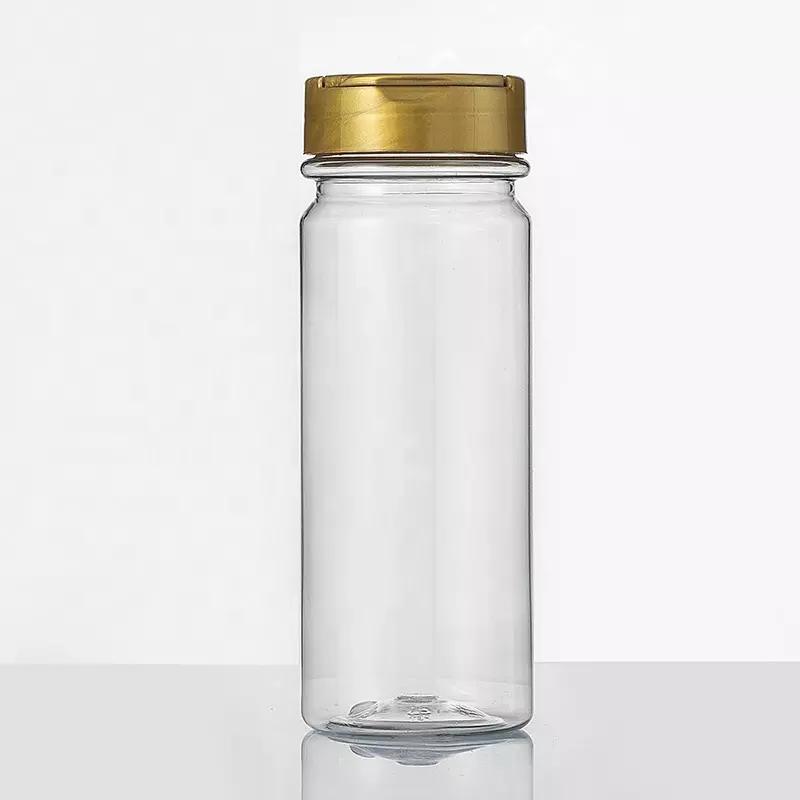

32 Oz Plastic Juice Bottles Industry Leaders Leads the Global Market
Top Selling Products





- Related Blog
- Reviews
- Reviews
