



12oz Plastic Cup - China Manufacturer for Durable Disposable Cups
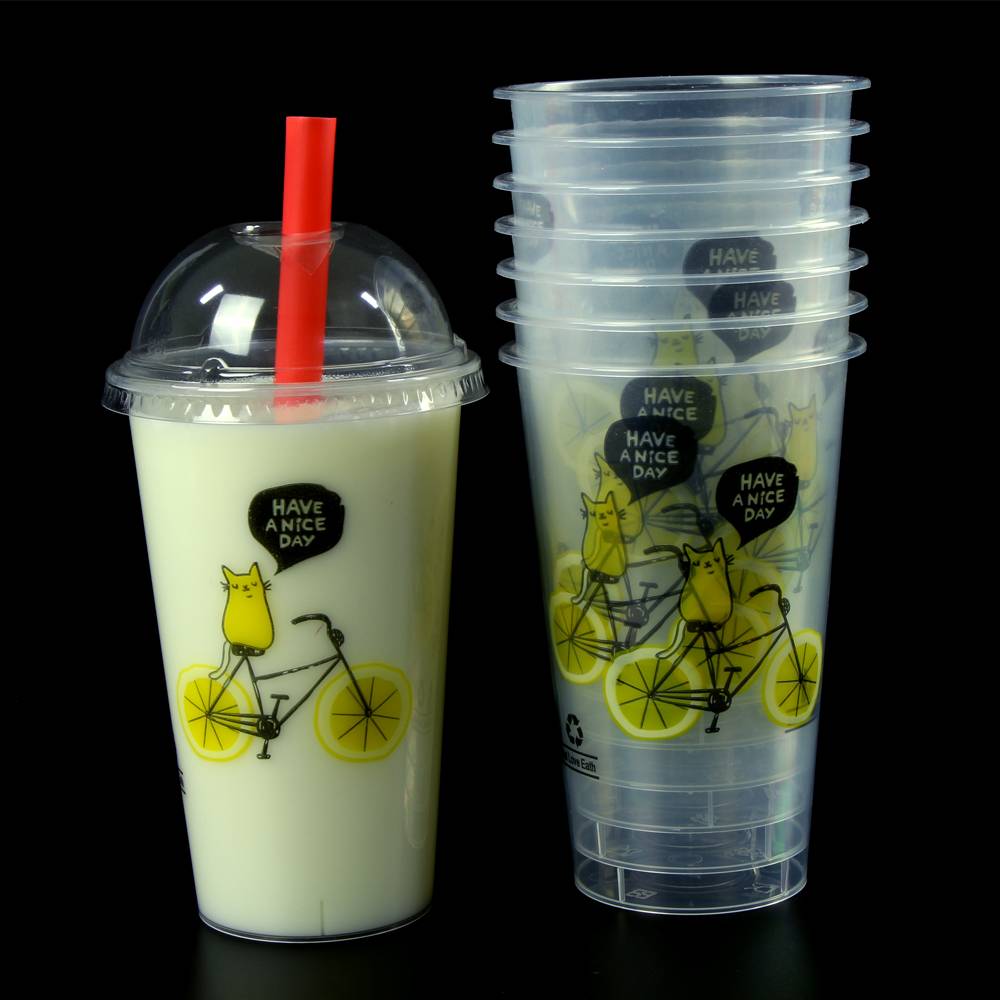
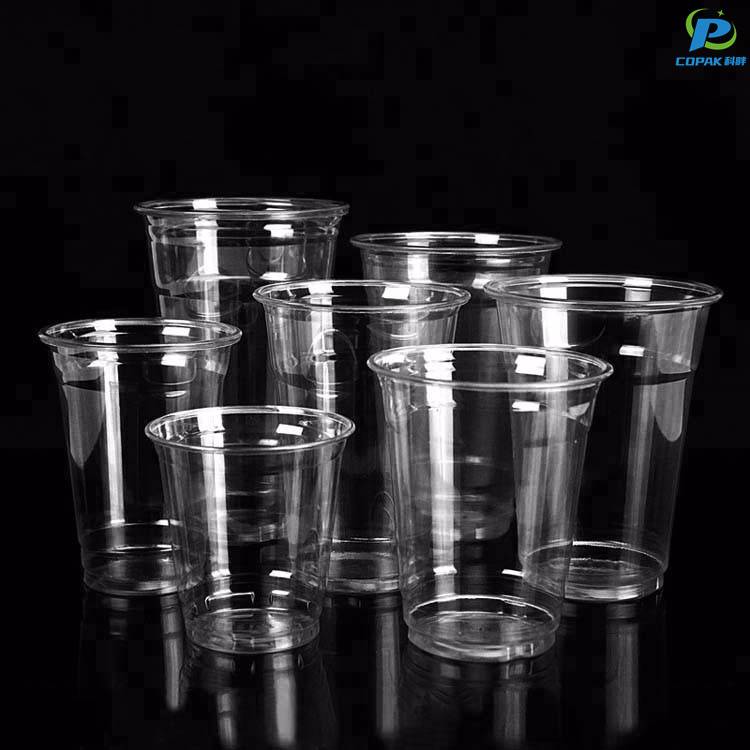
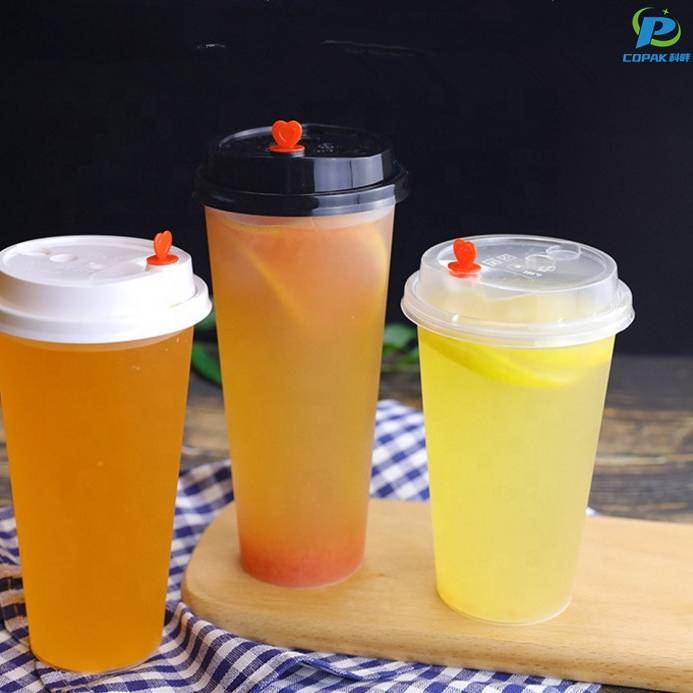
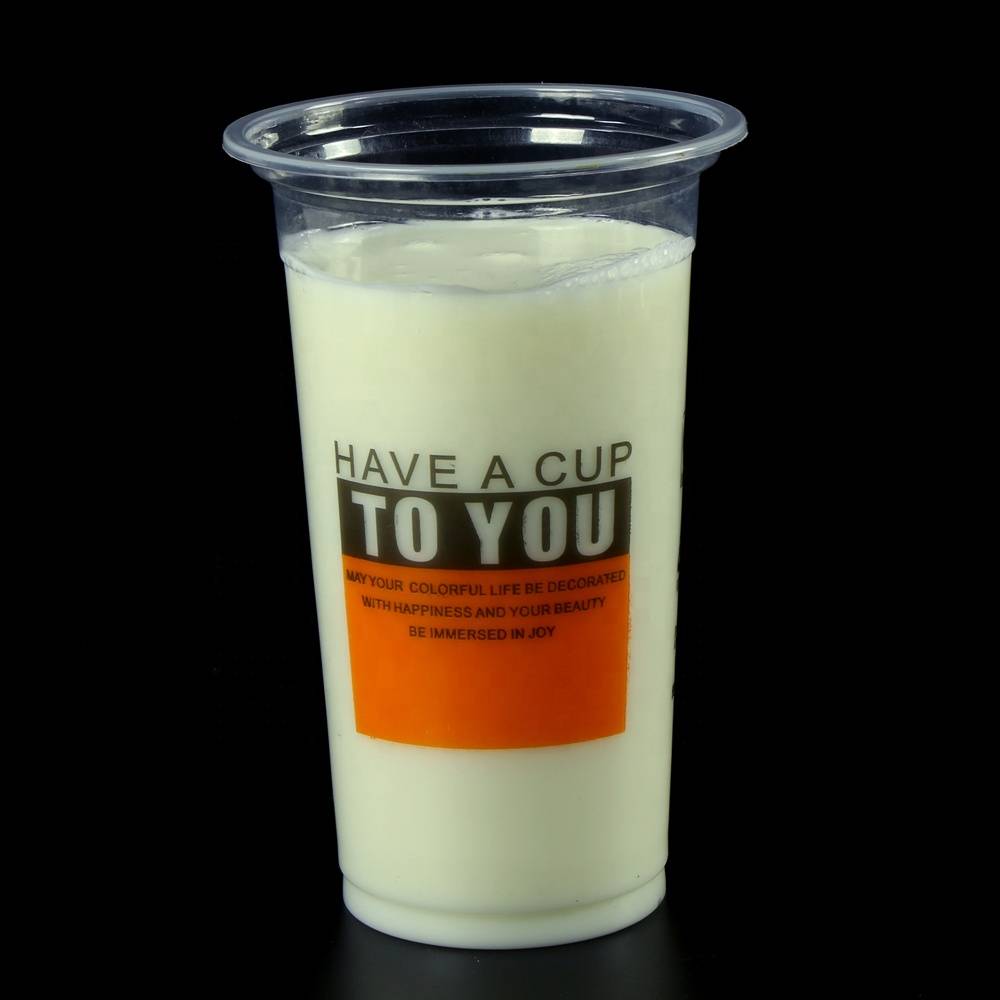
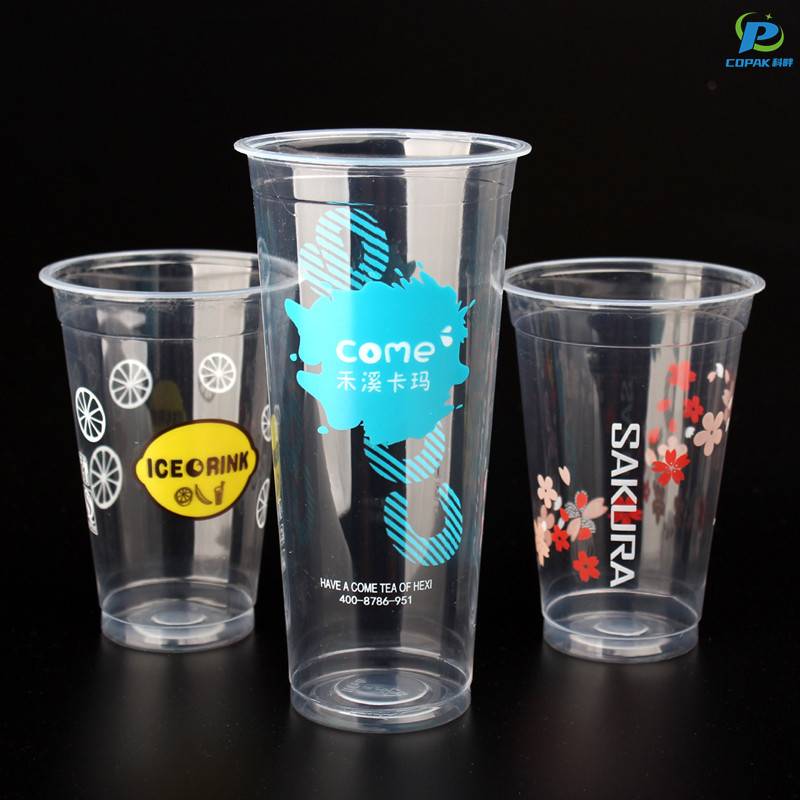
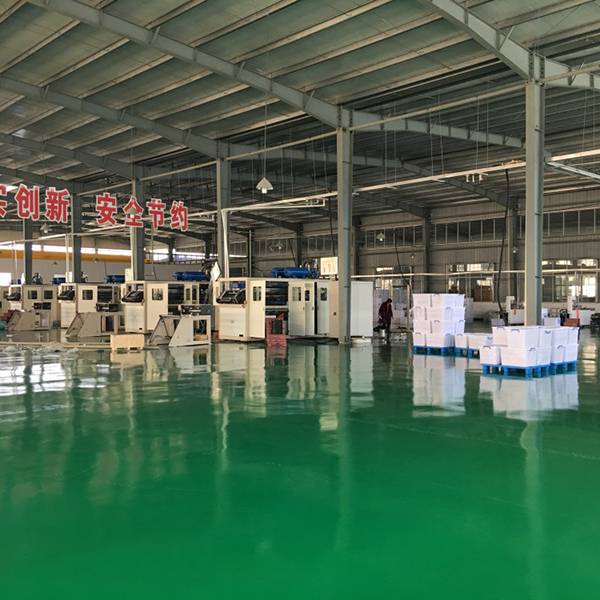
I’m glad to bring you our 12oz Plastic Cup, built for bulk orders from restaurants, event planners, and distributors. As a China manufacturer, we deliver consistent quality at competitive prices. These cups are made from food-grade plastic, crystal clear, and stackable, with sturdy walls that resist daily use. They are perfect for water, soda, juice, or cocktails, and fit standard beverage portions. We offer customization for logos, colors, and packaging right at the factory, helping you stand out in a crowded market. Our QA checks cover raw materials to final packing, so you can count on reliable inventory. MOQ is friendly, with short lead times and worldwide shipping from our China facilities. If you’re expanding your catalog or need a dependable supplier for ongoing needs, I’m here to help you compare options and lock in steady supply.



12oz Plastic Cup Manufacturer Where Innovation Meets 2025
A Shanghai-based 12oz plastic cup manufacturer is redefining how disposables meet the demands of 2025 by combining advanced materials, smart design and scalable production. The 12oz range delivers lightweight strength, crystal clarity and stackable convenience while offering options in recyclable PET, durable PP and compostable PLA to support circularity goals. Design features such as reinforced rims, spill-resistant profiles and high-clarity finishes make these cups ideal for cafes, events and retail beverage lines seeking premium appearance with practical performance. Global buyers will find flexible OEM/ODM solutions, high-speed automated lines, competitive lead times and customization for colors, finishes, lid compatibility and full-color printing. Rigorous quality control and food-contact safety testing aligned with international standards ensure consistent compliance, while tailored logistics and volume pricing support efficient sourcing. Partnering with a forward-thinking supplier accelerates time-to-market and helps brands meet rising consumer demand for sustainability, cost-efficiency and differentiated packaging in 2025.
| Material / Variant | Typical Use | Density (g/cm³) | Weight / 12oz cup (g) | Top Ø (mm) | Height (mm) | Wall thickness (mm) | Manufacturing process | Recyclability (municipal) | Compostability | Food-contact / Eco certifications | Typical applications | Approx. CO2e / cup (g) | Avg lead time (weeks) |
|---|---|---|---|---|---|---|---|---|---|---|---|---|---|
| PET (clear thermoformed) | Cold beverages, iced coffee, retail cups | 1.38 | ≈ 6.5 | 90 | 107 | 0.20 | Extrusion + thermoforming | Yes (PET stream) | No | FDA 21 CFR, EU 10/2011 | Cold drinks, smoothies, lids | ≈ 20 | 2–4 |
| rPET (recycled PET) | Cold cups emphasizing recycled content | 1.37 | ≈ 7.0 | 90 | 107 | 0.22 | Extrusion + thermoforming (rPET flake/extrusion) | Yes (rPET cycle) | No | FDA food-contact guidance (rPET), EU regs | Cold drinks where recycled content is requested | ≈ 15 | 3–5 |
| PP (polypropylene, injection) | Stiffer cups, opaque, reusable-style single use | 0.90 | ≈ 5.5 | 87 | 102 | 0.17 | Injection molding / thermoforming | Yes (PP stream, variable collection) | No | FDA compliant, EU food-contact | Cold drinks, some hot-stable disposable cups | ≈ 18 | 2–6 |
| PS (polystyrene, rigid) | Economy cold cups, clarity similar to PET | 1.05 | ≈ 4.5 | 86 | 100 | 0.18 | Thermoforming / casting | Limited (collection-dependent) | No | FDA / EU food-contact where applicable | Cold beverages, sample cups, events | ≈ 16 | 2–4 |
| PLA (polylactic acid, compostable) | Compostable cold cups, renewable feedstock | 1.24 | ≈ 7.5 | 90 | 108 | 0.25 | Extrusion + thermoforming (PLA resins) | No (not recyclable in conventional streams) | Industrial compostable (EN 13432 / ASTM D6400) | BPI / EN 13432 certifications; FDA food-contact where applicable | Cold drinks, eco-focused events (requires industrial composting) | ≈ 30 | 3–6 |
| CPLA (crystallized PLA for hot + compostable) | Higher heat resistance compostable cups, hot drinks | ≈ 1.25 | ≈ 9.0 | 89 | 106 | 0.30 | Thermoforming + crystallization (CPLA process) | No (separate compost stream) | Industrial compostable (EN 13432 / ASTM D6400) | BPI / EN 13432; suitable for hot beverages when specified | Hot drinks, specialty coffee in composting programs | ≈ 35 | 4–8 |
Related Products


12oz Plastic Cup Dominates Delivers Unmatched Quality
Top Selling Products





- Related Blog
- Reviews
- Reviews
