



PET Cans For Beverages - China Manufacturer
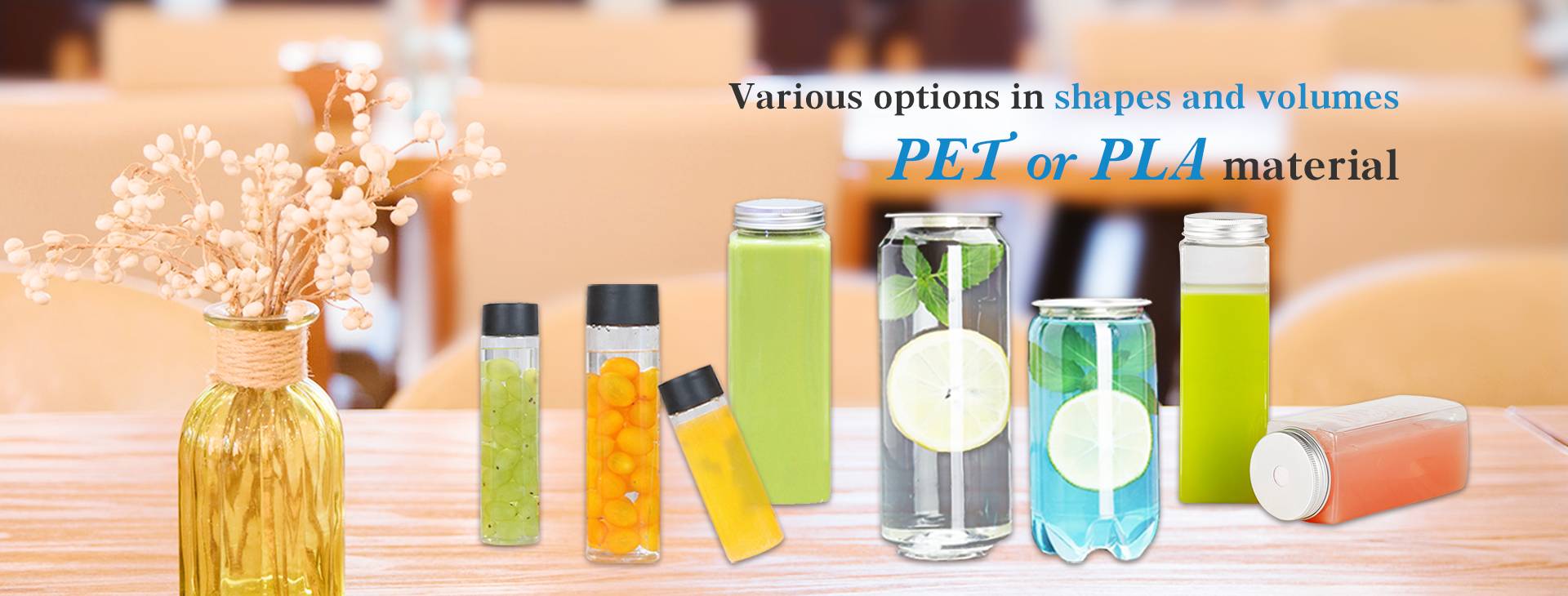
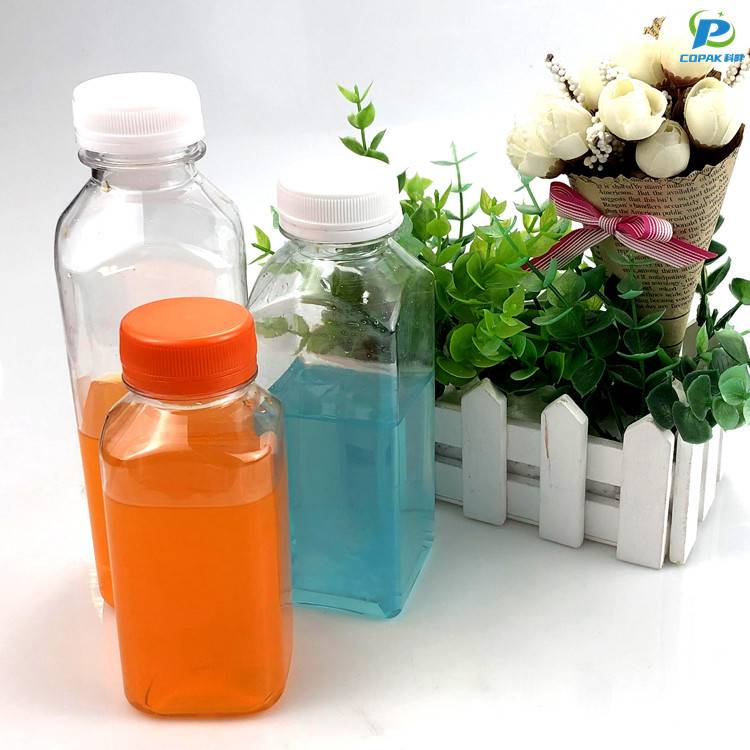
From our plant in China, I deliver PET Cans For Beverages that meet the tightest quality standards. As a China Manufacturer, we understand how important reliability, light weight, and packaging that preserves flavor are to B2B buyers. Our PET Cans For Beverages come in multiple sizes, from 200ml to 750ml, with tamper-evident caps, BPA-free resins, and excellent barrier properties that keep carbonation fresh. I offer custom printing, color flex, and logo embossing to boost your brand on shelf. Production runs are flexible, minimum orders friendly, lead times short, and I keep strict QC at every stage. We can supply hot-filling compatibility and stackable, ship-ready packaging to reduce freight costs. If you’re sourcing in China or looking for a reliable partner who truly cares about your beverage launch, I can help you lock in consistent supply, competitive pricing, and fast reorders. Let’s talk about your project and volumes for PET Cans For Beverages.


PET Cans For Beverages Products Where Innovation Meets 2025
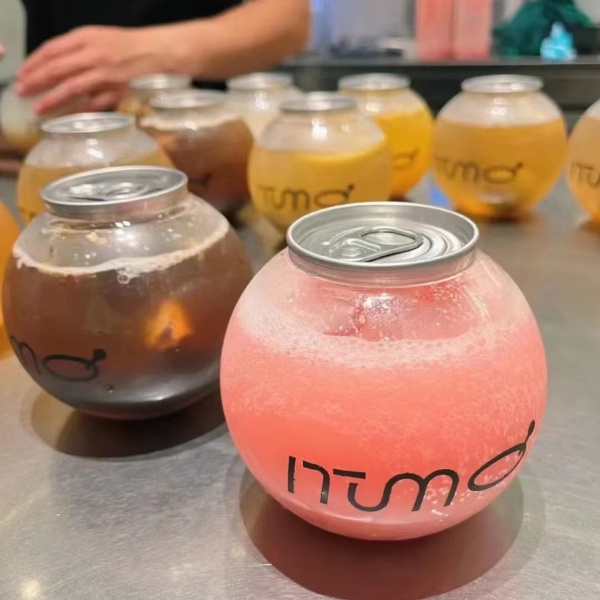
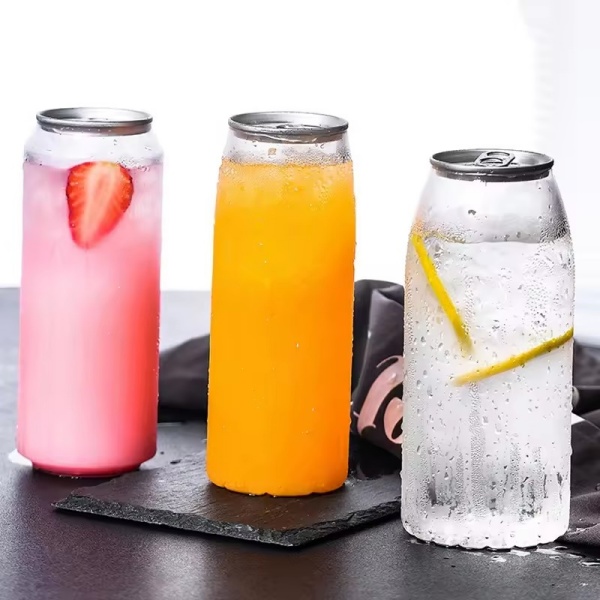
As beverage markets evolve, PET cans are becoming the innovation frontier where lightweight performance meets premium presentation. Designed for 2025 needs, advanced PET cans deliver robust barrier protection, thermal stability and recyclable resin options to preserve carbonation, flavor and shelf life while cutting transport weight and breakage risk. Their print-ready surfaces and ergonomic shapes open creative possibilities for soft drinks, RTD coffees, teas, energy drinks and hard seltzers seeking standout shelf impact. Global buyers will appreciate scalable production capabilities, flexible volumes, custom colors and closures, and adherence to international food-safety certifications. With optimized logistics, cost-effective tooling and sustainability roadmaps—featuring PCR integration and lower carbon footprints—PET cans offer a practical, market-ready route for launches and line extensions. Request samples and technical specs to validate performance and accelerate time-to-shelf.
| Product Variant | Material Composition | Typical Volume (mL) | Wall Thickness (mm) | OTR (cc/m²·day) | MVTR (g/m²·day) | Barrier Technology | Recyclability Potential (%) | Thermal Resistance (°C) | Suitable Beverage Types | Closure / End Type | Manufacturing Method | Estimated CO₂e (g/unit) | Regulatory Compliance | Typical Fill Temp (°C) | Notes |
|---|---|---|---|---|---|---|---|---|---|---|---|---|---|---|---|
| Standard Clear PET Can | 100% PET (amorphous clear) | 330 | 0.45 | 6 | 0.8 | Intrinsic PET (no added barrier) | 100 | 60 | Carbonated soft drinks, energy drinks | Aluminum end with stay-tab | Injection stretch blow molding (ISBM) + end seaming | 120 | FDA (USA), EU 10/2011, GB | 20–25 | Chilled applications; moderate gas barrier. |
| High-Barrier PET Can (EVOH multilayer) | PET + EVOH co-extruded multilayer | 330 | 0.55 | 0.5 | 0.6 | EVOH multilayer barrier | 80 | 65 | Juices, oxygen-sensitive RTD teas | Aluminum end with heat-seal liner | Co-extrusion blow molding + multilayer lamination | 160 | FDA, EU, Codex | 25–40 | Strong O2 protection; recycling depends on local stream. |
| Metallized PET Can (AlOx / vacuum metallization) | PET with vacuum metallized AlOx coating | 250 | 0.40 | 1.2 | 0.4 | AlOx vacuum metallization (thin inorganic layer) | 95 | 70 | RTD coffee, energy shots, alcoholic seltzers | Stay-tab aluminum end / peelable lidding | ISBM + vacuum metallization step | 140 | EU, FDA, JHFA (Japan) | 4–25 | Good light and aroma protection; decorative metallic finish. |
| Bio-based rPET Blend Can | PET blended with bio-PET and ≥50% post-consumer rPET | 500 | 0.60 | 5 | 0.9 | Intrinsic PET (recycled feedstock) | 100 | 60 | Non-carbonated juices, water, tea | Resealable screw cap (compatible neck) | ISBM with recycled feedstock | 90 | EU, FDA, ISO 14001 (supply chain) | 20–35 | Lower carbon footprint; slight haze possible with high rPET. |
| Opaque UV-blocking PET Can (pigmented) | PET with TiO2 / pigment opaque layer | 330 | 0.50 | 4 | 0.7 | UV-block pigment / opaque layer | 85 | 75 | Vitamin-fortified drinks, dairy alternatives | Heat-seal lidding or aluminum end | Masterbatch pigmented PET + ISBM | 150 | FDA, EU; regional fortification rules | 20–60 | Blocks light-sensitive ingredients; aesthetic opaque finish. |
| Thick-wall Cold-fill PET Can (heat-set) | PET with enhanced crystallinity (heat-set) | 330 | 0.80 | 3 | 1.2 | Heat-set crystallization (improved dimensional stability) | 100 | 85–95 | Pasteurized juices, some dairy-alternative drinks | Heat-resistant lidding + tamper-evident band | Heat-set ISBM / PET heat-set process | 200 | FDA, EU pasteurization guidance | 75–90 | Designed for short-time pasteurization; higher material weight. |
Related Products



PET Cans For Beverages Ahead of the Curve Supplies the World\u2019s Top Brands
Top Selling Products




- Related Blog
- Reviews
- Reviews
