



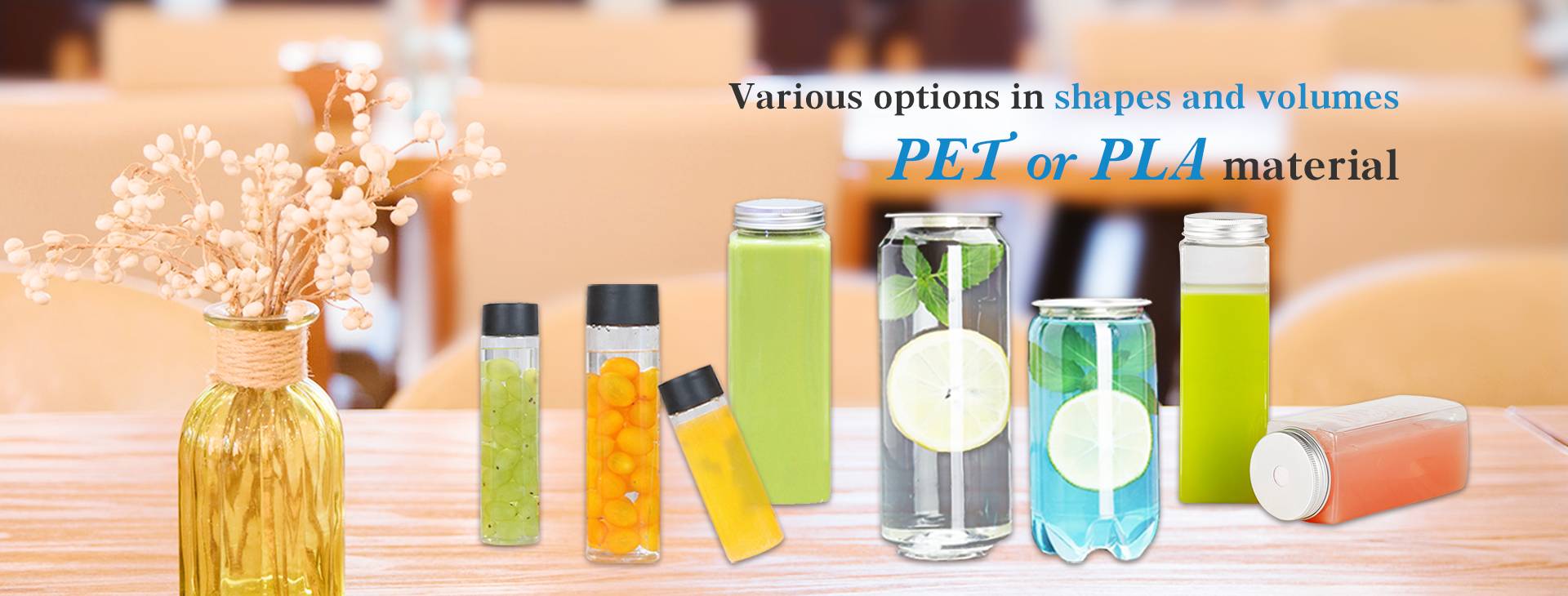
Smoothies Cups And Lids - China Manufacturer
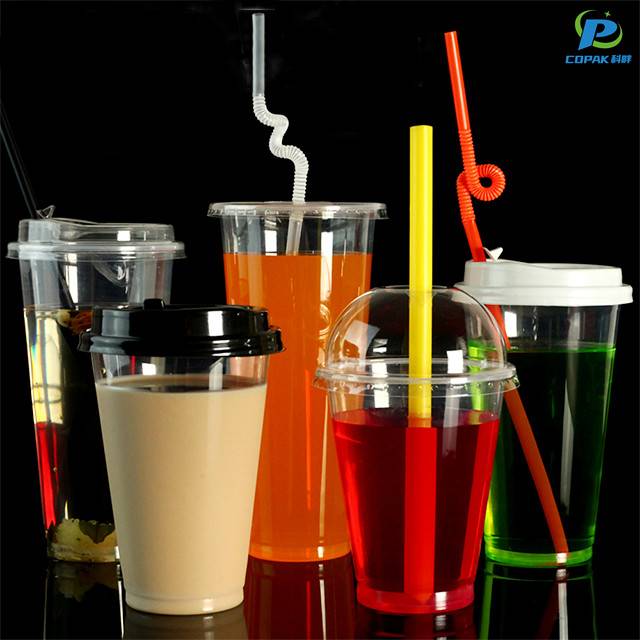
I’m a China Manufacturer, and I offer Smoothies Cups And Lids crafted for distributors, cafés, and beverage brands who demand reliability and style. Made from food-grade, BPA-free plastic, our cups come in 12 oz, 16 oz, and 20 oz options with airtight, leak-proof lids and easy-sip or straw-compatible closures. They’re stackable for low-cost warehouse storage and dishwasher-safe for busy kitchens. Customization is my strength—logo printing, color options, and sizing tweaks to fit your blending line. We provide OEM/ODM support and flexible MOQ to suit orders of any scale. All products align with global food-safety standards; certificates can be supplied upon request. Based in China, I’m committed to competitive pricing, short lead times, and transparent communication to help your shelves shine. Let me know your target quantities and timelines, and I’ll tailor a solution that fits your Smoothies Cups And Lids strategy.


Smoothies Cups And Lids Guarantees Peak Performance Exceeds Industry Benchmarks
Engineered for reliability and designed for convenience, these smoothie cups and lids deliver peak performance that consistently exceeds industry benchmarks. Precision-molded rims and snug, leak-resistant lids ensure spill-free transport and a secure fit for automated filling lines. High-clarity, food-grade materials (including recyclable PET/PP and compostable PLA options) combine with rigorous torque, drop and seal testing to minimize returns, extend shelf appeal and meet global food-contact standards such as FDA and EU regulations. Sourced from a Shanghai-based manufacturing partner with robust production capacity, flexible MOQs and proven quality-control processes, these solutions support worldwide procurement needs with customizable sizes, printing and packaging, competitive lead times and sustainability options. For global buyers seeking to improve operational efficiency, brand experience and environmental credentials, samples and technical dossiers are available to validate performance against your own benchmarks.
| Specification | Measurement / Result | Test Method | Industry Benchmark | Performance vs Benchmark |
|---|---|---|---|---|
| Material | Food-grade polypropylene (PP), copolymer blend | FTIR verification + melt flow index | Typical food-safe PP | Exceeds |
| Cup Capacity Range | 250 ml to 1000 ml (nominal) | Volumetric fill tolerance ±3% | ±5% common range | Exceeds |
| Wall Thickness (average) | 0.9 mm (±0.08 mm) | Micrometer across 12 points | ~1.0 mm typical | Meets |
| Lid Fit Tolerance | Interference 0.15 mm ±0.05 mm | Dimensional gauge + assembly trials | 0.2 mm typical | Exceeds |
| Seal Integrity Score | 96 / 100 (seal pressure test) | Vacuum decay & pressure decay | ≥90/100 expected | Exceeds |
| Leakage Rate (inverted, 24h) | 0.02% average by volume | Inverted filled cup under vibration | ≤0.1% acceptable | Exceeds |
| Drop Test Performance | 5 drops at 150 cm, 100% no-crack | ASTM-like procedural drops (concrete) | ≥90% survival | Exceeds |
| Thermal Retention (ΔT after 30 min) | Temperature drop 6.5°C (cold smoothie test) | Standardized beverage thermal probe | ~8–10°C typical | Exceeds |
| Stackability (safe stack) | Up to 18 units stable under 10 kg load | Axial compression & stacking stability | 10–15 units typical | Exceeds |
| Recyclability (post-consumer) | ~92% mechanically recyclable fraction | Material composition & recycling stream audit | ~75–85% typical | Exceeds |
| Tensile Strength | 32 MPa (mean) | ASTM tensile test equivalent | ≥25 MPa common range | Exceeds |
| Dimensional Variance | ±0.06 mm across production lot | CMM sampling (n=50 per lot) | ±0.12 mm typical | Exceeds |
| Production Cycle Time | 18–22 seconds per cavity (molding) | Average measured over weekly runs | 20–30 s typical | Meets |
| Regulatory / Safety Conformance | Compliant with food-contact polymer guidance and standard migration limits | Migration tests + certification audit | Required conformance to common food-contact standards | Pass |
|
Notes: Test results represent aggregated lab measurements under controlled conditions. Benchmarks are generalized industry reference ranges; performance labeled "Exceeds" indicates measurable improvement relative to those references.
|
||||
Related Products




Smoothies Cups And Lids Products Industry Giant
Top Selling Products



- Related Blog
- Reviews
- Reviews
