



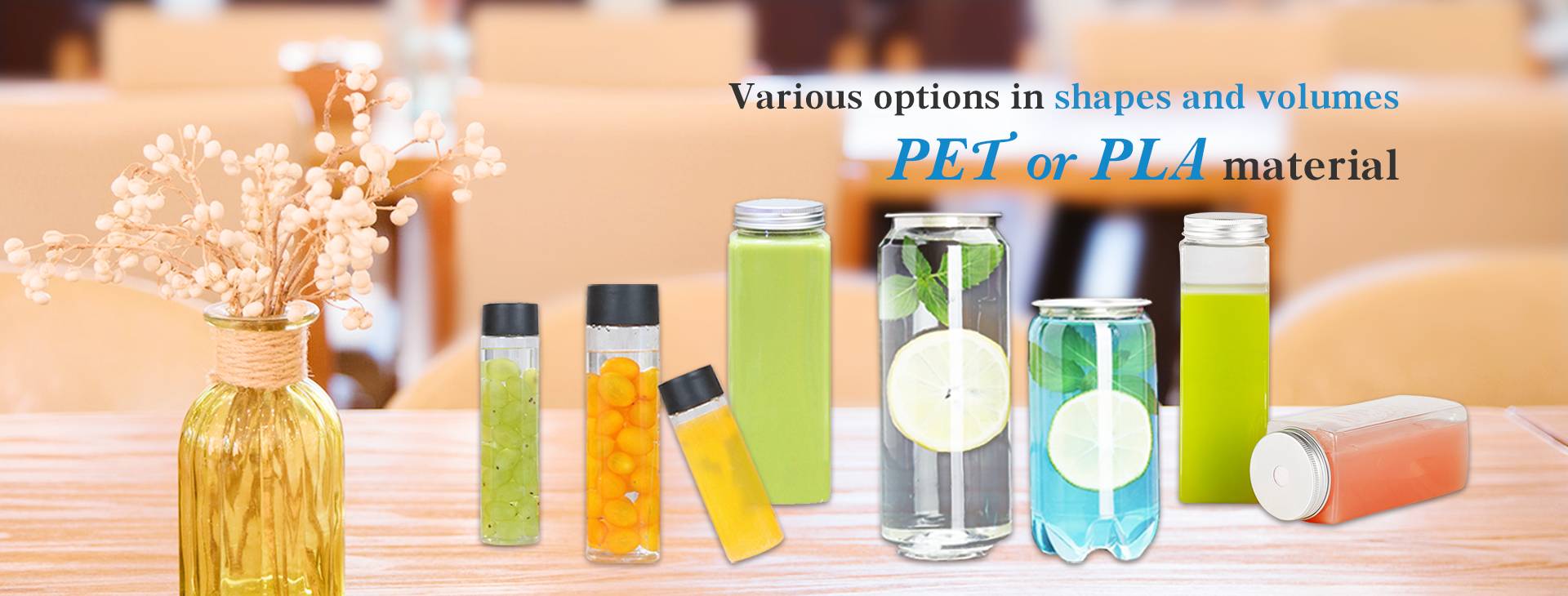
PLA Bottle - China Manufacturer for Eco-Friendly Packaging
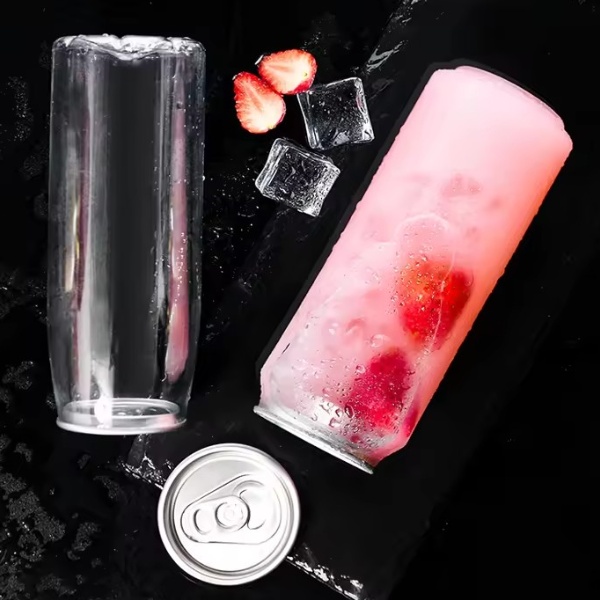
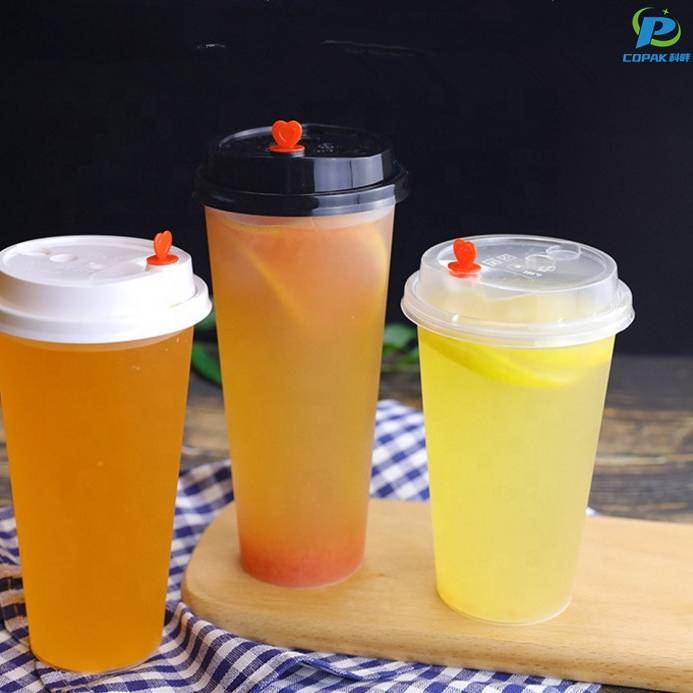
From our China-based facility, I offer a reliable PLA Bottle that blends eco-friendly materials with premium clarity and durability. As a China Manufacturer, I know packaging decisions matter for brand image and shelf life. This PLA Bottle is made from bio-based polylactic acid, offering a lighter, compostable option for cosmetics, liquids, or dietary supplements. It’s food-grade, BPA-free, and designed for tight, leak-proof caps, easy labeling, and smooth transfer. I provide flexible sizes, custom mouths, and print options to match your branding needs. Whether you need high-volume runs or small-batch trials, I can scale quickly with consistent color and performance. Our PLA bottles reduce plastic footprint without compromising strength or barrier properties. I work closely with buyers to ensure compliance with local regulations and certifications. If you’re seeking a reliable supplier who understands the China market and global buyers, let’s discuss your specs and timeline for a sustainable, cost-effective packaging solution.


PLA Bottle Is The Best More Than a Supplier - A Partner
PLA bottles are rapidly becoming the preferred choice for global purchasers seeking performance and purpose. Made from plant-based raw materials, they offer excellent clarity, lightweight durability and a significantly lower carbon footprint than conventional plastics. Ideal for beverages, cosmetics and personal care products, PLA bottles can be customized in size, shape, color and finish, and can be engineered with barrier options to meet shelf-life needs while supporting corporate sustainability commitments and compliance with food-contact and compostability standards. More than a supplier — a partner: we collaborate with buyers on design-for-manufacture, flexible production runs, rigorous quality control and transparent material sourcing to ensure consistent supply and traceability. With scalable capacity, reliable lead times and global logistics experience, we provide technical sampling, regulatory documentation and co-development for private-label launches. Choosing PLA bottles as a strategic partner aligns your brand with measurable sustainability, supply-chain resilience and continuous innovation.
| Attribute | Typical Value | Unit / Range | Measurement / Standard | Notes |
|---|---|---|---|---|
| Material composition | Polylactic acid (predominant) | ≥ 90% (typical) | GPC / FTIR analysis | Minor additives (stabilizers, nucleating agents) common for processing |
| Density | 1.23 – 1.26 | g/cm³ | ASTM D792 | Consistent with semi-crystalline PLA grades |
| Glass transition temperature (Tg) | 55 – 65 | °C | DSC | Defines typical service temperature limits for bottles |
| Melting point (Tm) | 150 – 170 | °C | DSC | Influences processing (injection/blow molding) |
| Tensile strength (yield) | 50 – 70 | MPa | ISO 527 | Good stiffness; orientation increases strength |
| Elongation at break | 3 – 10 | % | ISO 527 | Relatively low ductility; design for impact accordingly |
| Young's modulus | 2000 – 3500 | MPa | ISO 527 | High stiffness supports lightweighting of bottle walls |
| Water absorption (24h) | < 0.5 | % | ISO 62 | Low water uptake; long-term exposure affects mechanicals slightly |
| Transparency (light transmittance) | ~90 – 93 | % | Spectrophotometer | High clarity for premium packaging aesthetics |
| Heat resistance (service) | 40 – 50 (typical) | °C | Application testing | Short-term exposure up to ~60°C possible; avoid hot-fill without modification |
| Typical wall thickness (bottle) | 0.3 – 0.8 | mm | Design / molding specs | Optimized for stiffness and material savings |
| Recyclability | Mechanical & chemical routes | — | Industry recycling practice / depolymerization | Mechanical recycling possible; chemical recycling (depolymerization) restores monomers |
| Industrial compostability | Biodegrades in industrial compost | 90–180 days at ~58°C | ASTM D6400 / EN 13432 (test methods) | Requires industrial composting conditions; not equivalent to marine biodegradation |
| Carbon footprint (cradle-to-gate) | ~1.5 – 2.2 | kg CO2e / kg | LCA (varies by feedstock & energy mix) | Range depends on feedstock origin (corn, sugarcane) and production energy |
| Common applications | Beverage containers; cosmetic bottles; food packaging | — | Market usage examples | Suitable for clear, lightweight packaging where compostability or bio-based claims are desired |
Related Products
22oz 660ml empty ketchup Mustard Mayo Salad sauce squeeze bottle PET Sauce packing Plastic Bottles
Read More


PLA Bottle Service Now Trending
Top Selling Products





- Related Blog
- Reviews
- Reviews
