



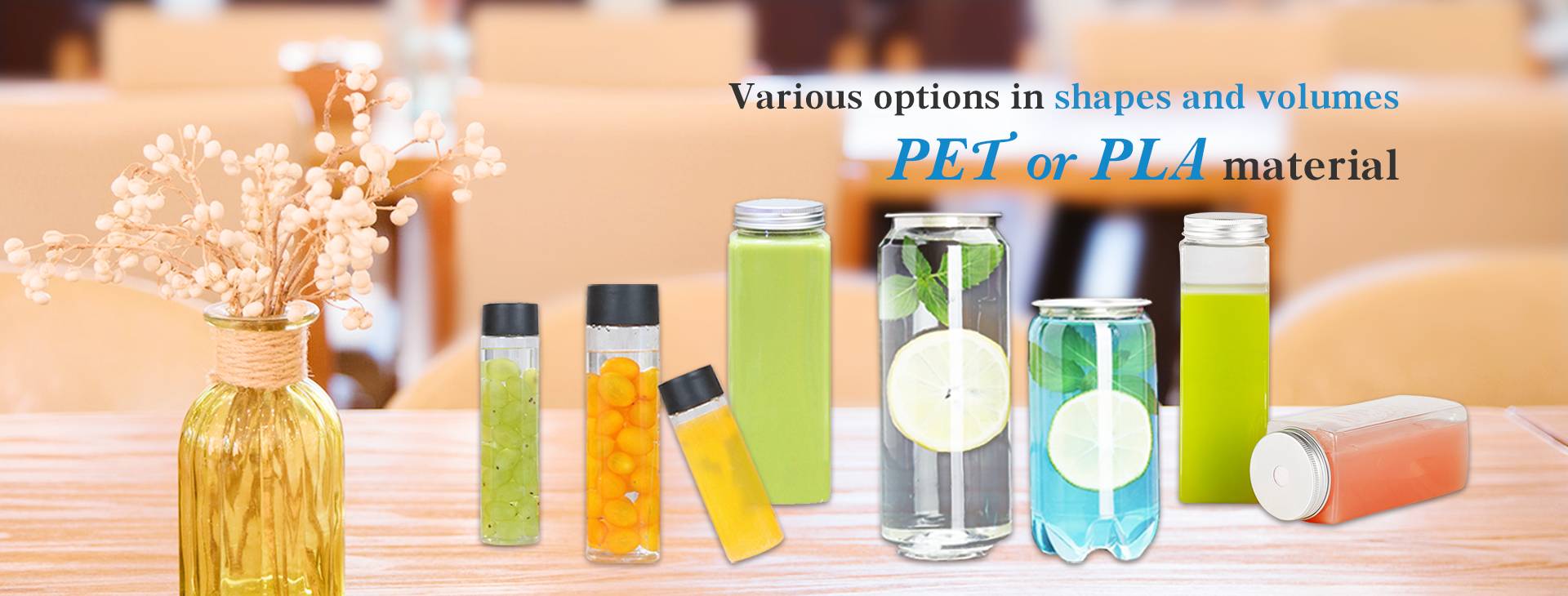
PET Bottle Container - China Manufacturer for Custom Packaging
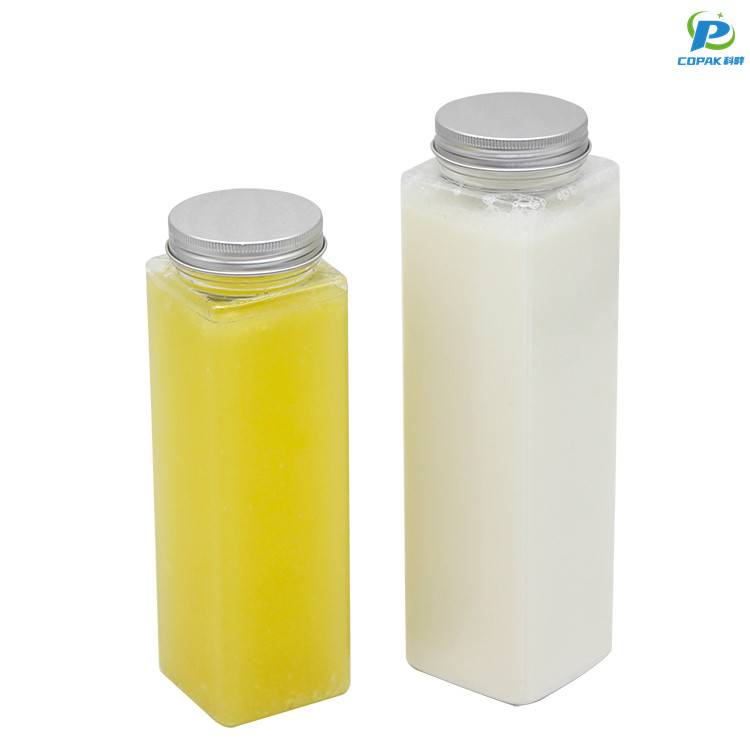
From my workshop in China, I offer PET Bottle Container solutions that meet the demanding needs of your packaging lines. As a Manufacturer, I oversee every step—from resin selection to molding and quality testing. I design PET Bottle Container for beverages, cosmetics, and household chemicals, with lightweight walls, strong lids, and reliable reseals. You can choose from standard sizes or we can do custom moulding with your logo and neck finishes. Our containers are BPA-free, food-contact safe, and fully recyclable, helping you hit sustainability goals while reducing cost per unit. I provide short lead times, flexible MOQs, and scalable production to match your demand in China or overseas. Communication is straightforward: I listen, plan, and deliver with accuracy. If you need a trusted partner to supply consistent PET Bottle Container, reach out. I can provide sample packs, technical datasheets, and competitive pricing, all tailored for your brand and regulatory needs.


PET Bottle Container Trusted by Pros Guarantees Peak Performance
Engineered PET bottle containers trusted by professionals guarantee peak performance across beverages, personal care and household products. Made from high-grade, food-safe PET, they deliver exceptional clarity, dimensional stability and barrier properties while remaining lightweight and impact-resistant. Advanced stretch-blow molding ensures consistent wall distribution, precise neck finishes for leak-proof closures, and compatibility with hot-fill, pasteurization and cold-chain processes. For global procurement, these containers reduce logistics cost through stackable designs, lower transport weight and high recyclability. Flexible customization of capacity, color, finish and labeling, rigorous quality control and compliance with international standards (FDA, EU, ISO) ensure predictable supply and fast scale-up. Reliable tooling, sample availability, OEM runs and stable lead times support long-term partnerships that keep production lines running at peak efficiency.
| Property | Typical Value | Units / Test Standard | Notes |
|---|---|---|---|
| Material | Polyethylene terephthalate (PET) | — | Amorphous to semi-crystalline thermoplastic commonly used for beverage containers. |
| Density | 1.38 – 1.41 | g/cm³ (ASTM D792) | Depends on crystallinity and additives. |
| Melt Temperature (Tm) | 250 – 260 | °C (DSC) | Processing window for injection/stretch-blow molding. |
| Glass Transition Temperature (Tg) | 67 – 81 | °C (DSC) | Above Tg, material becomes more rubbery; dimensional stability reduced. |
| Crystallinity (typical) | 10 – 30 | % by weight (DSC) | Higher crystallinity increases stiffness and barrier, reduces clarity. |
| Tensile Modulus | 2.6 – 3.3 | GPa (ASTM D638) | Dependent on orientation (stretch-blow improves axial modulus). |
| Tensile Strength (yield) | 50 – 80 | MPa (ASTM D638) | Typical range for molded bottle grades. |
| Elongation at Break | 50 – 150 | % (ASTM D638) | Highly influenced by molecular weight and processing history. |
| Oxygen Transmission Rate (OTR) | 5 – 50 | cc/m²·day (23°C, 0% RH) | Varies with wall thickness and orientation; lower OTR for thicker/oriented structures. |
| Water Vapor Transmission Rate (WVTR) | 0.5 – 3.0 | g/m²·day (ASTM F1249) | Typical for 38–100 µm effective wall thickness. |
| Typical Wall Thickness (bottle body) | 200 – 400 | µm | Depends on capacity and design (lightweighting reduces thickness). |
| Common Capacity Range | 0.25 – 2.0 | L | Standard consumer sizes; designs extend beyond this range for specialty uses. |
| Service Temperature Range | -20 to +60 (short-term up to 85) | °C | Not suitable for autoclave/steam sterilization; hot-fill operations typically ≤85°C short-term. |
| Chemical Compatibility | Good / Selective | — | Good with water, acidic beverages and many alcohols; poor with strong oxidizers and some ketones. Verify per formulation. |
| Food-contact & Regulatory | Commonly compliant | FDA & EU 10/2011 (where specified) | Final compliance depends on specific resin grade and processing; verify certificates for final articles. |
| Recycling & End-of-life | Widely recyclable | — | Mechanical recycling common; bottle-to-bottle feasible with proper sorting and decontamination. Post-consumer recycling rates vary by region. |
| Quality & Manufacturing Notes | Process-sensitive | — | Stretch-blow parameters and preform design strongly influence final strength, clarity and barrier performance. ISO-aligned quality systems frequently used in production environments. |
Related Products


PET Bottle Container Where Innovation Meets 2025 Supplies the World\u2019s Top Brands
Top Selling Products

- Related Blog
- Reviews
- Reviews
