



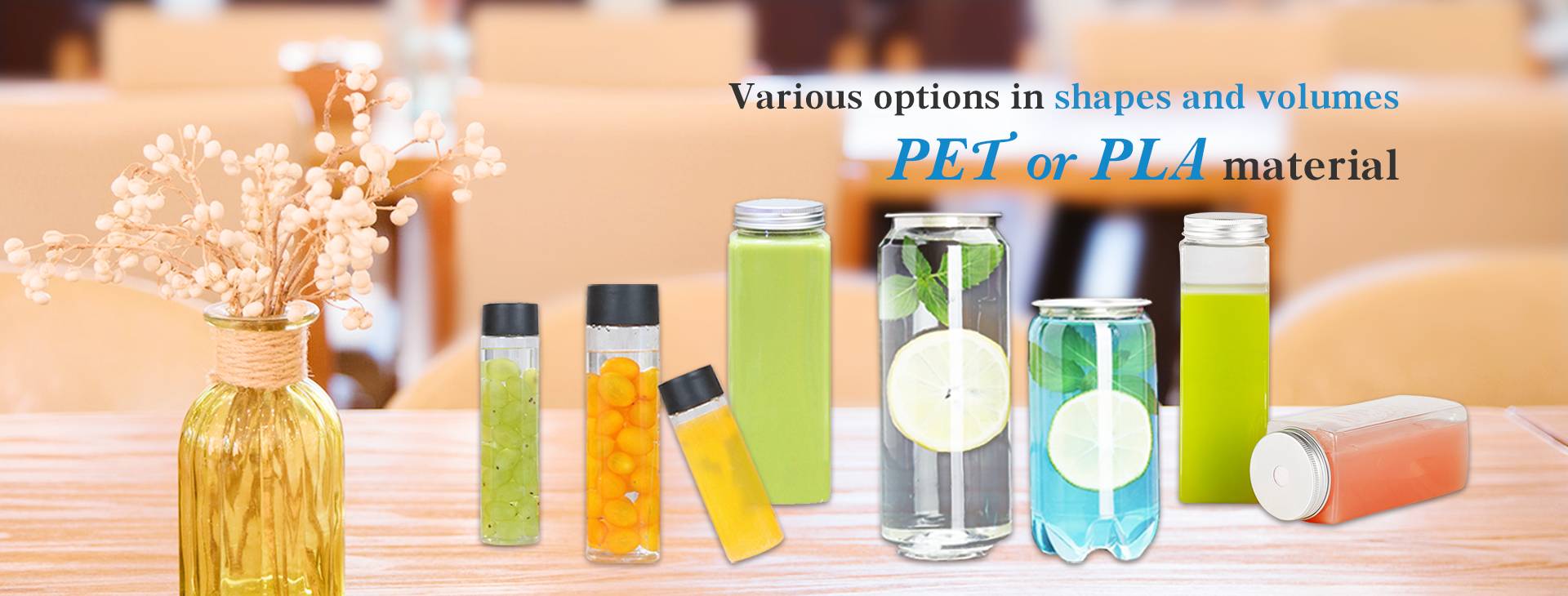
1000ml PET Bottle - China Manufacturer for Durable Packaging
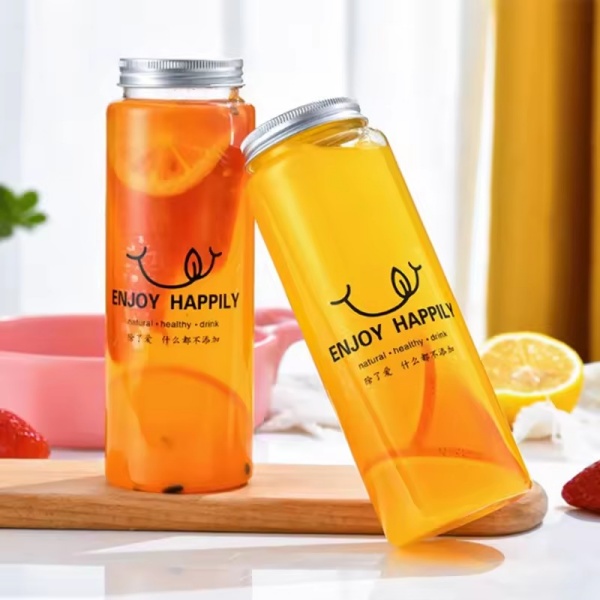
From my factory in {China}, I proudly offer the {1000ml PET Bottle} as a reliable packaging solution for beverages, personal care, and chemicals. As a {China} based {Manufacturer}, I focus on consistent quality, fast lead times, and flexible customization. The bottle is molded from food-grade PET, BPA-free, with a crystal-clear finish that shows your product. It’s lightweight yet sturdy, with a leak-proof cap and tamper-evident option, compatible with hot fill and pasteurization. I can tailor neck finishes, labeling, and color options, and I provide bulk pricing, sensible MOQs, and quick sampling. Whether you need transparent stock for new brands or robust bottles for retail shelves, I’ve got you covered. Shipping from my facility to worldwide destinations is streamlined, with quality checks at every step so you don’t worry about performance. Let me help you scale your product line with confidence.


1000ml PET Bottle Service Sets the Industry Standard
The 1000ml PET bottle service has rapidly become the industry benchmark for beverage and liquid-packaging procurement: combining lightweight durability, crystal clarity and consistent fill accuracy to protect products while optimizing shipping costs. Designed for food-contact applications and engineered to meet international safety and quality regulations, these bottles offer tamper-evident closures, uniform wall distribution and excellent shelf appeal—ensuring product integrity from production line to retail shelf. For global buyers, this standardized size delivers predictable unit economics, scalable production and customizable branding options including color, printing and sleeve decoration. Flexible tooling, competitive volume pricing, PCR and virgin PET choices, plus integrated logistics support, make it simple to stabilize supply chains and accelerate market entry. Choosing a 1000ml PET solution streamlines sourcing, reduces complexity and safeguards long-term cost-efficiency and sustainability goals.
{ 1000ml PET Bottle Service Sets the Industry Standard}
| Parameter | Unit | Typical Value / Range | Notes |
|---|---|---|---|
| Nominal Capacity | mL | 1000 | Rated liquid capacity (fill line tolerance ±5 mL depending on filler). |
| Material | — | PET (Polyethylene Terephthalate) | Widely used food-grade polyester resin, recyclable (Resin Identification Code 1). |
| Typical Bottle Weight | g | 28 – 40 | Depends on design (lightweight to heavy-duty versions). |
| Average Wall Thickness | mm | 0.8 – 1.2 | Measured at body; distribution varies by blow profile. |
| Neck Finish / Thread | — | 28/400, 38/400, PCO 1881 (options) | Select finish based on closure and beverage (PCO 1881 common for carbonates). |
| Closure Type | — | Screw cap (continuous thread) with tamper-evident ring | Compatible with polypropylene or PE liners; liner selection affects seal performance. |
| Height (typical) | mm | 275 (typical) | Depends on shoulder design and base geometry; range 270–290 mm. |
| Maximum Diameter (typical) | mm | 95 (typical) | Outside maximum body diameter; varies with label area and shape. |
| Manufacturing Method | — | Injection Stretch Blow Molding (ISBM) | Preform injection followed by reheating and stretch blow molding for final shape. |
| Cycle Time (per cavity) | s | 2 – 5 | Typical ISBM cycle time; actual depends on machine and mold cavities. |
| Machine Output (typical) | bottles / hr | 10,000 – 30,000 | Per machine; depends on cavity count and line uptime. |
| Density | g / cm³ | 1.37 – 1.39 | Bulk PET resin density; influences weight and material calculations. |
| Glass Transition Temperature (Tg) | °C | ~70 – 80 | Above Tg dimensional stability decreases; avoid long exposures above Tg. |
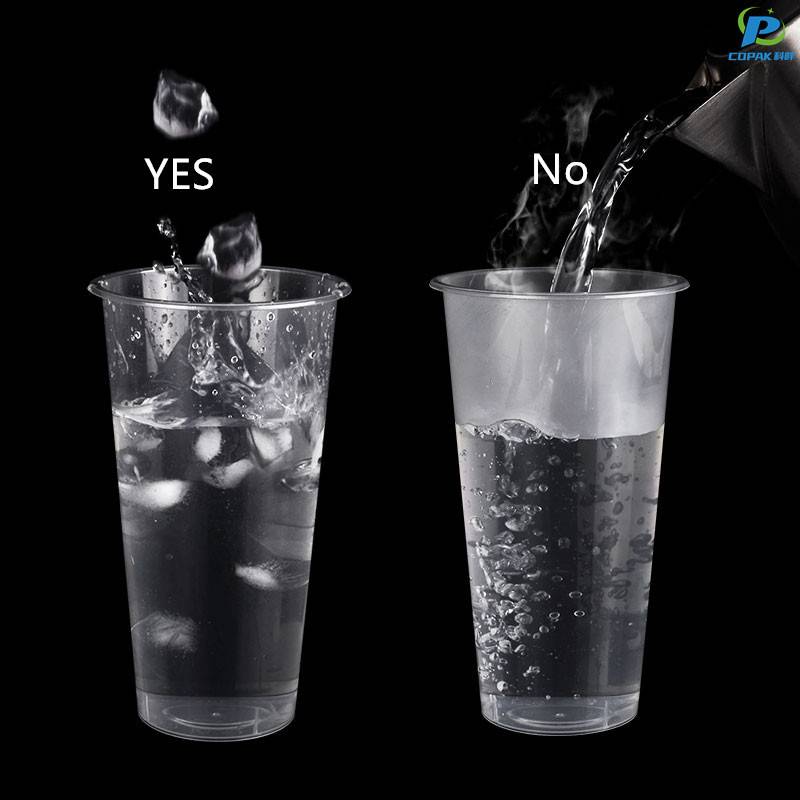
| Recommended Service Temperature | °C | ≤ 60 (short-term) | Short-term hot-fill possible with design adjustments; extended exposure not recommended. |
| Oxygen Transmission Rate (OTR) | cm³/m²/day | ~1 – 3 (23°C, 0% RH) | Typical uncoated PET; barrier layers or coatings reduce OTR for oxygen-sensitive products. |
| Water Vapor Transmission Rate (WVTR) | g/m²/day | ~0.6 – 2 (38°C, 90% RH) | Test conditions affect numbers; PET provides modest moisture barrier. |
| Pressure Resistance (carbonated designs) | bar | Up to 4 – 6 (design dependent) | Bottle geometry and thickness engineered for carbonation retention and drop tests. |
| Compatible Fill Types | — | Still water, juices, iced tea, carbonated beverages (with proper design), some liquid foods | For oils or aggressive solvents, compatibility and liner selection must be verified. |
| Regulatory Compliance | — | Typical compliance: FDA 21 CFR 177.1630; EU Plastics Regulation (e.g. 10/2011) | Final compliance depends on resin grade and intended use; migration testing may be required. |
| Recycled Content Capability | % | 0 – 100 (practical blends 25 – 50) | Up to 100% rPET possible for some non-clear applications; clarity and mechanical properties vary. |
| Color / Finish Options | — | Clear (natural), tinted, opaque (masterbatch) | Clear natural PET preferred for product visibility; pigments affect recyclability streams. |
| Typical Shelf-life Influence | months | 6 – 12 (oxygen-sensitive products without extra barrier) | Actual shelf life depends on product, closure, headspace O2 and storage conditions. |
| End-of-Life | — | Recyclable (mechanical recycling), widely collected in many regions | Requires proper sorting; clear PET has highest market value for bottle-to-bottle recycling. |
Related Products


1000ml PET Bottle Industry Leaders Exceeds Industry Benchmarks
Top Selling Products




- Related Blog
- Reviews
- Reviews
