



Crystal PET Bottles Jars | China Manufacturer for Packaging
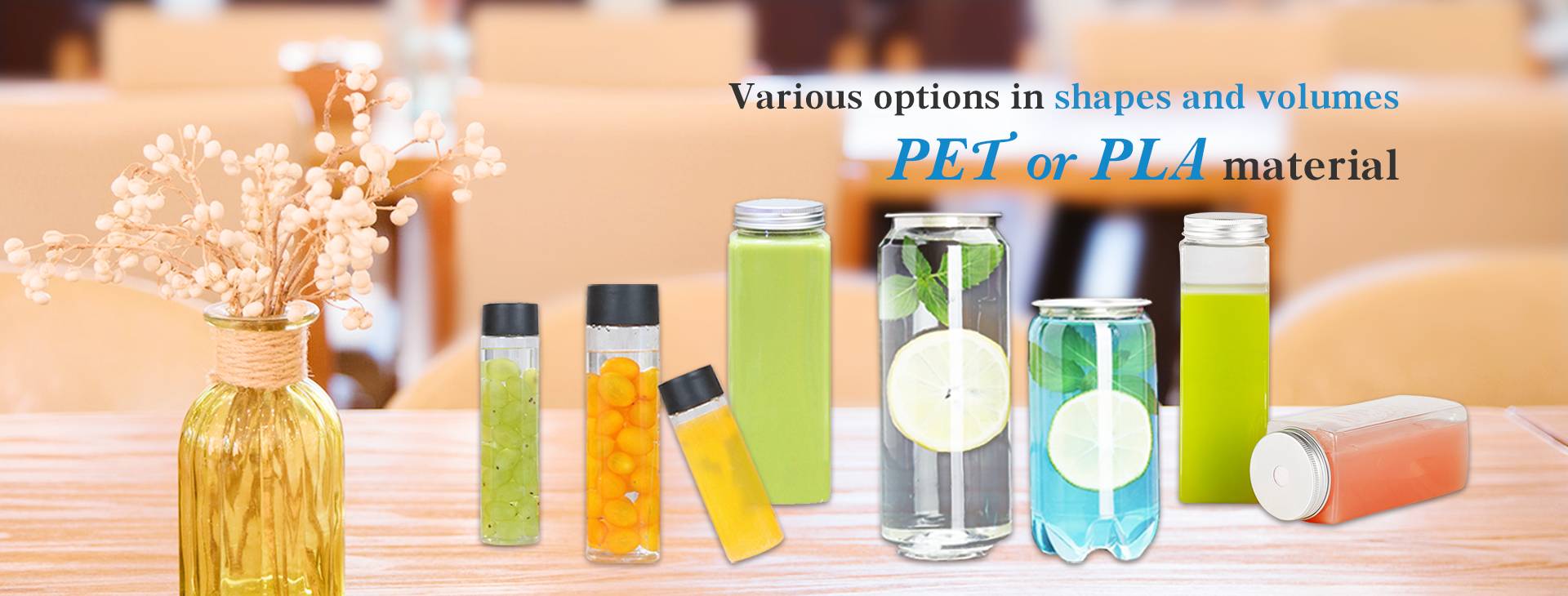
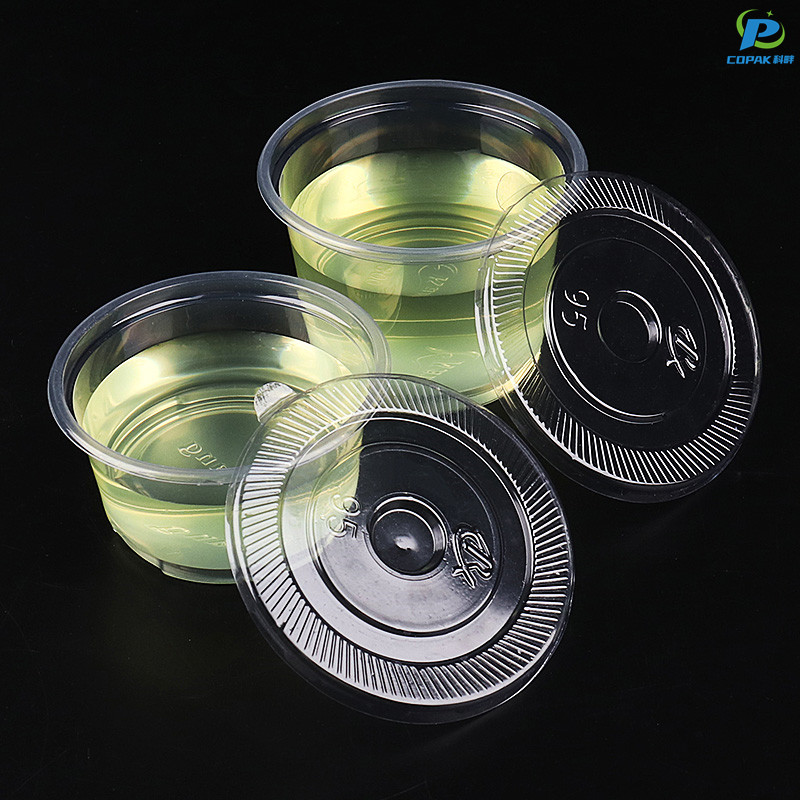
I am a China-based Manufacturer offering Crystal PET Bottles Jars for premium packaging needs. When you source from China, reliability and cost efficiency matter—and I deliver both. Our PET bottles and jars are crystal-clear, lightweight, and shatter-resistant, with food-grade, BPA-free materials that meet international standards. We customize caps, sizes, labels, and volumes to fit your product line, whether it’s beverages, cosmetics, or pharmaceuticals. With tight lead times and scalable production, you can forecast demand and avoid stockouts. I manage strict quality control at every step, from resin selection to finished packaging, and I provide documentation for audits and compliance. If you seek transparent pricing, sample options, and rapid MOQs, we are ready to partner with you. Let me help you reduce total cost while elevating shelf appeal with Crystal PET Bottles Jars that shine on any retailer shelf.


Crystal PET Bottles Jars Factory Guarantees Peak Performance
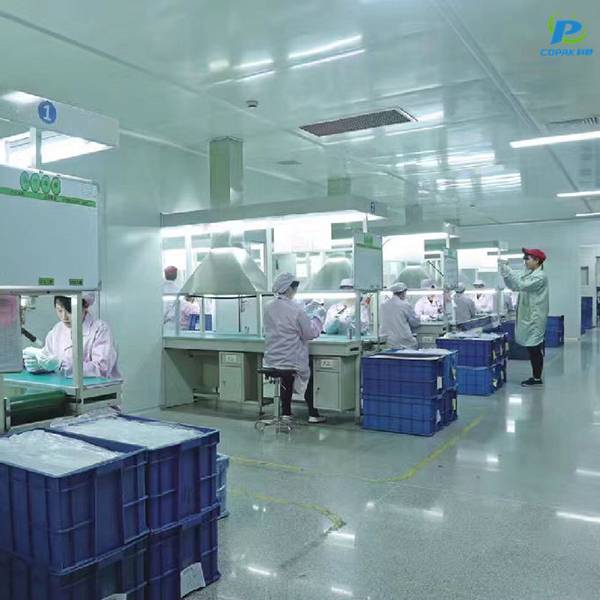
Crystal PET bottles and jars from a dedicated factory deliver peak performance for global markets. Precision-molded PET ensures exceptional clarity and high gloss that enhances shelf appeal while offering lightweight durability, superior impact resistance and reliable barrier properties for cosmetics, food and pharmaceuticals. Advanced stretch-blow molding and post-processing guarantee tight tolerances, consistent thread fit, leakproof sealing and long-term dimensional stability—critical for protecting formulations and ensuring consumer satisfaction. International buyers can expect scalable production, strict quality control at every stage, certified food-safe materials and flexible customization of shapes, colors and volumes. Efficient packaging, logistics solutions and competitive lead times support global supply chains, while sustainable options such as PCR content and fully recyclable designs help brands meet ESG goals. Responsive technical support and sample validation streamline launch cycles, making these crystal PET solutions ideal for premium presentation and operational reliability.
| Product Type | Material | Typical Capacity (mL) | Empty Weight (g) | Dimensions (Ø x H mm) | Neck / Opening (mm) | Closure Type | Transparency | Recyclability | Typical Use Cases |
|---|---|---|---|---|---|---|---|---|---|
| Small PET Bottle | PET (Polyethylene Terephthalate) | 50 | 10 | 28 x 60 | 18 (thread) | Screw cap | Clear | Widely recyclable (PET #1) | Travel-size toiletries, samples |
| PET Bottle (Small) | PET | 100 | 16 | 38 x 85 | 24 (standard) | Screw cap / pump ready | Clear | Recyclable (PET #1) | Cosmetics, small beverages, sanitizers |
| Standard PET Bottle | PET (clarified) | 250 | 28 | 52 x 120 | 28 (28-410) | Screw cap / dispenser | Clear | High recyclability (PET #1) | Beverages, personal care liquids |
| Large PET Bottle | PET (heavy-wall) | 500 | 40 | 66 x 180 | 28 (reinforced) | Screw cap / sports cap | Clear | Widely recyclable | Water, soft drinks, liquid detergents |
| One-Liter PET Bottle | PET (robust) | 1000 | 70 | 90 x 240 | 38 (wide neck) | Screw cap / tamper-evident | Clear | High recyclability | Beverages, bulk liquids, household cleaners |
| PET Jar (Cosmetic) | PET (wide-mouth) | 60 | 22 | 60 x 35 | 63 (wide opening) | Screw lid / inner seal | Clear / frosted | Recyclable with PET stream | Creams, balms, cosmetic samples |
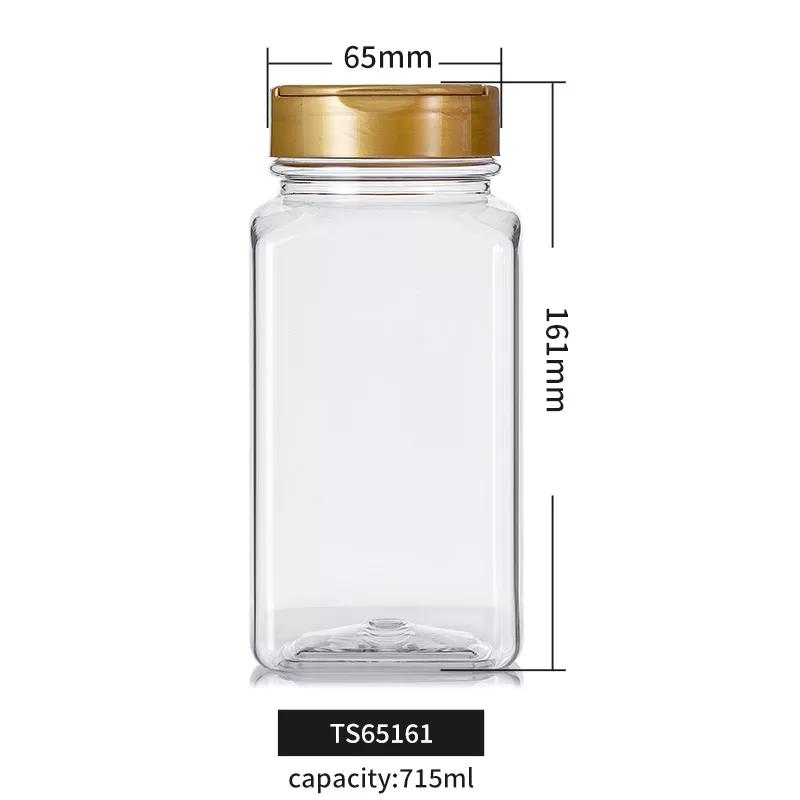
| PET Jar (Medium) | PET (wide-mouth) | 200 | 45 | 88 x 65 | 63 (standard jar) | Screw lid / tamper band | Frosted / opaque options | Recyclable (PET #1) | Food spreads, creams, dry goods |
Related Products




Crystal PET Bottles Jars Stands Out Service Backed by Expertise
Top Selling Products




- Related Blog
- Reviews
- Reviews
