



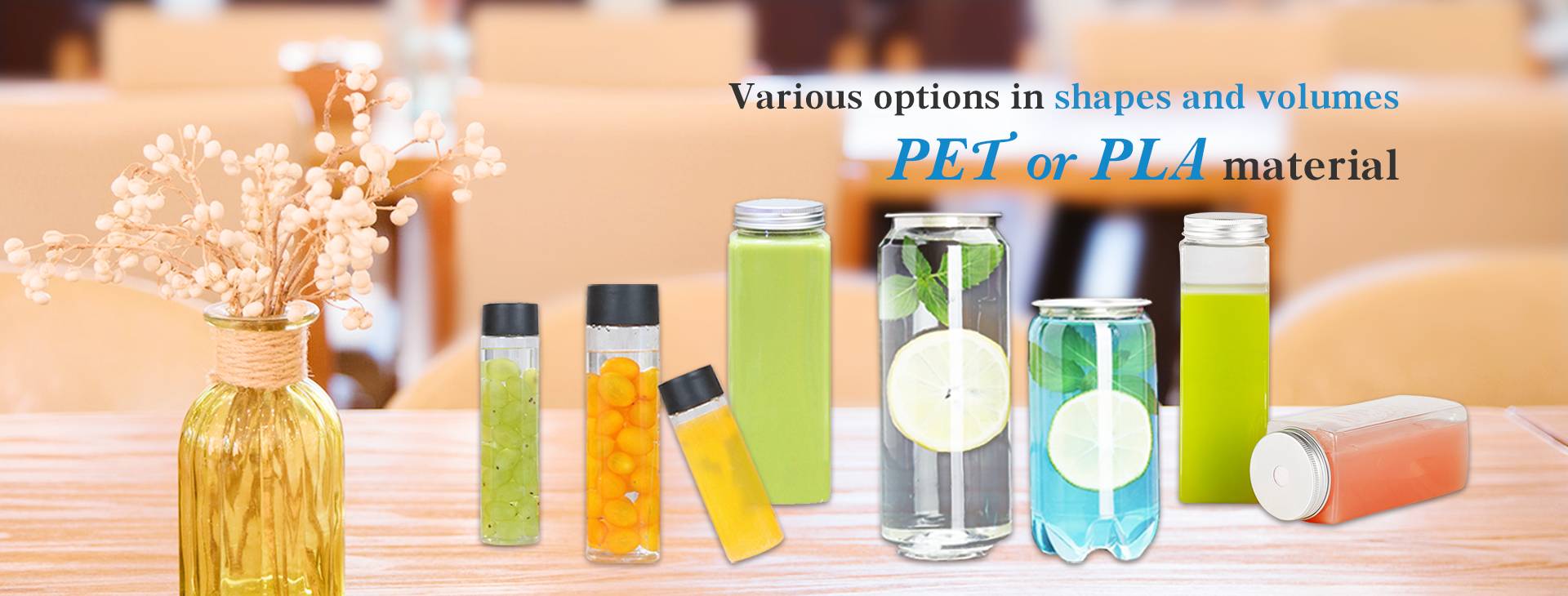
Milk Tea Plastic Bottle - China Manufacturer for Bottled Beverages
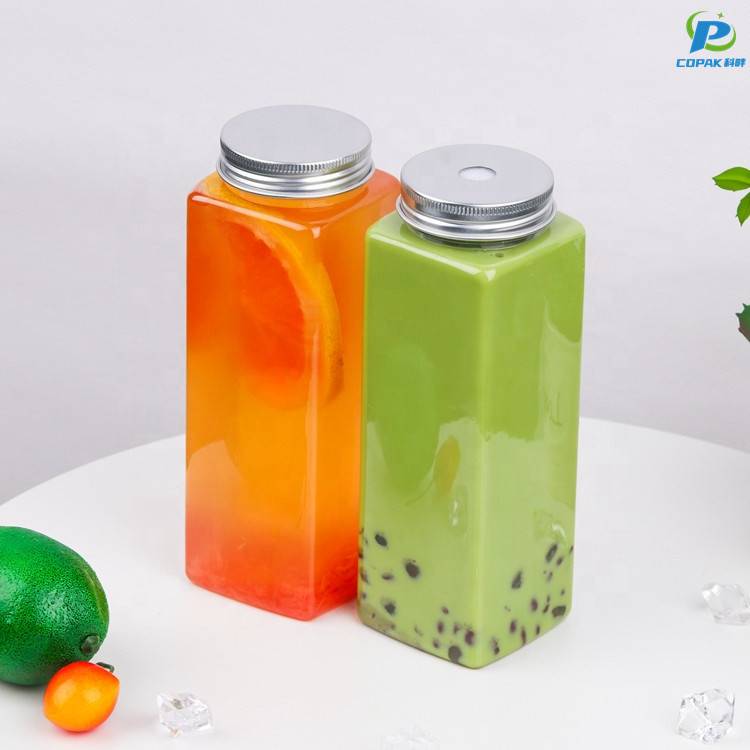
As a China-based manufacturer, I supply the Milk Tea Plastic Bottle that keeps drinks fresh and branding on point. Our bottles are BPA-free, food-grade PET, with excellent clarity, shatter resistance, and leak-proof caps that prevent spills during transport. I offer a range of sizes and neck finishes to fit tea shop countertops and vending machines, plus customization options for label, sleeve, and cap color. Fast production, short lead times, and scalable stock help you meet changing demand. Whether you’re a distributor or a brand, you’ll appreciate our competitive pricing, consistent quality, and robust QA process. I can provide OEM/ODM services and compliance documentation to ensure your product meets China and international standards. If you’re seeking a reliable partner for a Milk Tea Plastic Bottle supply, let me know your target volume and timeline—I’ll tailor a package that fits your market.

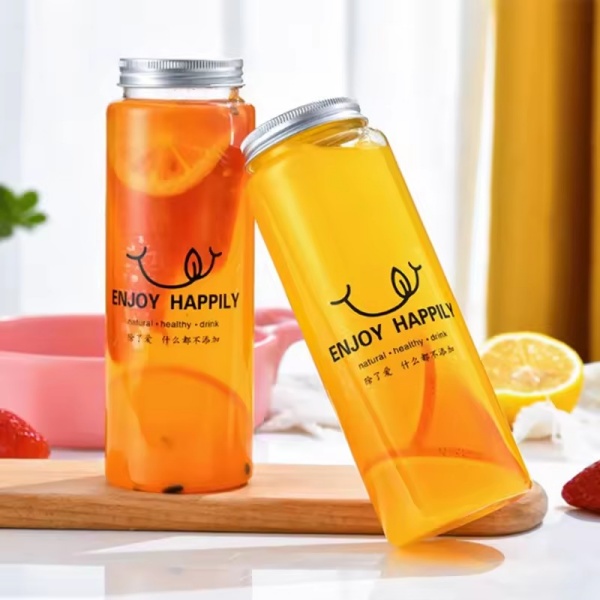
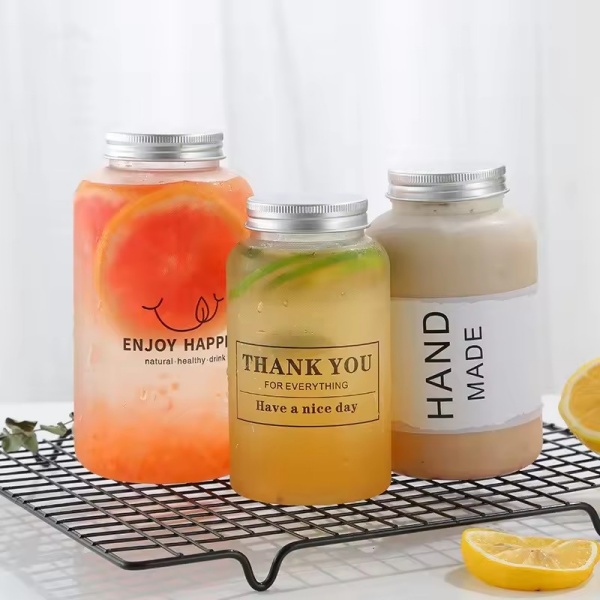


Milk Tea Plastic Bottle Industry Leaders Your End-to-End Solution
As a one-stop partner for milk tea plastic bottle needs, we deliver end-to-end solutions that take ideas from concept to shelf-ready product. Our capabilities include custom design, material selection (PET, rPET, PP, barrier blends), prototyping, injection and blow molding, high-resolution surface decoration, tamper-evident closures, and filling-ready formats. Emphasis on food-grade safety, strict QC, and global certifications ensures product integrity and regulatory compliance across markets. For global buyers seeking reliability and scalability, we offer flexible MOQs, competitive lead times, optimized packaging for ocean/air freight, and sustainable options such as PCR content and lightweight designs to reduce cost and carbon footprint. Technical support, production transparency, and logistics coordination simplify sourcing so brands can focus on market growth while receiving consistent, cost-effective supply.
| Dimension | Common Options / Values | Industry Average / Typical | Notes & Relevance to Milk Tea Bottles |
|---|---|---|---|
| Primary Materials | PET, rPET blends, HDPE, PP (caps) | PET dominant (~65–75% for clear cold beverages) | PET offers clarity, low odor transfer and low weight—preferred for chilled milk tea. rPET content varies by region (10–30%). |
| Common Capacities (mL) | 200, 250, 300, 350, 500 | 300–500 mL most common for milk tea | Size selection balances portion, dispensing equipment and logistics. 300–350 mL often used for single-serve milk tea. |
| Bottle Type / Form | Straight-wall, contoured, wide-mouth (for pearls), sleeve-ready | Straight or lightly contoured bottles (~80% of SKUs) | Wide-mouth helps for tapioca pearls; sleeveable designs support shrink labels and branding while preserving material choices. |
| Closure Types | Screw caps (PP), tamper bands, sports caps, induction seals | Screw cap with tamper-evident band (~85%) | Screw caps ensure ease of use; induction seals extend shelf life and prevent leaks in transit. |
| Wall Thickness (mm) | 0.20–0.60 mm (PET typical) | Typical 0.28–0.45 mm for 300–500 mL bottles | Thickness affects drop performance, perceived quality, and material usage—optimized for weight vs. durability. |
| Barrier Performance | Standard PET (moderate gas barrier); EVOH/coating options for enhanced O2/H2O barrier | Standard PET adequate for chilled, short shelf-life drinks; enhanced barrier used when shelf life >30 days | Milk tea with dairy or flavors may require improved barrier if distribution or shelf life is extended. |
| Recyclability & rPET Content | Technically recyclable (PET); common rPET content 10–30% in finished bottles | Technical recyclability 100%; post-consumer recycling rates vary regionally (10–50%) | Label choice and cap material impact sorting; increasing rPET content and mono-material designs improve circularity. |
| Manufacturing Methods | Injection stretch blow molding (ISBM), extrusion blow molding (less common for clear PET) | ISBM dominant (>90% for PET beverage bottles) | ISBM delivers consistent clarity, strength and material distribution for high-volume milk tea SKUs. |
| Typical Lead Time (molded bottles) | Standard designs faster; custom molds add time | 4–12 weeks (6–8 weeks typical for standard customization) | Tooling and decoration choices drive lead time; allow extra for regulatory testing when changing materials/additives. |
| Certifications & Standards | Food-contact compliance (FDA, EU/EFSA), ISO 9001, ISO 14001, BRC Packaging | Food-contact compliance mandatory; ISO & BRC common for large suppliers | Ensure migration testing and documentation for dairy/flavored products; certifications often required by retailers. |
| Sterilization / Thermal Compatibility | Cold-fill, pasteurization (limited), hot-fill (PP or special polymers) | Cold-fill standard; PET tolerates short pasteurization cycles up to ~70–75°C with design adjustments | Choose material and preform design carefully if pasteurization is required for milk tea stability; hot-fill best avoided with standard PET. |
| Typical Carbon Footprint (per bottle) | Range depends on size and recycled content | ~40–120 g CO2e per bottle (e.g., ~80 g CO2e typical for a 500 mL PET bottle with partial rPET) | Increasing rPET content and optimizing weight reduces footprint; shipping distance and energy mix key contributors. |
| Quality Control Metrics | Leak rate, dimensional tolerances, drop test, headspace O2 | Leak rate target <0.1%; drop test survival commonly >1.5 m | Tight QC required for shelf consistency and to avoid spoilage/returns—especially for pearl-containing milk tea where seal integrity is critical. |
| Mechanical Properties | Tensile strength, ESCR, impact resistance | PET tensile strength ~60–75 MPa; density ~1.38 g/cm³ | Mechanical specs ensure stacking and transport performance; modify orientation and thickness for performance trade-offs. |
| Typical Fill Temperature | Cold-fill (4–25°C), pasteurization windows (~60–75°C) | Most milk tea lines cold-fill; pasteurized SKUs limited and require validated designs | Control fill temp to avoid deformation and maintain seal integrity—consider expansion venting for heated fills. |
| Recommended Storage Conditions | Cool, dry, away from sunlight | 4–25°C, avoid prolonged UV/heat exposure | Temperature control preserves product quality and reduces packaging stress/deformation. |
| Preferred Supply Regions | Asia (manufacturing hubs), Europe, North America (value-added finishing) | Regional sourcing common to minimize freight; Asia remains primary for high-volume PET production | Local regulations and recycling infrastructures influence material and design choices for market entry. |
Related Products


Milk Tea Plastic Bottle Custom Solutions, More Than a Supplier - A Partner
Top Selling Products




- Related Blog
- Reviews
- Reviews
