



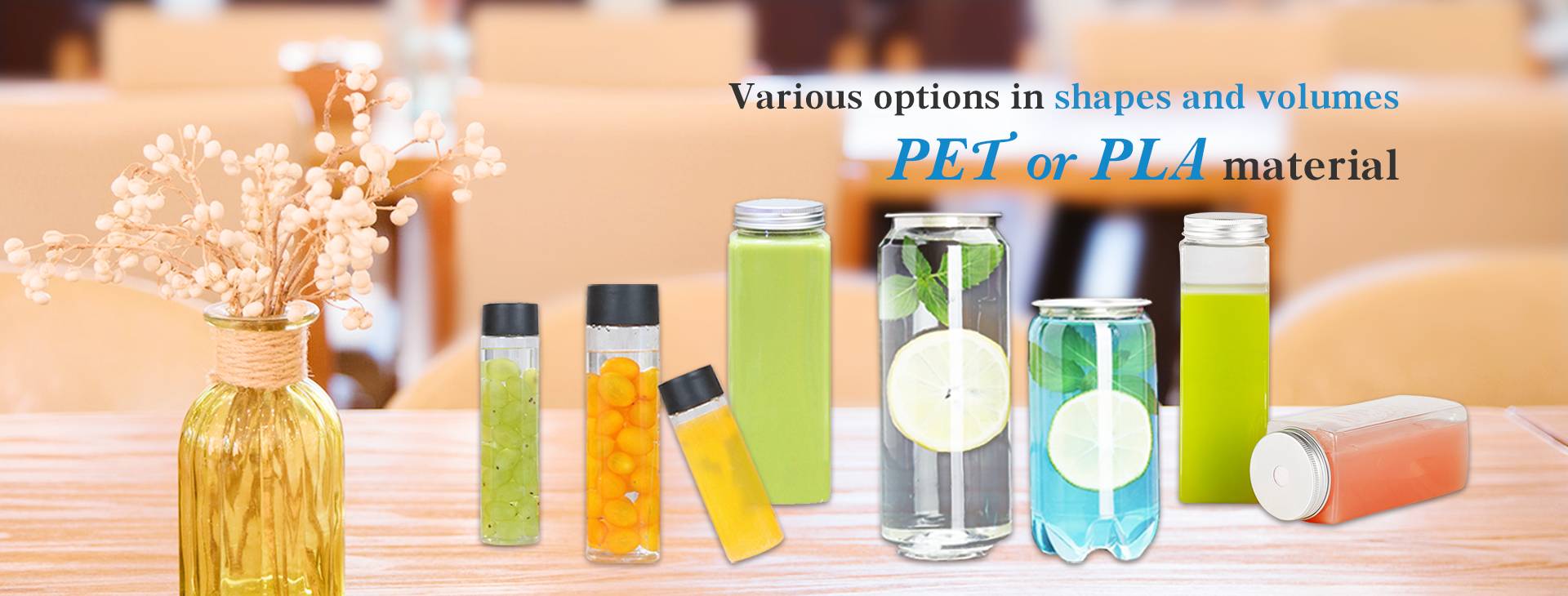
16oz PET Bottles - China Manufacturer for Trusted Brands
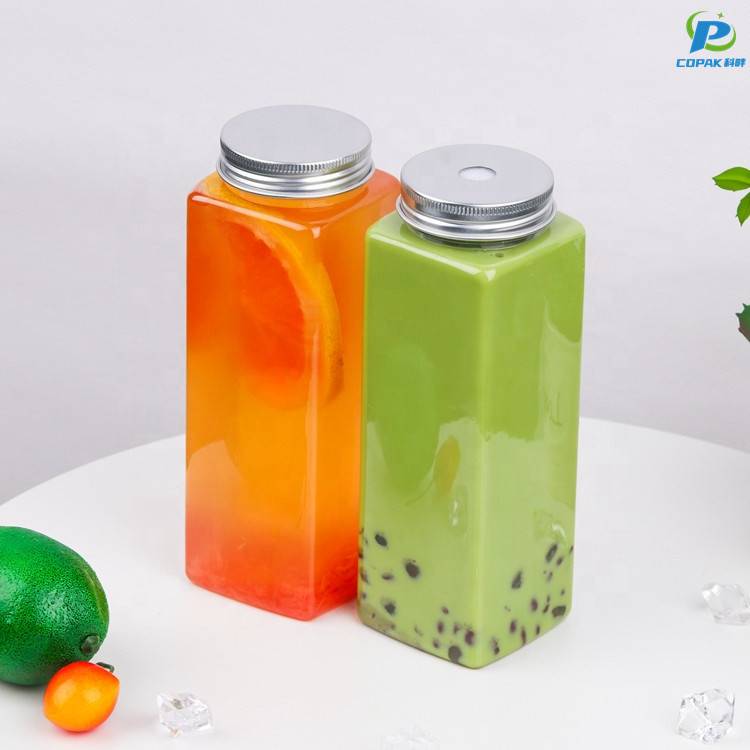
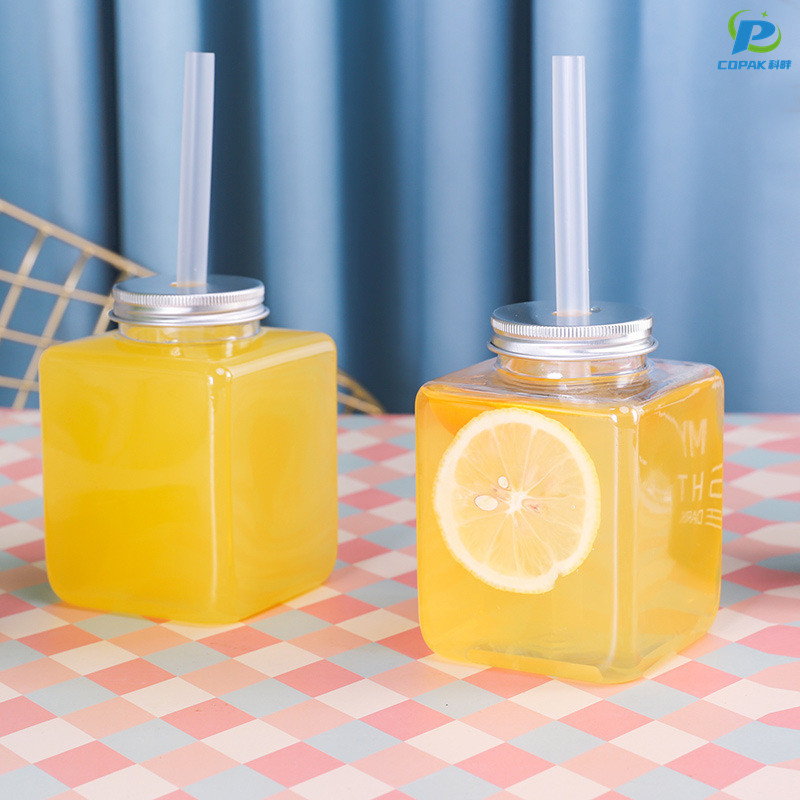
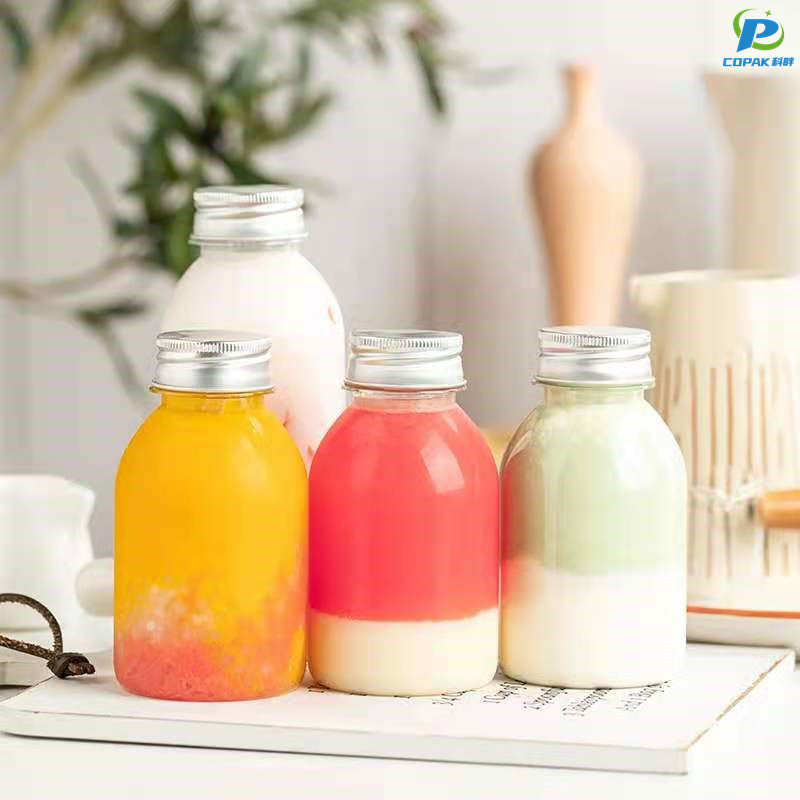
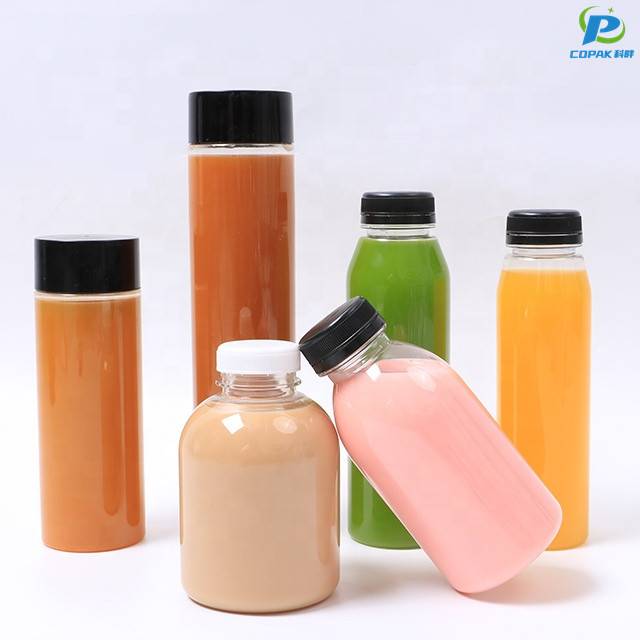
As a {China} {Manufacturer}, I know how crucial dependable packaging is for growth. Our {16oz PET Bottles} deliver consistent performance from production to shelf. They are light, impact resistant, and made from food-grade PET, giving a crystal-clear finish that shows your product beautifully. With standard 28mm neck finishes and customizable caps, these bottles fit most beverage, cosmetic, and kitchen-oil lines. In production we emphasize traceability, leak-proof liners, and even post-consumer resin options for sustainability claims. Bulk pricing, short lead times, and scalable configurations help you respond to demand in {China} and beyond. I offer sample sets for evaluation, plus private labeling and labeling compatibility so you can speed time-to-market with a trusted factory partner. If you’re seeking a steady supply from a reliable {Manufacturer}, these {16oz PET Bottles} could be the right fit for your brand.
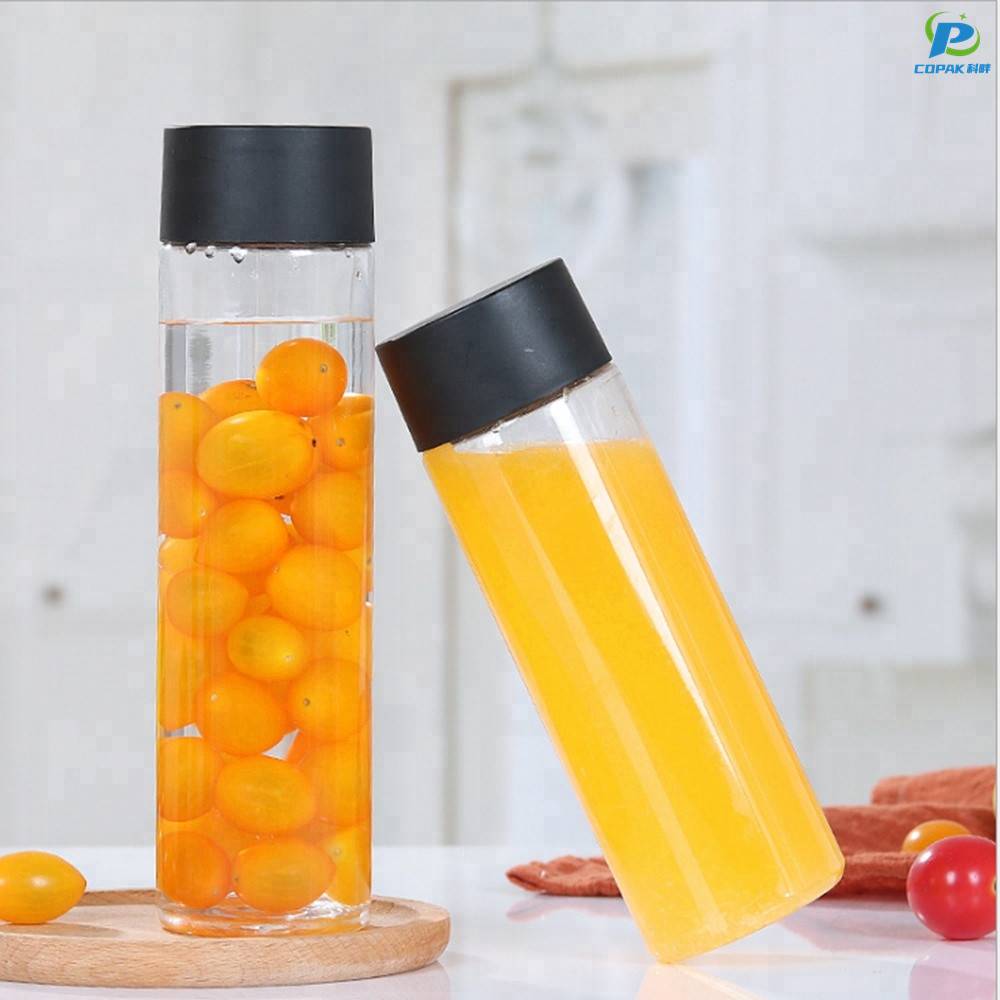


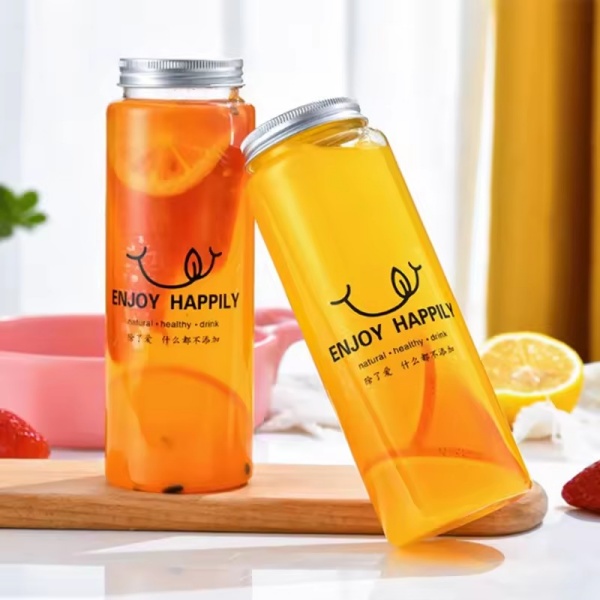
16oz PET Bottles Industry Giant Now Trending
The global demand for 16oz PET bottles is surging as brands look for lightweight, durable and recyclable packaging that supports fast production and shelf appeal. As an industry frontrunner, we offer clear, amber and custom-colored 16oz PET solutions engineered for beverage, personal care and household markets—featuring tight tolerances, excellent barrier performance and compatibility with hot-fill and cold-fill processes to protect product integrity while lowering transportation costs. Our integrated manufacturing and logistics capabilities ensure competitive pricing, scalable monthly capacity and strict quality control backed by international certifications. Buyers can access design support, private-label options, rapid prototyping and consolidated global shipping to shorten lead times and simplify sourcing. For procurement teams seeking consistency, sustainability and timely delivery, these 16oz PET bottles present a practical, cost-effective choice for global distribution.
| Dimension | Indicator | Value | Notes / Context |
|---|---|---|---|
| Product Volume | Net capacity | 16 fl oz (473 mL) | Standard U.S. single-serve bottle volume commonly used for water and RTD beverages. |
| Material | Polymer | Polyethylene terephthalate (PET / PETE) | Widely used for clear, lightweight beverage containers; food-contact approved in major jurisdictions. |
| Resin ID | Recycling code | 1 (PETE) | Accepted by many curbside and deposit programs; primary feedstock for rPET production. |
| Typical Empty Mass | Bottle weight (lightweight range) | ~12–18 g (dependent on design) | Mass varies by base geometry, wall thickness, and required pressure rating for carbonated products. |
| Geometry | Wall thickness | ~200–400 µm (typical) | Thicker walls used for carbonated beverages or pressurized applications; thin walls for still beverages. |
| Physical Property | Density | ≈1.38 g/cm³ | Bulk material density for solid PET; affects weight-to-strength trade-offs in bottle design. |
| Thermal | Glass transition / Melting | Tg ≈70–80°C; Melting ≈250–260°C | Limits for hot-fill operations and sterilization processes; design adaptations required for high-temp uses. |
| Closures | Common cap types | Screw cap (PP), tamper-evident ring, sport cap | Closures typically polypropylene; liners and seals ensure product integrity and CO₂ retention. |
| Applications | Common beverage types | Still water, flavored water, juices, sports drinks, iced tea | 16oz size targets single-serve hydration and on-the-go consumption segments. |
| Carbonation | CO₂ retention / Shelf | Months to 12+ months depending on barrier | Standard PET acceptable for many carbonated drinks; barrier-enhanced or multilayer PET used for extended shelf-life. |
| Regulatory | Food contact status | US FDA accepted; EU Regulation (EU) No 10/2011 applies | Compliance requires authorized additives and migration limits be met for food-grade use. |
| End-of-life | Recyclability / rPET use | High recyclability; rPET widely used in fibers and containers | Actual recycled content and circularity depend on collection infrastructure and sorting quality. |
| Recycling Rates (approx.) | Regional examples | EU ~58%; USA ~29%; Japan ~80–85% | Collection and processing rates vary; Japan and several EU countries have well-established bottle collection schemes. |
| Production Footprint | Regional share (approx.) | Asia‑Pacific ~50–60%; North America ~15–20%; Europe ~15–20% | Asia-Pacific leads global PET bottle production due to large beverage manufacturing base and converters. |
| Manufacturing | Primary process | Injection stretch blow molding (ISBM) | ISBM is the standard process for producing lightweight, high-strength beverage bottles at scale. |
| Industry Trends | Key drivers | Lightweighting, greater rPET content, refillable systems, barrier tech, circular packaging | Sustainability-driven regulations and consumer demand accelerate rPET adoption and design for recyclability. |
| Notes: Values and regional figures are representative industry-level estimates and standard physical properties for PET. Specific designs and local regulatory requirements may alter performance and recyclability outcomes. | |||
Related Products
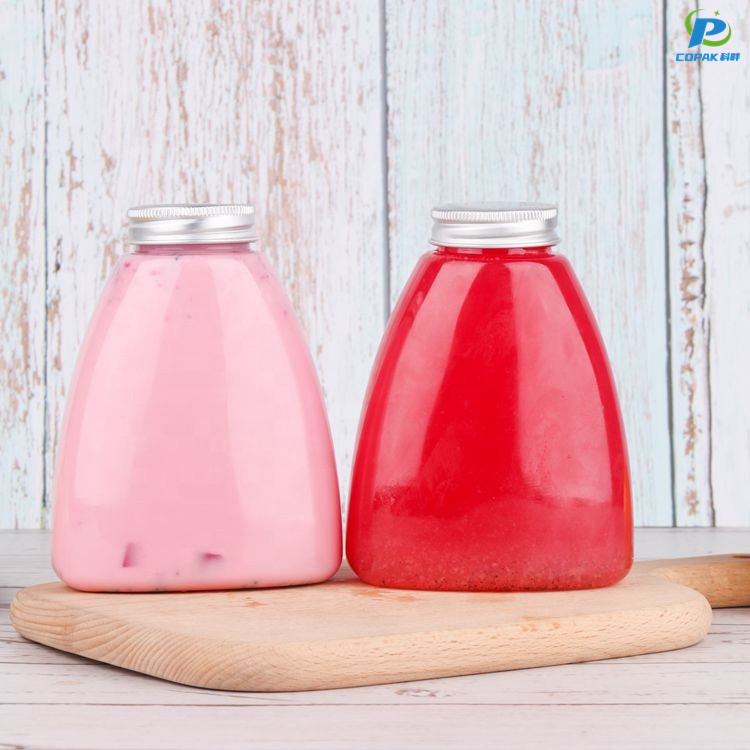



16oz PET Bottles Sets the Industry Standard Supplies the World\u2019s Top Brands
Top Selling Products







- Related Blog
- Reviews
- Reviews
