



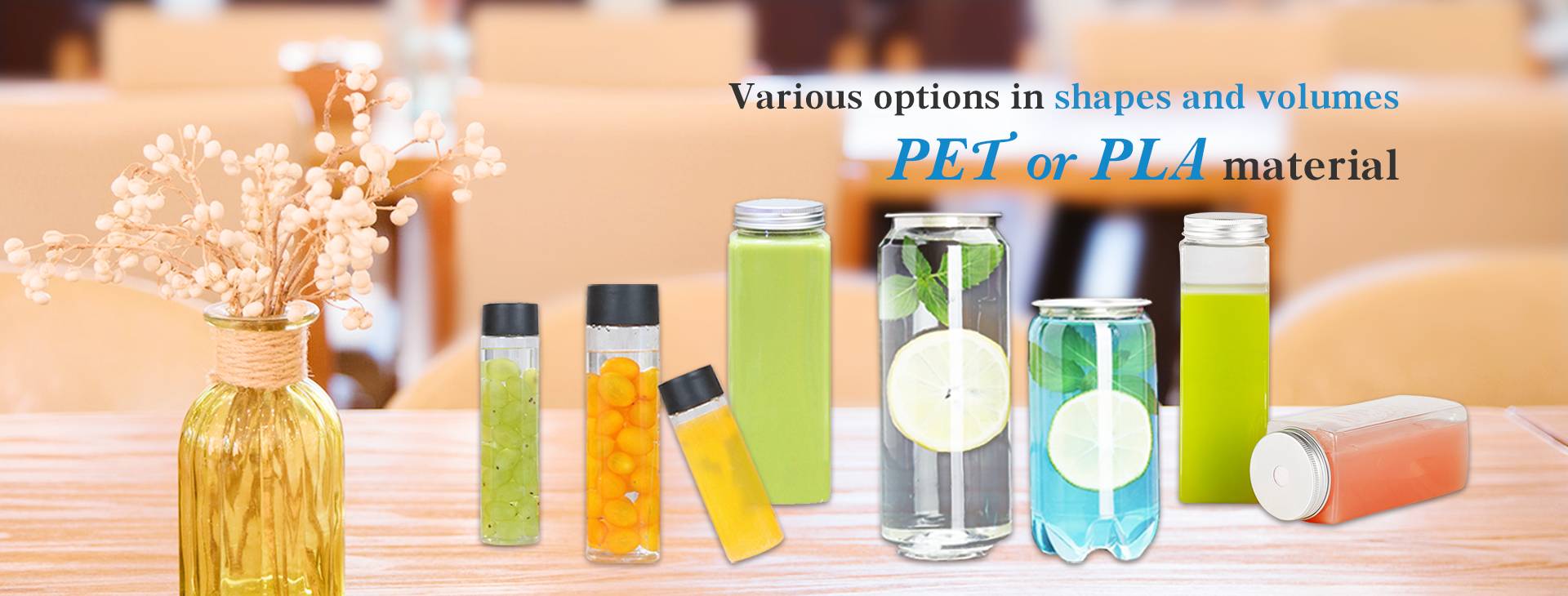
PET Cup Lids: China Manufacturer for Food-Grade Containers
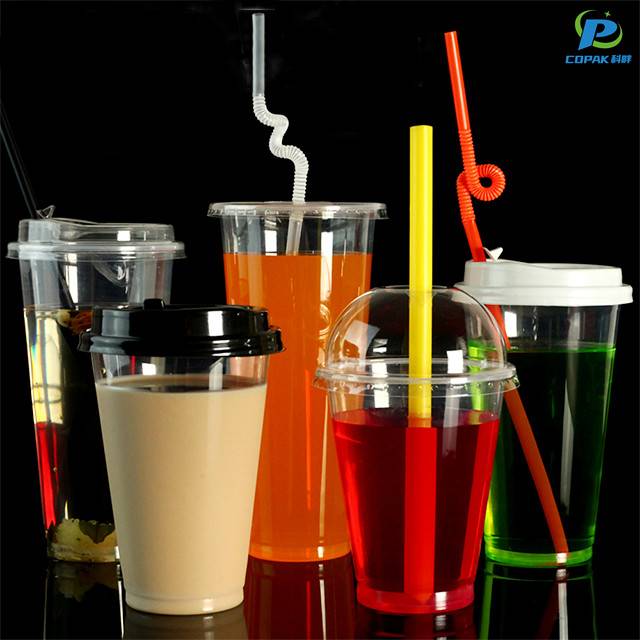
From China, I’m a dedicated Manufacturer of PET Cup Lids, designed for high-volume cafés, bakeries, and packaging brands. We offer a range of clear, BPA-free lids that seal securely on standard cup sizes, provide splash resistance, and feature a reliable straw-hole closure. Our lids are food-grade, comply with international standards, and work with hot or cold beverages. I source materials from trusted suppliers to ensure consistent thickness, clarity, and minimal leakage. As a B2B partner, we provide competitive pricing, flexible MOQs, and quick lead times. I know the buyer journey—quality, traceability, and dependable supply matter most—so we supply batch certificates, datasheets, and ready-to-manufacture packaging designs. If you’re evaluating suppliers in China for PET Cup Lids, I invite you to review samples, tailored sizes, and optional print finishes. Let’s build a long-term cooperation that scales with your brand.


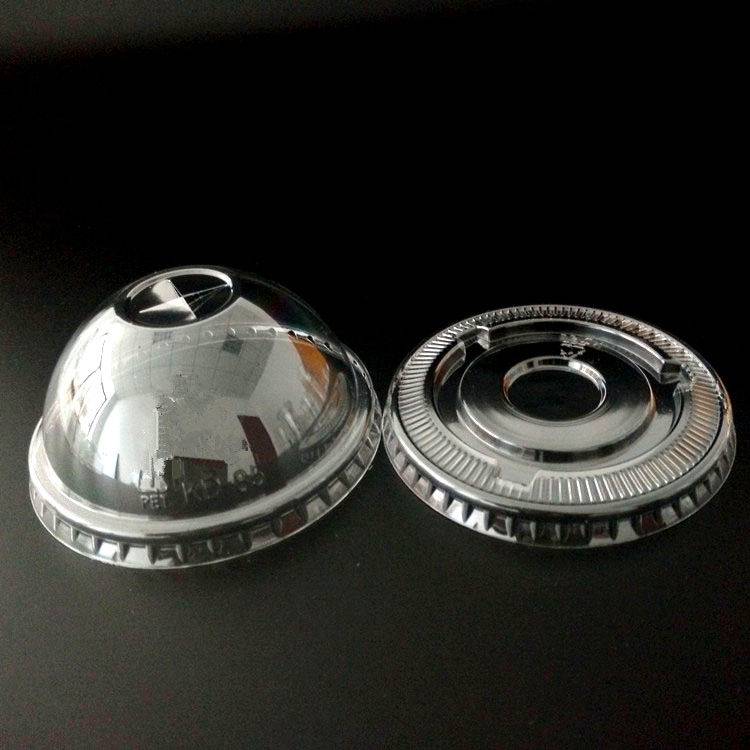
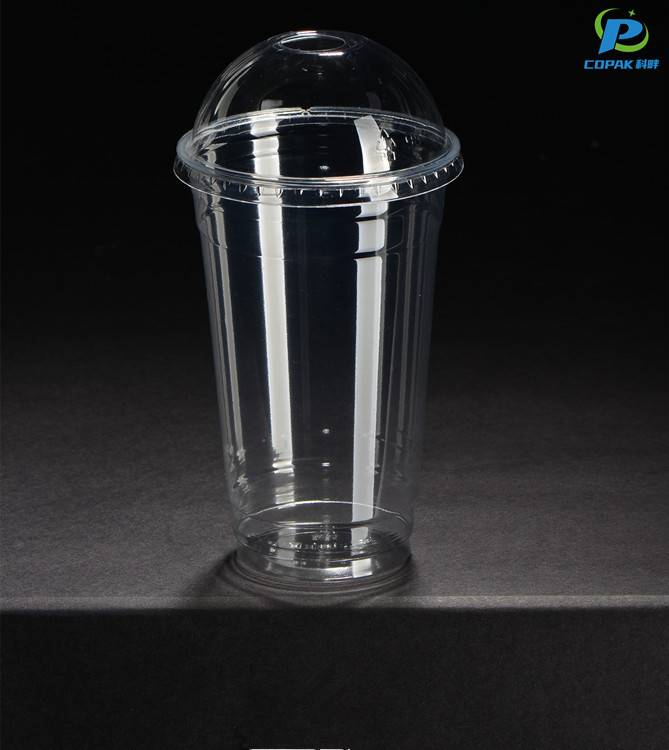


PET Cup Lids Manufacturer Pioneers in the Field
As a Shanghai-based pioneer in PET cup lid manufacturing, our factory combines advanced injection molding, in-house toolmaking and continuous R&D to deliver lightweight, food-grade PET lids that meet global market demands. We specialize in tamper-evident, leak-resistant and stackable designs with full customization options—colors, vents, tamper bands and logo embossing—while optimizing material use for cost and performance. Global buyers benefit from robust quality control, international certifications, flexible MOQs, reliable lead times and export experience across continents. Sustainable options using rPET and minimalist packaging reduce carbon footprint and cost. We partner with clients to develop tailored solutions, provide rapid samples and OEM/ODM support to ensure smooth sourcing and long-term supply stability.
{ PET Cup Lids Manufacturer Pioneers in the Field}
| Lid Type | Material | Thickness (µm) | Compatibility (Ø mm) | Avg Weight / Lid (g) | Recycled Content (%) | Prod. Capacity (units/hr per line) | Lead Time (days) | Heat Stability (°C) | Leak Resistance (1-5) | Tensile Strength (MPa) | CO2e / 1000 lids (kg) | Certifications (food contact) | Typical Applications |
|---|---|---|---|---|---|---|---|---|---|---|---|---|---|
| Clear Flat Press-Fit Lid | PET (clarified) | 120 | 60–90 | 0.9 | 10 | 50,000 | 10–14 | ≤70 | 3 | 55–65 | ~2.5 | FDA 21 CFR; EU No 10/2011; ISO 9001 | Cold beverages, takeout cups, water |
| Dome Sip-Through Lid | PET (formable) | 160 | 90–105 | 1.6 | 15 | 35,000 | 12–18 | ≤70 | 4 | 60–70 | ~2.8 | FDA 21 CFR; EU No 10/2011; ISO 14001 | Smoothies, iced coffee, specialty cold drinks |
| Hinged Flip Lid (snap) | PET (rigid) | 220 | 60–80 | 2.4 | 20 | 20,000 | 18–25 | ≤75 | 4 | 55–60 | ~3.2 | FDA 21 CFR; EU No 10/2011 | Hot lids not recommended; cold salads, dressings, secure closures |
| Cross-Slit (X-slit) Straw Lid | PET (thin-form) | 130 | 65–95 | 1.0 | 12 | 45,000 | 10–15 | ≤70 | 3 | 50–60 | ~2.4 | FDA 21 CFR; EU No 10/2011 | Juices, cold drinks with straw access |
| Heat-Seal Compatible Lid | PET (high-temp grade) | 250 | 70–110 | 3.0 | 5 | 15,000 | 20–30 | ≤80 | 5 | 65–75 | ~4.0 | FDA 21 CFR; EU No 10/2011; BRC packaging standards | Sealed cold-fill & retort-similar applications (cold seals) |
| Ultra-Thin Lightweight Lid (rPET blend) | PET with rPET | 90 | 60–85 | 0.6 | 30 | 60,000 | 14–20 | ≤65 | 2 | 50–55 | ~1.8 | FDA 21 CFR; EU No 10/2011 | High-volume beverage chains, sustainability-focused SKUs |
Related Products

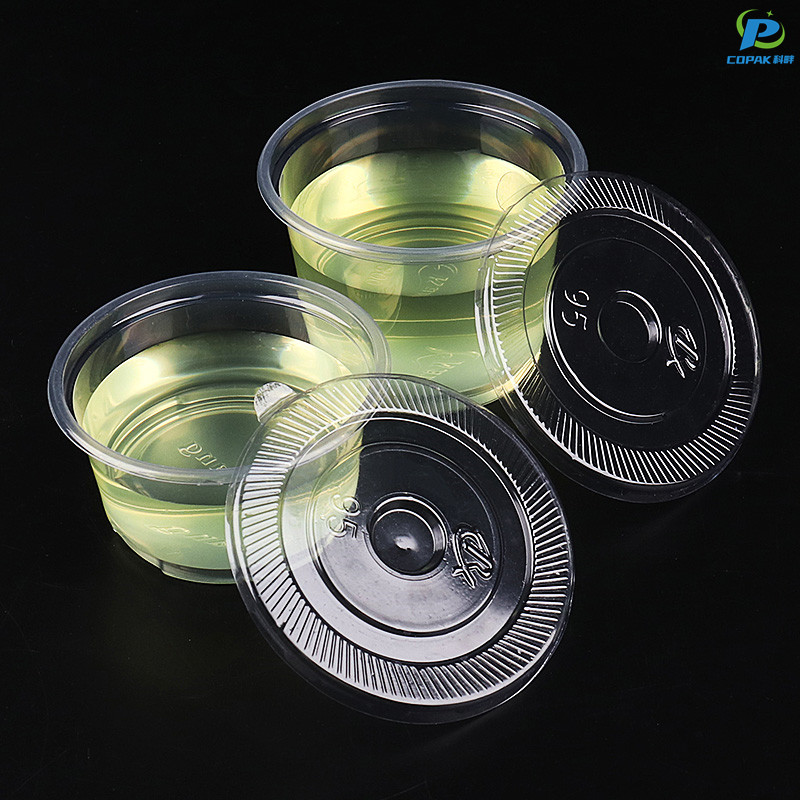


PET Cup Lids Stands Out Winning in 2025
Top Selling Products





- Related Blog
- Reviews
- Reviews
