



Plastic Cup For Salad - China Manufacturer | Premium Food Cups
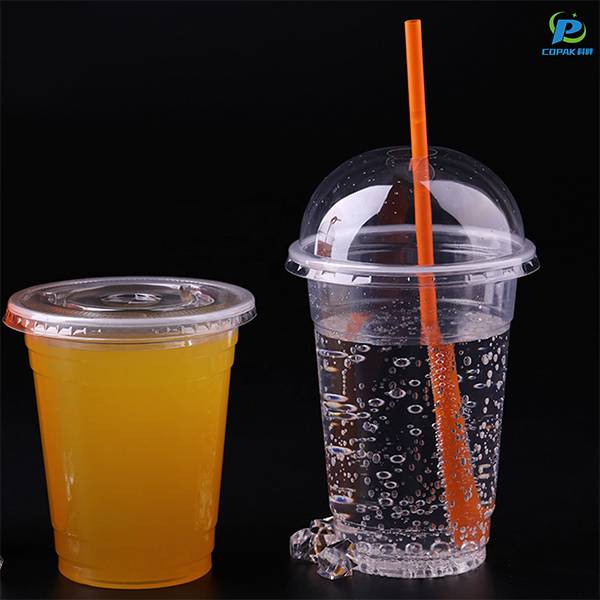
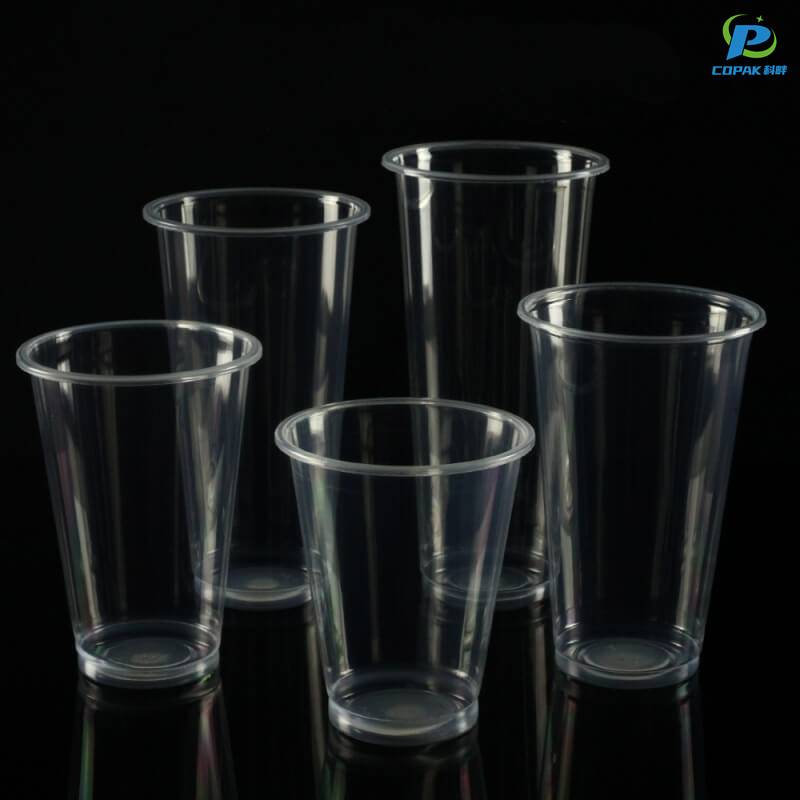
As a China-based manufacturer, I supply dependable Plastic Cup For Salad to wholesale and foodservice buyers. My cups combine crystal clarity with durable wall strength, making salads look as fresh on day one as they arrive. They are food-grade, BPA-free, and compatible with standard clamshell packaging, lids, or sleeves to fit your branding. I offer a range of capacities, from 8 oz to 16 oz, with leak-resistant seals and stackable design to maximize shelf life and reduce shipping costs. Customization is available: logo printing, color lids, and specialized sizes to match your menu. With strict QA, SGS and ISO-certified processes, you can count on consistent performance and compliance for the restaurant, catering, or retail channels. Lead times are short, and we can scale with your demand in China or export to global markets. If you need samples or a competitive quote, let me know your specs and we’ll respond promptly.


Plastic Cup For Salad in 2025 Ahead of the Curve
In 2025, plastic salad cups have evolved from basic disposables into high-performance packaging that balances convenience, food safety and sustainability. Modern PET/PP blends deliver crystal clarity and strength, while leak‑proof lids with dressing compartments, tamper‑evident seals and anti‑fog coatings extend shelf appeal and reduce waste. Buyers can choose recyclable or compostable polymers and BPA‑free formulations certified to FDA and EU standards to meet diverse market requirements. For global purchasers, these advances translate into scalable, cost‑efficient solutions for retail and foodservice. Flexible OEM/ODM options, custom sizes and full‑color printing support private‑label differentiation, while rigorous quality control and optimized logistics ensure consistent supply and fast time‑to‑market. The result is a future‑proof salad cup that helps brands meet sustainability goals, satisfy consumer convenience and stay ahead of regulatory trends.
| Parameter | Typical Value / Range | Unit | Method / Notes |
|---|---|---|---|
| Primary materials | PET (clear), PP (opaque/clear), rPET blends | — | Common polymers used for salad cups in 2025; rPET indicates recycled content blends |
| Typical cup weight (single-use) | 8 – 18 | g | Depends on capacity and wall thickness; lightweight designs target 10–12 g |
| Capacity range | 250 – 900 | ml | Most common sizes for single-serve and sharing salads: 350–750 ml |
| Typical external dimensions | Ø 90–140 × H 60–160 | mm | Diameter (top) and height vary by capacity and lid design |
| Wall thickness (typical) | 0.35 – 1.2 | mm | Forming method (thermoforming vs. injection) influences thickness |
| Percentage recycled content (common) | 0% – 50% | % | rPET blends increasing; higher recycled content often lowers embodied carbon |
| Recyclability (real-world) | High for PET; Moderate for PP | — | Depends on local collection streams and contamination from food residues |
| Carbon footprint per cup (cradle-to-gate) | 30 – 120 | g CO2e | Range driven by material (rPET lower), manufacturing efficiency and transport; values representative of typical LCAs |
| Compostability / Biodegradability | Not compostable (conventional) / Compostable variants available | — | If compostable, must meet EN 13432 or ASTM D6400; conventional PET/PP are not industrially compostable |
| Heat resistance (use limit) | PP: 90–120 ; PET: up to 70–80 | °C | PP suitable for warmer dressings; PET better for chilled salads |
| Melting point (approx.) | PET: ~250–260 ; PP: ~160–170 | °C | Indicative polymer melting ranges used for processing decisions |
| Leakage test: lid-on tilt test | 95 – 99 | % pass | Standard test: filled cup with lid, tilted 90° for 30 s; well-designed systems exceed 95% pass |
| Food-contact regulatory compliance | Complies with common regional rules | — | Typical compliance references: US FDA food-contact regulations, EU Framework Regulation (EC) No 1935/2004; specific formulations tested as required |
| Typical consumer satisfaction (2025 prototypes) | 4.1 – 4.4 | /5 | Average score across usability, leak resistance, perceived sustainability |
| Waste mass per 1,000,000 cups (example) | ~12,000 | kg | Based on 12 g average weight × 1,000,000 units = 12,000 kg (12 metric tons) |
| Market trend (growth 2020–2025) | ~4.2 | % CAGR | Estimated growth for single-use salad and fresh-food cups driven by convenience demand and evolving sustainability options |
| Typical end-of-life recommendations | Recycle (if clean) / Separate organic waste for compostable variants | — | Cleaning to remove food residue improves recycling yields; compostable cups require industrial composting where certified |
Related Products
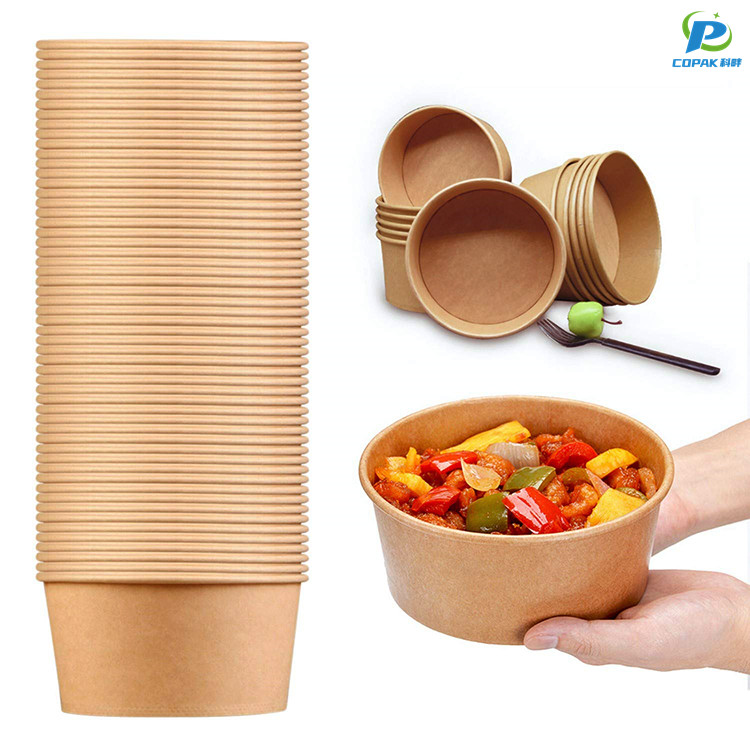


Plastic Cup For Salad Products Delivers Unmatched Quality
Top Selling Products






- Related Blog
- Reviews
- Reviews
