



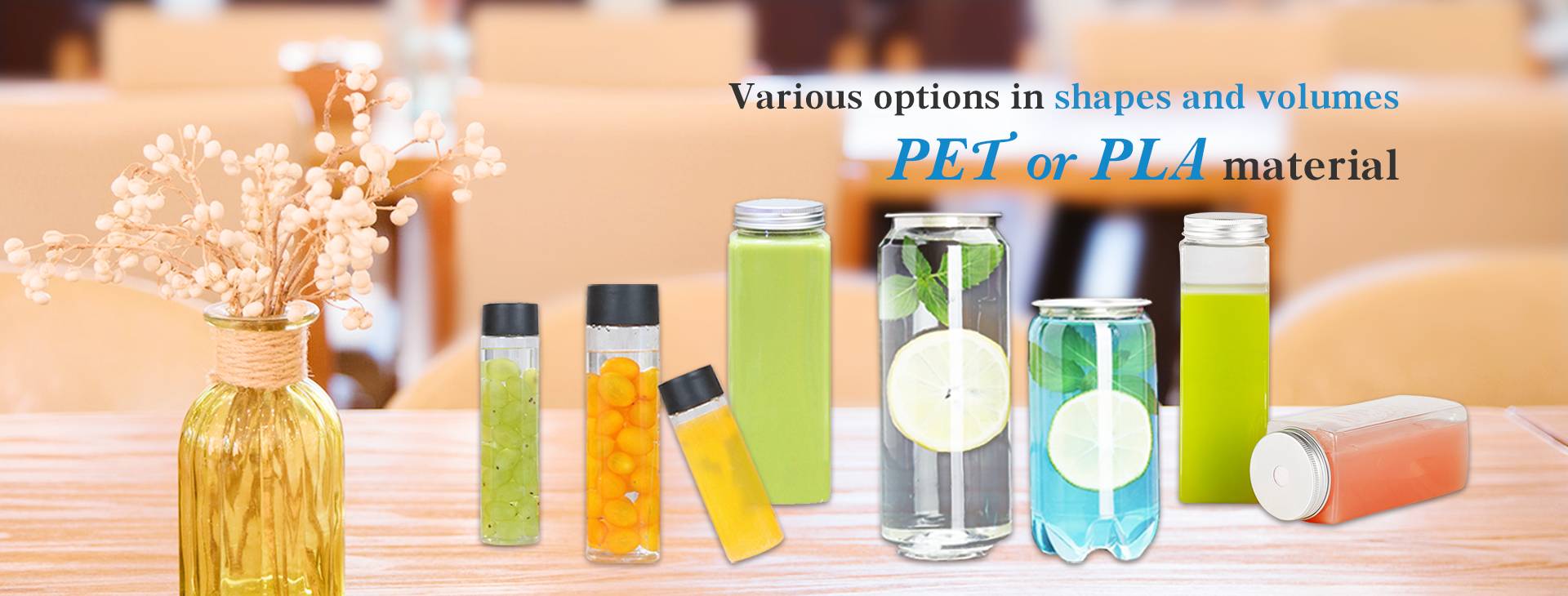
PET Bottle 350ml - China Manufacturer for Packaging Solutions
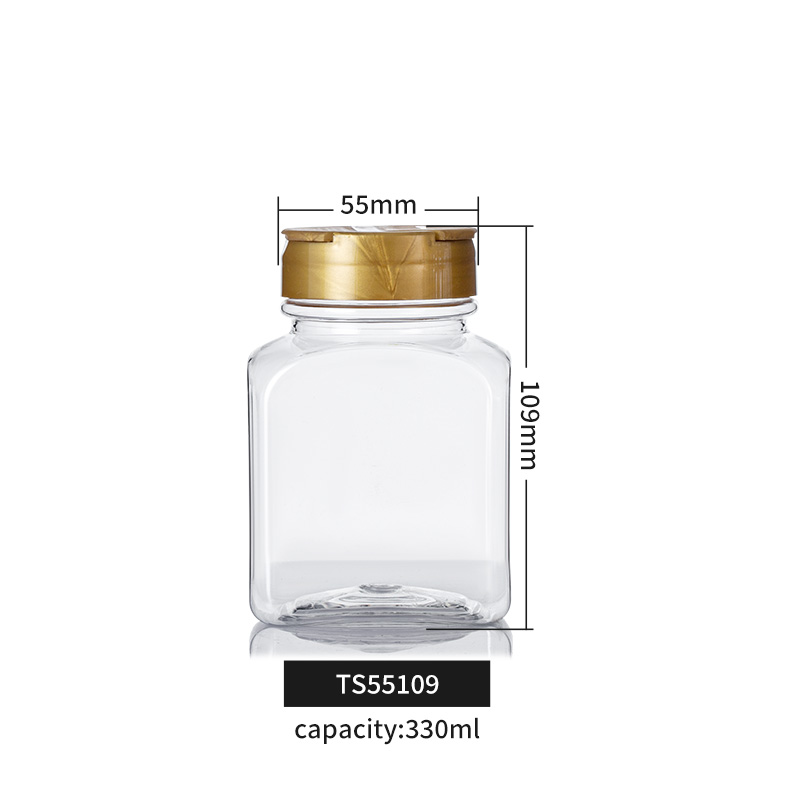
I'm a China-based manufacturer of PET Bottle 350ml, designed for beverages, personal care, or sample packaging. Our bottles are lightweight, transparent, BPA-free, Food-grade PET, compliant with food safety standards. They come with secure caps, tamper-evident seals optional, leak-proof design. I offer customization: unique cap colors, hot-stamp or silk-screen printing, embossed logo, customized neck finishes, and label-friendly finish. We ship in bulk with fast lead times, using sturdy packaging to protect during transit. MOQ low, competitive pricing. We can supply with preform, or ready-to-fill. The 350ml size is ideal for on-the-go drinks, samples, travel-size products. Our production capacity ensures steady supply for large orders, with QC team performing 100% inspection before shipment. Recyclable and safe, ideal for eco-conscious brands. If you're sourcing from a China-based manufacturer, I can tailor packaging, labeling, and logistics to your market, ensuring you meet regulatory requirements and your timeline.

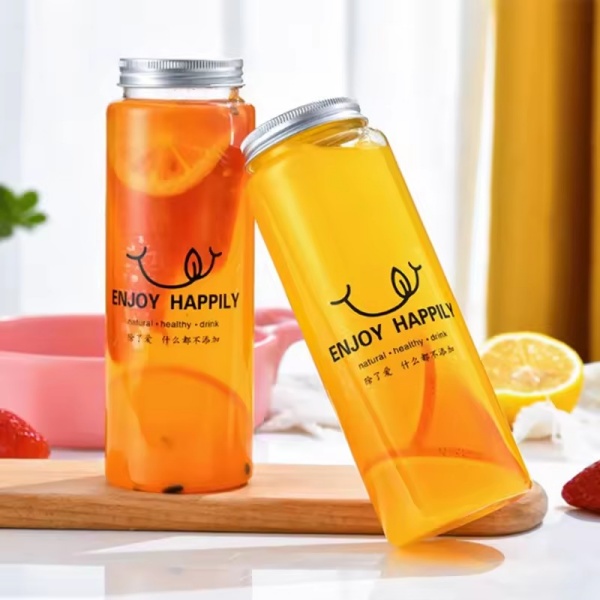
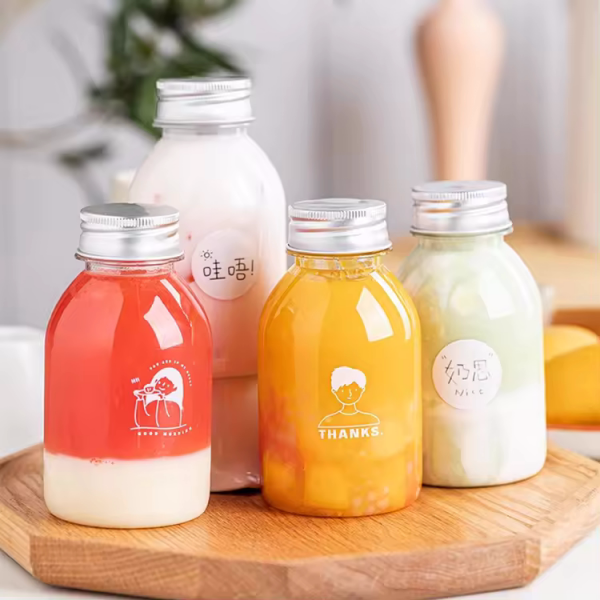
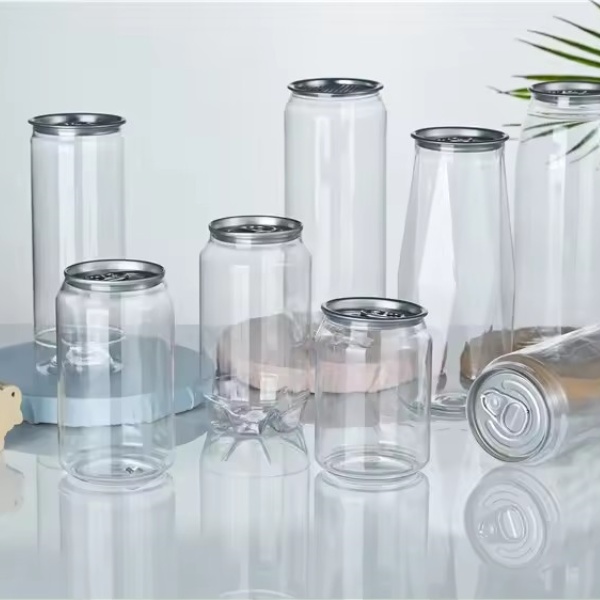


PET Bottle 350ml Where Service Meets Innovation From Concept to Delivery
A 350ml PET bottle that blends sleek design with practical performance can transform a product line. Our approach prioritizes clarity, lightweight strength, and food-grade safety while offering full customization in shape, labeling, and color. Options include recyclable rPET, oxygen and moisture barrier treatments, tamper-evident closures, and compatibility with high-speed filling lines — all engineered to enhance shelf appeal, reduce transport costs, and meet international safety standards. From concept to delivery, service drives innovation. We provide rapid prototyping, structural and graphic design support, pilot runs, strict quality inspection, and scalable production with flexible minimums. Global logistics solutions, secure packaging, and responsive after-sales care ensure reliable on-time delivery and smooth market entry. Partner with a supplier that treats timelines, compliance, and brand presentation as equally critical to your success.
{ PET Bottle 350ml Where Service Meets Innovation From Concept to Delivery}
| Specification | Typical Value | Notes |
|---|---|---|
| Product type | PET Bottle, nominal 350 mL | Designed for non-pressurized and lightly carbonated beverages, water and liquid foods |
| Usable fill volume | 350 mL (nominal) | Filling tolerance typically ±2% depending on filler calibration |
| Material | Polyethylene Terephthalate (PET) | Food-contact grade resin, PET recycling code 1 |
| Resin identification | PET (Resin code: 1) | Compatible with standard municipal PET recycling streams |
| Typical empty weight | ~14 g | Depends on base design and reinforcement; values shown are typical for lightweight 350 mL geometry |
| Dimensions (typical) | Height: ~160–170 mm; Diameter: ~60 mm | Exact dimensions vary with shoulder and base design |
| Neck finish | 28 mm standard screw finish | Compatible with common screw caps, tamper-evident closures and dispensing inserts |
| Wall thickness | 0.25–0.40 mm (average) | Thickness distribution optimized for stiffness and material savings |
| Manufacturing process | Injection Stretch Blow Molding (ISBM) | Standard for consistent wall distribution and optical clarity |
| Typical production capacity (per line) | ~50,000–120,000 bottles/day | Depends on line speed, number of cavities and shift patterns |
| Tooling lead time (new mold) | 6–10 weeks | Complex specialty shapes may require longer development |
| Typical production lead time | 4–6 weeks after tooling and approvals | Expedited runs possible subject to capacity |
| Recommended capping torque | 2.5–3.5 Nm (screw cap) | Torque affects seal integrity and deformation; validate on filler/capper |
| Maximum recommended fill temperature | ≤70°C (hot-fill careful evaluation required) | Bottle design may need preforms or process modification for hot-fill |
| Pressure resistance (burst) | Typically ≥6 bar for carbonated designs | Carbonated-specific base designs increase stability under pressure |
| Oxygen transmission rate (OTR) | ~0.5–1.5 cm³/m²·day (23°C, 50% RH) | Barrier coatings or multi-layer solutions reduce OTR for sensitive products |
| Typical cradle-to-gate CO2e per empty bottle | ~25–40 g CO2e | Depends on recycled content, resin source and manufacturing efficiency |
| Recycled content compatibility | Up to 30% rPET typical; higher rPET possible with testing | Food-contact compliance with rPET depends on supplier certification and testing |
| Regulatory compliance | Conforms to common food-contact frameworks | Typical references: EU food-contact rules and FDA food-contact criteria (validation recommended per region) |
| Quality standards | Manufacturing to ISO 9001 and environmental practices aligned with ISO 14001 | Batch traceability and production records available for quality control |
| Shelf life guidance | Still water: up to 24 months; Carbonated: up to 12 months (product-dependent) | Shelf life influenced by product formulation, closure integrity and storage |
| Standard pack configuration | 288 bottles per carton (typical layout example) | Custom pack counts available; packaging optimized for transport stability |
| Carton dimensions (example) | ~600 × 400 × 200 mm | Dimensions vary with internal dividers and bottle orientation |
| Gross weight per carton (empty packaging) | ~4.3–4.8 kg | Estimate based on typical empty bottle weight and carton weight; filled weights will be higher |
| Color options | Clear, light green tint, light blue tint, custom tinting | Coloring via masterbatch; limits on pigment loading to maintain recyclability |
| Customization options | Labeling (shrink/sleeve), custom embossing, tamper band, barrier coatings | Design adjustments available at tooling stage; print and finishing options vary by process |
| Typical physical tests | Drop test: 1.0–1.2 m (empty); Compression: withstand >300 kg static | Actual test protocols should match end-use handling and transport conditions |
| End-of-life guidance | Recycle via PET stream; remove cap where required by local recycling rules | Label/sleeve type may influence recycling; clear bottles typically have highest recycling value |
All values are typical examples for a 350 mL PET bottle design. Final specifications should be validated with sample runs and regional regulatory checks.
Related Products


PET Bottle 350ml Leads the Global Market Where Innovation Meets 2025
Top Selling Products




- Related Blog
- Reviews
- Reviews
