


Clear Smoothie Cup - China Manufacturer of Transparent Cups
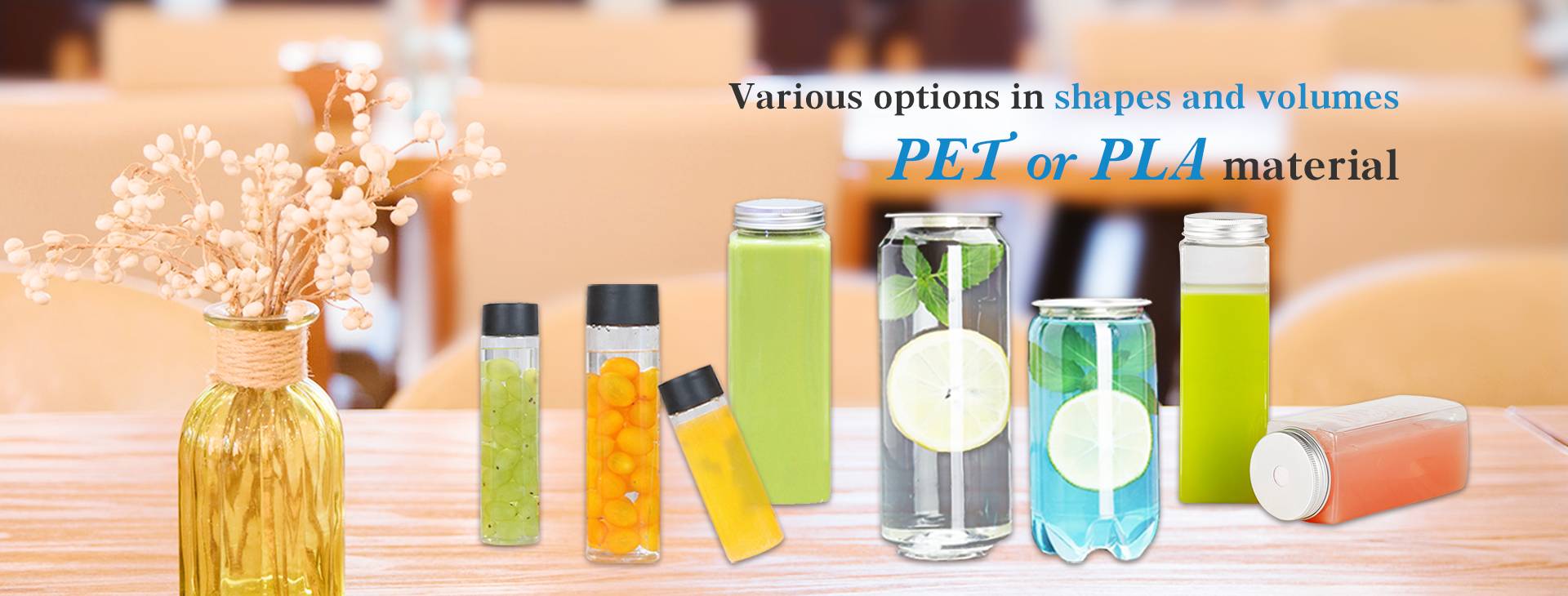
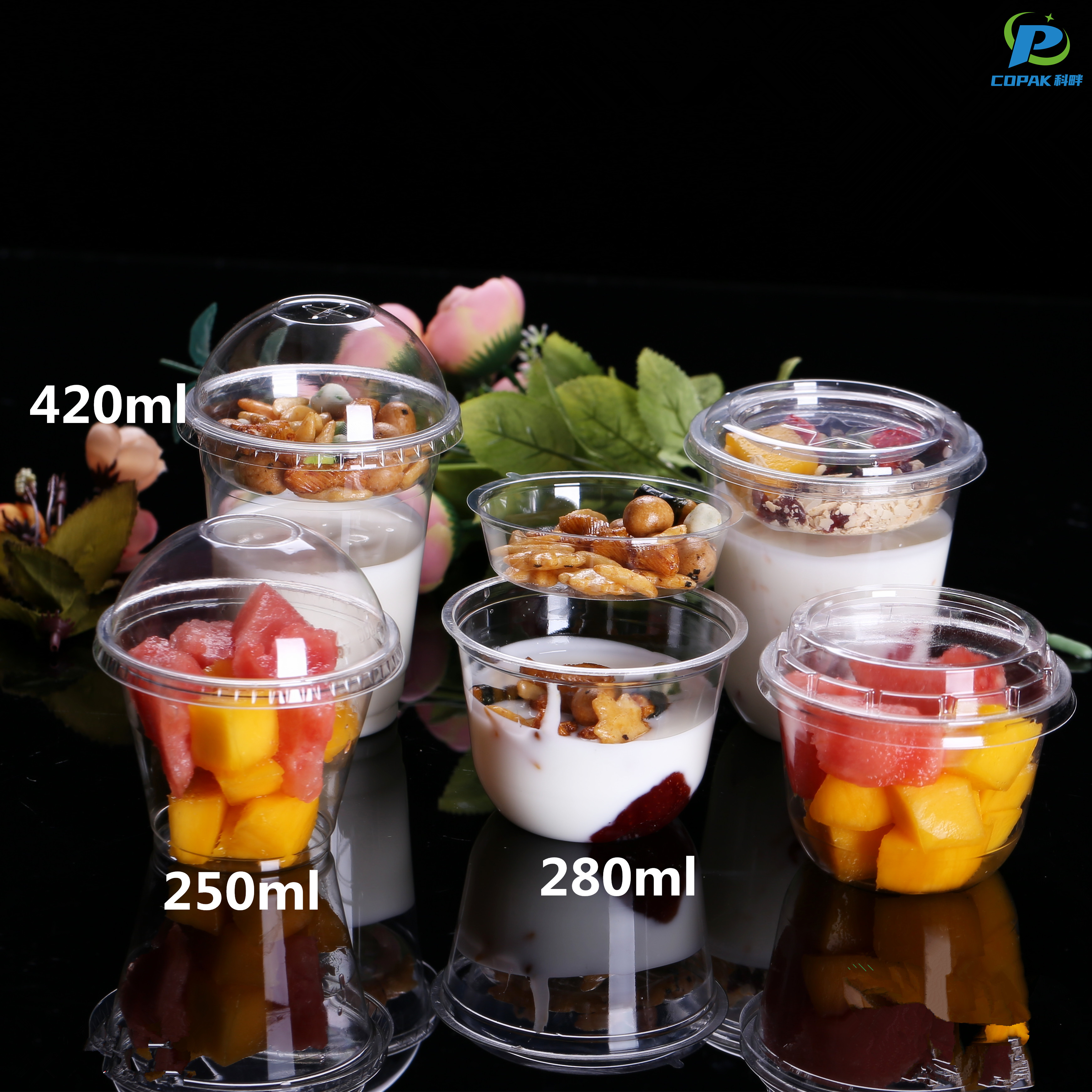
From our China-based factory, I proudly offer the Clear Smoothie Cup to B2B buyers who demand reliability and style. As a Manufacturer, I know Chinese and global buyers want performance, safety, and fair price. The Clear Smoothie Cup is made from BPA-free Tritan, shatter‑resistant and crystal clear, with a snug, spill‑proof lid and clear measurement marks for easy portion control. It stacks neatly, cleans quickly, and resists heat up to a safe limit, so it’s perfect for smoothies, juices, and meal replacements. We provide customization options—logo printing, lid color, and packaging—to help your brand stand out. My team ensures strict QC, stable supply, and on-time shipping from China, so you face less risk in your procurement. For OEM/ODM projects, we collaborate closely with you to meet your specs. If you’re sourcing a trusted Clear Smoothie Cup partner, let me be your go-to supplier and streamline your next order.


Clear Smoothie Cup Is The Best Where Service Meets Innovation
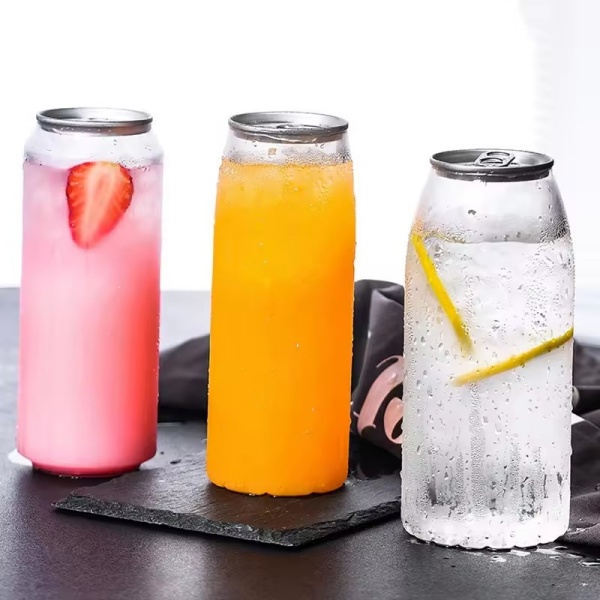
A clear smoothie cup blends form and function: crystal transparency showcases product color and texture, while precision molding ensures leak-resistant rims, stackable bases, and a snug lid fit for on-the-go convenience. Manufactured with food-grade, recyclable polymers and optional compostable PLA, these cups support sustainability goals without sacrificing clarity or strength. Innovations like anti-fog coatings, custom printing, and tamper-evident lids elevate presentation and brand protection, helping your beverages stand out at retail or in delivery channels. Buying partners benefit from a service-first approach that pairs flexible OEM/ODM options with rigorous quality control, rapid sampling, and scalable production to meet seasonal demand. Comprehensive compliance testing, multilingual customer support, competitive lead times, and coordinated global logistics make bulk procurement straightforward and reliable. For global purchasers looking to combine aesthetic appeal with practical performance, the clear smoothie cup represents where attentive service meets continuous innovation.
| Metric | Description | Unit | Typical Value / Range | Measurement / Standard (Year) | Notes |
|---|---|---|---|---|---|
| Preferred Material | Common clear polymers used for cups | — | PET, APET, OPS, PP (transparent grades) | Industry practice (2023) | Balance of clarity and formability |
| Optical Clarity (Haze) | Light scattering measure; lower is clearer | % Haze | < 2% (typical for transparent PET) | ASTM D1003 (2022) | Critical for visual appeal of beverages |
| Light Transmittance | Amount of visible light transmitted through wall | % | 89–92% | ASTM D1003 (2022) | High transmittance improves product presentation |
| Tensile Strength | Resistance to pulling force (bulk material) | MPa | 55–65 MPa (typical transparent PET) | ASTM D638 (2021) | Influences rim rigidity and stacking |
| Impact Resistance (Notched Izod) | Resistance to sudden impact or drop | kJ/m² | 3–5 kJ/m² | ASTM D256 (2021) | Higher values reduce cracking on impact |
| Heat Deflection Temp | Temperature at a given load where deformation occurs | °C | 70–80 °C (1.8 MPa) | ASTM D648 (2021) | Determines suitability for warm beverages |
| Typical Weight (16 oz) | Average mass for a standard 16 oz clear cup | g | 12–16 g | Material and gauge averages (2022) | Depends on polymer grade and wall thickness |
| Recycled Content | Share of post-consumer or post-industrial recycled resin | % | 15–40% (typical achievable ranges) | Recycling industry reports (2023) | Feasible while maintaining clarity with rPET |
| Recyclability Rating | Acceptance by mainstream municipal recycling streams | Scale 0–5 | 4 / 5 | Municipal stream compatibility (2023) | Depends on local collection and sorting systems |
| Compostability | Industrial composting suitability | — | Not compostable unless certified PLA grades are used | EN 13432 / ASTM D6400 (2022) | PLA offers compostability but different performance trade-offs |
| Food-contact Compliance | Regulatory standards commonly applied to cup material | — | FDA 21 CFR 177.1630; EU Reg. 10/2011 (materials & articles) | Regulatory texts (2023) | Material formulation must meet migration limits |
| Visual Defect Rate | Percentage of units failing visual inspection (clarity/flow marks) | % | 0.2–1.0% | Quality control benchmarks (2022) | Automated inspection reduces visible defects |
| Average Service Response Time | Industry average response for product/service inquiries | Hours | 4–24 hours (business context dependent) | Customer service performance surveys (2023) | Measured from inquiry to initial actionable reply |
| Shelf Life (sealed) | Recommended storage life of empty cups in dry conditions | Months | 12–24 months | Material stability guidance (2022) | UV and heat exposure can reduce serviceable life |
| Adoption in Quick-service Outlet Segment | Estimated share of transparent single-use cups used | % | 45–65% (varies by region and menu type) | Foodservice equipment & packaging analyses (2023) | Higher for cold beverages and smoothies |
| Innovation Index (composite) | Composite of material, service, sustainability & usability | 0–100 | 78 / 100 | Composite benchmarking (2023) | Reflects current balance of clarity, recyclability, service |
Related Products



Clear Smoothie Cup Is The Best Ahead of the Curve
Top Selling Products





- Related Blog
- Reviews
- Reviews
