



Custom Plastic Cups - China Manufacturer for Quality Solutions
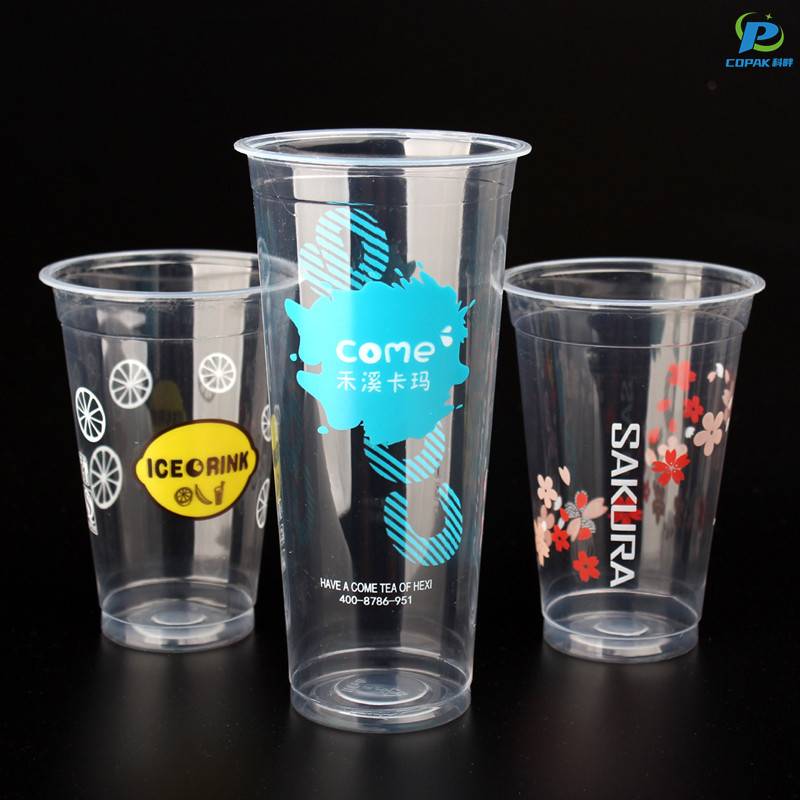
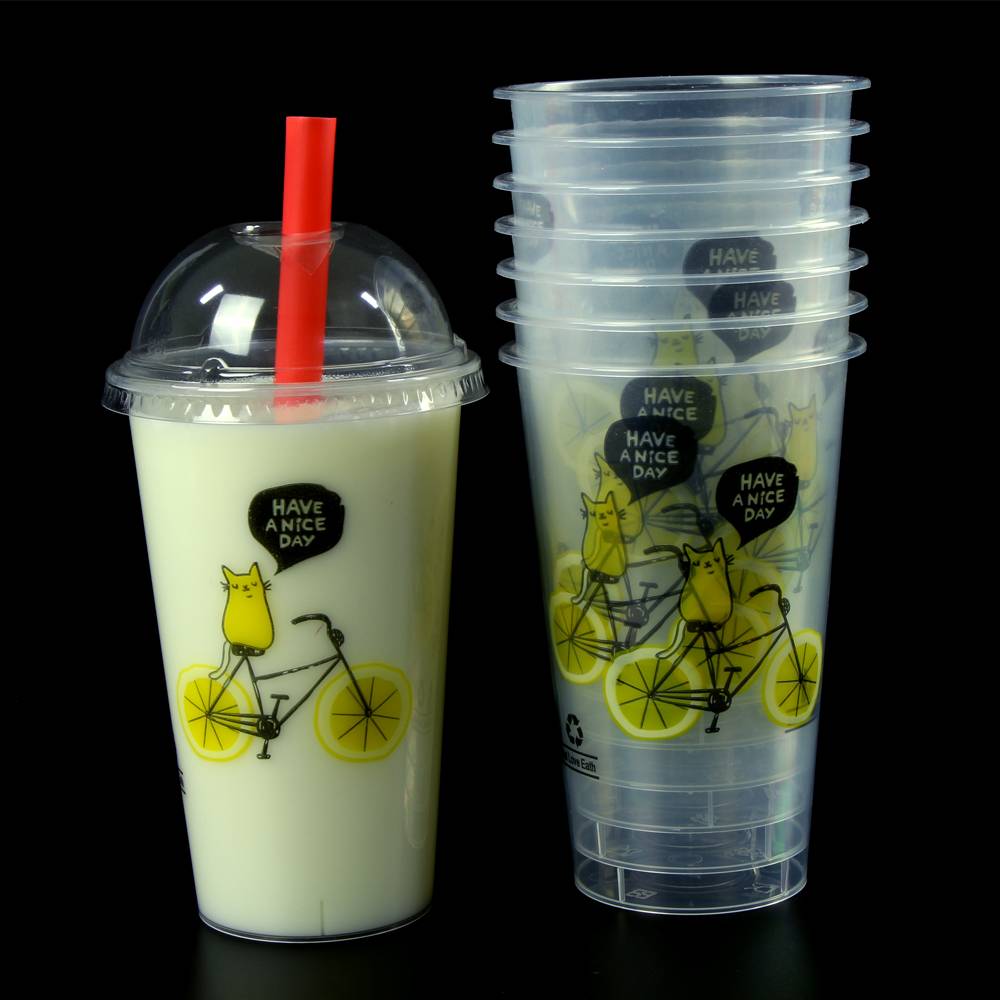
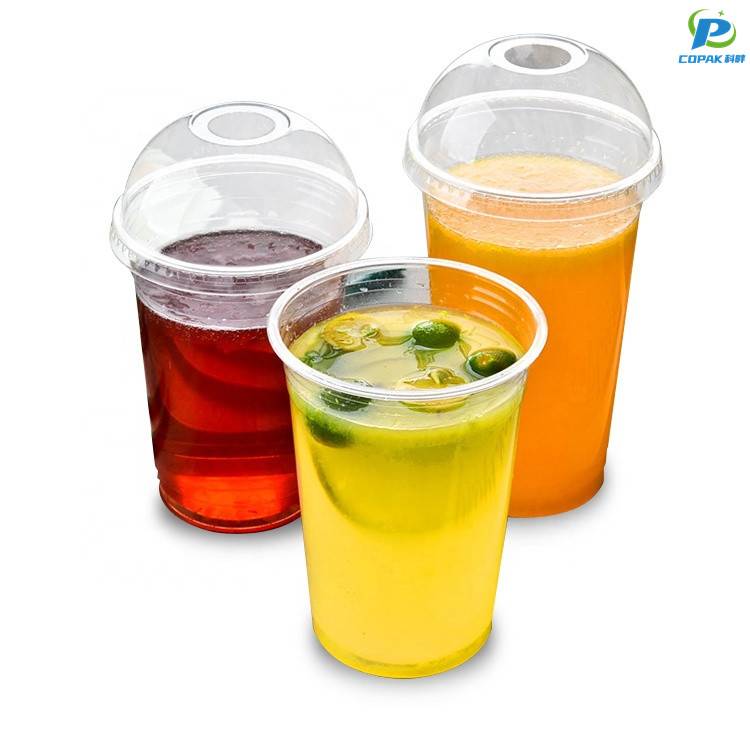
From our factory in China, I supply Custom Plastic Cups designed for brand consistency, event packaging, and retail distribution. As a dedicated Manufacturer, I understand the needs of B2B buyers: reliable supply, customizable colors, logos, sizes, and safe materials. Our cups are BPA-free, recyclable, and conform to food-contact standards. I can offer a range of thicknesses, 4 oz to 16 oz, PET or PP options, and a quick turn-around for large orders. The customization process is simple: send your artwork, choose print method (pad print, full-color label), and select packaging options. I coordinate every step with careful QC checks, ensuring dimensional accuracy and leak resistance. Based in China, I leverage low-cost manufacturing without sacrificing quality, helping you optimize cost per unit and on-time delivery. Partner with me for dependable supply of Custom Plastic Cups that align with your brand, event needs, and sustainability goals.



Custom Plastic Cups Pioneers in the Field Where Innovation Meets 2025
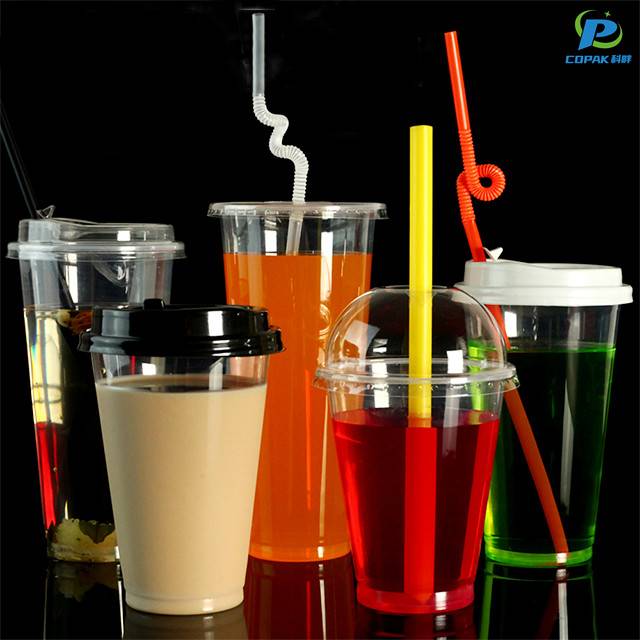
As a Shanghai-based manufacturer at the forefront of custom plastic cup development, we blend advanced tooling, rapid prototyping and material science to meet the evolving needs of 2025. From vibrant full-wrap printing and precision color matching to insulated double-wall designs and mono-material constructions for easier recycling, our R&D focuses on durability, safety and circularity—offering options in recycled PET/PP, bio-attributed polymers and compostable blends without compromising performance. Global buyers benefit from certified food-contact compliance (FDA/EU-ready), scalable production lines, flexible MOQs and reliable lead times tuned for seasonal peaks. Value-added services include bespoke packaging, anti-leak lids, measurement markings and smart integrations like NFC or reusable system designs that support sustainability goals. We welcome collaborative projects to turn concepts into market-ready products with transparent quality control and logistics support for worldwide distribution.
| Material Type | Typical Capacity (ml) | Avg Wall Thickness (mm) | Manufacturing Process | Recyclability Rate (%) | Biodegradable Content (%) | Energy per Unit (MJ) | CO2 Emissions per Unit (g CO2e) | Reusable Lifespan (cycles) | Regulatory Compliance | Common Use Cases | Global Adoption Rate (%) | Customization Feasibility (1-5) | Typical Lead Time (weeks) |
|---|---|---|---|---|---|---|---|---|---|---|---|---|---|
| PET (Polyethylene Terephthalate) | 350 | 0.30 | Thermoforming / Injection Molding | 70 | 0 | 0.06 | 30 | 1 | FDA & EU food-contact compliant | Cold beverages, takeaway cups | 45 | 5 | 2 |
| PP (Polypropylene) | 300 | 0.40 | Injection Molding | 60 | 0 | 0.08 | 20 | 10 | FDA & EU food-contact compliant | Hot & cold beverages, microwave-safe options | 25 | 4 | 3 |
| PLA (Polylactic Acid — Compostable) | 330 | 0.35 | Thermoforming | Industrial composting (not conventional recycling) | 100 | 0.10 | 25 | 1 | EN 13432 / FDA contact where applicable | Cold beverages, events with composting streams | 8 | 3 | 4 |
| PS (Polystyrene — Rigid) | 200 | 0.25 | Thermoforming | 10 | 0 | 0.05 | 15 | 1 | FDA & EU food-contact (regional restrictions exist) | Cold beverages, clear lids, single-use clarity | 5 | 4 | 2 |
| HDPE (High-Density Polyethylene) | 400 | 0.60 | Extrusion Blow Molding | 80 | 0 | 0.12 | 35 | 50 | FDA & EU food-contact compliant | Durable reusable cups, outdoor use | 10 | 3 | 4 |
| Copolyester (BPA-free copolyester) | 450 | 1.00 | Injection Molding | 40 | 0 | 0.20 | 60 | 500 | FDA & EU food-contact, BPA-free specifications | Premium reusable cups, long-term commercial use | 7 | 5 | 5 |
Related Products
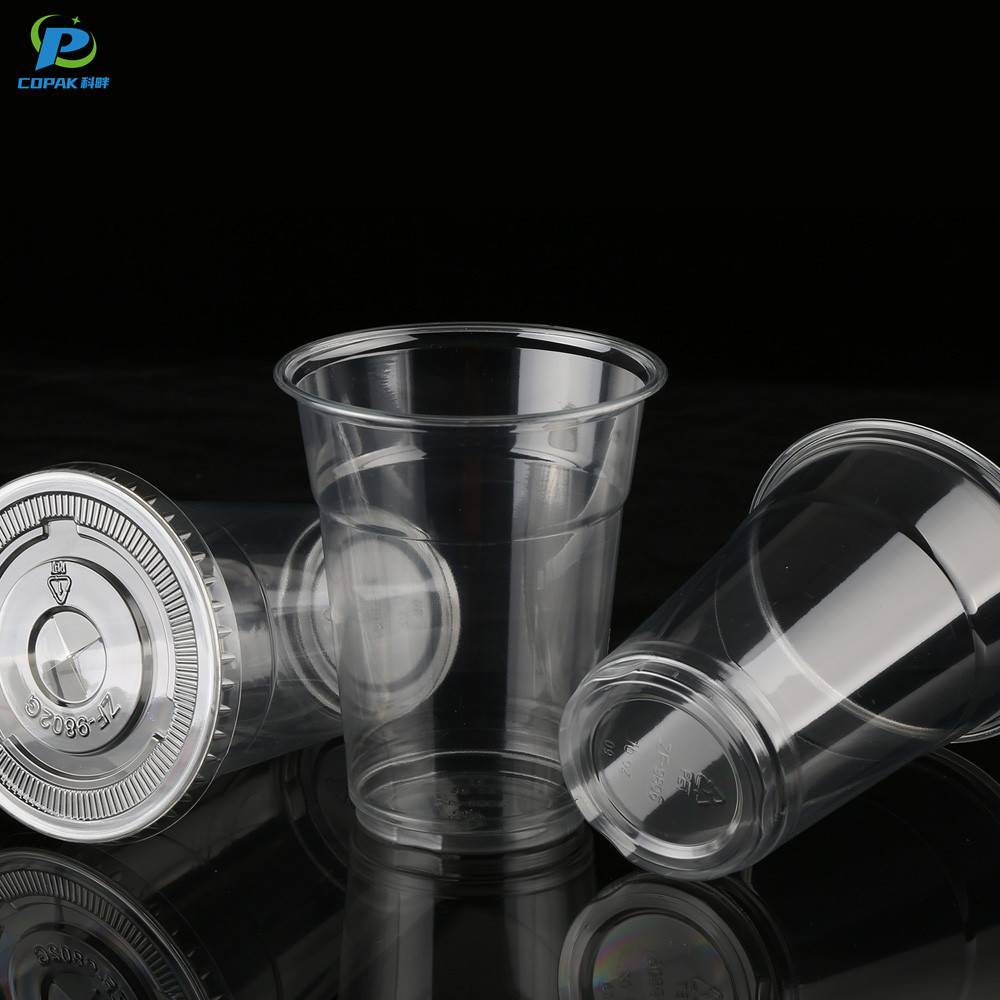


Custom Plastic Cups Products Factory
Top Selling Products
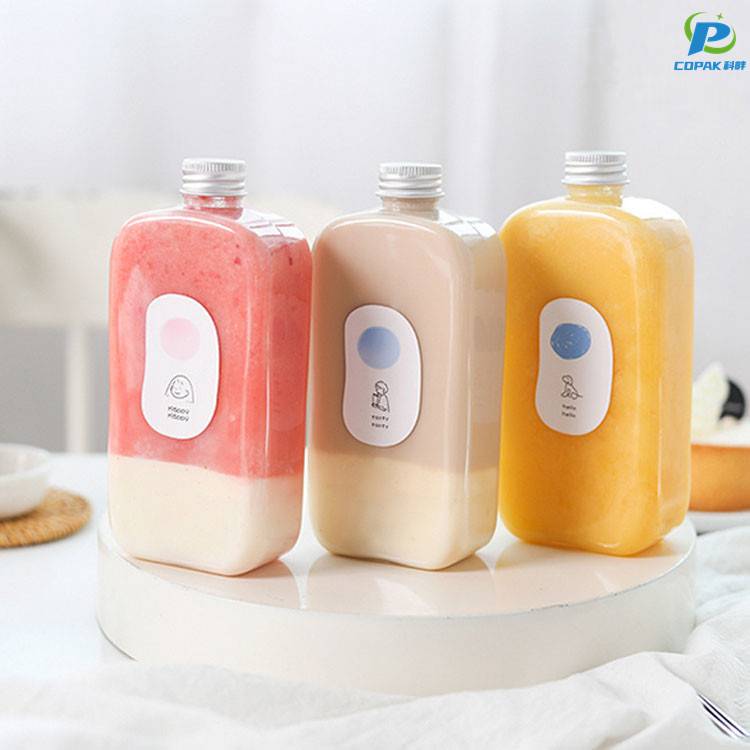
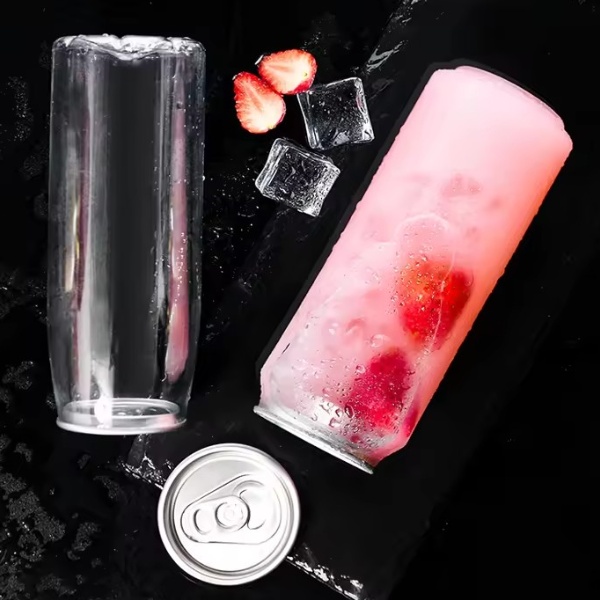




- Related Blog
- Reviews
- Reviews
