



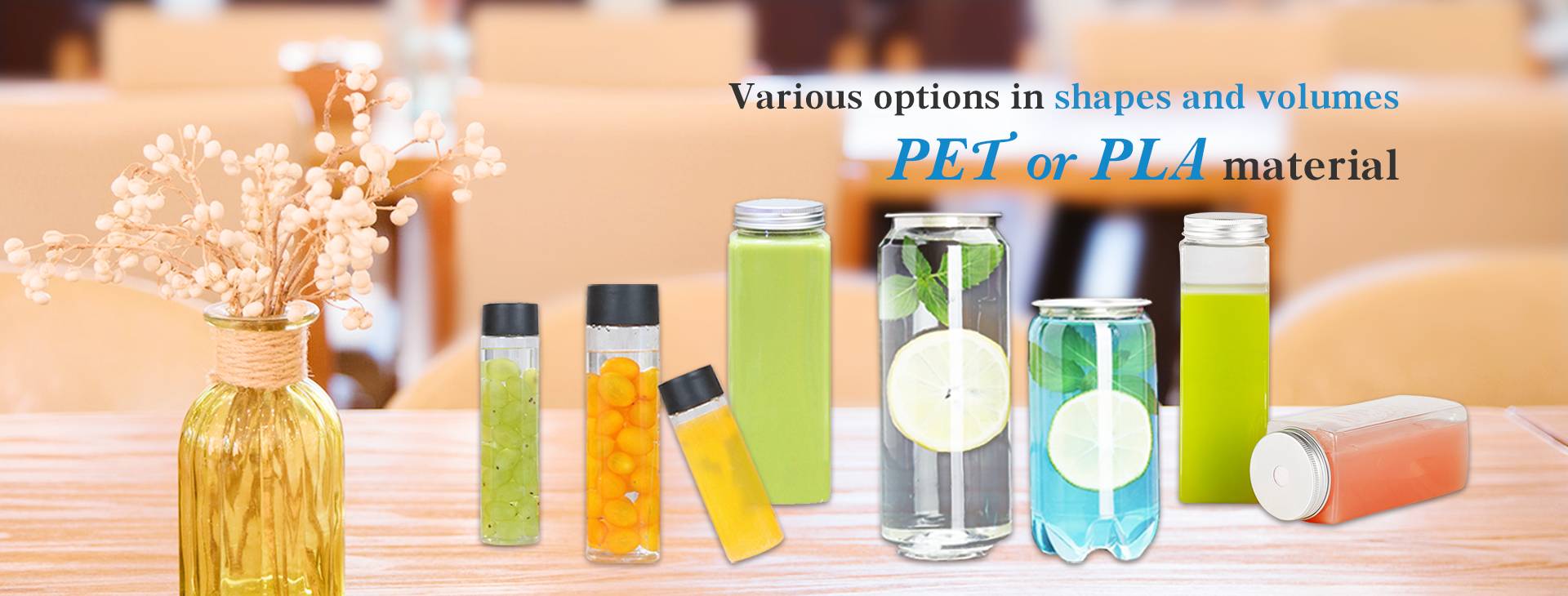
16 Oz Plastic Cups - China Manufacturer for Durable Disposable Cups
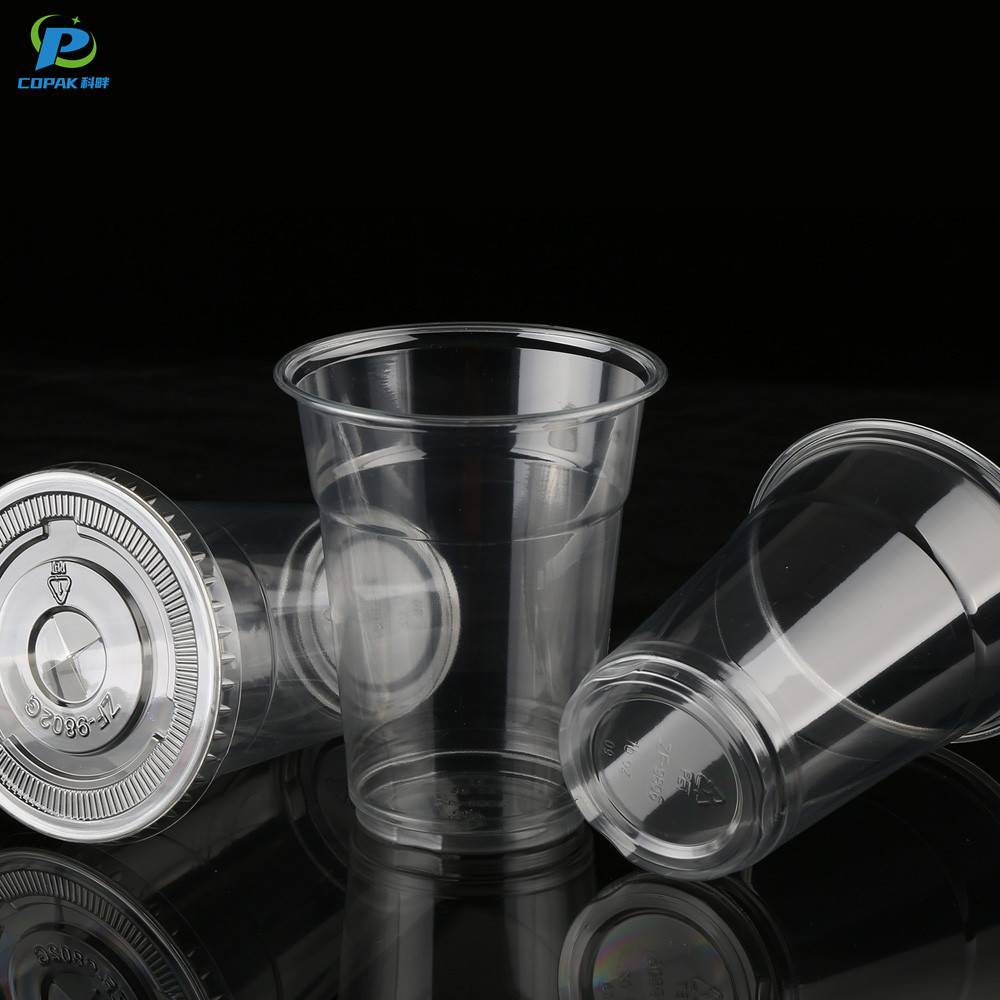
From my side, I supply 16 Oz Plastic Cups that meet the needs of busy cafes, events, and distributors. Based in China, I am a Manufacturer who uses food-grade, BPA-free resin for safe, cold drinks and even warm ones. These cups are crystal-clear, stack neatly for easy storage, and tough enough for daily use. They work well with standard lids and sleeves and are ideal for beverages, favors, or take-away service. I offer customization like logo prints, color lids, or labeling, plus small-quantity samples for quick evaluation. Lead times are short and pricing stays competitive in bulk orders. I deal directly with retailers and brand owners, so you’ll talk to someone who understands freight terms, MOQs, and timely delivery. If you’re searching for a reliable, cost-effective 16 Oz Plastic Cups solution, I can align production to your specs, volumes, and deadlines.


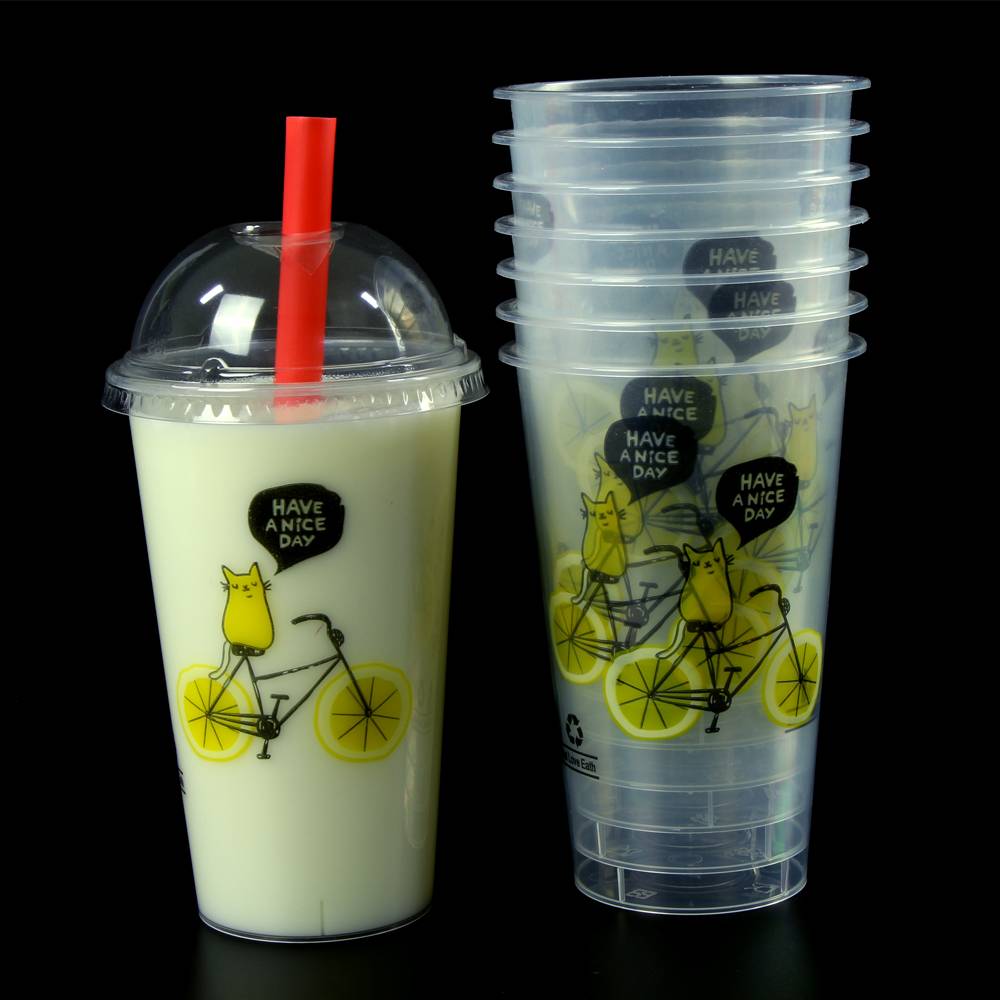


16 Oz Plastic Cups Dominates Service Backed by Expertise
The 16 oz plastic cup has become a global staple for foodservice and events, combining lightweight convenience with dependable performance. Precision molding ensures consistent wall thickness, crystal clarity and secure rims for lids; material options include PET, PP and eco-friendly PLA or recycled resins, all manufactured to satisfy FDA and EU food-contact standards. Custom printing, color choices and stackable designs make these cups ideal for cafes, caterers, vending and large-scale promotions. Backed by deep production expertise and strict quality control, international buyers gain predictable lead times, competitive bulk pricing and tailored packaging that minimizes breakage and freight costs. Rigorous testing, certifications and responsive logistics support simplify compliance and distribution across regions. Request samples and quotes to evaluate fit, sustainability and margin potential for your market.
| Attribute | Typical Value / Description | Notes / Test Standard |
|---|---|---|
| Capacity | 16 fl oz (approximately 473 mL) | Standard beverage measure |
| Common Materials (resin codes) | Polypropylene (PP, #5); Polyethylene terephthalate (PET, #1); Polystyrene (PS, #6) | Material affects clarity, heat tolerance, and recyclability |
| Typical Top Diameter | 90–95 mm (3.5–3.75 in) | Measured across rim for common cold/cup designs |
| Typical Height | 110–120 mm (4.3–4.7 in) | Depends on stacking lip and wall profile |
| Typical Base Diameter | 48–55 mm (1.9–2.2 in) | Contributes to cup stability on flat surfaces |
| Wall Thickness | 0.30–0.70 mm (0.012–0.028 in) | Typical tolerance ±0.05–0.10 mm |
| Typical Mass (single cup) | 6–12 g (material and design dependent) | Lightweight designs for single-use/disposable applications |
| Tensile Strength (typical) | PP: ~30–40 MPa; PET: ~55–75 MPa; PS: ~35–60 MPa | Measured per ASTM D638 (depending on specimen prep) |
| Thermal Behavior | PP: softening ~160–170°C (usable for hot liquids up to ~100°C short-term); PET: typical service for cold use (-40°C to ~60°C); PS: not recommended for very hot liquids (glass transition ~90–105°C) | Safety depends on cup material and intended use |
| Clarity / Appearance | PET: excellent optical clarity (clear); PP: translucent to opaque; PS: clear but more brittle | PET preferred when clear presentation is required |
| Typical Manufacturing Methods | Thermoforming (PS), Injection molding (PP), Injection stretch blow molding (PET) | Method influences wall uniformity, clarity, and cost-efficiency |
| Stackability & Design Notes | Stacking lip common; typical stack gap 3–6 mm to allow nested packing and dispensing | Designed for vending, catering lines, or point-of-service dispensers |
| Recyclability | Recyclable where local facilities accept the resin (codes #1 PET, #5 PP, #6 PS). Contamination with food residue can reduce recyclability. | Follow local recycling guidelines |
| Biodegradability / End-of-life | Conventional PET/PP/PS are not biodegradable; material recovery via recycling is primary circular option | Industrial compostable alternatives exist but differ in appearance and performance |
| Quality & Test Standards | Common tests: ASTM D638 (tensile), ASTM D790 (flexural), ASTM D256 (impact), ISO 1183 (density) | Standards applied per material and regulatory requirements |
| Common Applications | Cold beverages, iced coffee, smoothies, samples, outdoor catering, events | Cup design optimized per use-case (lid compatibility, insulation) |
| Environmental Considerations | Recycling availability, contamination, local waste infrastructure and consumer behavior determine environmental outcome | Design for recyclability and clear resin labeling recommended |
| Typical Dimensional Tolerances | ±0.5–2.0 mm for overall dimensions; wall thickness tolerance ±0.05–0.10 mm | Tolerance depends on molding process and quality controls |
| Handling & Storage | Store in a cool, dry place away from UV exposure to prevent warping or discoloration; avoid high-heat environments | Shelf stability excellent under normal warehousing conditions |
Related Products
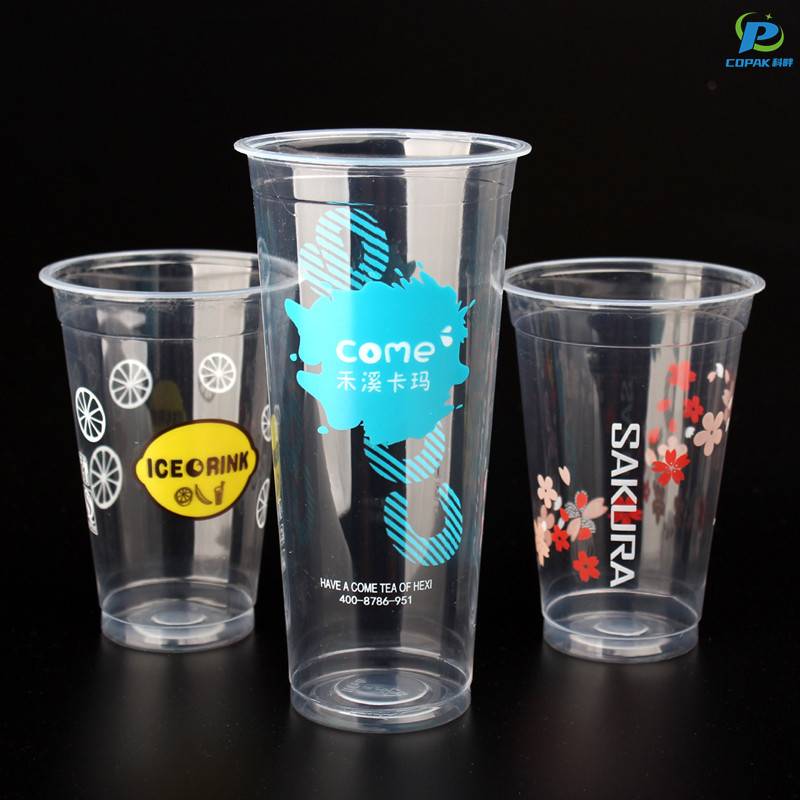
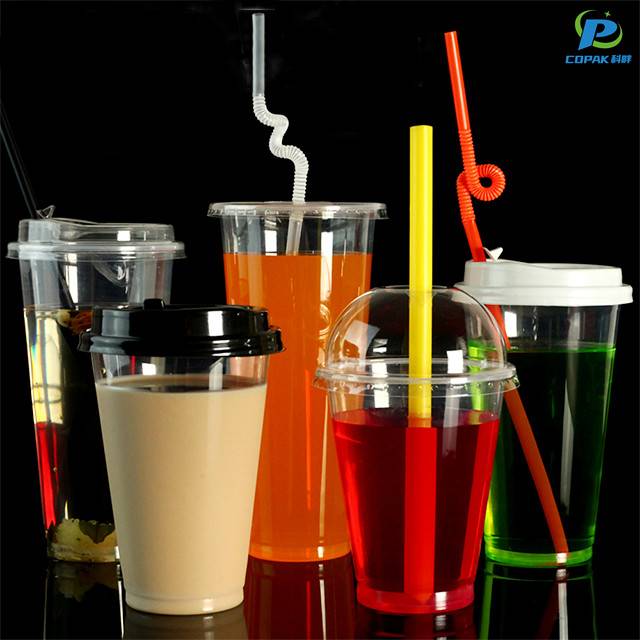


16 Oz Plastic Cups Now Trending Your End-to-End Solution
Top Selling Products



- Related Blog
- Reviews
- Reviews
