



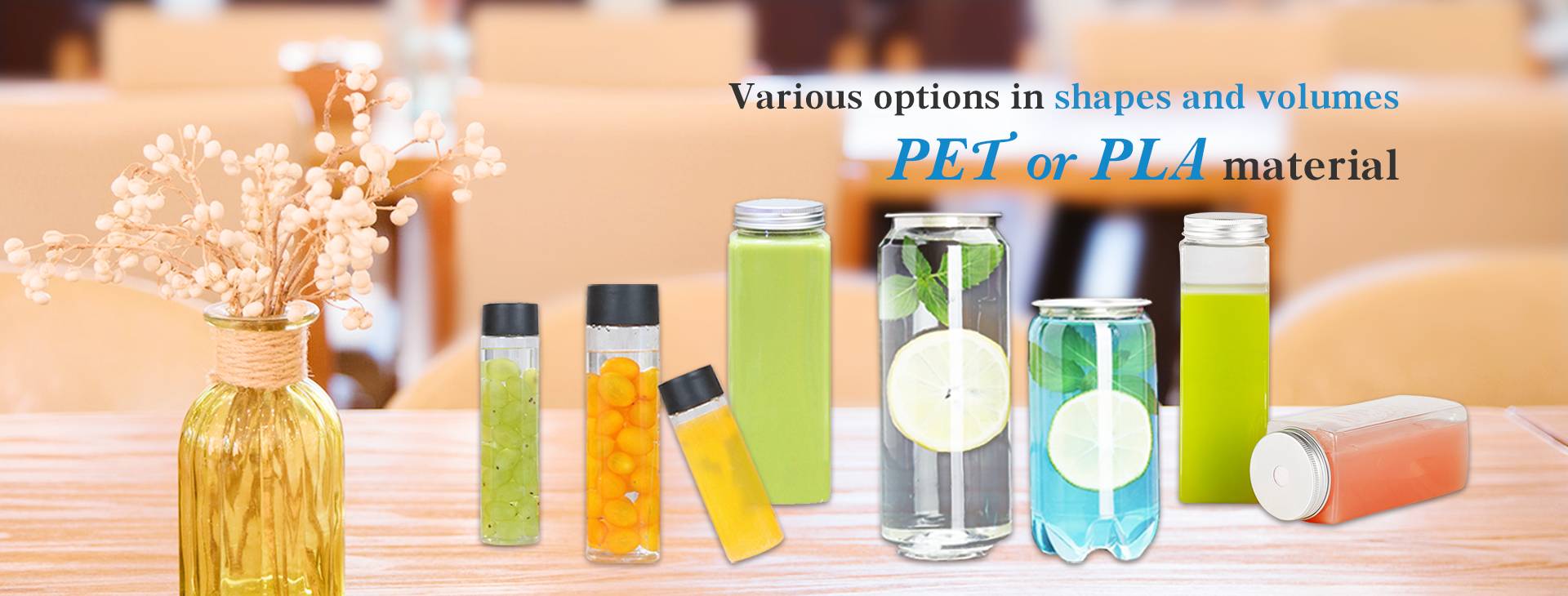
Smoothie Containers To Go: China Manufacturer for Quality Bottles
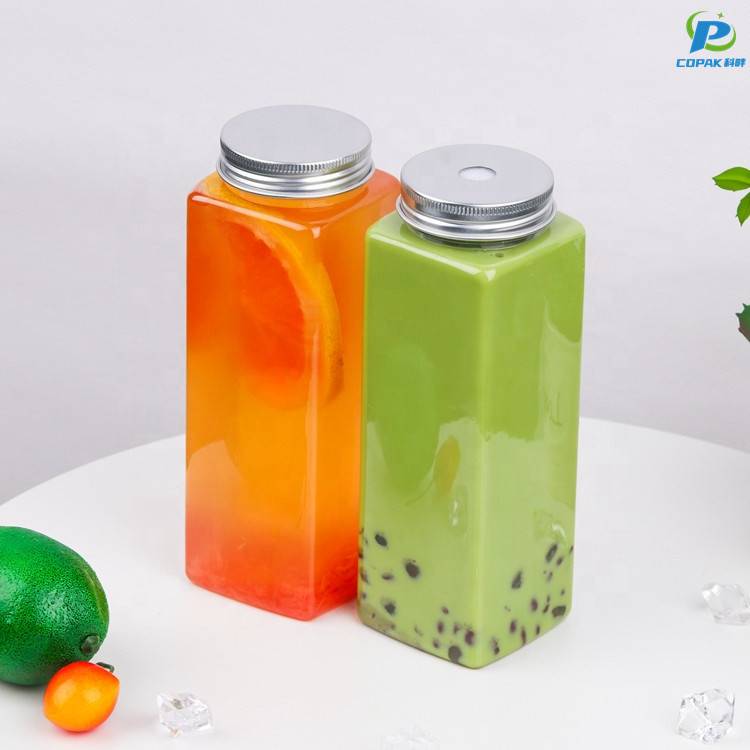
From my factory in China, I am a Manufacturer of sturdy beverage packaging, and I proudly offer Smoothie Containers To Go. Designed for B2B buyers like cafes, gyms, and distributors, these containers deliver leak-proof performance in bulk. Features include BPA-free Tritan/PET, double-wall insulation to keep drinks cool, a secure flip-top lid, wide-mouth for easy blending and pouring, and a stackable shape for warehouse efficiency. Available in 16 oz and 20 oz, dishwasher safe (hand washing recommended for lids), and compatible with standard blenders. I provide OEM branding, logo printing, and private label options, with flexible MOQs and fast lead times. My team in China ensures consistent quality with rigorous QC and attentive customer service. If you are looking for a reliable partner for Smoothie Containers To Go, I can tailor packaging, labeling, and packaging sizes to fit your distribution chain, supported by competitive pricing and dependable shipping.


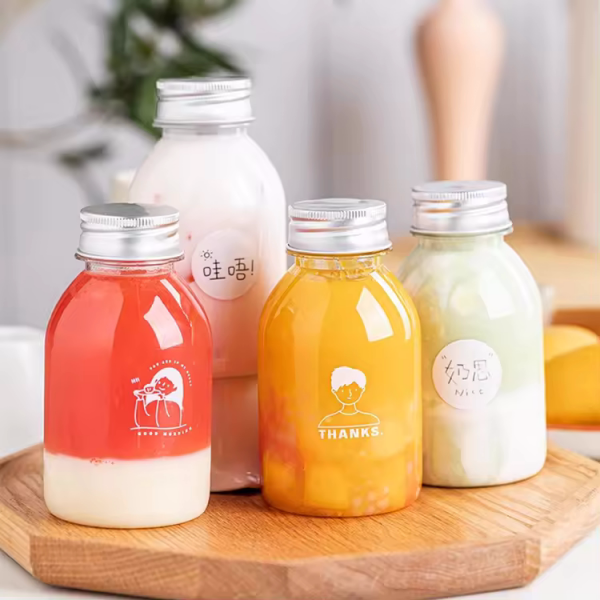
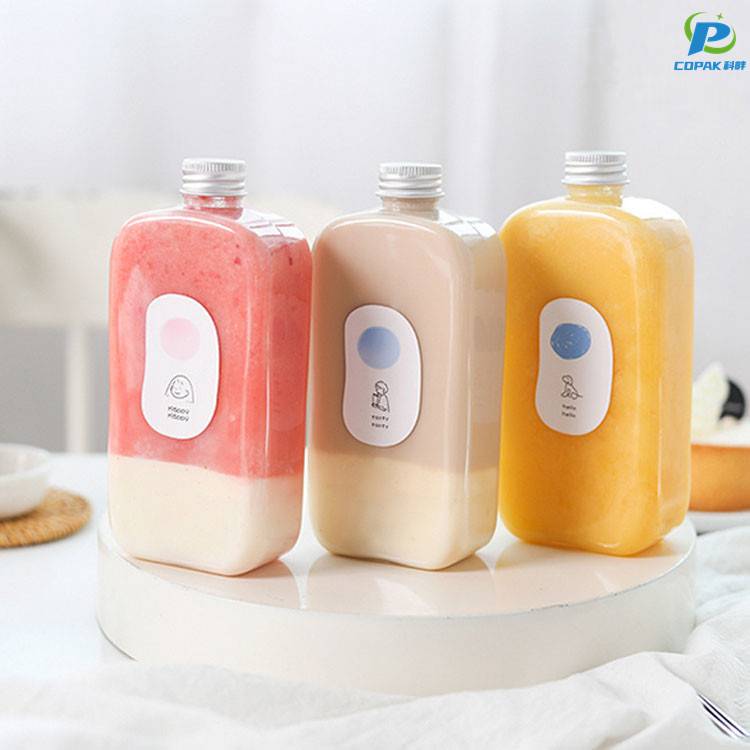


Smoothie Containers To Go Pioneers in the Field Where Service Meets Innovation
Smoothie containers to go are redefining on-the-go beverage service by marrying practical innovation with premium customer experience. Engineered for durability, leak-resistance and thermal performance, modern designs include stackable shapes, secure snap-on lids, and options in recyclable or compostable materials. Clear portions, tamper-evident seals and vibrant printing capabilities help retailers showcase ingredients and brand identity while meeting consumer demands for convenience and sustainability. For global buyers, reliable supply means more than product specs: it requires scalable production, strict quality control, and flexible customization—from private-label printing to tailored dimensions and material choices. Certified manufacturing processes, pre-shipment inspections, sample approvals and efficient logistics reduce lead times and risk. Partnering with a supplier that blends continuous product innovation with responsive service enables foodservice chains, retailers and distributors to launch or expand smoothie-to-go offerings confidently and competitively.
| Container Type | Primary Material | Capacity (ml) | Empty Weight (g) | Insulation | Cold Retention (hrs) | Leak Resistance | Recyclability / End-of-Life | Typical Use Case | Recommended Cleaning | Regulatory Compliance | Production Lead Time (weeks) | Notes |
|---|---|---|---|---|---|---|---|---|---|---|---|---|
| Single-use molded cup with PLA lining | Paper shell + PLA biofilm | 350 | 15 | None (single-wall) | 1–3 | Moderate | Industrial compostable (EN 13432); not recyclable in standard streams | High-volume walk-up to-go orders | Cold-water rinse recommended; industrial composting | EN 13432; food-contact suitability per regional guidance | 2–4 | Lower carbon footprint in transport; lid quality drives leak performance. |
| Reusable double-walled tumbler (vacuum) | Stainless steel (304/18-8) | 500 | 350 | Vacuum insulated | 12–24 | High | Highly recyclable (metal recycling streams) | Premium on-the-go customers and subscription reuse programs | Dishwasher-safe (top rack recommended); avoid bleach | Meets common food-contact metal standards; passivity finish | 6–12 | Best thermal retention; heavier; ideal for long commutes or delivery buffers. |
| Double-wall PET insulated bottle | PET (double-wall, non-foam) | 400 | 70 | Double-wall air gap | 6–12 | High | Widely recyclable where PET streams accepted (~70–85% by weight depending on facility) | Retail takeaway and refrigerated delivery | Top-rack dishwasher safe; avoid prolonged heat | FDA food-contact compliant; EU Reg. No 10/2011 (plastics) | 4–8 | Good balance of weight and performance; clarity aids branding without naming. |
| Molded fiber bowl with tight-fit lid | Molded natural fiber (sugarcane/wood pulp) | 650 | 40 | None (single-wall) | 2–4 | Moderate | Industrial compostable; not suitable for household recycling | Hearty smoothie bowls and add-on toppings | Cold rinse then industrial composting recommended | EN 13432; food-contact guidance for cellulosic materials | 3–6 | Excellent tactile feel; lid seal quality affects transport suitability. |
| High-barrier PE-lined PET jar | PET body with PE barrier layer | 250 | 30 | None (barrier for shelf life) | 1–2 (without active cooling) | High (screw lid) | Mixed-materials reduce recyclability (~40–60% by weight) | Portion-controlled smoothies for retail and vending | Warm soapy wash; avoid harsh scrubbing | FDA food-contact; EU plastics regulation compliance where applicable | 4–8 | Barrier layer extends freshness; separation at recycling limits recovery. |
| Collapsible silicone bottle with cap | Food-grade silicone (BPA-free) | 350 | 90 | None (flexible) | 2–4 | High | Specialized recycling; limited municipal acceptance (~20–35%) | Active commuters and travel kits | Dishwasher-safe; inspect folds for residue | Food-grade silicone certifications where applicable | 6–10 | Compact when empty; watch for odor retention with high-sugar recipes. |
| Glass tumbler with cork sleeve and lid | Borosilicate glass + natural cork | 450 | 420 | Minimal (thermal mass of glass) | 3–6 | Moderate | Glass fully recyclable; cork compostable or recyclable via specialist streams | In-store premium pickups and eco-focused reuse returns | Dishwasher safe; remove cork sleeve before wash | Meets common food-contact glass standards | 8–12 | Higher breakage risk in transit; excellent recyclability for glass materials. |
Related Products
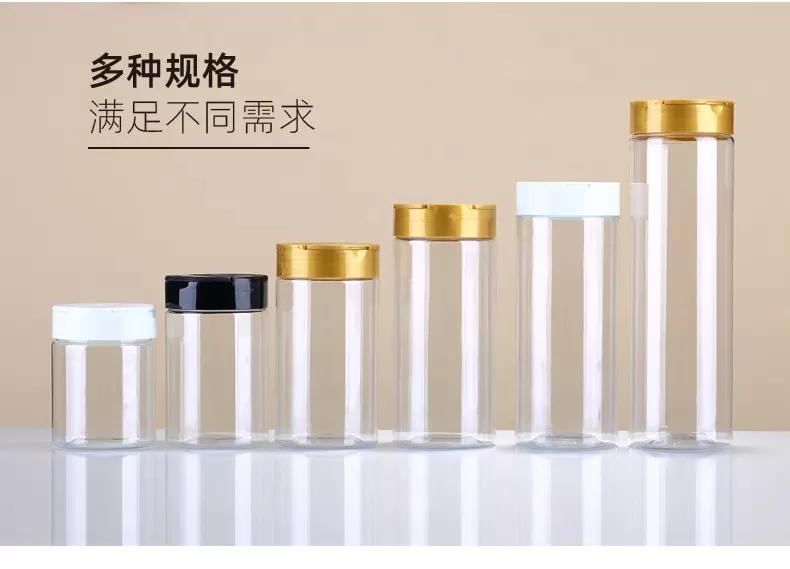


Smoothie Containers To Go Dominates Winning in 2025
Top Selling Products





- Related Blog
- Reviews
- Reviews
