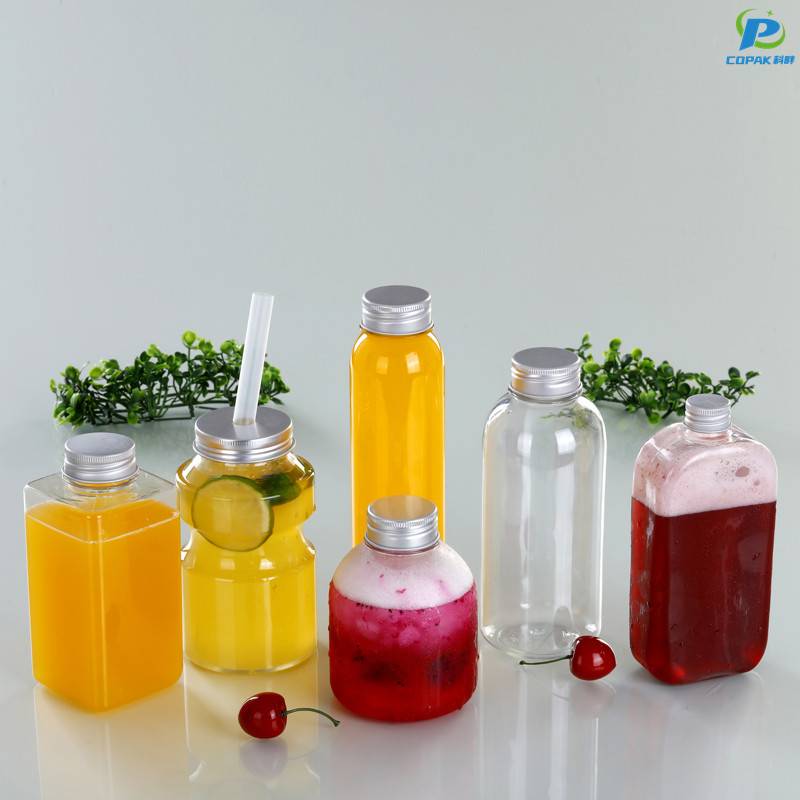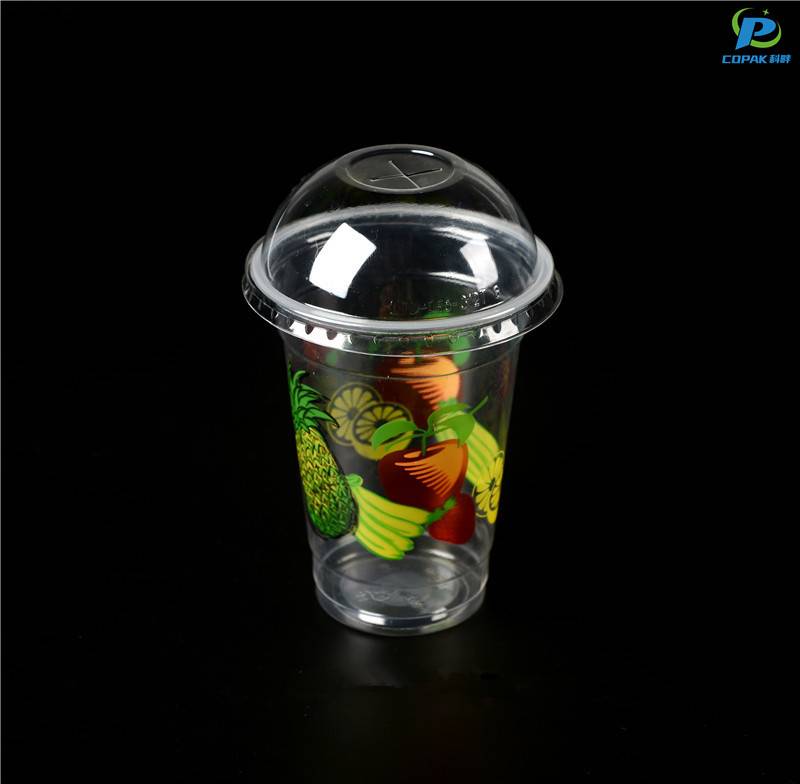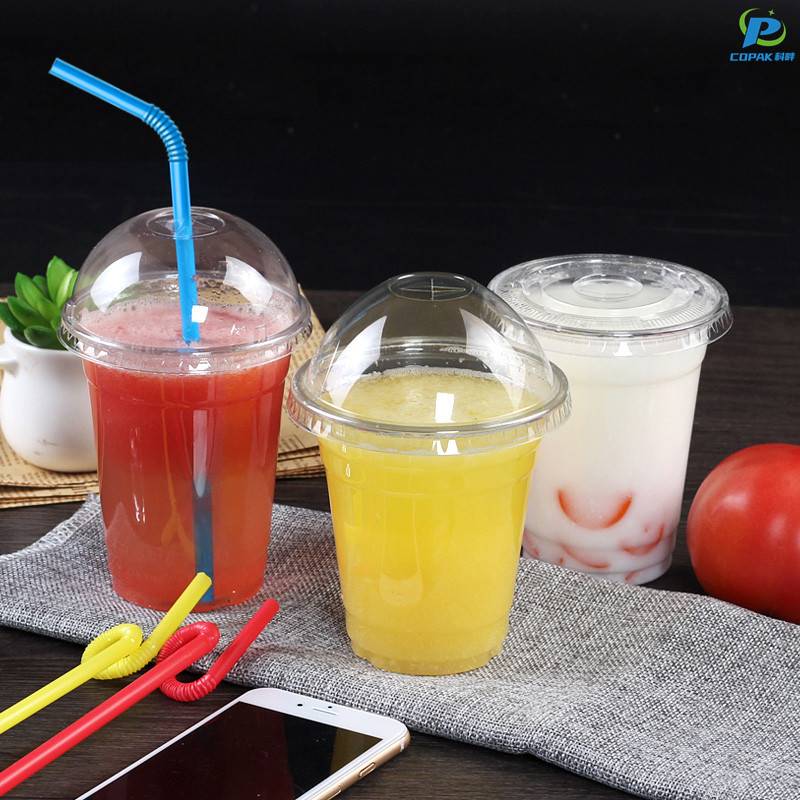
I’m a China-based manufacturer of Disposable Plastic Coffee Cups, and I know what B2B buyers are after. From the factory floor to your distribution center, I deliver dependable, cost-efficient cups that keep drinks hot and little risk of leakage. Our Disposable Plastic Coffee Cups come in a range of sizes, with clear print area for your branding, stackable design for easy storage, and food-grade, BPA-free plastics that meet international safety standards. We offer bulk pricing, flexible MOQ, and fast lead times, so your cafe chains, offices, or event suppliers can scale quickly. Customizable lids, sleeves, and branding options are available, plus eco-friendly or recyclable options for customers pushing sustainability. As a manufacturer in China, I understand the supply chain dynamics—steady supply, on-time ship, and clear communication. If you’re looking for reliable partners who understand your needs, I’m here to help with samples, packaging configurations, and volume discounts.
As a leading factory specializing in disposable plastic coffee cups, we deliver high-capacity production, strict quality control and flexible customization to meet global procurement needs. Our range includes PET, PP and compostable PLA options in multiple sizes and wall thicknesses, with heat-resistant double-wall and insulated designs for cafes, events and foodservice chains. Advanced printing and coating capabilities (CMYK, matte/gloss finishes, water-based inks) ensure brand consistency and premium presentation while maintaining food-safe standards and international certifications. Global buyers benefit from streamlined supply chains, competitive pricing, reliable lead times and tailored packaging solutions for retail or bulk distribution. We support private-label production, small to large minimum order quantities, pre-shipment inspections and logistics coordination for FOB/CIF terms. Sustainability alternatives and design-for-recycling options are available for clients prioritizing environmental impact without sacrificing performance. Partner with a manufacturing team focused on on-time delivery, consistent quality and scalable solutions to grow your coffee cup offerings worldwide.
| Model Code | Material | Capacity (oz / ml) | Wall Type | Lid Compatibility | Typical Applications | Recyclability | Compostability | Certifications / Standards | Typical Weight (g) | Color Options | Manufacturing Country | Production Method | Quality Control Tests |
|---|---|---|---|---|---|---|---|---|---|---|---|---|---|
| PPC-16 | PP (Polypropylene) | 16 oz / 473 ml | Single-wall | Snap-fit flat/sipper lids | Takeaway iced coffee, cold beverages | Recyclable (Code 5 - PP) where local streams accept PP | No | Food-contact compliance; EU/US food-contact regulations | 8–10 g | Clear, White, Black | Country A | Injection molding & thermoforming | Visual inspection, leak test, dimensional check |
| PETC-12 | PET (Polyethylene Terephthalate) | 12 oz / 355 ml | Single-wall (rigid) | Snap-fit dome or flat lids | Cold drinks, cold brew, smoothies | Recyclable (Code 1 - PET) widely recycled | No | Food-contact compliance; ASTM/ISO food safety guidance | 6–8 g | Crystal clear, Tinted | Country B | Thermoforming from sheet | Drop impact, clarity inspection, material traceability |
| DWP-10 | PP with air-insulated double wall | 10 oz / 296 ml | Double-wall (insulated) | Press-fit or snap lids (flat) | Hot and warm coffee servings, café dine-in | Recyclable (Code 5 - PP) where accepted; separate components recommended | No | Food-contact compliance; thermal safety tests | 12–14 g | White, Black, Kraft-style print | Country A | Co-injection / multi-cavity thermoforming | Thermal hold test, water ingress, seam strength |
| PLA-8 | PLA (Polylactic Acid) | 8 oz / 237 ml | Single-wall (brittle vs PET) | Snap-fit compostable lids (matched materials) | Cold beverages, environmentally-focused outlets | Industrially compostable where accepted; not widely recyclable with PET | Yes (industrial composting) | EN 13432 (where certified); ASTM D6400 notes | 6–9 g | Natural (opaque), White | Country C | Thermoforming from PLA sheet | Compostability validation, material composition analysis |
| PSN-9 | PS (Polystyrene - cold cup) | 9 oz / 266 ml | Single-wall (rigid) | Compatible with snap-fit lids | Cold coffee, iced drinks, samples | Limited recyclability (Code 6 - PS) depending on local streams | No | Food-contact compliance; polymer-specific migration testing | 4–6 g | Clear, Tinted | Country B | Injection/thermoforming | Clarity test, brittleness check, contact safety samples |
| INS-14 | PP with embossed outer surface | 14 oz / 414 ml | Textured insulated wall | Flat and sip-through lids | Hot coffee, mobile catering, events | Recyclable (PP) where streams accept textured parts | No | Thermal performance and food-contact compliance | 13–16 g | Matte Black, Matte White, Kraft-print | Country A | Blow/thermoforming hybrid | Thermal retention test, surface adhesion, visual finish |
| LITE-6 | Recycled PP (rPP) blend | 6 oz / 177 ml | Single-wall (lightweight) | Small snap lids | Espresso-based cold drinks, sample servings | Potentially recyclable depending on local r-streams; material labeling recommended | No | Food-contact verification; recycled content documentation | 4–5 g | White, Recycled-speckle | Country C | Thermoforming from rPP sheet | Recycled content assay, migration tests |