



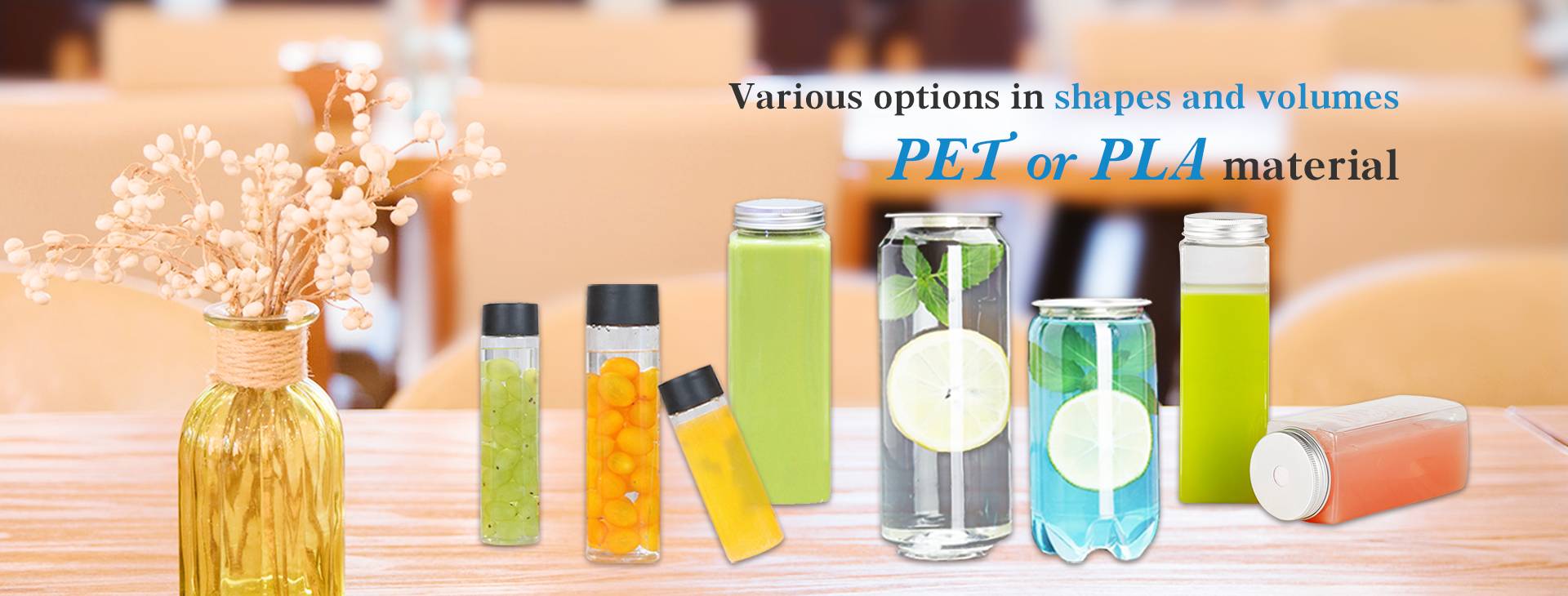
PET Bottle With Aluminum Cap - China Manufacturer
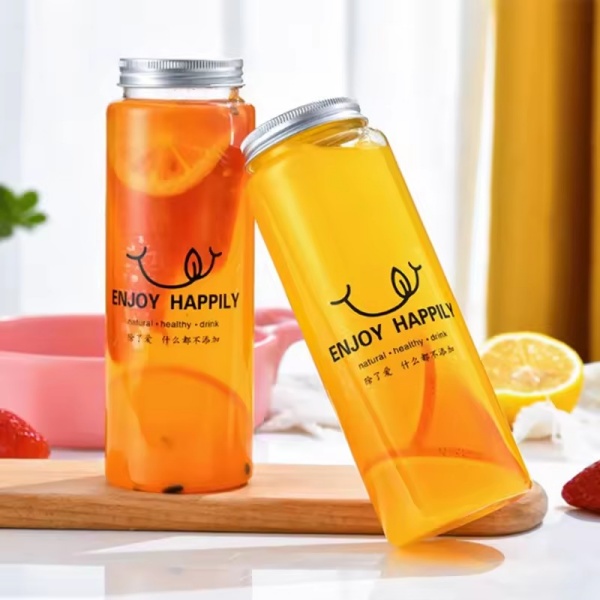
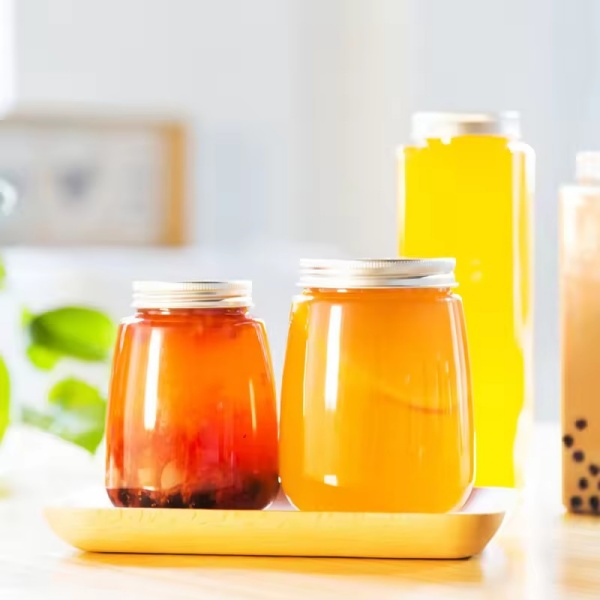
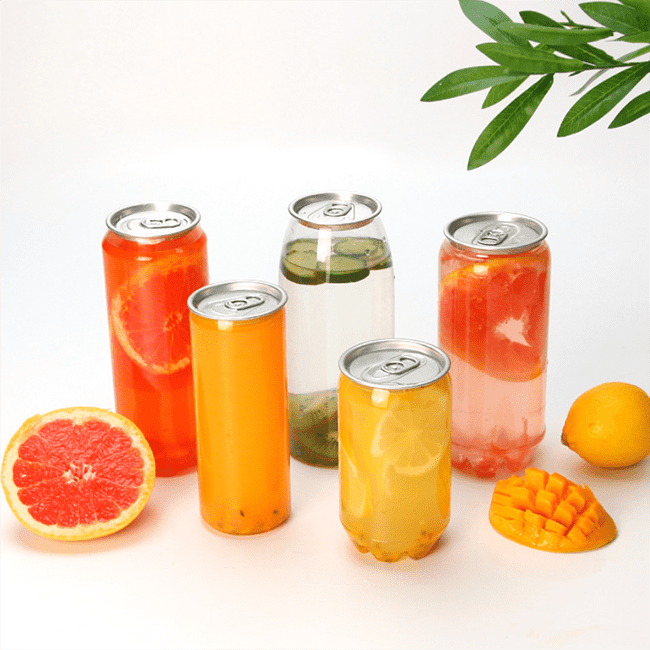
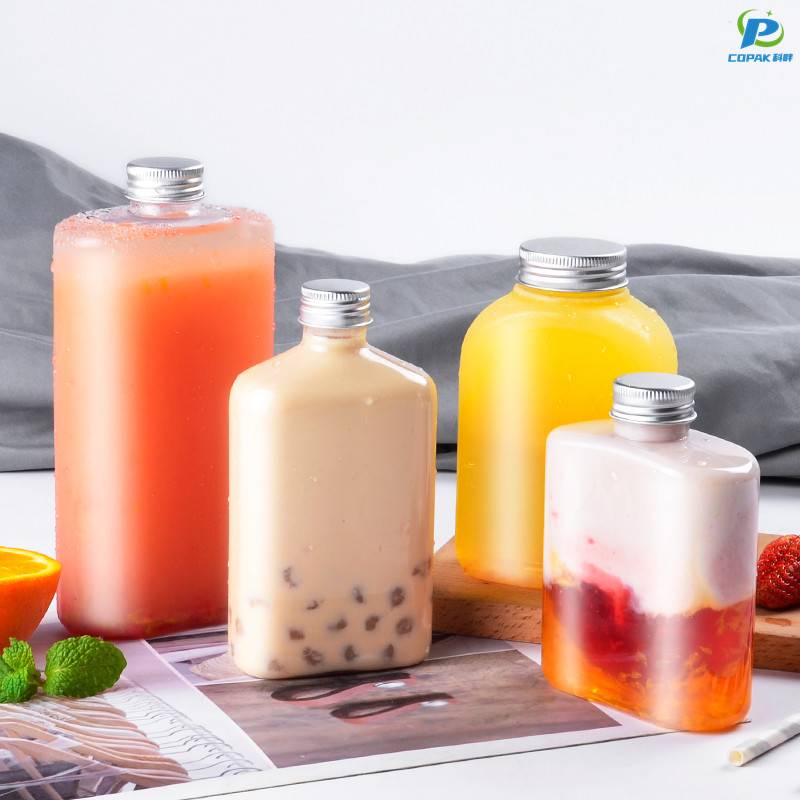
As a China-based Manufacturer, I provide a reliable PET Bottle With Aluminum Cap for beverages, cosmetics, and household products. I know what buyers here in China and overseas are lookin' for: safety, light weight, tamper-evident aluminum cap, and crystal-clear PET. This bottle is food-grade, and I ensure it meets standards set by global regulators. With OEM/ODM capabilities, I can customize label size, cap color, and bottle dimension to match your brand. We offer fast lead times, competitive prices, and flexible MOQs to fit your project. We handle packaging and shipping arrangements to fit your schedule.
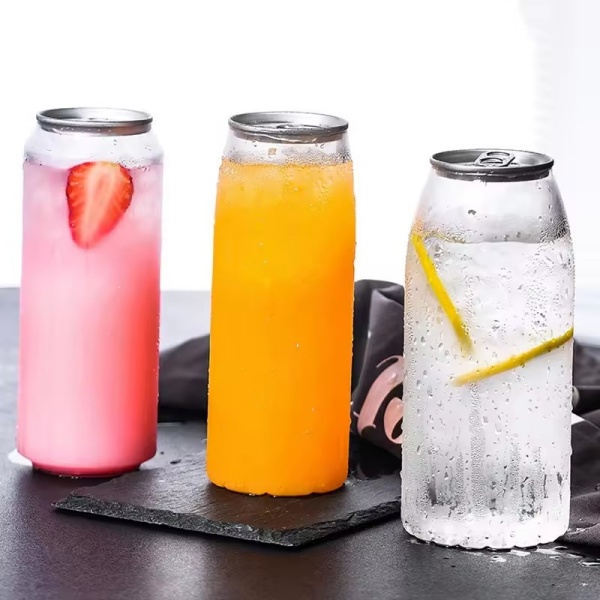
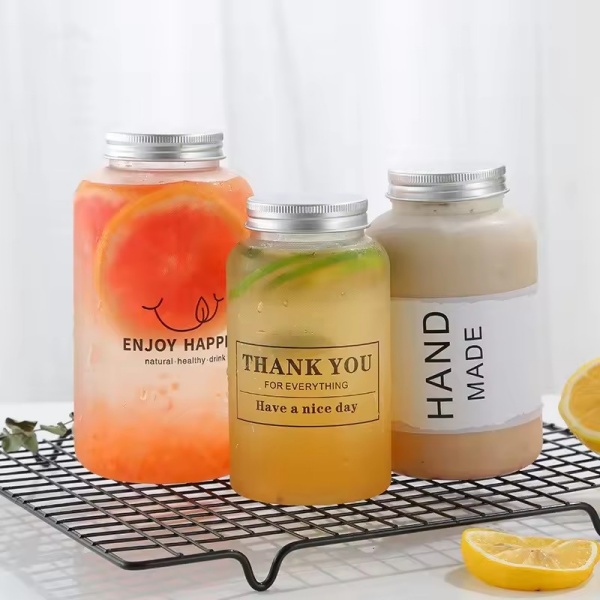


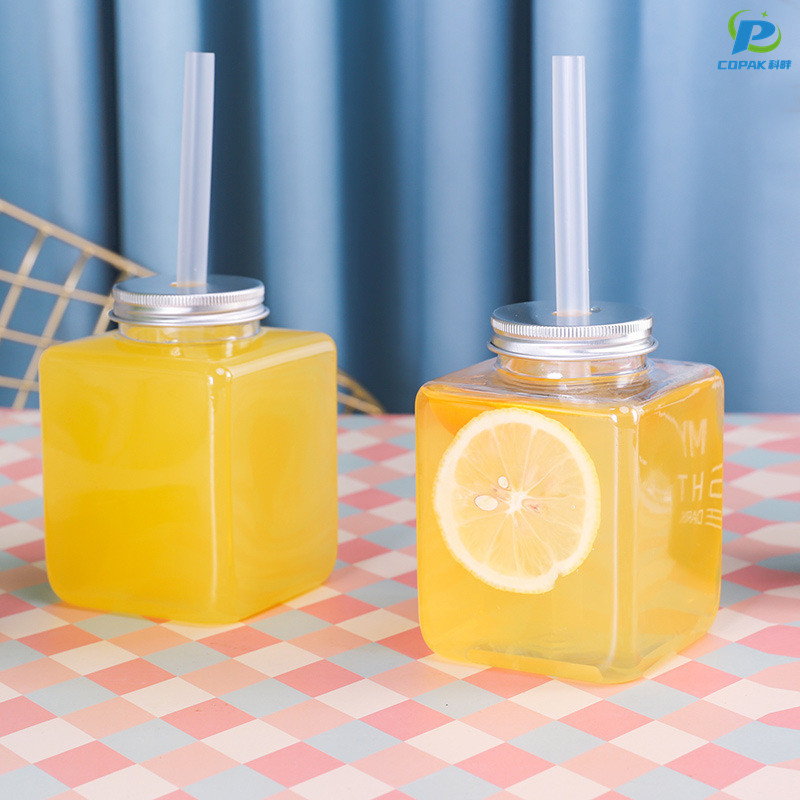
PET Bottle With Aluminum Cap Service Delivers Unmatched Quality
Combining food‑grade PET with precision aluminum caps, this PET bottle with aluminum cap service delivers unmatched quality for global buyers. The aluminum closure provides superior sealing, tamper evidence, improved barrier performance and a premium metallic finish, while PET offers clarity, impact resistance and recyclability. Customizable volumes, neck finishes, surface textures and full‑color decoration make these containers ideal for beverages, cosmetics, food and pharmaceutical lines, balancing protection with high‑end appearance. Supported by advanced production lines and rigorous quality control, the service ensures consistent batch‑to‑batch performance, strict hygiene standards and adherence to international regulations. Flexible minimums, scalable capacity and optimized logistics enable reliable global supply, short lead times and cost‑efficient sourcing. Procurement teams seeking packaging that unites aesthetics, protection and sustainability will find a dependable solution ready to meet diverse market requirements.
| Parameter | Unit / Standard | Specification (Range) | Typical Result / Notes |
|---|---|---|---|
| Material (Bottle) | - | Food-grade PET (Polyethylene Terephthalate) | Injection-blow or stretch-blow molded; complies with common food-contact regulations |
| Cap Material | - | Anodized aluminum with heat-seal liner | Liner: PE foam or LDPE-based; provides reliable closure sealing |
| Capacity | mL | 250 / 330 / 500 / 1000 | Typical lightweight formats; dimensions adjusted per capacity |
| Typical Bottle Weight (500 mL) | g | 16–22 | Example typical: 19 g for a standard 500 mL design |
| Cap Weight (typical) | g | 3.5–6.0 | Aluminum cap mass varies by liner and design; ~4 g common for 28 mm |
| Neck Finish | mm | 28 mm common (e.g., 28/400 family) | Standard necks for aluminum screw/press caps; custom necks available |
| Wall Thickness | mm | 0.20–0.45 | Depends on bottle geometry and intended application (e.g., carbonated vs non-carbonated) |
| Specific Gravity / Density | g/cm³ | ~1.38 | Typical virgin PET density at 23°C |
| Tensile Strength (MD) | MPa (ISO 527) | 50–75 | Measured per ISO 527-1; depends on PET grade and orientation |
| Elongation at Break | % | 50–150 | Typical range for blow-molded PET; orientation affects values |
| Oxygen Transmission Rate (OTR) | cc/m²·day (ASTM D3985) | 1.5–5.0 | Typical PET film-equivalent OTR; aluminum cap plus liner greatly reduces ingress at the closure |
| Water Vapor Transmission Rate (WVTR) | g/m²·day (ISO 15106) | 1.0–4.0 | Depends on wall thickness and orientation; not primary barrier for highly moisture-sensitive products |
| Seal Integrity | Vacuum/Pressure / Helium Leak | Leak rate <1x10^-6 mbar·L/s typical | Validated by vacuum decay and periodic integrity tests; cap liner selection critical |
| Thermal / Fill Compatibility | °C | -20 to +60 (continuous); short-term up to 85 | Suitable for cold-fill and many hot-fill processes; not for retort sterilization unless specially engineered |
| Suitability for Carbonation | - | Low to moderate carbonation only (design-dependent) | Pressurized carbonated beverages require thicker walls and specific base design |
| Recommended Fill Media | - | Water, juices, ready-to-drink teas, cold-brew coffee, edible oils (non-oxidizing) | Compatibility tests recommended for acidic or oily formulations |
| Regulatory / Food Contact | - | Compliant with common food-contact rules when using approved resins and liners | Manufacturer should provide Declaration of Compliance to specific region (e.g., EU/US) on request |
| Recyclability | - | PET #1 recyclable; aluminum cap recyclable separately | Caps and liners may require separation at recycling stream for optimal recovery |
| Dimensional Tolerance | % | ±2–4% | Typical production tolerance for critical dimensions (height, diameter, neck) |
| Quality Control Tests | - | Visual, dimensional, leak, OTR/WVTR spot checks, mechanical | Batch records maintained; frequency per production volume |
| Shelf Life (sealed, non-carbonated) | months | 12–24 | Depends on formulation and storage conditions; aluminum cap improves headspace protection |
Related Products




PET Bottle With Aluminum Cap Supplier Your Trusted OEM Partner
Top Selling Products





- Related Blog
- Reviews
- Reviews
