



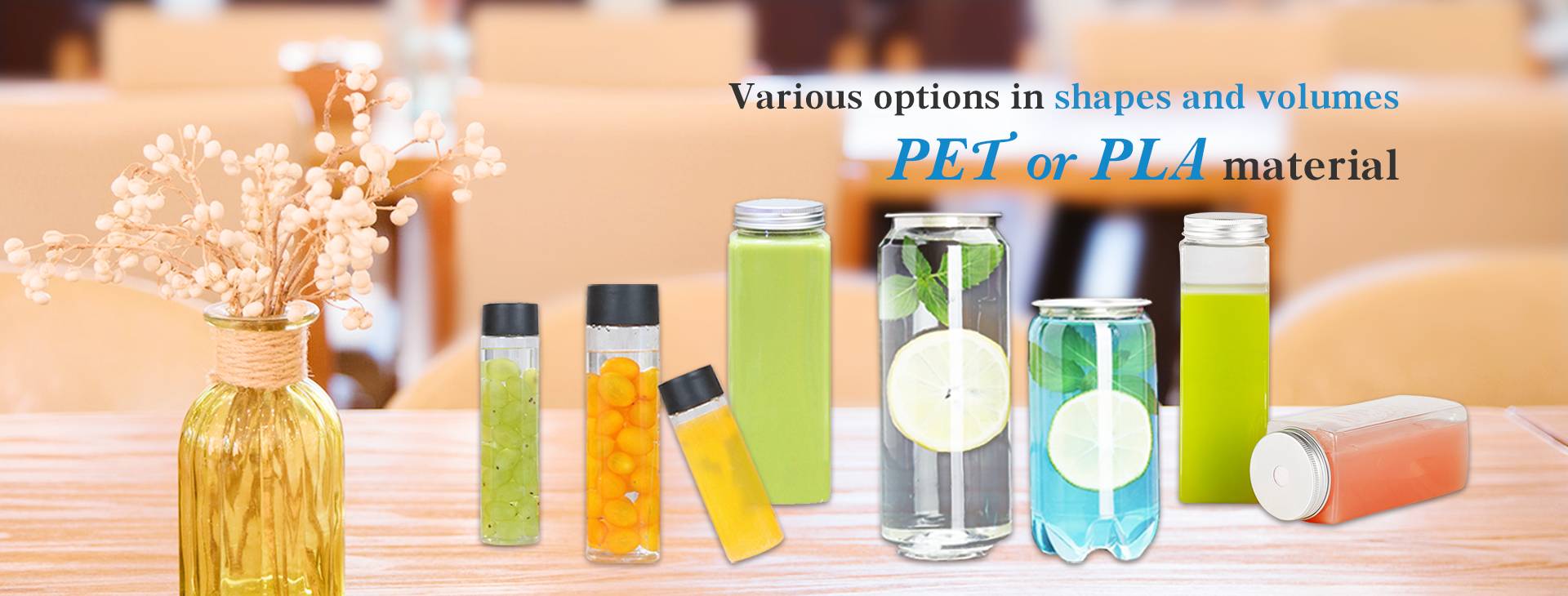
Plastic Food Cups With Lids - China Manufacturer
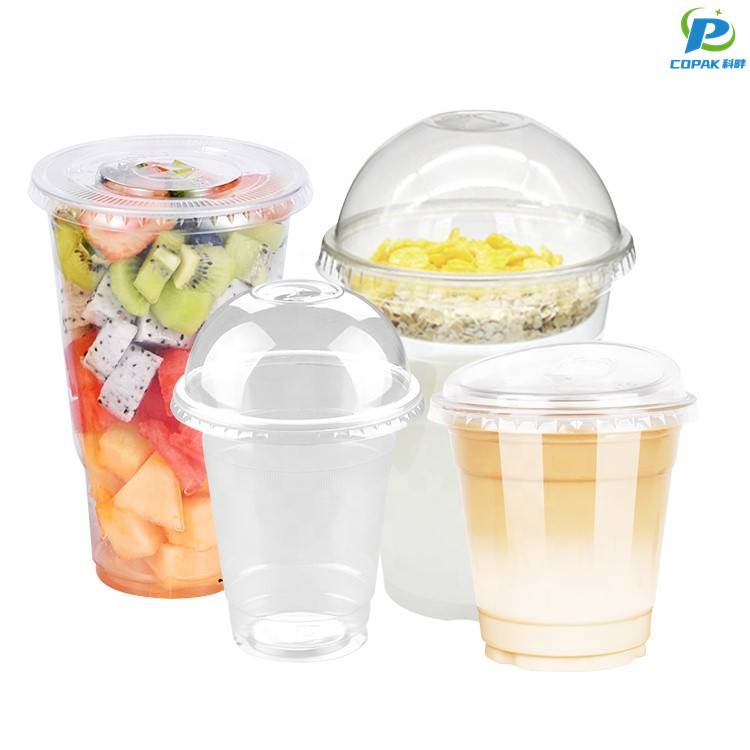
Based in China, I am a dedicated manufacturer offering Plastic Food Cups With Lids for bulk orders. I pay close attention to every step—from the material selection to the lid seal—to ensure leak-proof performance and crisp presentation. Our range includes clear, stackable cups in multiple sizes with airtight lids, ideal for yogurt, desserts, sauces, and take-away portions. I can tailor colors, print branding, and packaging to match your brand and shelf needs. OEM/ODM is welcome, and MOQs are flexible to fit new entry needs. With ISO-certified quality control and fast production timelines, you’ll get consistent quality and dependable supply. We welcome China-based buyers and global distributors alike, providing competitive pricing, reliable lead times, and transparent communication. If you’re evaluating a steady partner, contact me for samples and a custom quote on Plastic Food Cups With Lids for your next batch.


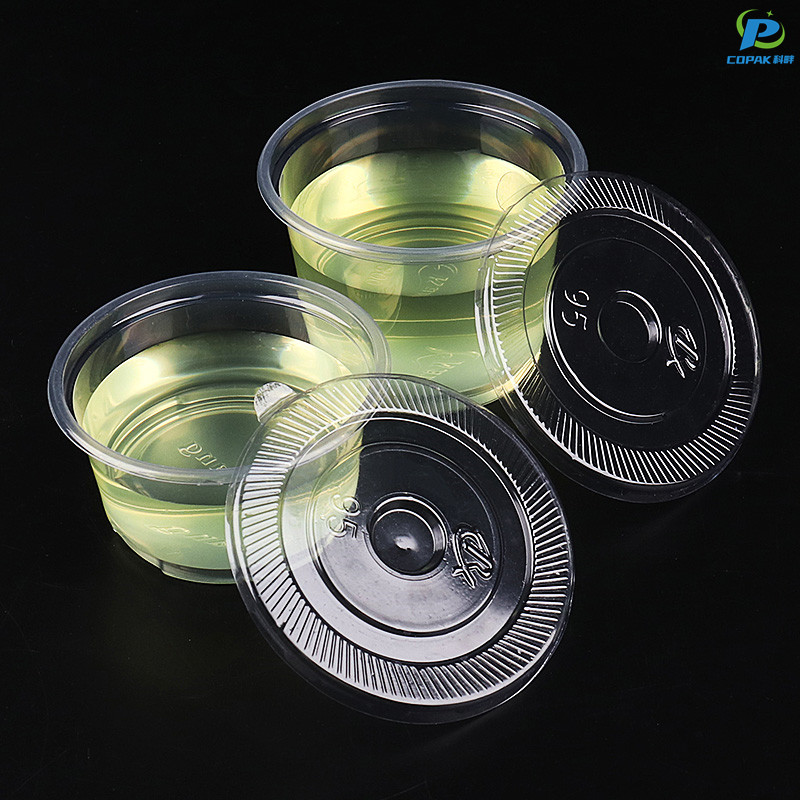
Plastic Food Cups With Lids For the Current Year From Concept to Delivery
As global demand shifts toward convenient, safe and eco-conscious packaging, plastic food cups with lids remain a top choice for takeaway and retail. From concept to delivery this year, the process begins with material selection (food-grade PP, PET or compostable PLA), structural and lid design, and rapid prototyping to verify stackability, sealing and tamper-evidence. Rigorous testing and certification ensure compliance with FDA, EU and local food-contact standards, while custom printing, sizing and barrier options meet brand and shelf-life needs. Once designs pass validation, production scales with strict quality controls, full traceability and tailored packaging to optimize palletization and reduce freight costs. Standard lead times, sample programs and flexible MOQs support global procurement schedules, and sustainability improvements—lightweighting, recycled-content options and take-back readiness—help buyers meet ESG targets. Requesting pre-production samples and a production timeline helps streamline sourcing from concept to on-time delivery.
| Stage | Typical Lead Time (weeks) | Key Activities | Materials & Options | Common Sizes (ml) | Regulatory Considerations | Waste / End-of-Life | Typical Quality Checks | Common Production Defects | Sustainability Notes |
|---|---|---|---|---|---|---|---|---|---|
| Concept & Market Research | 2–6 | Define use-cases, target markets, user requirements, estimated volumes, initial cost/sustainability goals, basic LCA scoping. | PP, PET, PS, PE, bio-based PLA (mono-material vs multi-layer options) | 120, 200, 300, 500, 1000 | Identify food-contact regulations for target markets (e.g., EU food contact framework, FDA): list required tests. | Curbside recycling (PP/PET), industrial composting (PLA), note: local infrastructure varies. | Specification completeness review; initial risk assessment. | Incorrect requirement capture, unrealistic specs for chosen material. | Early LCA informs material choice; prioritize mono-material designs. |
| Material Selection & Testing | 3–8 | Laboratory testing for migration, barrier and mechanical properties; compatibility with lids and sealing systems; shelf-life estimations. | Virgin resins, rPCR (recycled) content candidates, additives evaluated for food safety. | All prototype sizes (focus on production sizes) | Migration limits, allowable additives, odor & taste testing, specific migration tests per regulation. | Assess recyclability (mono-polymer preferred); document end-of-life for each material option. | Tensile/elongation, heat-distortion, barrier and clarity tests. | Insufficient barrier, haze, incompatibility with hot-fill or cold-fill processes. | Select materials enabling higher recycled content without compromising safety. |
| Prototype & Design Iteration | 4–10 | CAD tooling iterations, 3D-printed or vacuum-formed prototypes, user trials, sealing & lid-fit tests. | Prototype-grade resins, 3D-print materials for fit-checks. | Range of representative sizes for ergonomic and stackability testing | Ensure prototype materials do not contain banned substances for final product testing. | Reuse or recycle prototyping materials where possible; document material composition for disposal. | Fit and function tests, seal/leak checks, stacking trials. | Poor lid fit, inadequate sealing, unstable stacking. | Optimize wall thickness and geometry to reduce material while maintaining performance. |
| Tooling & Mold Fabrication | 6–12 | Mold design, CNC machining, polishing, trial shots and first-article adjustments. | Hardened tool steel for injection/thermoforming molds; mold-release surface finishes. | Production-specific cavities matching final sizes | Tooling cleanliness controls to avoid contamination; documentation of tooling materials. | Recycling of machining scrap (metal); plan for long tool life and repairability. | First article inspection (dimensions, wall thickness, finish). | Flash, sink marks, misaligned parting lines. | Design tooling for fewer cavities with higher cycle efficiency; reduce polishing chemicals. |
| Pilot Production & Validation | 2–6 | Short production runs to validate cycle times, annealing, sealing, and packaging lines; sampling for lab tests. | Production-grade resins, sealing liners, lid materials. | Full production range tested | Perform release testing required by regulation (migration, extracts, shelf-life where applicable). | Manage regrind; segregate scrap for recycling; document material loss rates. | Dimensional inspection, seal strength, leak detection, visual appearance. | Inconsistent wall thickness, sealing failures under expected conditions. | Minimize rejects via process control and reuse of approved regrind streams. |
| Full-Scale Production | Per batch 1–4 | Continuous runs with SPC, inline inspection cameras, and process control loops; optimize cycle time and maintenance. | High-volume PP/PET/PLA as selected; consistent lot control. | All production sizes | Traceability for batches, regulatory record-keeping, and retained samples per region. | On-site recycling of process scrap; record recycled content percentages. | SPC metrics, dimensional spot checks, visual inspection, seal integrity sampling. | Contamination, excessive flash, gate marks, short shots. | Incorporate rPCR where feasible; optimize energy use per part. |
| Filling, Lid Application & Sealing | 1–3 (line validation) | Validate filling accuracy, sealing method (induction, heat-seal), lid placement, tamper-evidence, hygienic handling. | Lids (matching polymer), foil liners, induction-capable materials. | Production sizes as applicable | Hygienic design, GMP on filling lines, microbial controls where product requires. | Separate materials by polymer for recycling post-consumer where feasible; optimize for mono-material lids. | Seal integrity (bubble/leak tests), fill weight verification, sterility checks if required. | Seal failures, contamination during filling, misapplied lids. | Design lids for easy separation and recycling; reduce multi-material laminates. |
| Final QA & Release | 1–2 | Final batch testing, certificate preparation, retention sample storage, final documentation and release approvals. | Packaged units (ready for shipment) | N/A | Conformance to declared composition and food-contact test results; retention of records for required period. | Rejected material disposition and documentation of disposal or recycling. | Shelf-life verification, migration checks, physical test confirmation. | Late-detected failures, off-spec batches requiring recall or rework. | Document recycled content claims; provide consumer-facing disposal guidance. |
| Packaging & Logistics | 1–3 | Design secondary packaging, pallet configuration, transport condition planning, labeling and traceability for distribution. | Corrugated cardboard, stretch film (opt. recyclable), pallets. | N/A | Transport documentation for food-contact items; temperature control where required for filled products. | Recycle corrugate, returnable pallets, choose mono-material dunnage when possible. | Packaging integrity checks, label accuracy, pallet stability tests. | Damage in transit, moisture ingress, labeling errors. | Optimize pack density and choose recyclable packaging to lower carbon footprint. |
| Delivery, Aftercare & End-of-Life | Ongoing | Customer feedback loops, complaint handling, recall procedures, end-of-life studies and closed-loop program planning. | Used consumer products | N/A | Provide disposal and recycling guidance compliant with regional rules. | Recycling (curbside where available), industrial composting for certified PLA, energy recovery for non-recyclable streams. | Post-market surveillance, failure analysis from returns/samples. | Consumer misuse, improper disposal leading to contamination of recycling streams. | Implement take-back or closed-loop recycling programs; improve labeling to aid correct disposal. |
Related Products
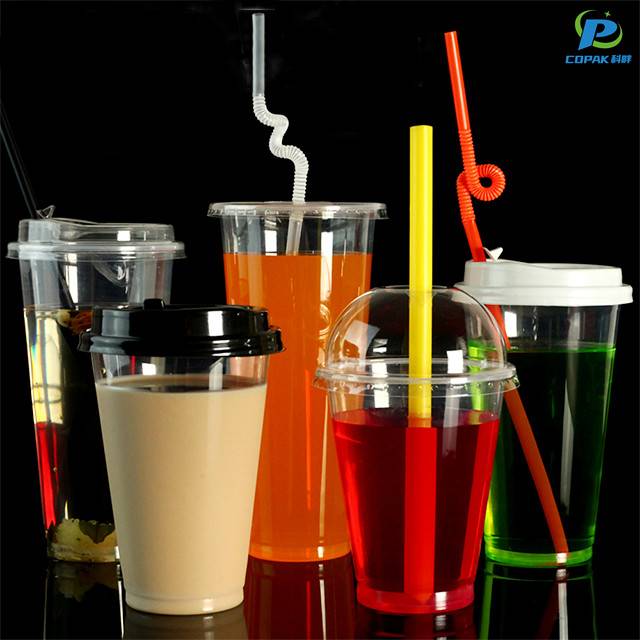


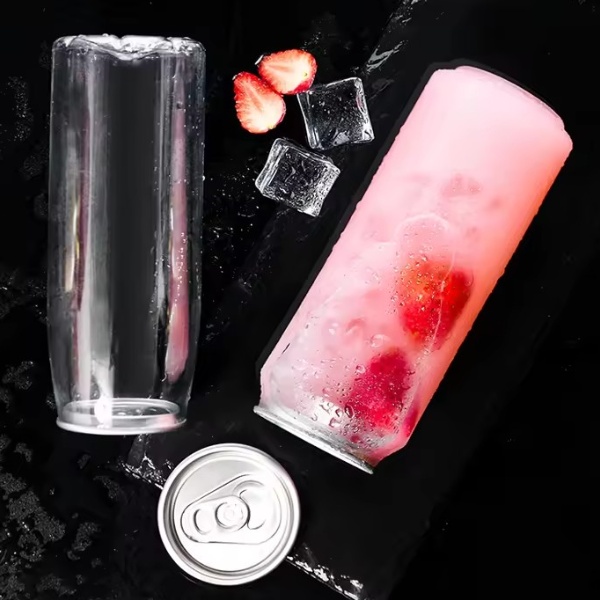

Plastic Food Cups With Lids Factory Where Service Meets Innovation
Top Selling Products





- Related Blog
- Reviews
- Reviews
