



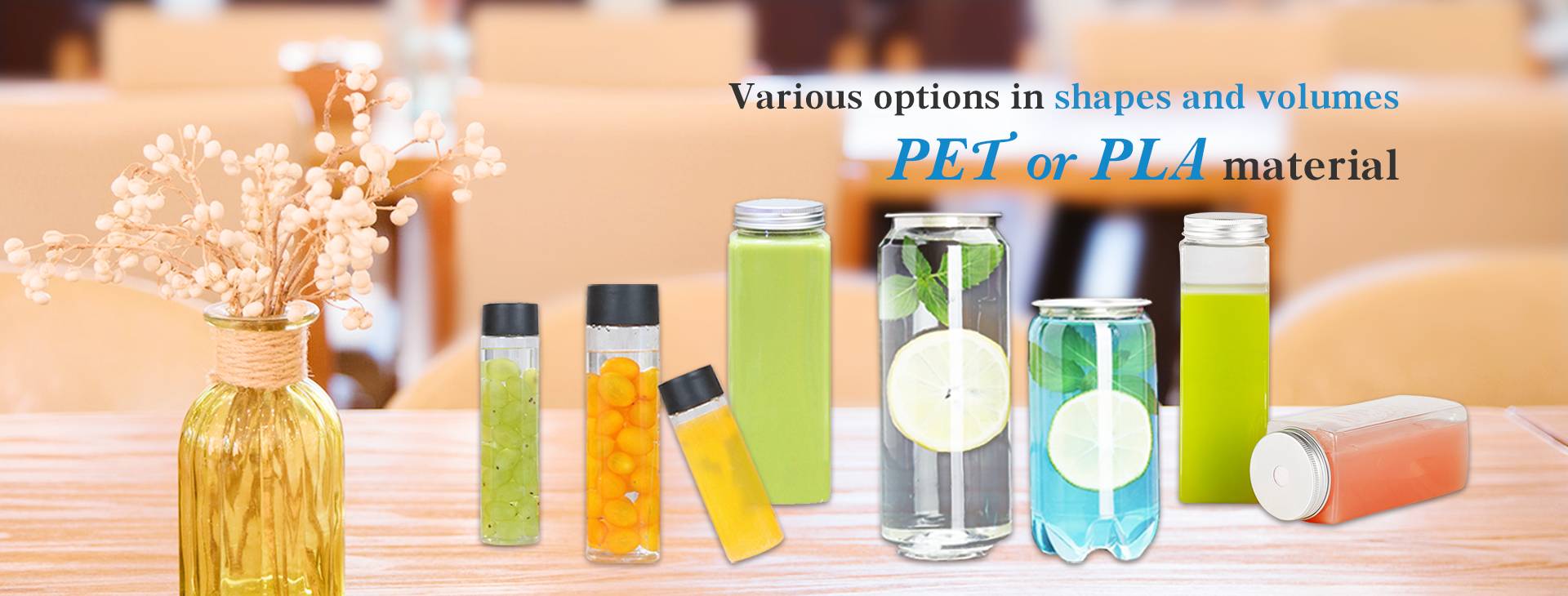
PET Bottle Square - China Manufacturer for Reliable PET Containers
From our workshop in China, I offer the {PET Bottle Square} series to meet your packaging needs. As a {China}-based {Manufacturer} with years of bottling experience, I design light-weight, square PET bottles that save shelf space and simplify palletization. Each bottle uses food-grade PET, with good chemical compatibility and top-notch drop resistance for beverages, oils, or cosmetics. I can customize cap sizes, labeling panels, and graphic decorations with precise color matching. I guarantee steady supply, low minimum orders for trials, and fast lead times through a reliable China-based factory network. My QA checks guarantee consistency batch to batch, with options for certifications and eco-friendly materials. If you’re seeking a flexible partner who can scale with your demand, I’m ready to discuss volumes, pricing, and delivery. Company detail: {}
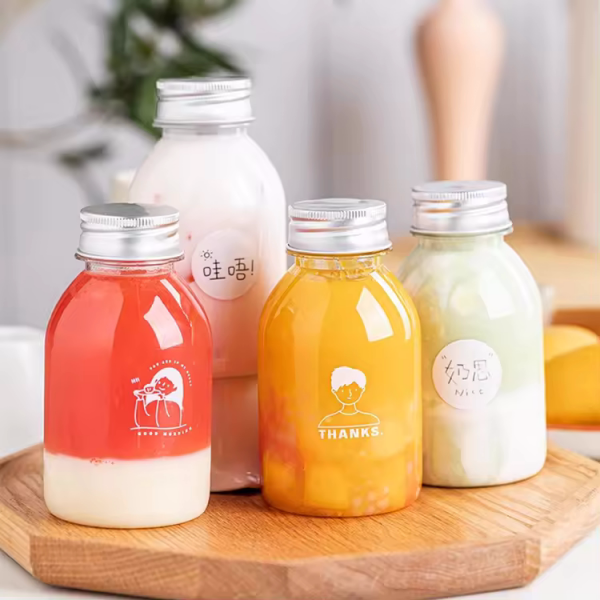
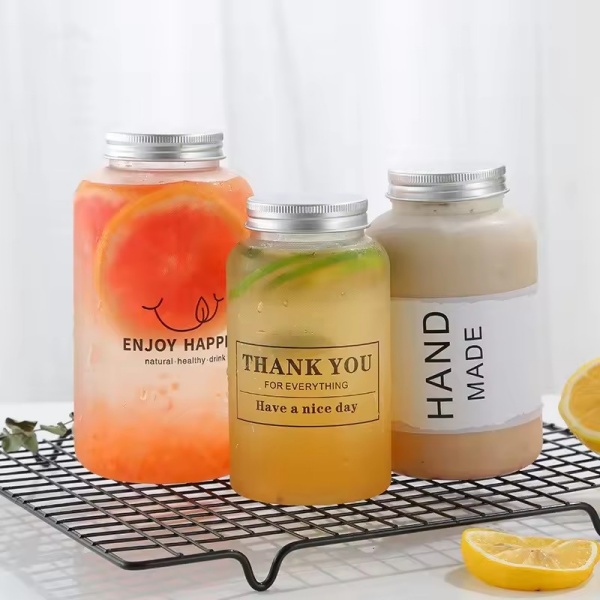
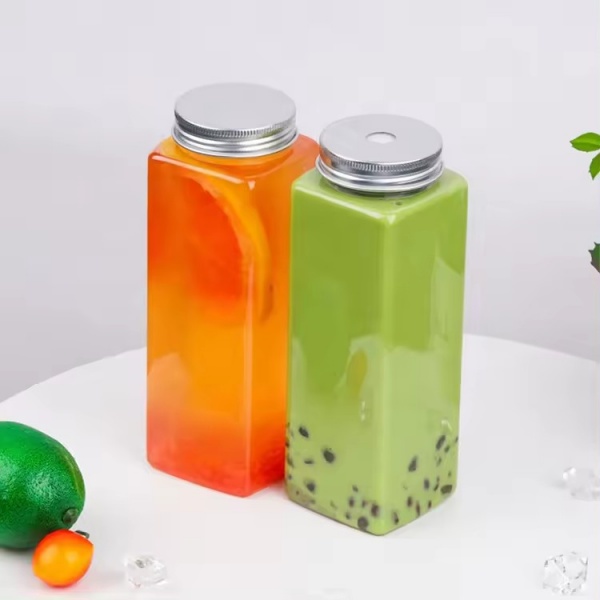
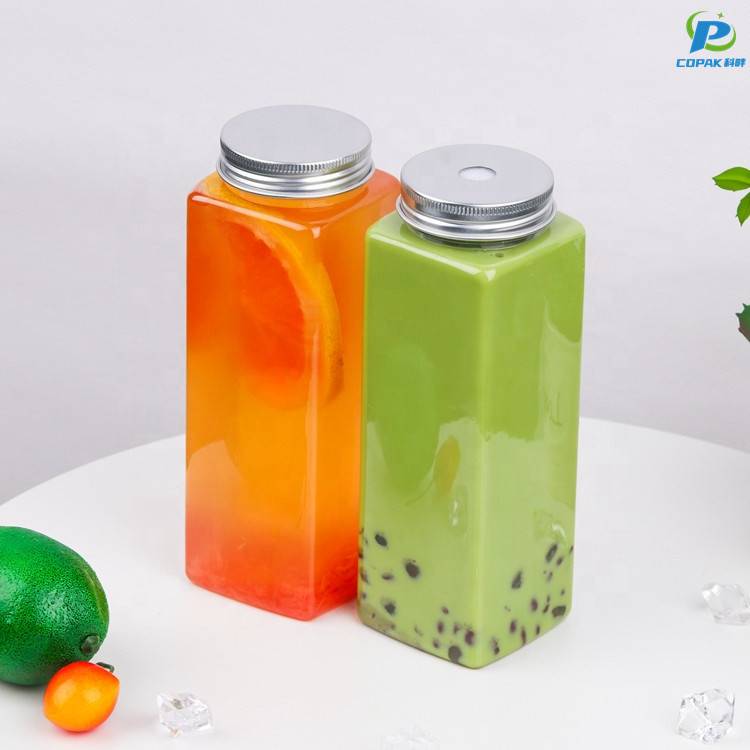
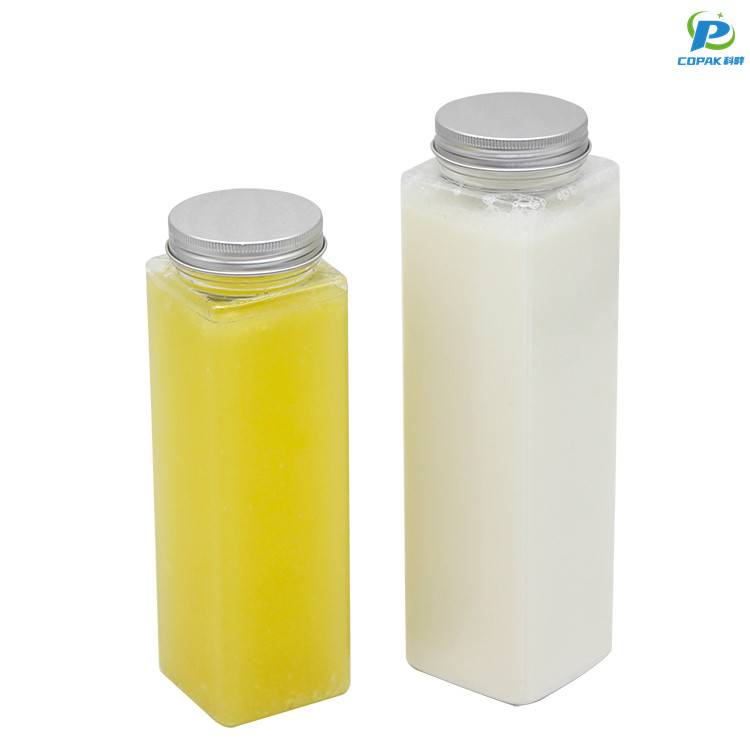
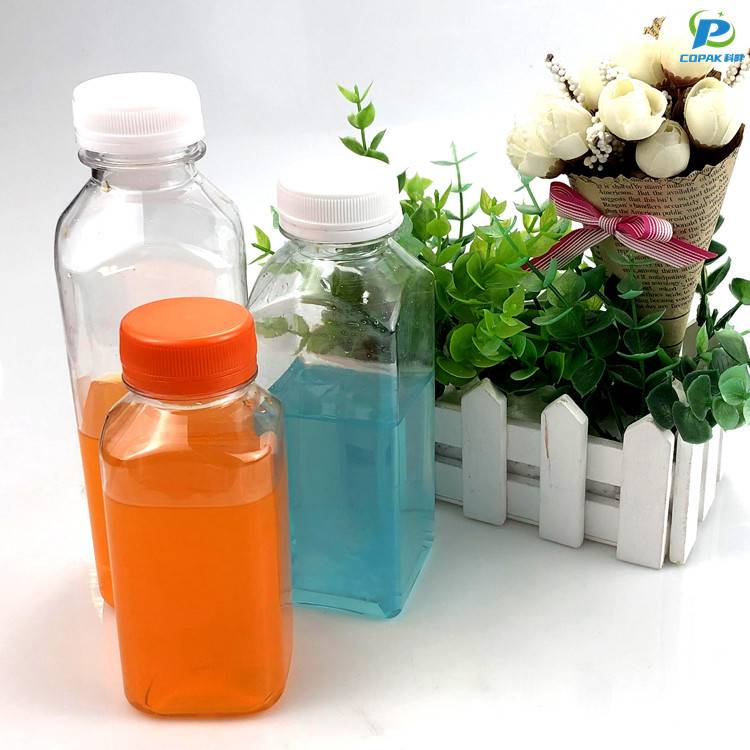
PET Bottle Square Your End-to-End Solution From Concept to Delivery
From concept to shelf, our end-to-end PET square bottle solution streamlines every step for global buyers. We collaborate on concept development and structural design, produce rapid prototypes and precision molds, and deliver high-quality blow-molded bottles with options for neck finishes, label panels, and barrier enhancements. Engineering for fill-line efficiency and logistics-friendly stacking reduces total cost of ownership while preserving product integrity. Quality assurance, regulatory compliance, and sustainability are integral—material traceability, food-grade resins, lightweighting and PCR options help meet regional requirements and brand sustainability goals. With flexible MOQs, scalable production and coordinated global logistics, we ensure predictable lead times and on-time delivery so your product reaches markets faster.
| Project Phase | Key Activities | Typical Deliverables | Material & Specs | Performance Metrics | Quality Checks |
|---|---|---|---|---|---|
| Concept & Feasibility | Market & use-case analysis; initial bottle form-factor studies; sustainability assessment. | Concept sketches, feasibility report, end-of-life scenarios, recyclability assessment. | PET (polyethylene terephthalate); recommended recycle content: 20–50% post-consumer resin (PCR) options. | Cycle feasibility: 60–90% chance of concept viability | Cradle-to-gate CO2 estimate; material mass estimate (g) |
| Design & Prototyping | 3D CAD, label & closure integration, wall-thickness optimization, prototyping by blow or 3D printing. | CAD files, rapid prototypes, label mockups, fit-check reports. | Typical capacities: 250 ml / 500 ml / 1000 ml. Typical weight: 12–28 g depending on geometry. | Target tare weight variance ±5% | Dimensional checks, label register, cap fit test |
| Tooling & Preproduction | Mold design, pilot tooling, blow mold validation, preproduction sample runs. | Tool drawings, pilot molds, first-run sample batch, tooling sign-off. | Preform specifications: neck finish (e.g., 28-400), wall thickness distribution 0.28–0.45 mm. | Pilot run yield: 92–98% | Mold validation, leak & vacuum tests, visual defect rate |
| Mass Production | Continuous blowing, automated inspection, inline labeling, cycle-time optimization. | Production batches, QC reports, traceability logs, throughput metrics. | Material: virgin PET or blended PCR; clarity/transparency targets (haze < 4% for clear bottles). | Cycle time: 1.2–2.5 s per bottle; Output: 1,500–5,000 bottles/hr per line | Inline leak, dimensional auto-checks, visual AI defect detection |
| Secondary Operations & Finishing | Surface treatments (e.g., coating), secondary printing, hot-stamping, sleeving. | Finished samples, adhesion reports, color-match certificates. | Coatings: barrier or scratch-resistant films; printing inks: migration-tested, food-contact compliant. | Adhesion & finish acceptance > 98% | Adhesion, rub-resistance, ink migration screening |
| Packaging & Logistics | Secondary packaging design, palletization patterns, transport simulation (drop/vibration). | Packaging specs, pallet patterns, transport compliance report. | Protective layers: corrugated trays or sleeve-based packaging; pallet height & stacking details. | Pack efficiency: 72–86% usable volume per pallet | Drop test, compression test, label scannability |
| Regulatory & Testing | Migration testing, food-contact compliance, shelf-life & stability testing, certification support. | Test certificates, migration data, shelf-life summary, compliance checklist. | Compliance standards referenced: general food-contact polymer regulations; recommended testing matrix. | Migration limits: within regulatory thresholds | Extractables/Leachables, microbial swabs, accelerated aging |
Related Products


PET Bottle Square Where Innovation Meets 2025 Factory-Direct Excellence
Top Selling Products





- Related Blog
- Reviews
- Reviews
