



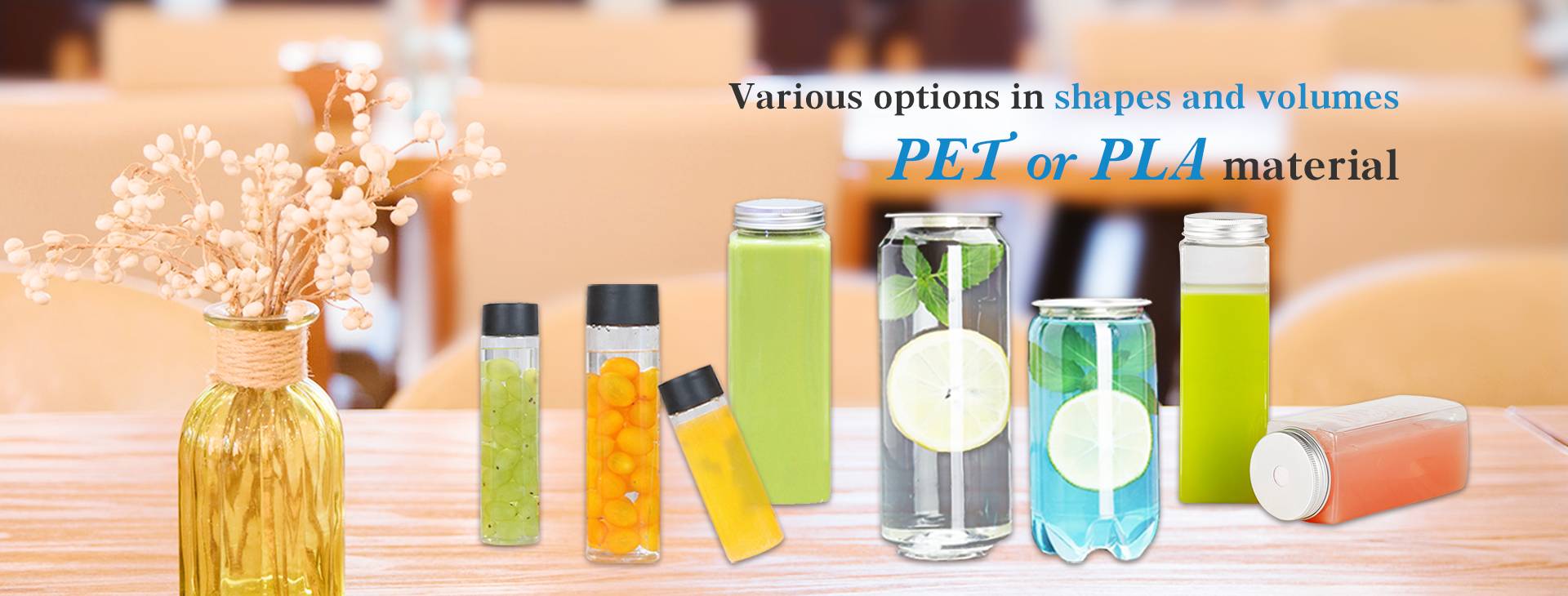
Disposable Juice Cups - China Manufacturer for Bulk Orders
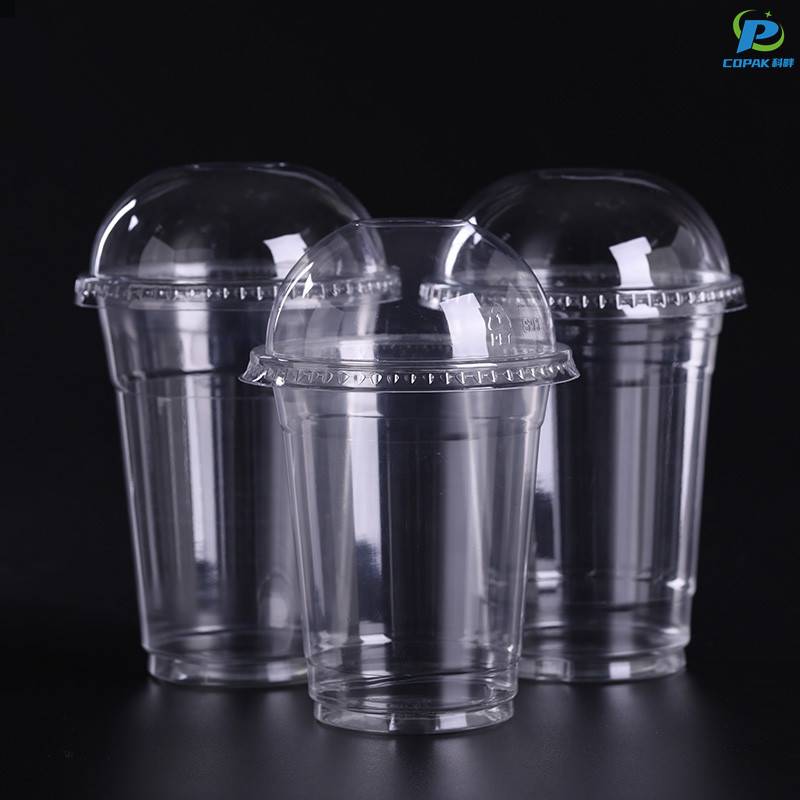
As a China-based Manufacturer, I offer high-quality Disposable Juice Cups for cafes, schools, and events. I understand B2B buyers need reliability, safety, and value, so I’ve built a response-ready supply chain. These Disposable Juice Cups are made from food-grade materials, leak-resistant, and stack neatly for easy storage. They tolerate typical cold and warm beverages and come with optional lids. I provide ISO-standard quality checks, consistent size options, and fast lead times. Packaging can be customized to your brand, with logos and color choices that stand out on shelves. With flexible MOQ and direct factory pricing, you’ll get strong margins and steady supply. I serve customers across China and abroad, offering transparent communication and responsive support. If you’re sourcing Disposable Juice Cups from a trusted manufacturer, I can help you simplify procurement, reduce risk, and grow your business.


Disposable Juice Cups Dominates Trusted by Pros
Disposable juice cups have become the go-to choice for professionals in cafes, events, and retail because they combine reliable performance with scalable production. Manufactured by a Shanghai-based producer with extensive export experience, these cups use food-grade materials, precise molding, and quality-controlled lids to ensure leak resistance, clarity, and safe beverage handling. Rigorous testing and international certifications back consistent batch quality, making them ideal for high-volume operations and seasonal spikes. For global buyers, advantages include customizable sizes and printing, competitive lead times from modern production lines, and flexible packaging options to meet retail or foodservice requirements. Commitment to sustainable material options and efficient logistics helps buyers balance cost, compliance, and brand presentation—letting professionals focus on service while trusting the supply chain to deliver dependable disposable juice cups.
| Property | PET (Recycling code #1) | PP (Recycling code #5) | PLA (Industrial compostable) | Paper (Plant‑lined / laminated) |
|---|---|---|---|---|
| Common cup sizes (oz / ml) | 8 oz / 240 ml; 12 oz / 360 ml; 16 oz / 480 ml | 8 oz / 240 ml; 12 oz / 360 ml; 16 oz / 480 ml | 8 oz / 240 ml; 12 oz / 360 ml; 16 oz / 480 ml | 8 oz / 240 ml; 12 oz / 360 ml; 16 oz / 480 ml |
| Typical single-cup weight (range) | 8 oz: 5–7 g; 12 oz: 7–10 g; 16 oz: 9–12 g | 8 oz: 6–9 g; 12 oz: 9–12 g; 16 oz: 11–14 g | 8 oz: 7–10 g; 12 oz: 9–13 g; 16 oz: 11–15 g | 8 oz: 9–13 g; 12 oz: 12–18 g; 16 oz: 15–22 g |
| Thermal tolerance (approx.) | Up to ~70°C (softening near 70–80°C); best for cold beverages | Up to ~100–120°C; suitable for hot and cold uses | Low heat tolerance (~45–65°C); not recommended for hot liquids | Depends on lining: PE-lined up to ~85–100°C; compostable-lined up to ~80–95°C |
| Transparency / appearance | High clarity, glass‑like | Translucent to clear depending on grade | Clear, glossy appearance similar to PET | Opaque, printable surface; natural paper finish |
| Barrier properties (moisture / O2) | Good moisture barrier; moderate O2 barrier for short shelf life | Excellent moisture barrier; moderate gas barrier | Moderate moisture barrier; lower heat stability affects barrier at elevated temps | Poor barrier unless laminated or lined; barrier depends on lining material |
| Recyclability / end‑of‑life | Widely recyclable in many regions via #1 stream; accepted by most curbside programs | Recyclable where #5 streams exist; availability varies regionally | Not typically recyclable; industrially compostable where composting infrastructure exists | If PE‑lined: recycling is limited; if compostable lining and certified, industrial composting possible |
| Compostability | Not compostable | Not compostable | Industrial compostability (EN 13432 / ASTM D6400 compliant when certified); not home compostable | Compostable if fully compostable lining is used and certified; mixed materials reduce compostability |
| Common certifications / standards | Food‑contact compliance per applicable regional regulations; recycling code #1 | Food‑contact compliance per applicable regional regulations; recycling code #5 | ASTM D6400, EN 13432 (for certified products); food‑contact compliance where specified | EN 13432 (if certified compostable lining); food‑contact compliance for paperboard packaging |
| Typical lid compatibility | Snap-fit flat lids, domed lids, film seal options | Snap-fit lids and press-fit designs; good for heat-seal and hot-fill lids | Flat and domed compostable lids; film seals for single-serve sealing | Press-fit lids or heat-sealed films; lid type depends on rim design and lining |
| Recommended use cases | Chilled clear juices, cold-pressed retail display, on-the-go cold drinks | Warm or hot beverages, thicker smoothies, applications requiring higher heat tolerance | Chilled juices and smoothies where industrial composting is available and clear look is desired | Cafés and takeaway juices when a paper aesthetic or compostable option is required; depends on lining |
| Notes and operational considerations | Best for visual presentation and cold shelf-stable display; recycling availability improves circularity. | Growing recyclability; robust for heat applications and repeated handling in service. | Excellent low‑temperature clarity; requires industrial composting infrastructure for end‑of‑life. | Material choice of lining (PE vs compostable) determines recyclability/compostability; verify local streams. |
| Practical guidance: disposable juice cups are primarily intended for immediate consumption or short refrigerated storage. Shelf life of cold-pressed or raw juices depends on processing (typically 2–5 days refrigerated without pasteurization). Recyclability and compostability outcomes depend strongly on local infrastructure and the exact product certification—check regional collection and industrial composting availability before specifying end‑of‑life claims. | ||||
Related Products


Disposable Juice Cups Delivers Unmatched Quality Service Backed by Expertise
Top Selling Products





- Related Blog
- Reviews
- Reviews
