PET Bottles

Soda PET Bottle - China Manufacturer for High-Quality PET Bottles

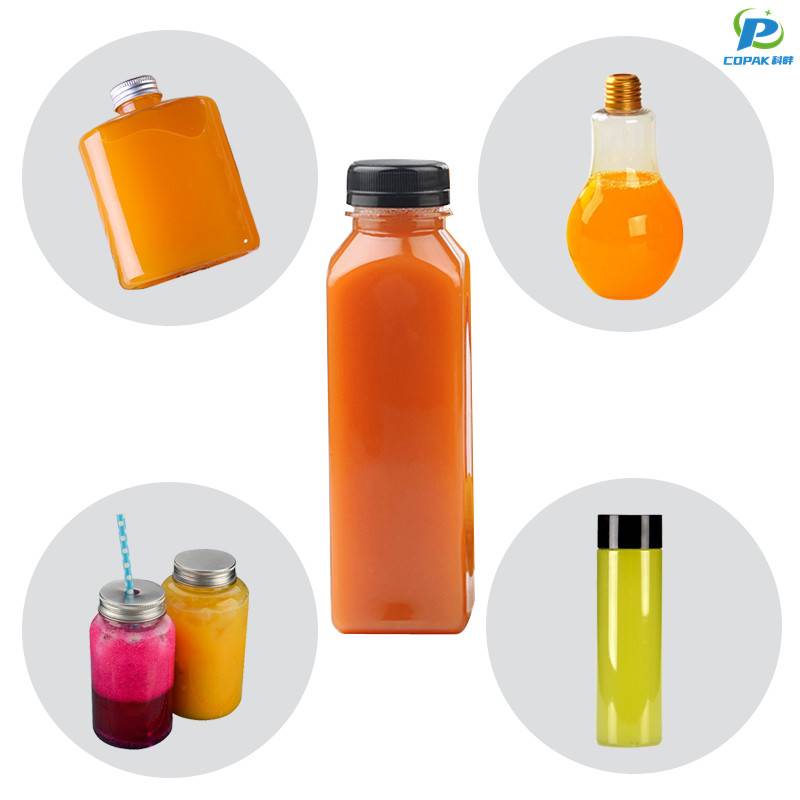
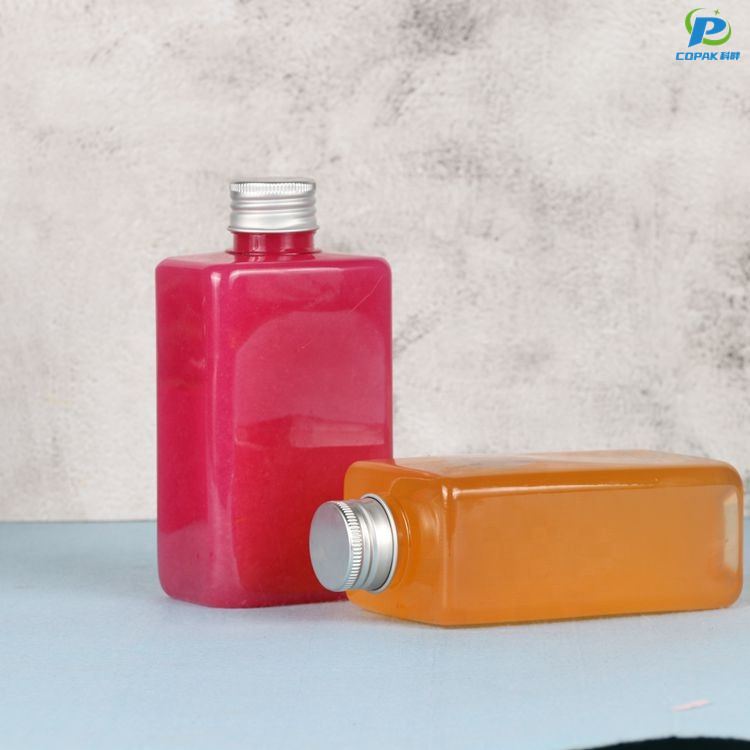
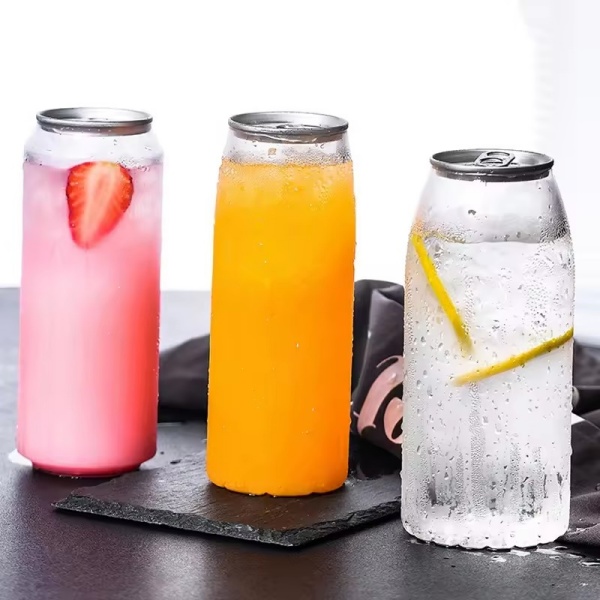
Based in China, I am a manufacturer of Soda PET Bottle, and I’m here to support beverage brands, distributors, and packagers. My bottles combine excellent clarity with strong impact resistance while keeping weight low, perfect for premium shelf appeal. I offer a range of capacities, neck finishes, and customizable labeling to fit your filling line and cap design. The food-grade PET is BPA-free and fully recyclable, ideal for carbonated drinks that need reliable seal and flavor retention. We can tailor dimensions, color, and tamper-evident features to match your brand identity, with short lead times and flexible MOQs. Quality control is strict, and our certifications (ISO 9001, food-contact compliance) give you peace of mind. If you’re sourcing in China, I can ensure a steady supply chain, competitive pricing, and on-time delivery. Let’s discuss your bottle specification and packaging needs today.
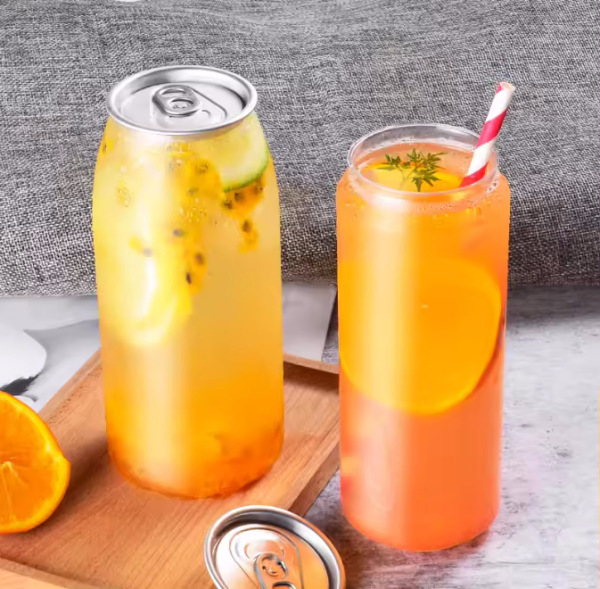
Hot Selling Product

Soda PET Bottle Where Innovation Meets 2025 Your Trusted OEM Partner

As beverage trends accelerate into 2025, soda PET bottles are evolving beyond containment into a platform for innovation—combining advanced barrier technologies, lightweight rPET construction, and precision neck finishes that preserve carbonation and flavor while cutting logistics costs. Buyers worldwide are looking for bottles that deliver extended shelf life, consistent fill-line compatibility, striking custom shapes and labels for standout retail presence, and measurable sustainability benefits such as higher recycled content and lower transport emissions. Partnering with an agile OEM means access to rapid prototyping, flexible tooling, scalable production runs, rigorous food‑grade quality control and internationally recognized certifications, plus coordinated global logistics to meet seasonal demand. For brands seeking to launch or refresh soda offerings, a collaborative OEM partner can co-develop packaging solutions that balance cost-efficiency, regulatory compliance and consumer appeal—turning product vision into market-ready bottles for 2025 and beyond.

{ Soda PET Bottle Where Innovation Meets 2025 Your Trusted OEM Partner}
Parameter Typical Value / Range Notes
Material Polyethylene Terephthalate (PET) Food-contact grade polyester widely used for carbonated beverages
Density ~1.36–1.40 g/cm³ Depends on crystallinity and additives
Glass Transition Temperature (Tg) ~70–80 °C Influences heat resistance and dimensional stability
Melting Temperature (Tm) ~245–265 °C Processing temperature range for melt extrusion and injection
Tensile Strength (yield) ~50–80 MPa Depends on orientation from stretch-blow molding
Elongation at Break ~50–300% Wide range due to molecular orientation and additives
Typical Capacities Offered 250 mL, 330 mL, 500 mL, 750 mL, 1000 mL Common market formats for beverages (custom sizes possible)
Empty Bottle Mass (typical) ~8–30 g (depends on capacity & lightweighting) Lower mass achieved with optimized preforms and design
Wall Thickness (body) ~0.20–0.80 mm (average 0.25–0.6 mm) Varies with capacity, pressure rating and lightweighting strategy
Manufacturing Method Injection stretch blow molding (ISBM) Standard for high-volume beverage bottles
Preform Heating ~90–120 °C (IR ovens) Controlled heating for proper material orientation
Blow Mold Air Pressure (typical) 2–8 bar during stretch-blow step Depends on bottle size and mold geometry
Carbonation Pressure Resistance Design for 4–8 bar (short-term up to ~10 bar with safety margin) Critical for soda; bottle finish and base design matter
Hot-Fill Suitability Up to ~85 °C with heat-set or specially formulated PET Standard PET bottles are not recommended for high-temperature hot-fill unless specified
Oxygen Transmission (OTR) Typical range depending on geometry: ~5–50 cm³/m²·day Barrier coatings or multilayer constructions reduce OTR for sensitive products
Recyclability & PCR Content Fully recyclable; PCR content commonly 0–50% in practice Higher PCR levels depend on regulatory limits and product requirements
Common Neck Finishes 22 mm, 28 mm, 38 mm (screw closures); multiple thread profiles Closures typically polypropylene (PP) or polyethylene (PE)
Color & Appearance Options Clear, light green, light blue, custom tint, opaque and printed labels Tinting and printing affect recyclability streams if not managed
Regulatory Compliance (typical) Meets common food-contact regulations (e.g., EU and FDA frameworks) Compliance depends on resin grade and intended market
Quality & Inspection Tests Leak/pressure test, drop test (1.0–1.5 m), dimensional tolerance, CO₂ retention test Standard QC suite for carbonated beverage bottles

Related Products

Eco Friendly Products

Soda PET Bottle Now Trending Exceeds Industry Benchmarks

PET Soda Bottle Performance vs Industry Benchmark — Multi-Metric Comparison (Q2)

This chart visualizes five key performance metrics for the current PET soda bottle trend compared to a generalized industry benchmark for Q2. Metrics include: Volume Growth (%), Recycled Material Share (%), Fill Efficiency (%), Carbon Efficiency (normalized score where higher is better), and Cost Efficiency (normalized score where higher is better). Each metric is presented side-by-side to highlight relative strengths and weaknesses. The data indicates the PET trend outperforms the industry benchmark across all selected dimensions: volume growth shows a stronger market uptake (12% vs 6%), recycled material share is substantially higher (48% vs 35%) indicating improved circularity, and fill efficiency registers near-optimal operational performance (95% vs 88%). The carbon efficiency score is notably higher (78 vs 60), reflecting lower lifecycle emissions per bottle when adjusted to a positive scale, and cost efficiency (87 vs 72) implies better unit economics or lower total cost per filled bottle. Together these differences suggest a convergent improvement across supply chain, production, and sustainability efforts that exceed baseline industry averages. From an operational standpoint, the pattern signals both demand-side momentum and upstream improvements in materials sourcing and manufacturing. Key implications include prioritizing investment in recycled-content sourcing, scaling manufacturing practices that enhance fill efficiency, and documenting carbon-reduction strategies that can be translated into measurable carbon efficiency gains. On the commercial side, the combined advantages in volume growth and cost efficiency support expansion initiatives but warrant careful capacity planning to maintain fill and quality performance. Finally, stakeholders should continue to track these metrics quarter-over-quarter to confirm sustainability of the trend, validate supplier partnerships that enable higher recycled shares, and quantify contribution margins as volume scales.

Top Selling Products

Subscribe To Our Newsletter

For inquiries about our products or pricelist, please leave your email to us and we will be in touch within 24 hours.

Follow Us

on our social media
  • whatsapp (1)
  • instagram
  • youtube