



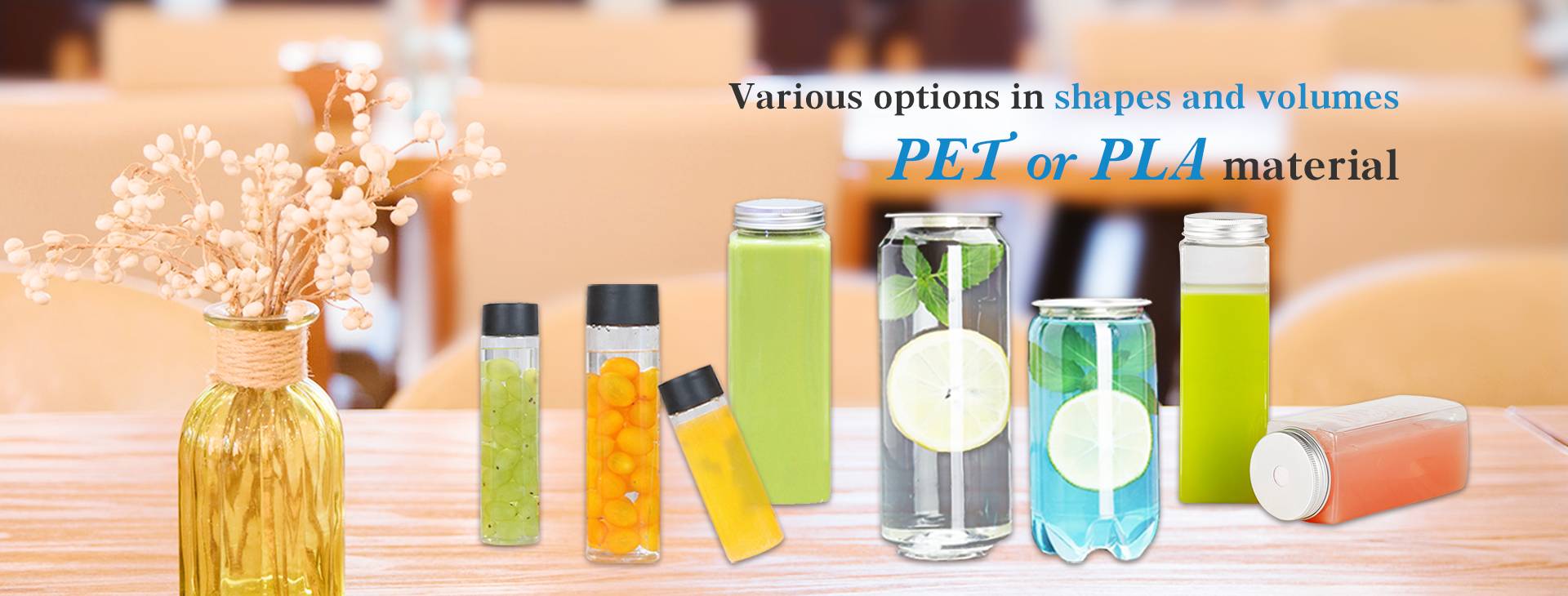
Food Grade Plastic Bottles - China Manufacturer Serving Global Markets
As a China-based Manufacturer, I offer premium Food Grade Plastic Bottles to meet diverse packaging needs. I know B2B buyers hunt reliable containers that protect contents and preserve freshness. My lines include PET and HDPE options in multiple sizes, with childproof and tamper-evident caps. Each bottle is certified food grade, BPA-free, and compliant with international standards, designed for sauces, oils, cosmetics, and beverages. I provide customization: colors, labeling, neck finishes, and volumes, with short lead times and MOQ-friendly terms. You can trust our QA process—dimensional accuracy, leak testing, and batch traceability. I ship worldwide, with flexible packaging and safe, economical shipping. If you’re sourcing in China or seeking a dependable Manufacturer of Food Grade Plastic Bottles, I’m ready to partner. Bulk discounts, on-time delivery, and responsive service are my promises to your brand.


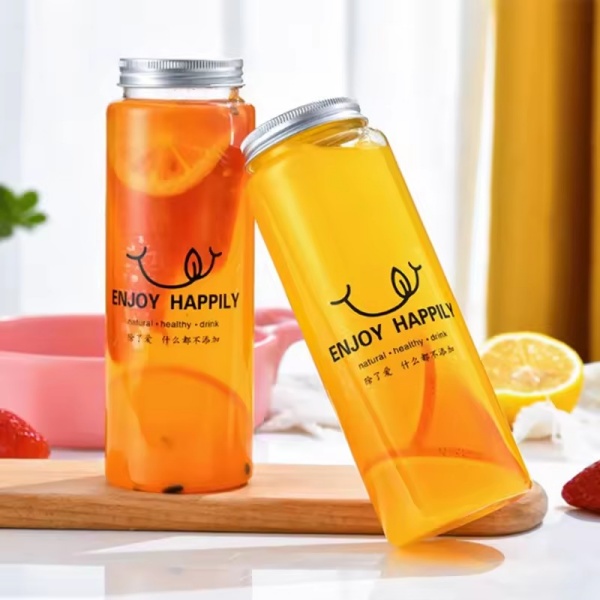
Food Grade Plastic Bottles Service Delivers Unmatched Quality
Delivering food-grade plastic bottles with uncompromising quality is our core commitment to global buyers. We use certified materials (PET, HDPE, PP and LDPE) that meet FDA, EU and ISO food-contact standards, and each production run undergoes strict migration, contamination and mechanical testing. Clean-room filling compatibility, BPA-free options, and traceable QC records ensure products are safe for beverages, condiments, dairy and nutritional lines. For international procurement, we offer flexible OEM/ODM customization—sizes, neck finishes, closure systems, barrier coatings and full-color printing—plus scalable lead times and competitive volume pricing. Sustainable options, recyclable resins and streamlined logistics support reliable global supply. Samples and specification sheets are available to help you qualify products quickly and confidently; request a quote to explore tailored solutions.
| Material | Resin Type | Recycling Code | Density (g/cm³) | Typical Melt Temp (°C) | Manufacturing Process | Food Contact Compliance | Recyclability Notes | Typical Applications | Closure Compatibility | Color Options | Material Shelf Stability |
|---|---|---|---|---|---|---|---|---|---|---|---|
| PET | Polyethylene Terephthalate | 1 | ≈1.38 | 245–260 | Injection stretch blow molding (ISBM); extrusion blow molding | Suitable for food contact when produced to applicable FDA (CFR Title 21) and EU (e.g., Regulation 10/2011) specifications | Widely recycled in many municipal streams; strong recycling infrastructure | Carbonated and non-carbonated beverages, dressings, sauces | Screw caps, sport caps, pumps | Clear, transparent amber, custom tints | Material stable >5 years if stored properly; packaged product shelf life depends on product |
| HDPE | High-Density Polyethylene | 2 | ≈0.95 | 120–130 | Extrusion blow molding; injection molding for closures | Commonly formulated to meet FDA/EU food contact requirements | Highly recyclable; opaque products commonly recycled into new non-food items or containers where permitted | Milk-style containers, condiments, cooking oil bottles | Screw caps, pump closures | Natural (opaque white), colored opaque | Material stable >5 years under normal dry storage; properties retain over long term |
| LDPE | Low-Density Polyethylene | 4 | ≈0.92 | 105–115 | Extrusion blow molding; film extrusion; squeeze bottle forming | Often used in food-contact applications when produced to regulatory specs | Recyclable but collection rates vary; flexible materials less frequently recovered curbside | Squeezable condiment bottles, soft-drink condiment dispensers, flexible packaging | Flip-top caps, spouts, screw-fit closures | Translucent, natural, colorable | Material stable >5 years if protected from UV and heat; flexible performance retained |
| PP | Polypropylene | 5 | ≈0.90–0.91 | 160–170 | Injection molding; extrusion and some blow molding for rigid containers | Suitable for many food-contact applications; widely used for closures and rigid containers | Recyclable (#5) though local collection rates vary | Hot-fill sauces, condiment jars, rigid reusable bottles and closures | Screw caps, pump heads, rigid closures | Opaque white, translucent, custom pigments | Material stable >5 years under appropriate storage conditions |
| PETG | Polyethylene Terephthalate Glycol-modified | 1 (often processed separately) | ≈1.27 | 230–260 | Injection molding, thermoforming, extrusion and blow molding | Commonly used for clear reusable containers where food-contact formulations meet regulatory limits | Recyclable in some streams but often separated from standard PET due to different processing needs | Clear reusable drinkware, condiment bottles, retail-ready clear packaging | Screw caps, pumps, display closures | Clear, translucent, custom tints | Material stable >5 years if stored away from UV and high heat |
Related Products
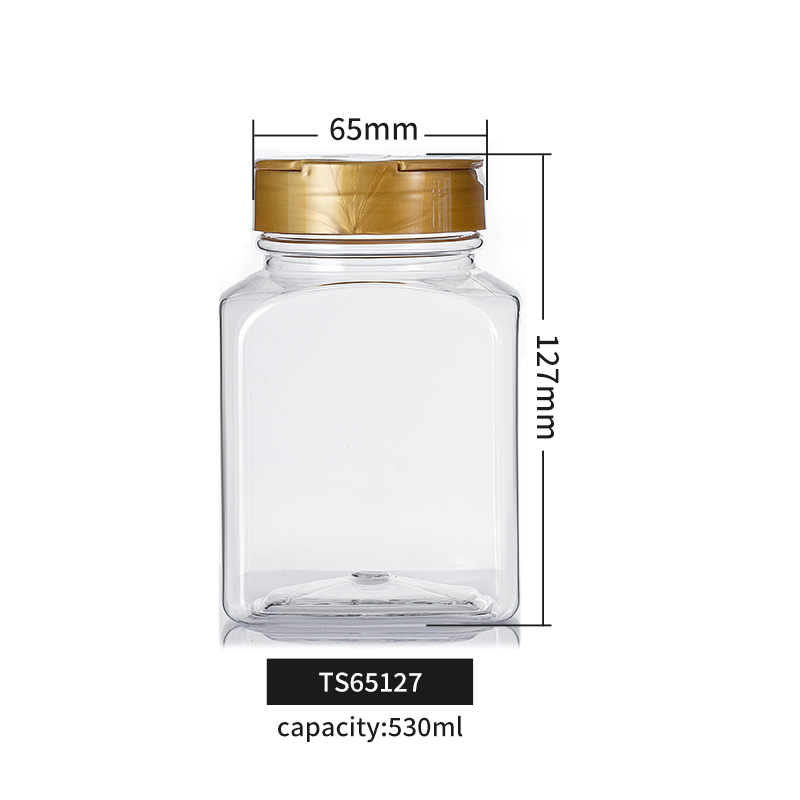
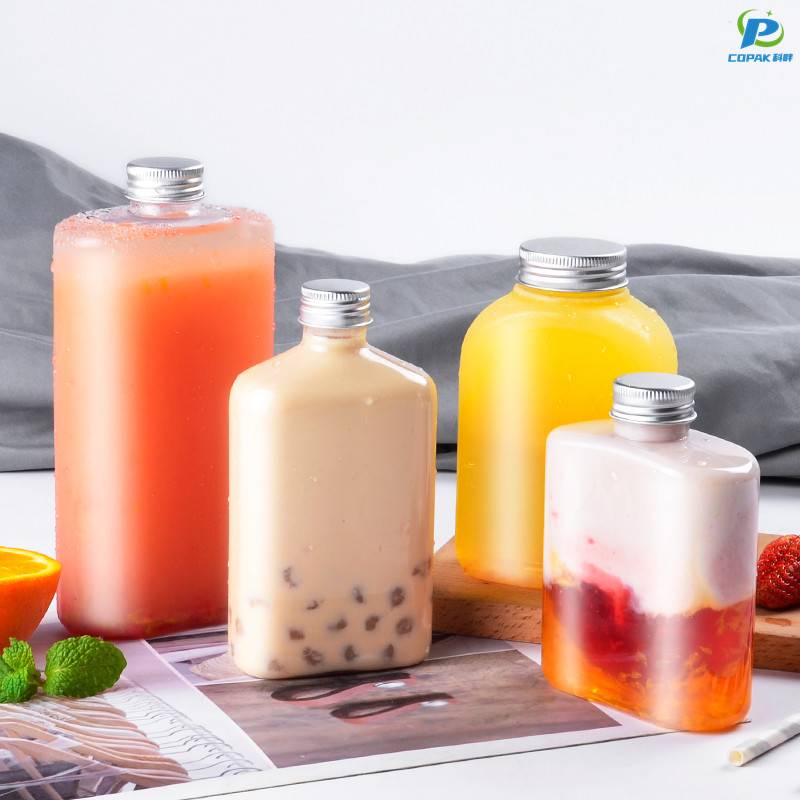
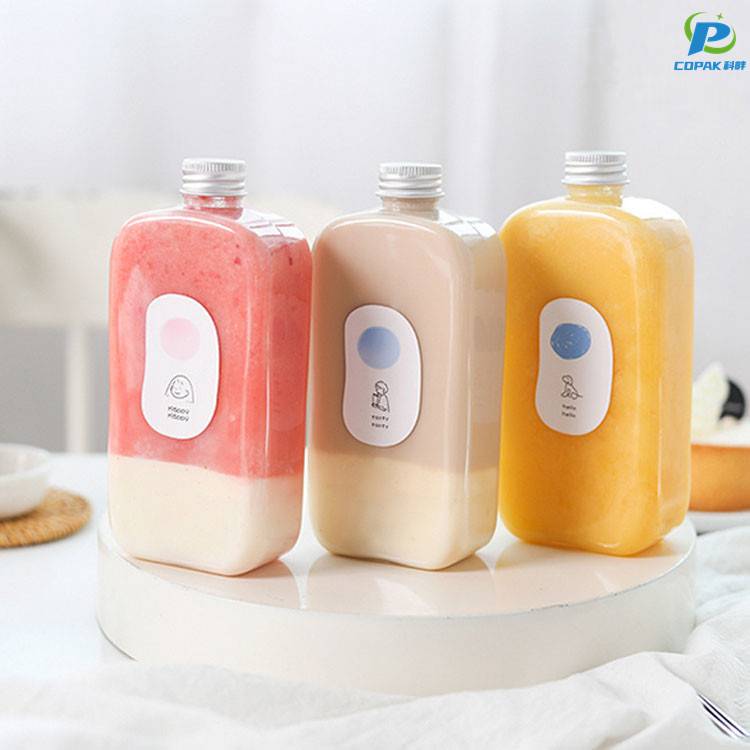
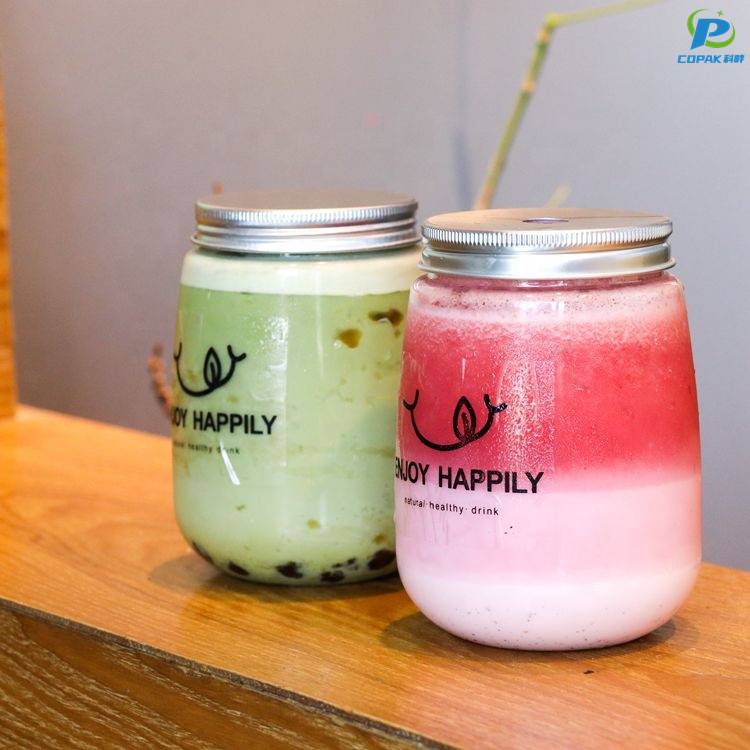
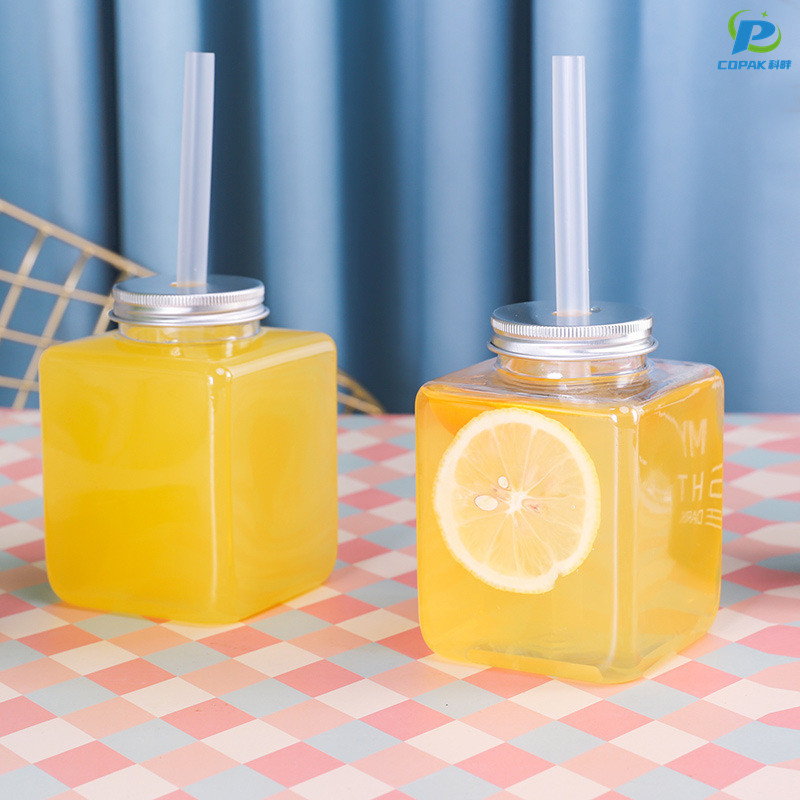


Food Grade Plastic Bottles Supplier Ahead of the Curve
Top Selling Products





- Related Blog
- Reviews
- Reviews
