



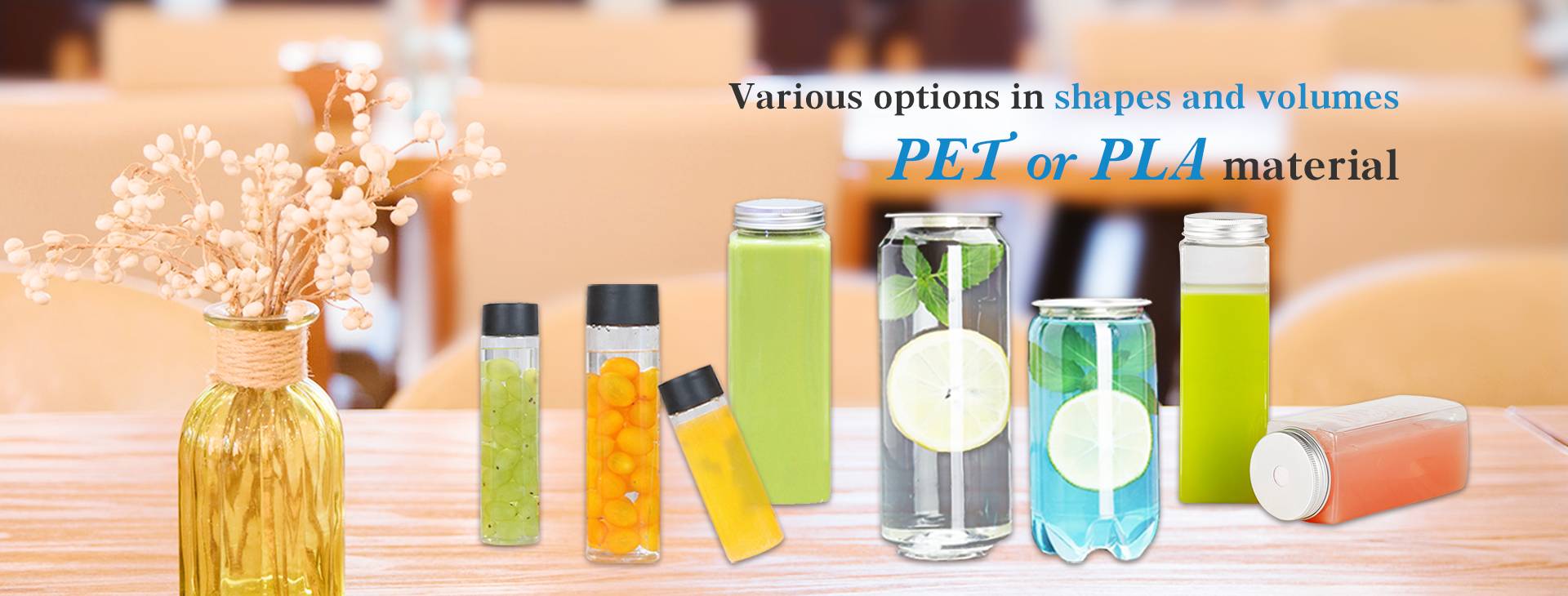
PET Cup In China - China Manufacturer of PET Cups
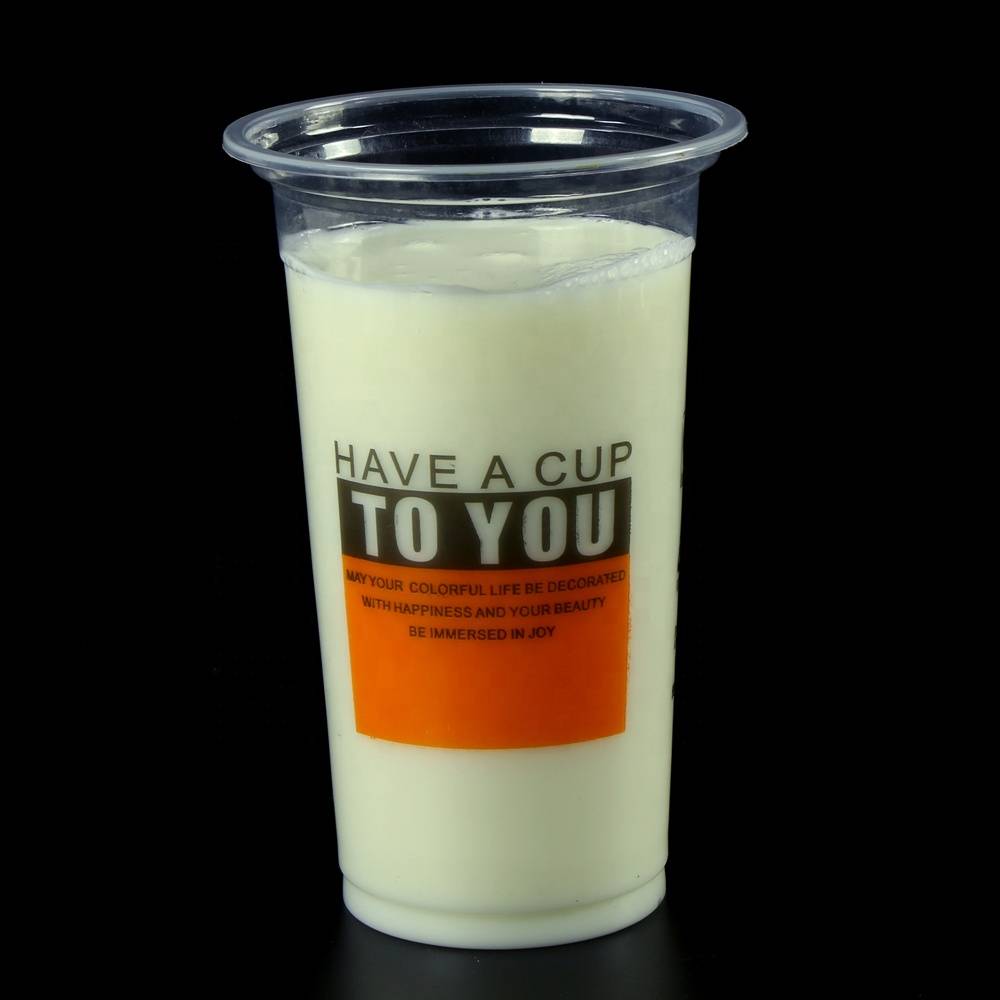
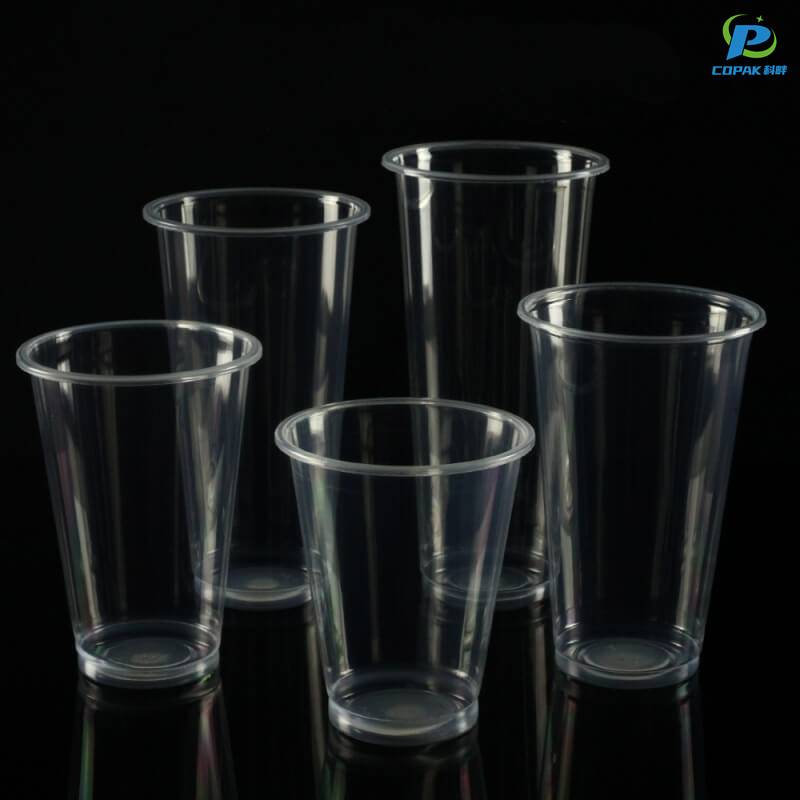
We are a China-based Manufacturer delivering PET Cup In China with consistent quality and dependable supply for distributors and foodservice chains. I know you look for stable pricing, short lead times and clear documentation, so I set up our process around those needs. Our PET cups are food-grade, BPA-free, leak-proof and designed for cold beverages—perfect for coffee, tea, juice, or smoothie applications. We offer a range of sizes, thicknesses, and optional print or label customization to boost your brand, plus flexible packaging and MOQ to fit your demand. From design to delivery, we keep you informed with transparent timelines, approved samples, and compliant certificates. We operate a scalable manufacturing flow in China to meet high-volume orders while maintaining quality control. If you want a reliable partner for PET Cup In China, I’m ready to discuss your project and quote, without hidden costs.

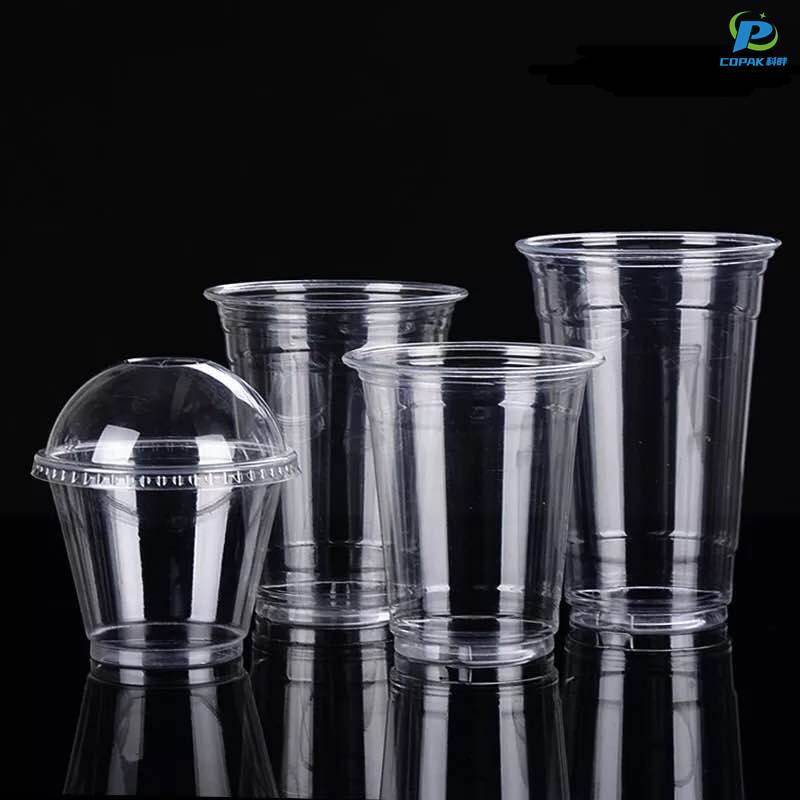

PET Cup In China Manufacturer Industry Giant
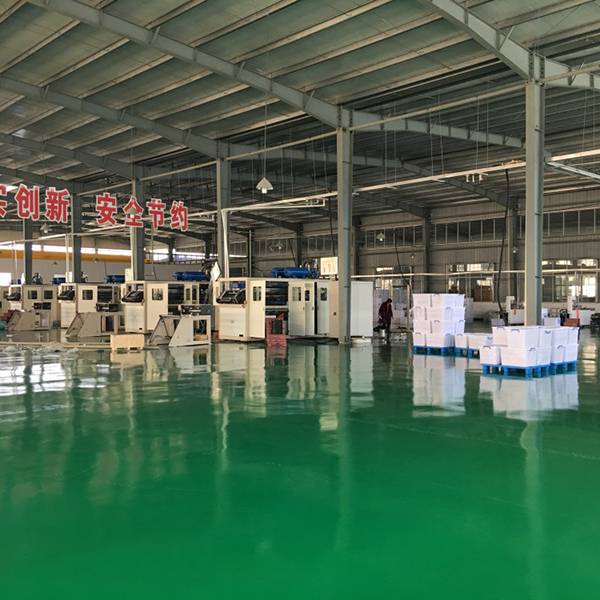
As a leading PET cup manufacturer in China, we combine large-scale production capacity with rigorous quality systems to serve global buyers seeking reliable packaging solutions. Advanced injection and thermoforming lines, food-grade materials, and strict QC checkpoints ensure consistent clarity, strength, and safety for beverages, desserts, and cold food applications. Flexible OEM/ODM services support custom sizes, printed designs, and eco-friendly material options that meet international standards and food-contact regulations. With seasoned export experience, streamlined logistics, and responsive order management, we deliver competitive pricing without sacrificing lead times or product integrity. From small pilot runs to high-volume programs, our end-to-end capabilities — from mold development to secondary packaging — are built to help global brands scale quickly and confidently while minimizing supply-chain risks.
| Indicator | Metric / Unit | Typical Value / Range | Notes |
|---|---|---|---|
| Industry scale (manufacturers) | Number of producers | >2,500 (fragmented market) | Includes workshops, mid-size plants and large processors across multiple provinces |
| Annual domestic production (units) | PET cups / year | 100–200 billion units | Estimate based on packaging and foodservice demand trends |
| PET resin production share | % of global PET resin output | Approximately 35–45% | China is a leading global PET resin manufacturer and processor |
| Primary raw materials | Input types | Virgin PET (from PTA + MEG), recycled PET (rPET) | rPET blends commonly used; supply depends on recycled feedstock availability |
| rPET usage in cups | % recycled content | Typical 10–40% (up to 100% in specialty recycled products) | Food-contact regulations and mechanical properties determine allowable rPET share |
| Primary manufacturing methods | Process types | Injection stretch blow molding ~40%, Thermoforming ~35%, Sheet extrusion ~25% | Shares are approximate and vary by product format and plant capabilities |
| Typical cup wall thickness | Microns (μm) / mm | 150–400 μm (0.15–0.40 mm) | Thickness varies by cup size, rigidity and application |
| Common cup sizes | Volume (ml) | 100–1000 ml; most common 250–500 ml | Covers single-serve beverages and takeaway food service |
| Recyclability & collection | Post-consumer collection rate | 50–70% (regional variability) | Collection and sorting systems influence actual recycling outcomes |
| Production scrap handling | Scrap recycling | >90% internal reuse / re-grind | Most plants reclaim in-house scrap for extrusion or lower-grade products |
| Quality & compliance | Certification adoption | ISO 9001 adoption & food-contact compliance: widespread in export-focused plants (>70% among large firms) | Regulatory standards include national GB food-contact rules and export market requirements |
| Major export markets | Regional split | SE Asia 35% · Europe 25% · Middle East 20% · N. America 10% · Others 10% | Export distribution reflects proximity, trade agreements and demand mix |
| Typical lead times | Production & delivery | 2–6 weeks (depending on tooling and order size) | Longer for custom thermoforming tooling or new mold development |
| Automation level | Plant automation (%) | High (>70%) in top-tier plants; Medium 40–70% in mid-sized; Low <40% in small workshops | Automation influences unit cost, quality consistency and throughput |
| Wastewater & emissions control | Environmental control | Extensive treatment in modern plants; smaller units rely on municipal services | Compliance with local emissions and effluent standards required for permits |
| End-of-life pathways | Typical fate | Mechanical recycling, downcycling to fiber/other packaging, energy recovery | Circularity improves with better collection and design-for-recycling |
| Growth forecast | CAGR (near-term) | ~3–6% driven by HORECA, convenience packaging and export demand | Growth influenced by regulatory shifts and consumer preference for recyclability |
Related Products


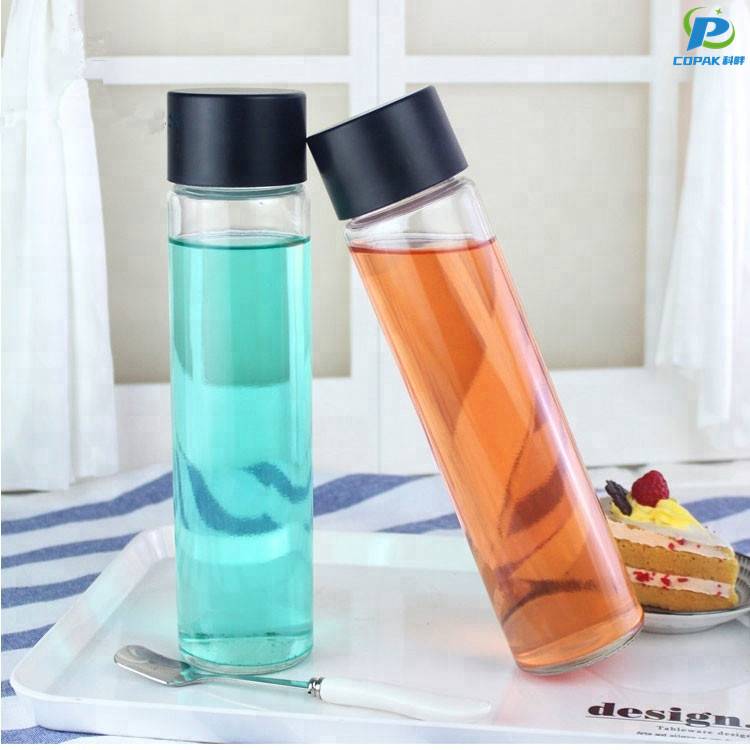

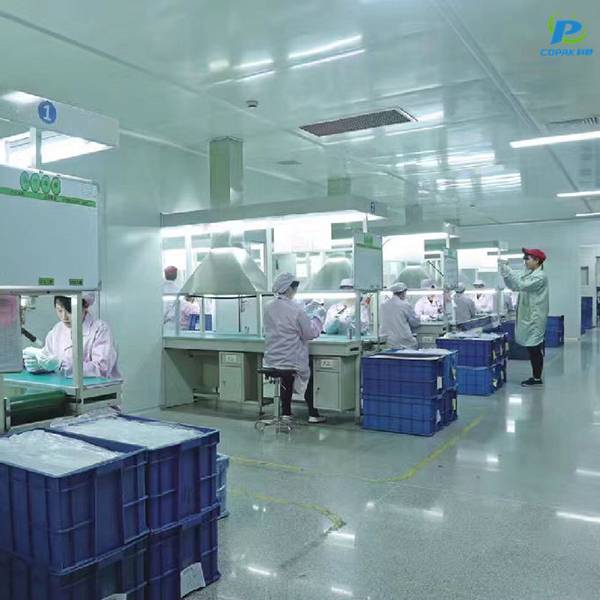
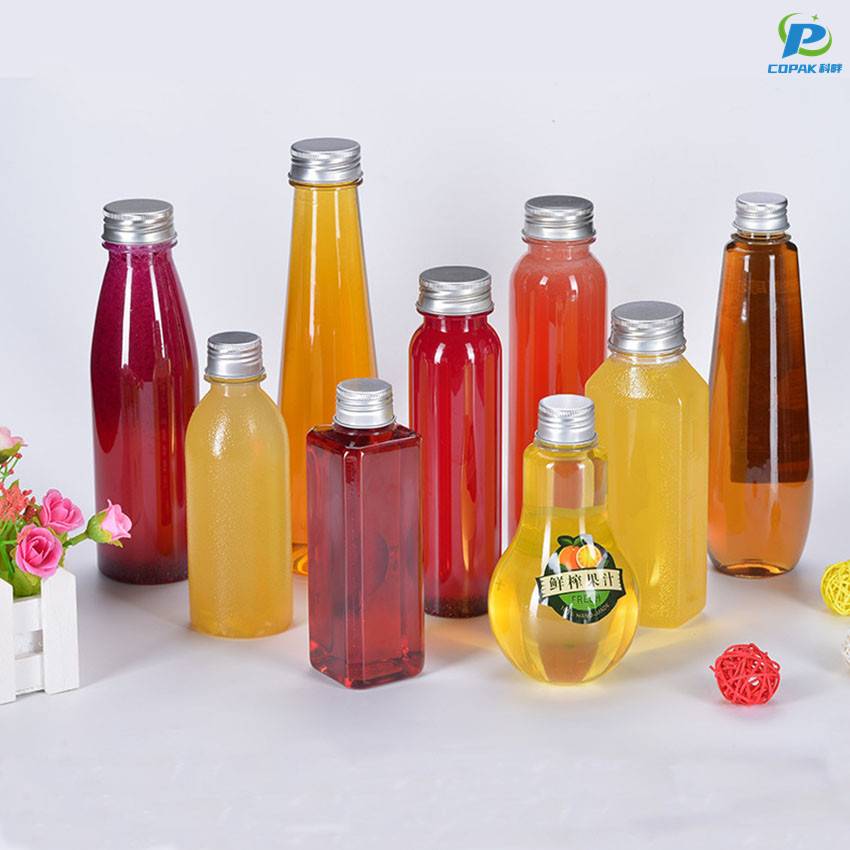

PET Cup In China Industry Leaders Trusted by Pros
Top Selling Products





- Related Blog
- Reviews
- Reviews
