



Paper Soup Bowls - China Manufacturer of Disposable Servingware
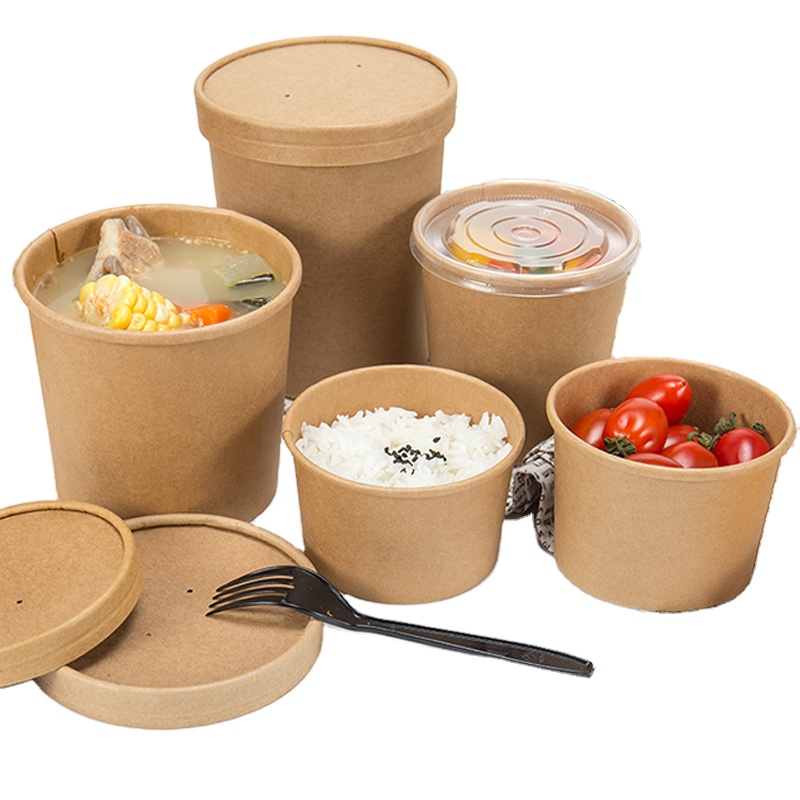
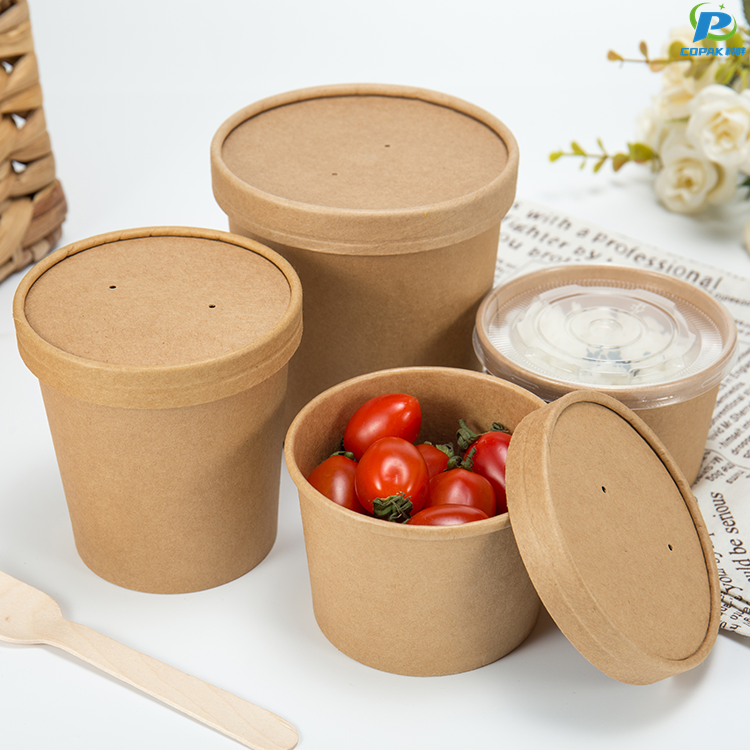
I’m a China-based manufacturer, and I know what B2B purchasers are after: reliable quality, consistent sizing, and clean, quick service. When you need Paper Soup Bowls that perform under busy service, I’ve got you covered. Our bowls are made from sturdy paperboard with a food-safe liner, designed to hold hot soups, broths, or noodles without leaking or sogging. They stack neatly, keep temp, and come in multiple sizes and print options to fit your brand. I control quality from raw material sourcing in China to final packing, ensuring compliance with food-contact safety standards. As a manufacturer, I offer flexible MOQs, competitive pricing, customization (logos, colors, sleeve options), and fast lead times for cafes, catering, or retailers. You’ll get dependable shipments, clear communication, and reduced waste with recyclable packaging. If you’re sourcing Paper Soup Bowls, let’s talk specs, quantities, and timelines today.


Paper Soup Bowls Winning in 2025 Your End-to-End Solution
As demand shifts toward sustainable, convenient packaging, paper soup bowls are emerging as a 2025 winner—combining thermal performance, grease resistance and compostable options to meet diner expectations and regulatory pressure. Modern constructions deliver hot-holding, leak-proof performance with microwave-safe and biodegradable linings, while full-color printing and custom sizes support branded retail and foodservice launches. An end-to-end solution ensures streamlined sourcing, design, prototyping, certified materials, strict quality control and scalable production with flexible MOQs and efficient global logistics. Compliance with international standards, reliable lead times and cost-competitive pricing help buyers move from concept to market quickly, minimizing risk and maximizing shelf impact. Ready-to-deploy systems and customization options make these bowls a pragmatic, future-proof choice for global procurement.
| Region | Estimated Annual Consumption (metric tons) | CAGR 2023–2025 (%) | Primary Material Composition | Average Weight per Unit (g) | CO2e per Bowl (g) | Compostability (Industrial / Home) % | Recycling Rate (%) | Typical Lead Time (days) | Key Regulatory / Standards | End-of-life Distribution (Industrial Compost / Landfill / Recycling) % |
|---|---|---|---|---|---|---|---|---|---|---|
| North America | 420,000 | 6.5 | Cellulose fiber 82%, PLA 8%, Starch 6%, Water-based barrier 4% | 28 | 45 | 92 / 40 | 12 | 21 | ASTM D6400, EN 13432 | 35 / 50 / 15 |
| Europe | 360,000 | 7.2 | Cellulose fiber 85%, PLA 5%, Starch 6%, Water-based barrier 4% | 26 | 38 | 95 / 50 | 18 | 18 | EN 13432, OK COMPOST | 40 / 38 / 22 |
| Asia-Pacific | 780,000 | 9.8 | Cellulose fiber 75%, PLA 12%, Starch 8%, Water-based barrier 5% | 32 | 60 | 88 / 25 | 8 | 28 | National food-contact & compost standards | 20 / 65 / 15 |
| Latin America | 200,000 | 5.5 | Cellulose fiber 78%, PLA 6%, Starch 12%, Water-based barrier 4% | 30 | 55 | 80 / 20 | 6 | 30 | Regional food-contact and compost guidelines | 15 / 75 / 10 |
| Middle East & Africa | 150,000 | 4.0 | Cellulose fiber 70%, PLA 5%, Starch 18%, Water-based barrier 7% | 34 | 70 | 60 / 15 | 4 | 35 | Regional food-contact regulations | 10 / 80 / 10 |
| Global Average | 1,910,000 | 7.7 | Cellulose fiber ~78%, PLA ~9%, Starch ~8%, Barrier ~5% | 30 | 53 | 87 / 32 | 10 | 25 | Mix of international & regional standards | 26 / 59 / 15 |
Related Products


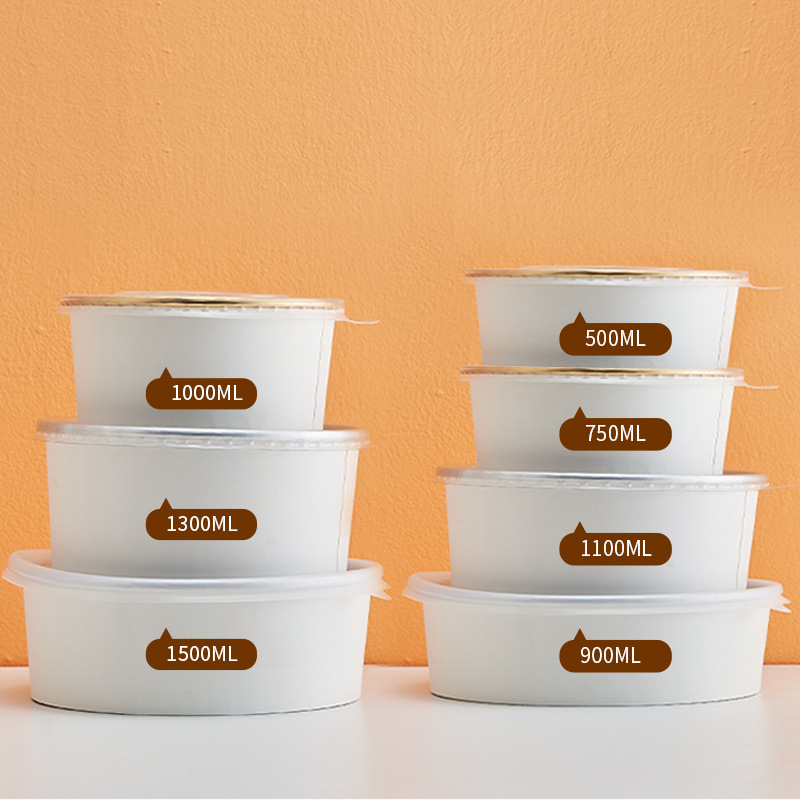
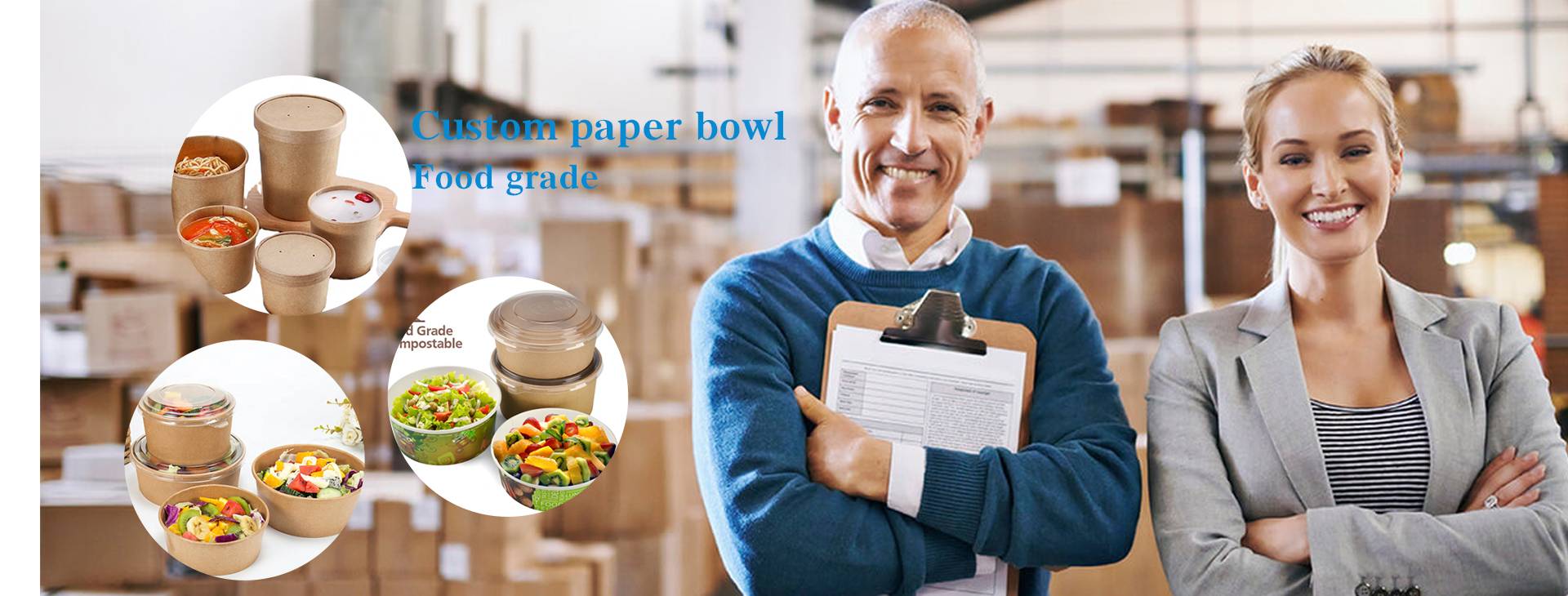
Paper Soup Bowls Exceeds Industry Benchmarks From Concept to Delivery
Top Selling Products






- Related Blog
- Reviews
- Reviews
