



12 Oz PET Bottles - China Manufacturer for Quality Packaging
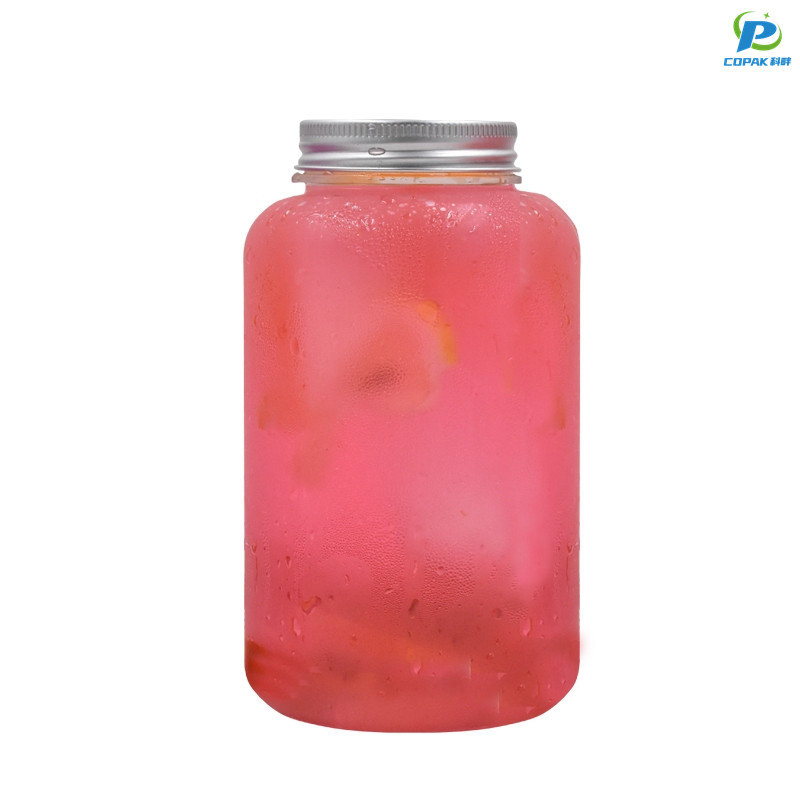
I’m a China-based Manufacturer offering 12 Oz PET Bottles for brands who need reliable, lightweight, food-grade packaging. I know what B2B buyers look for: strong chemical resistance, crystal clarity, consistent wall thickness, secure closures, and scalable supply. These bottles are easy to sterilize, compatible with common neck finishes, and suitable for beverages, cosmetics, or household products. I can provide customization: labeling, tamper-evident bands, hot-stampable caps, and color options. OEM/ODM services are available to speed your time-to-market. Our production follows food-grade standards and rigorous QC, with short lead times and dependable shipments. If you’re sourcing from a trusted China-based Manufacturer, I’m here to help you optimize packaging cost and performance. Let me know your MOQ, preferred finishes, and delivery terms, and I’ll tailor a plan that fits your brand and budget.



12 Oz PET Bottles Trusted by Pros Sets the Industry Standard
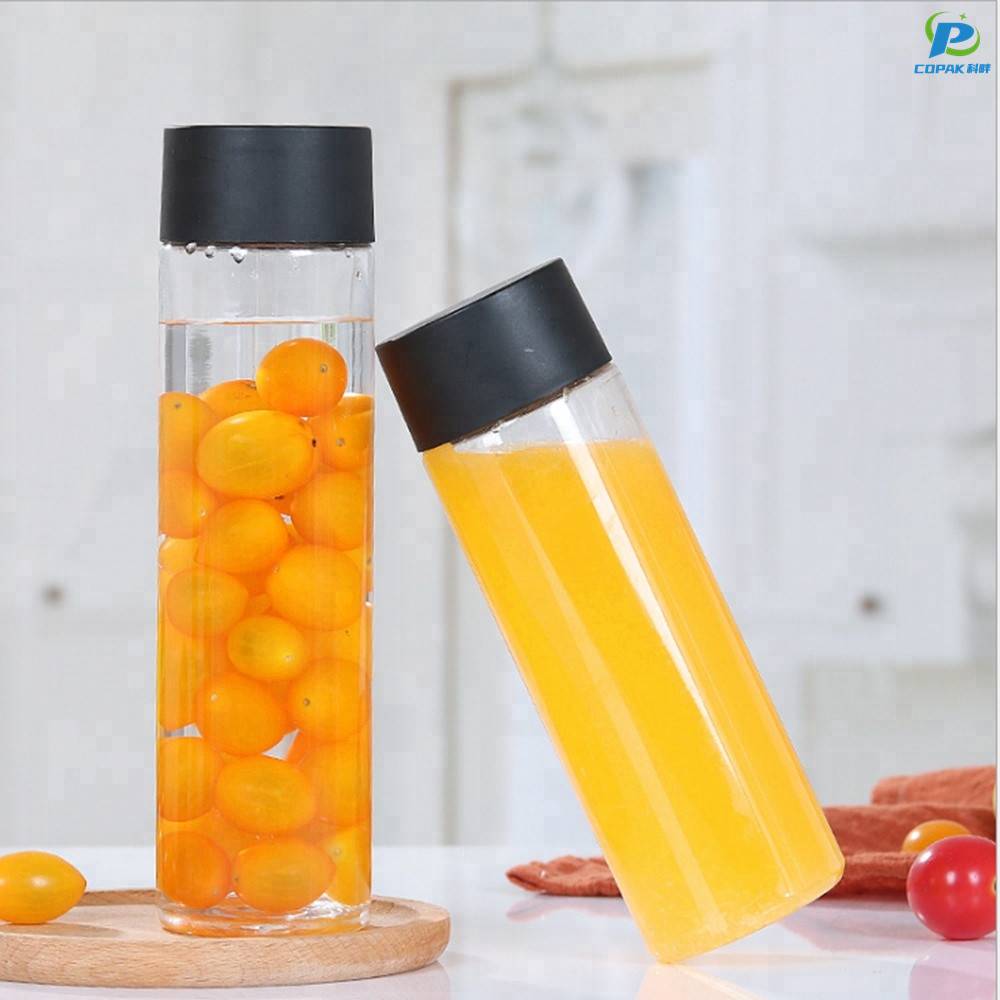
12 oz PET bottles engineered for professional use set the industry standard with a blend of lightweight durability, crystal clarity, and consistent wall thickness that ensures reliable fill lines and leak-free performance. Ideal for beverages, condiments, personal care, and samples, these bottles offer excellent drop resistance, superior sealing with multiple neck finishes, and compatibility with a wide range of caps and closures. High optical clarity and hygienic food-grade material preserve product integrity while enhancing on-shelf appeal. Manufactured under strict quality controls and international certifications, production emphasizes low reject rates, traceable batch records, and scalable capacity to meet global demand. Customization options include color tints, label-friendly surfaces, preforms, and private-label runs with flexible minimums. With sustainable recycling options and efficient export logistics, these 12 oz PET bottles provide a cost-effective, compliant packaging solution tailored for global procurement and fast time-to-market.
| Specification | Typical Value | Notes / Typical Range |
|---|---|---|
| Nominal Capacity | 12 oz (≈355 mL) | Standard beverage portion; measured at fill line. |
| Material | PET (Polyethylene Terephthalate) | Amorphous, clear polymer commonly used for beverage packaging. |
| Empty Weight | 12–18 g | Depends on wall thickness and base design; typical blow-molded range. |
| Wall Thickness | 0.20–0.40 mm (200–400 μm) | Thickness varies by structural zones (shoulder, body, base). |
| Neck Finish (Common) | 24/410, 28/400 | Compatible with standard screw closures and pumps; actual finish chosen per closure spec. |
| Visual Clarity (Haze) | <3% (typical) | High optical clarity for retail presentation; haze dependent on resin and process. |
| Oxygen Transmission Rate (OTR) | ~0.5–2.0 cm3/m2·day | Approximate for bottle wall thickness 200–400 μm at 23°C, 50% RH; varies with barrier treatments. |
| Water Vapor Transmission (WVTR) | ~1–10 g/m2·day | Range depends on thickness and orientation; not primary barrier for moisture-sensitive products. |
| Carbonation Capability | Suitable (with appropriate base/hoop reinforcement) | Design modifications required for high-CO2 headspace retention over long shelf life. |
| Typical Fill Temperature | Ambient to ~60°C (short term) | Not recommended for prolonged exposures above 60°C unless specifically engineered for hot-fill. |
| Thermal Properties | Tg ≈ 70–80°C; recommended max service ≤60°C | Glass transition and softening limit practical processing/filling temperatures. |
| Sterilization / Cleaning | UV, Ozone, Chemical Sanitizers; gamma/e-beam possible | Autoclaving not recommended; radiation can be used but may affect clarity/yellowing depending on dose. |
| Mechanical Performance | Drop resistance ~1.0–1.5 m (typical) | Performance varies with fill level, orientation, cap type and stacking; engineered bases improve stability. |
| Regulatory / Food Contact | Compliant with typical PET food-contact regulations | Manufacturers typically validate compliance with FDA 21 CFR and EU plastics regulations; confirm with supplier for specific formulations. |
| Common End Uses | Water, juices, RTD beverages, condiments, personal care samples | Versatile for many liquid products; barrier requirements depend on product sensitivity. |
Related Products
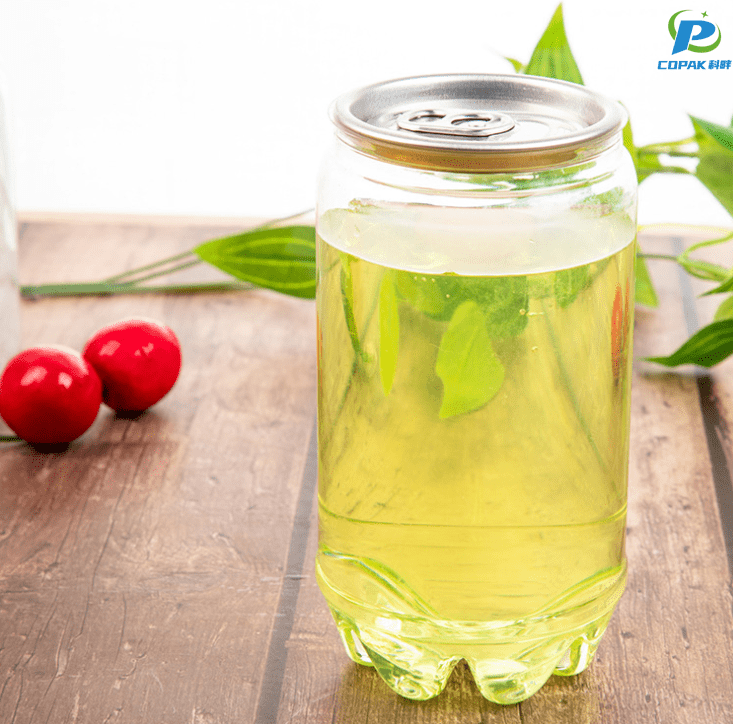
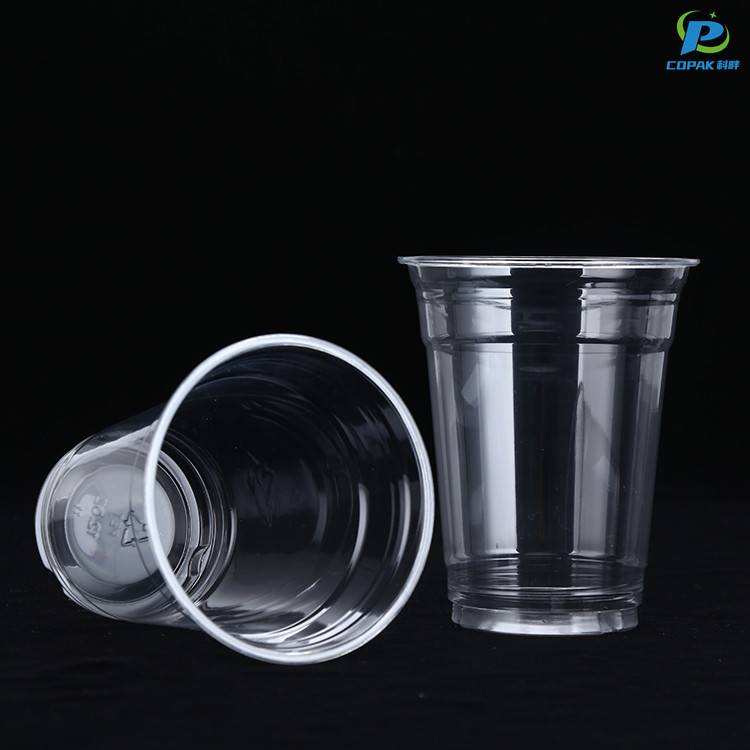
Wholesale 250ml 330ml 500 ml PET Plastic Cups Pop Juice Can Empty Round Bubble Milk Tea Juice Coffee Beverage Bottles
Read More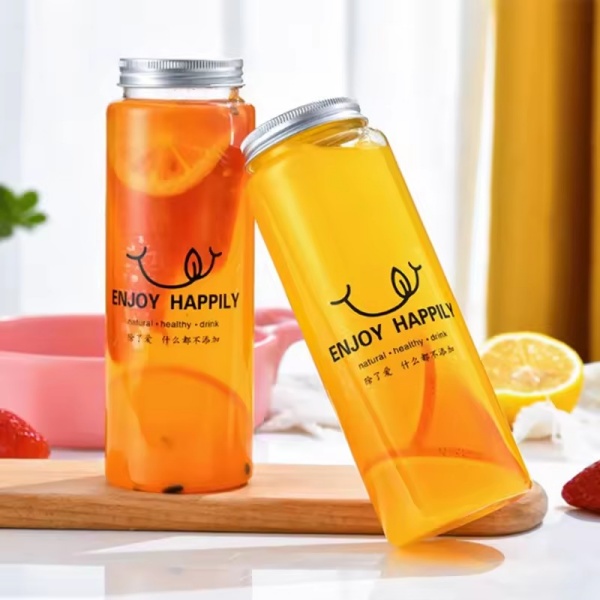
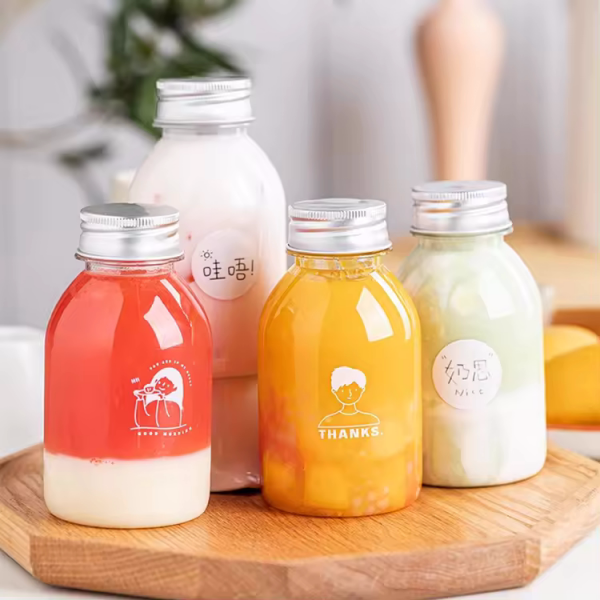
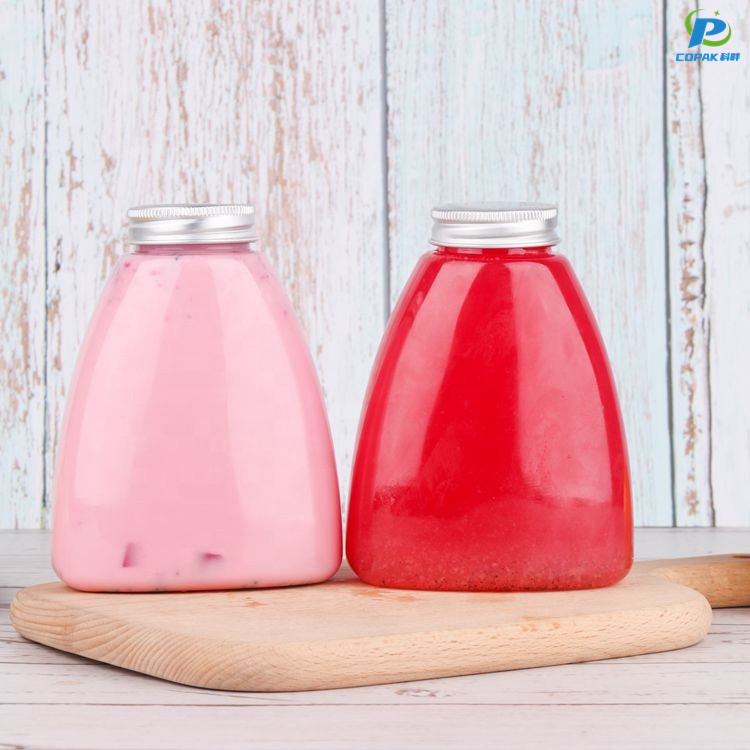
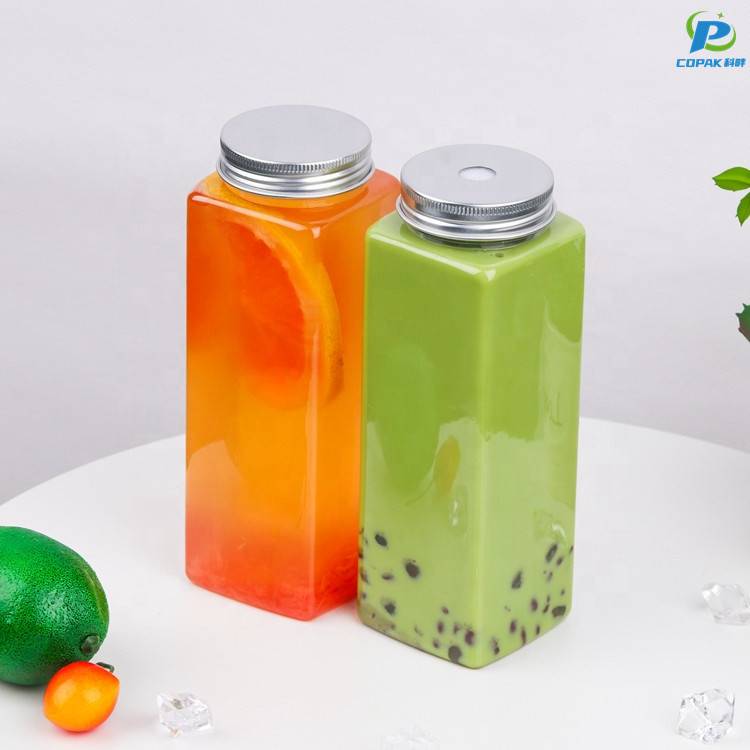
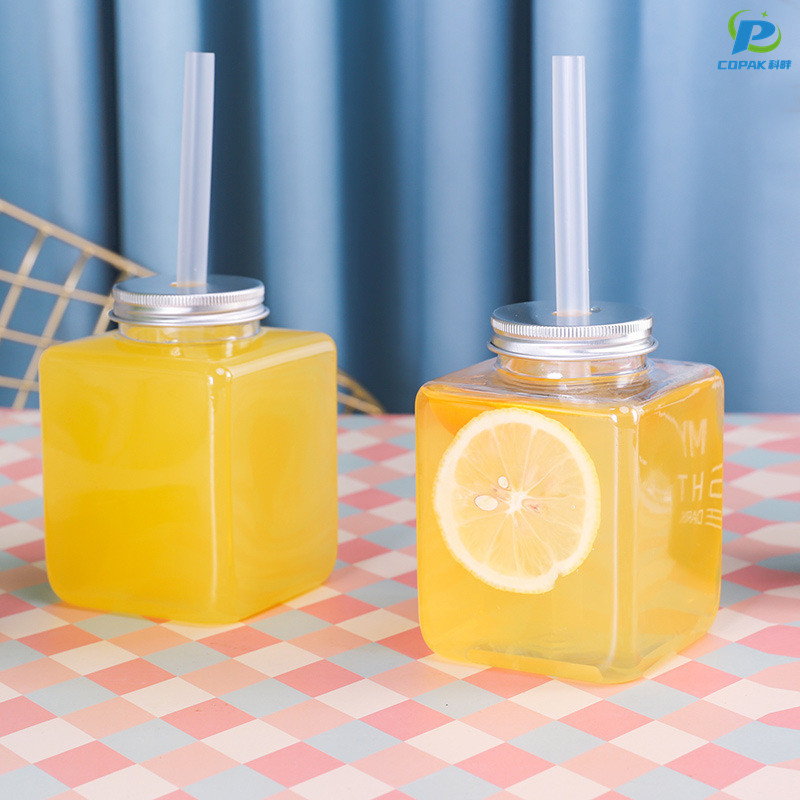


12 Oz PET Bottles Delivers Unmatched Quality Custom Solutions,
Top Selling Products






- Related Blog
- Reviews
- Reviews
