



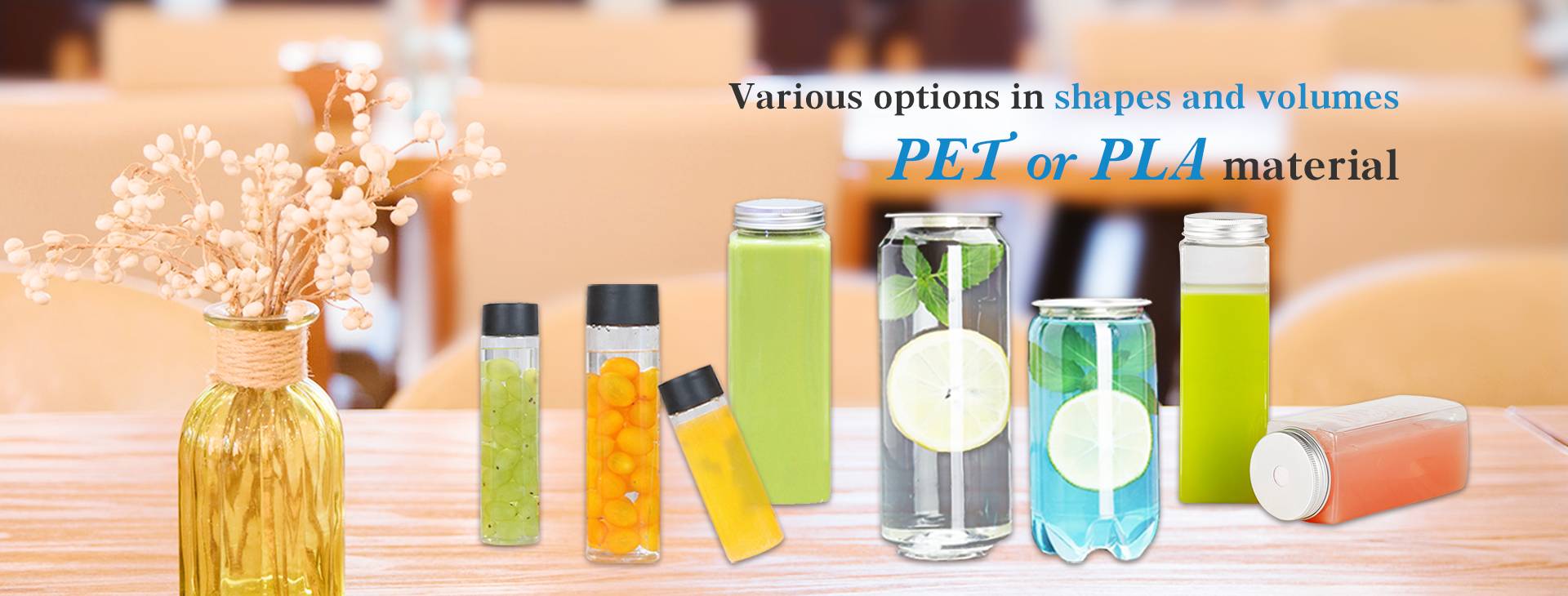
Biodegradable Plastic Bottles - China Manufacturer
I am a China-based Manufacturer offering Biodegradable Plastic Bottles designed for reliable performance and eco-friendly credentials. I know what B2B buyers want: strong barrier properties, easy labeling, and cost-efficient supply. Our bottles are made from biodegradable polymers that break down under proper composting conditions, helping you meet sustainability goals and regulatory expectations. The range includes multiple sizes, neck finishes, and closures suitable for cosmetics, beverages, and household cleaners. I can customize color, printing, and labeling to reinforce your brand while keeping lead times short. As a manufacturer, I control quality from resin to finished bottle, with traceability and ISO-certified processes. You’ll value transparent MOQs, competitive pricing, and dependable delivery to China and abroad. If you’re aligning your packaging strategy with a circular economy, I’m ready to partner with you and grow together.


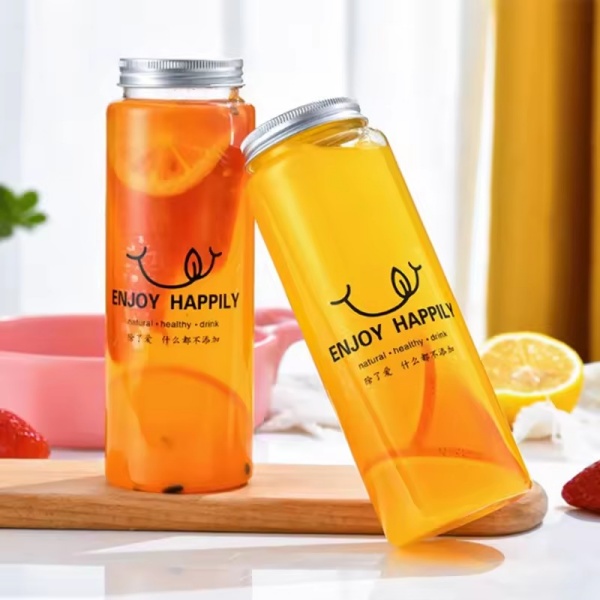
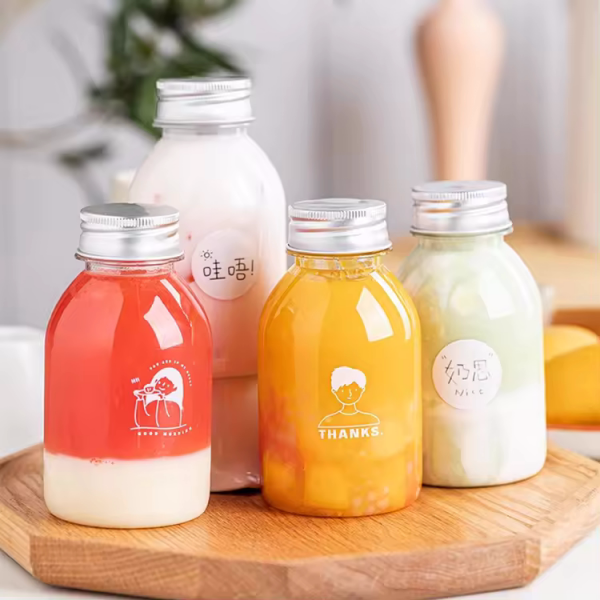
Biodegradable Plastic Bottles Now Trending Leads the Global Market
Biodegradable plastic bottles are rapidly trending and reshaping global packaging demand as retailers and consumers prioritize low-impact alternatives. These bottles can offer comparable strength, barrier performance and shelf life to traditional plastics while breaking down under industrial composting or home composting conditions depending on material choice. Options based on PLA, PBAT blends and starch-enhanced resins reduce landfill burden and help meet tightening regulatory and retail sustainability targets; certifications such as EN13432, ASTM D6400 and ISO quality systems support market acceptance. As a specialized manufacturer and exporter, we provide scalable volumes with flexible MOQs, custom shapes, sizes, printing and barrier solutions for beverage, personal care and household segments. Robust quality control, traceable raw materials, stable lead times and logistics support simplify global procurement. Samples, technical dossiers and competitive quotations are available to help your brand transition to sustainable, market-leading packaging.
| Region | Market Share (%) | 2024 Bottling Adoption (%) | Material Composition (regional approx.) | Industrial Composting Access (%) | Avg Biodegradation Time (industrial compost) | Regulatory Environment (summary) |
|---|---|---|---|---|---|---|
| Asia‑Pacific | 47% | 4.5% | PLA 38% · Starch blends 22% · PHA 10% · PBAT & blends 20% · Other 10% | 18% | PLA 90–180 days · Starch blends 90–180 days · PHA 30–120 days · PBAT blends 120–240 days | Rapid capacity growth; multiple national pilots and supportive procurement policies. |
| Europe | 23% | 6.2% | PLA 30% · Starch blends 28% · PHA 18% · PBAT 12% · Other 12% | 42% | PLA 60–120 days · Starch blends 60–120 days · PHA 30–90 days · PBAT blends 90–240 days | Strong regulatory frameworks, well-developed composting infrastructure and labeling standards. |
| North America | 19% | 5.1% | PLA 36% · Starch blends 20% · PHA 12% · PBAT & blends 20% · Other 12% | 28% | PLA 90–180 days · Starch blends 90–180 days · PHA 30–120 days · PBAT blends 120–240 days | Fragmented state-level rules; growing adoption but inconsistent compost access across regions. |
| Latin America | 6% | 2.0% | PLA 30% · Starch blends 35% · PHA 8% · PBAT 15% · Other 12% | 8% | PLA 90–180 days · Starch blends 120–240 days · PHA 60–180 days · PBAT blends 120–240 days | Limited national programs; municipal composting growing in select cities. |
| Middle East & Africa | 5% | 1.2% | PLA 28% · Starch blends 30% · PHA 7% · PBAT 20% · Other 15% | 5% | PLA 120–240 days · Starch blends 120–360 days · PHA 90–240 days · PBAT blends 180–360 days | Early-stage adoption; pilot projects and nascent regulations in several markets. |
|
Global projected CAGR (2024–2032)
~12% annually
Global material split
PLA 34% · Starch blends 24% · PHA 15% · PBAT & blends 17% · Other 10%
Top use cases
Bottling & beverage 40% · Food packaging 30% · Agricultural films 12% · Consumer products 18%
Note: Average biodegradation times refer to industrial composting conditions; actual performance varies by facility, formulation and local conditions. Data are synthesized estimates based on recent industry reports and public sources.
|
||||||
Related Products
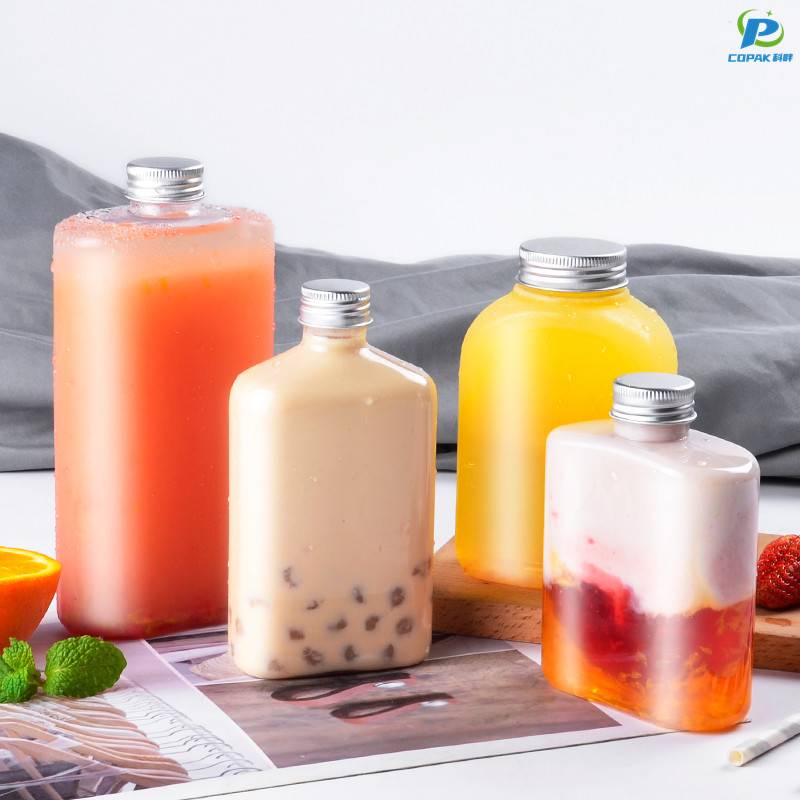

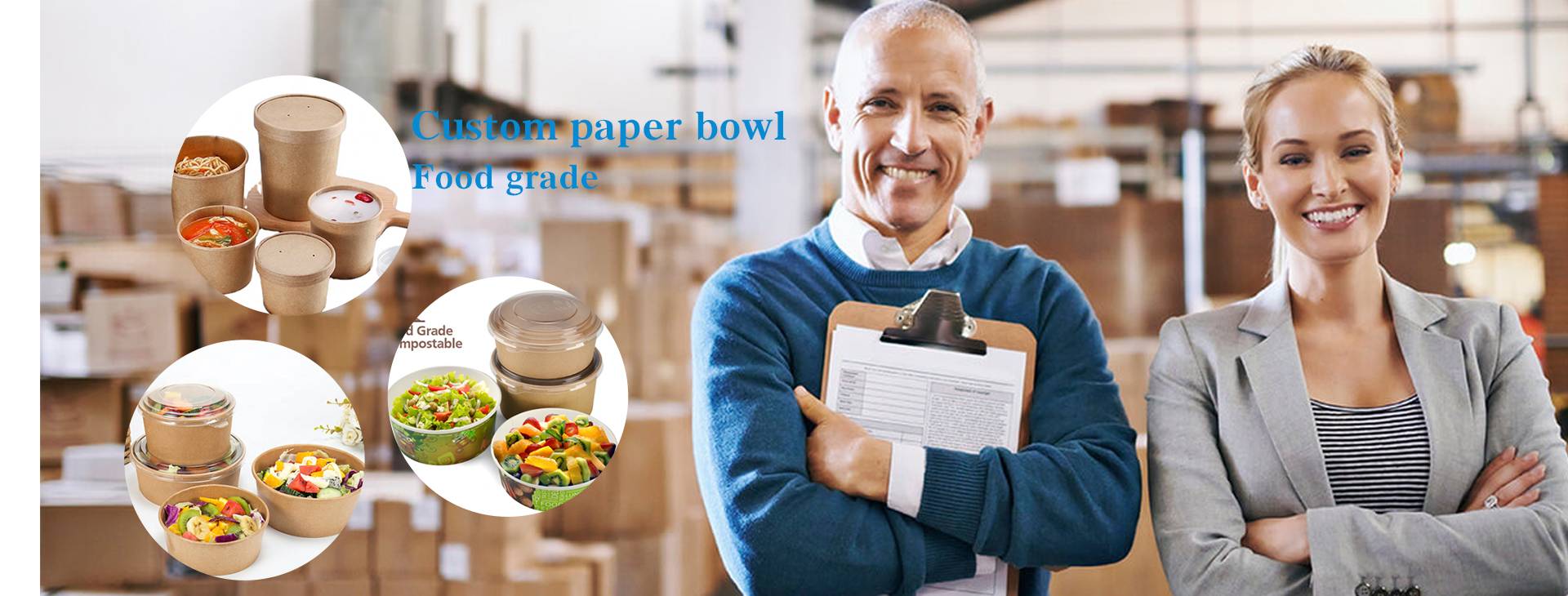
Biodegradable Plastic Bottles Industry Giant For the Current Year
Top Selling Products






- Related Blog
- Reviews
- Reviews
