



PET Cup 12oz - China Manufacturer for Premium Plastic Cups
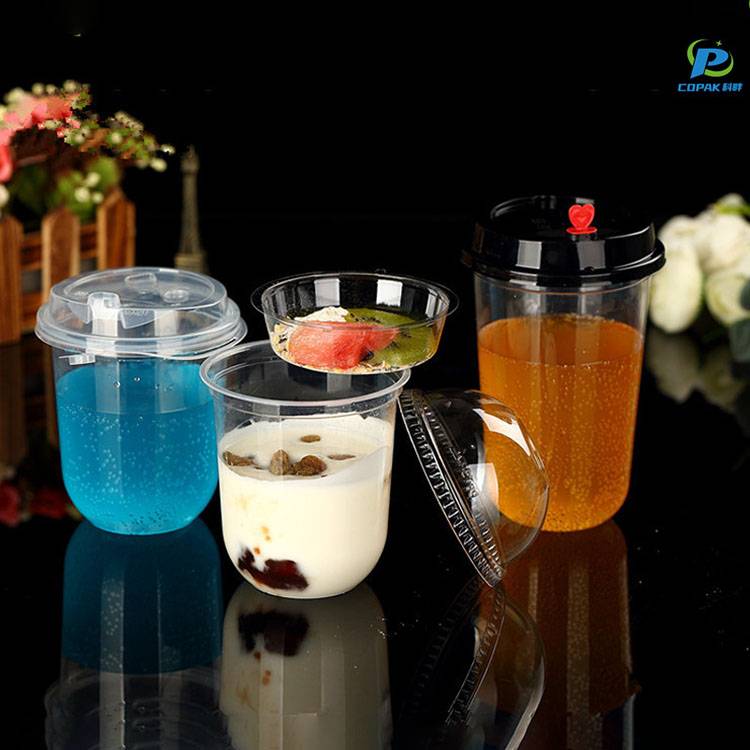
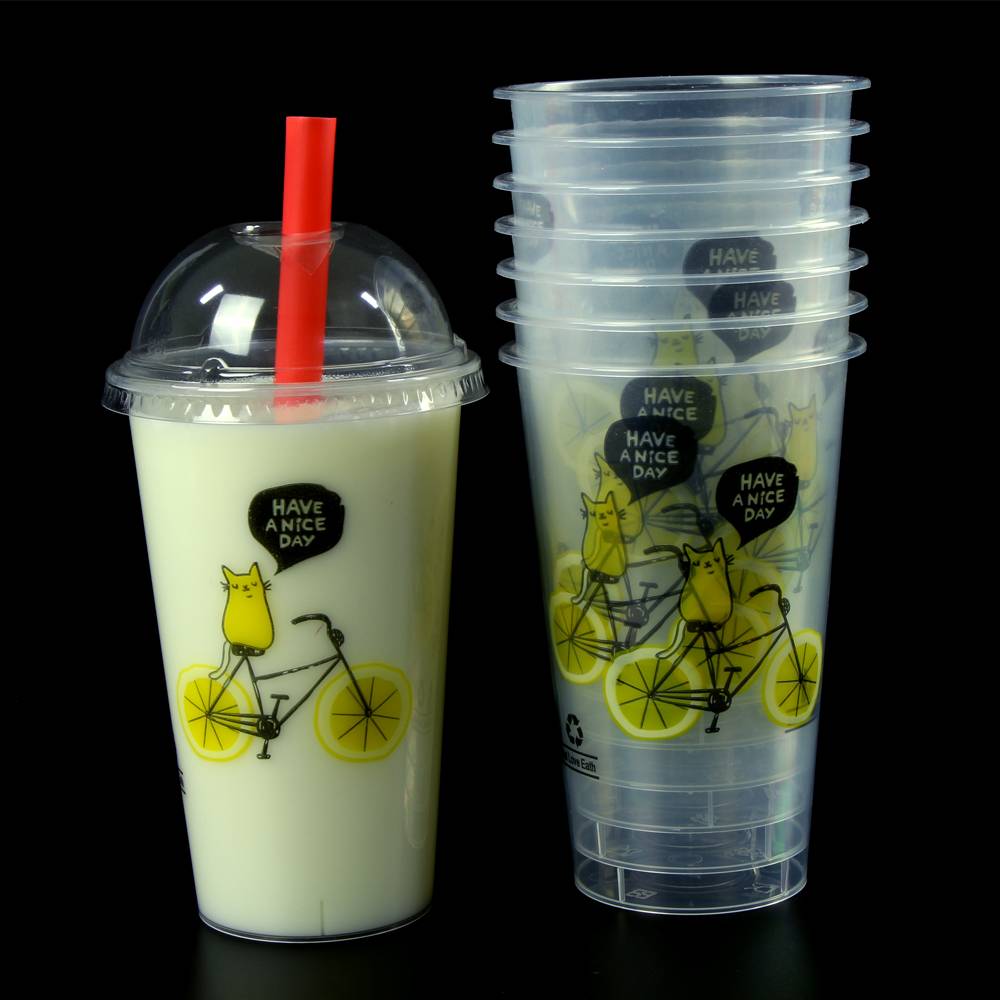
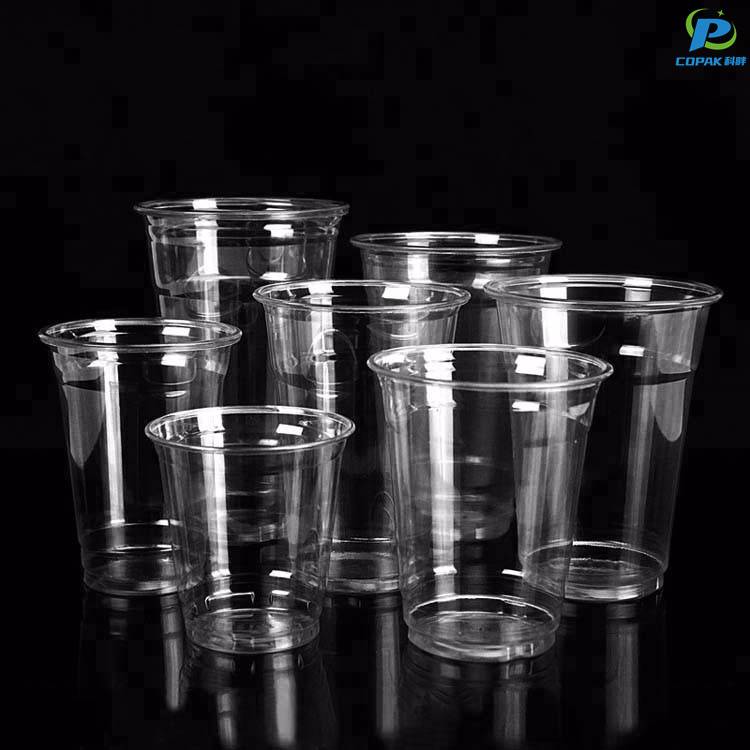
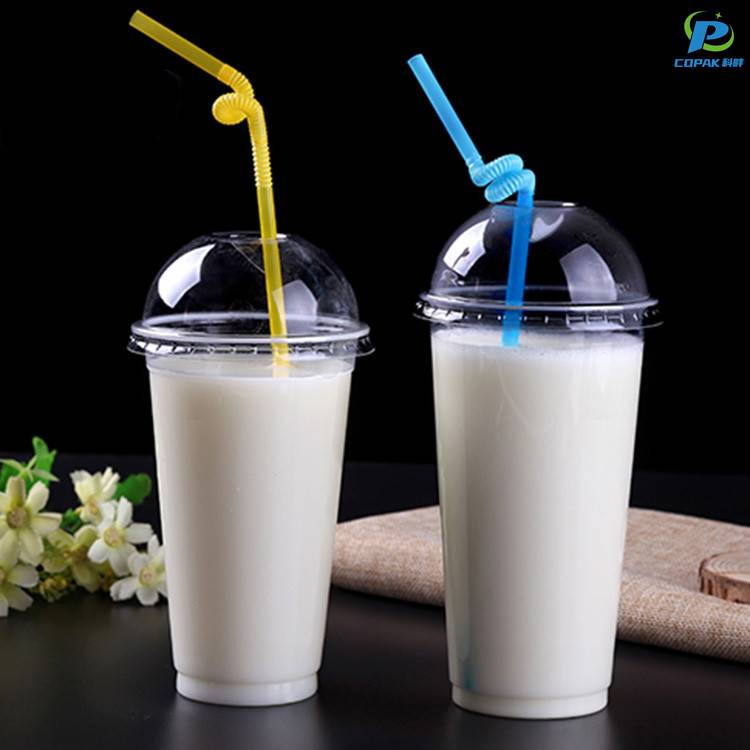
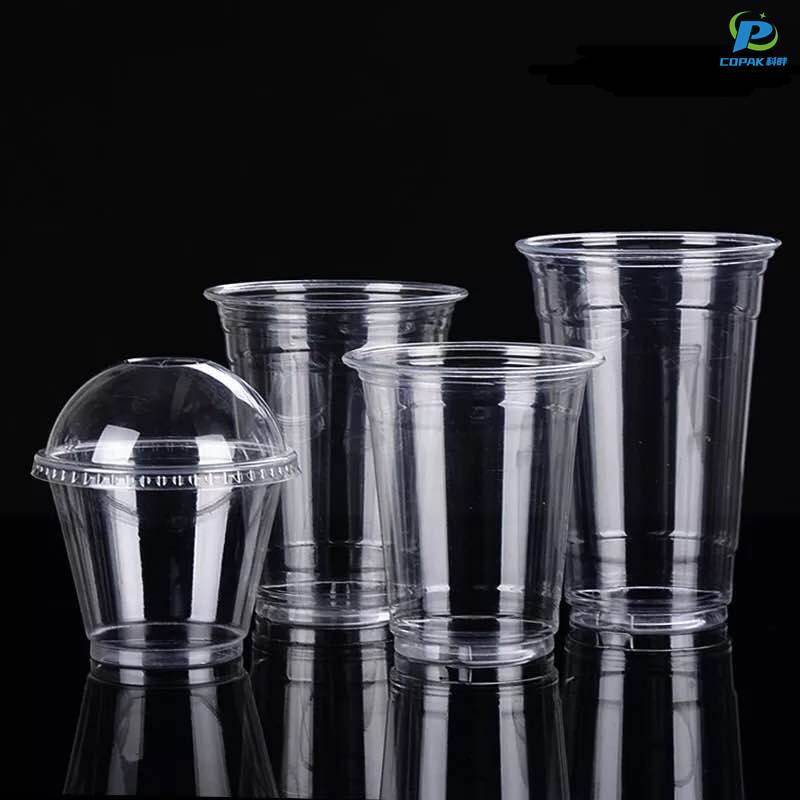
I’m a {Manufacturer} in {China}, and I’m excited to offer our {PET Cup 12oz}. This clear PET cup is perfect for cold drinks like iced coffee, smoothies, and soft beverages. It’s sturdy, leak-resistant, and stacks neatly for easy storage, helping your team speed service. The cup is compatible with standard lids and fits tight to keep messes down in busy environments. We pride ourselves on consistent quality, on-time delivery, and competitive pricing to suit your business needs. For buyers in {China}, you’ll find the ordering process simple, with reliable stock and flexible quantities to match your demand. If you’re looking for a trusted source of cups for bars, cafés and retailers, I’m here to help you scale up without worry. Let me know your required quantity and lead time, and I’ll quote you promptly.



PET Cup 12oz Winning in 2025 Where Innovation Meets 2025
The 12oz PET cup is shaping up as the go-to package for 2025: engineered for superior clarity, light weight and impact resistance, it showcases beverages while cutting transport costs and plastic use. Innovations this year include enhanced barrier properties for longer freshness, improved stackability and lid compatibility for on‑the‑go convenience, and printable surfaces that support vibrant, high-resolution branding without sacrificing recyclability. Food‑grade safety and process control ensure consistent quality across large runs. For global buyers, this cup combines sustainability, cost efficiency and supply certainty: scalable production with stringent quality checks, customizable design and color options, and logistics solutions that meet seasonal demand. Compatible with existing recycling streams and international food‑safety expectations, the 12oz PET cup offers a practical, modern choice to elevate beverage offerings and reduce time‑to‑market in 2025.
| Metric | Typical Value / Range | Unit / Note |
|---|---|---|
| Nominal capacity | 12 US ounces (commonly referenced) | ≈ 355 mL |
| Typical cup weight (empty) | 7–10 g depending on gauge and design | grams |
| Wall thickness (typical) | 0.18–0.35 mm (varies with stacking and stiffness requirements) | millimeters |
| Material | Polyethylene terephthalate (PET) — amorphous or oriented grades used for clear cups | Polymer family |
| Density | ~1.36–1.40 | g/cm³ |
| Temperature performance (service) | -20 °C to about 60 °C; not recommended for sustained hot liquids above 60 °C | °C; consult supplier specs |
| Food-contact safety | Suitable for cold and room-temperature foods/beverages when processed and tested; migration testing required to verify compliance | Subject to local regulatory testing |
| Recyclability (material) | Mechanically recyclable where local streams accept PET rigid items; effectiveness depends on collection and contamination | Technical recyclability |
| Typical capture / recycling rates (cups) | Often lower than bottles — commonly reported ranges by region: ~10%–30% for post-consumer cups where systems exist | Varies regionally |
| Typical recycled content in commercial cups (current market) | 0–30% rPET in many applications; technical potential exists for higher shares with proper sorting and decontamination | % by mass |
| Renewable feedstock share | Generally 0% for conventional PET; bio-based PET variants exist but are not yet widespread in single-use cup volumes | % by feedstock |
| Cradle-to-gate greenhouse gas footprint | Typical reported ranges for small PET rigid items: roughly 40–120 g CO2e per 12oz cup (highly dependent on recycled content and process energy) | g CO2e per cup (approx.) |
| Barrier and clarity | Good optical clarity and basic barrier to water; not an absolute gas barrier — suitable for most cold beverages | Functional property |
| Compatibility with lids | Common lid interfaces: snap-fit thin PS/PP lids or PET-compatible dome lids; design tolerances determine interchangeability | Design dependent |
| End-of-life options | 1) Mechanical recycling (preferred where accepted), 2) Chemical recycling (emerging at scale), 3) Energy recovery (incineration with energy recovery), 4) Landfill (least preferred) | Hierarchy by environmental preference |
| Compostability | Not compostable | Industrial/home compost: no |
| Microwave / dishwasher | Not recommended for microwave; low-cycle dishwasher tolerance possible for reuse but warping can occur at high temperatures | Safety note |
| Typical reuse potential (practical) | Occasional short-term reuse for cold storage; typical practical reuse cycles: very limited (often <10 cycles) due to hygiene and durability concerns | Indicative |
| Regulatory and testing context | Compliance achieved through relevant migration and extractables testing per regional food-contact regulations (e.g., EU and North American frameworks) | Testing required |
| Best practices to improve circularity | Design for light gauge, mono-PET constructions; increase rPET content where possible; collect and sort cups separately; avoid composite coatings that impede recycling | Practical guidance |
| Notes / Sources | Values above summarize broadly reported industry ranges and principal material characteristics for PET rigid cups; specific performance and sustainability metrics depend on exact resin grade, wall profile, processing, local recycling infrastructure and verified life-cycle assessments. | |
Related Products



PET Cup 12oz Winning in 2025 More Than a Supplier - A Partner
Top Selling Products






- Related Blog
- Reviews
- Reviews
