



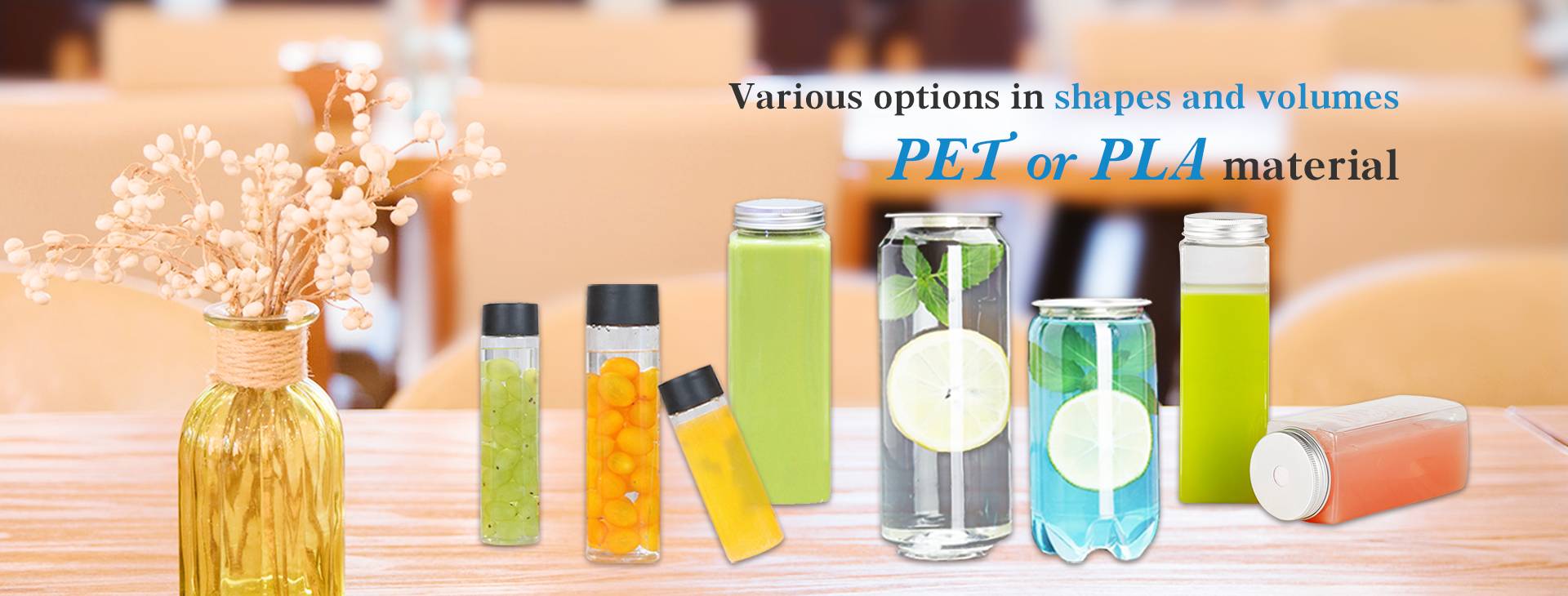
PET Beverage Cans - China Manufacturer for Global Markets
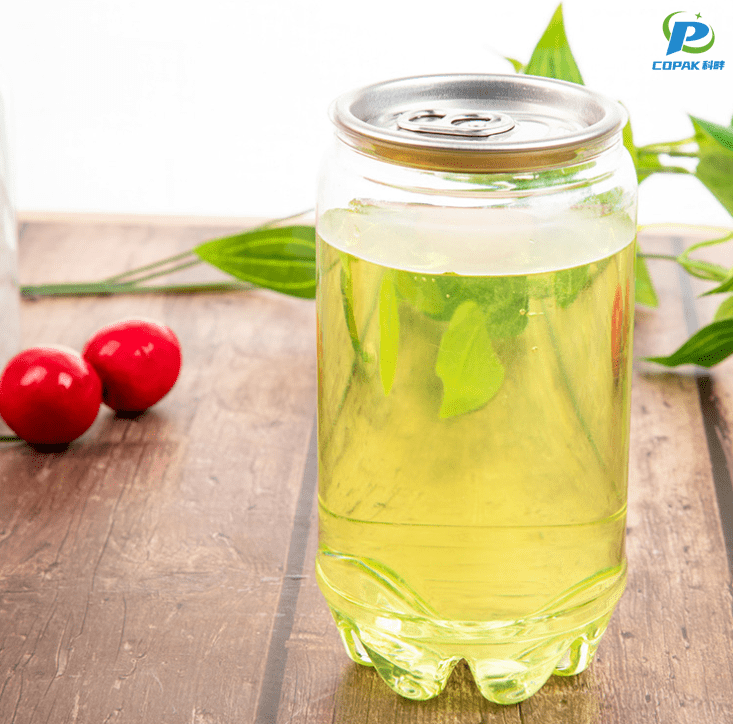
I’m a China-based Manufacturer, and I’m excited to present our PET Beverage Cans to your team. For B2B buyers, these cans offer lightweight, shatter-resistant packaging with excellent clarity and recyclability. Our PET cans are food-grade, compliant with FDA/EFSA standards, and suitable for carbonated and still beverages. I offer customizable neck finishes, volumes (150ml, 250ml, 330ml, 500ml), and printing options up to 8-color up to corporate branding. Lead times are short, MOQ negotiable, and we provide technical support, COA, and bottle design guidance. When you partner with us, you get consistent wall thickness, reliable sealing, and tamper-evident features. As a manufacturer in China, I understand the needs of global customers; we optimize supply chain, reduce cost, and ensure on-time shipments. If you're seeking sustainable packaging that keeps flavor and freshness, these PET Beverage Cans are the right fit for your portfolio.

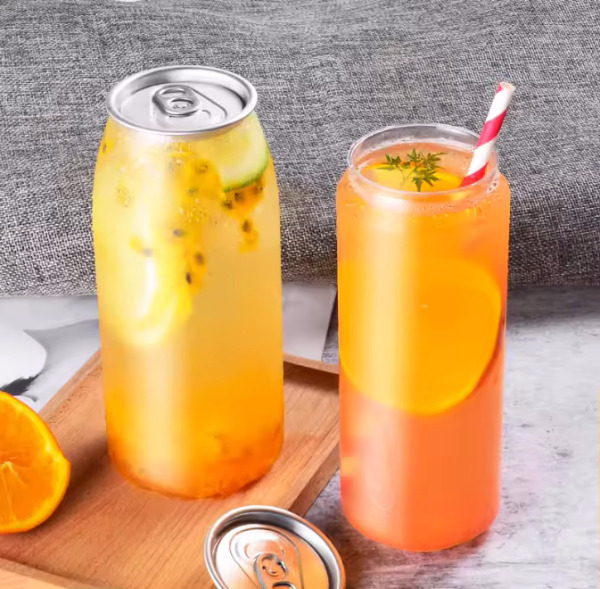


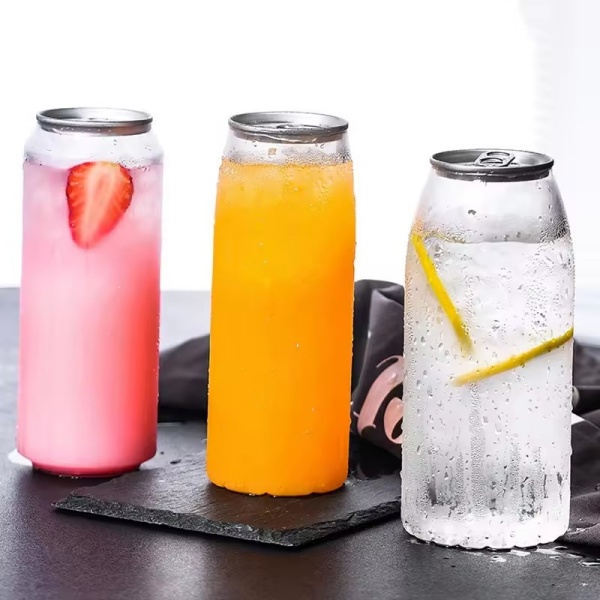
PET Beverage Cans Supplier Ahead of the Curve
As a PET beverage can supplier ahead of the curve, we combine advanced production technology, rigorous quality control and sustainable materials to deliver lightweight, shatterproof, fully recyclable packaging tailored for modern beverage brands. Our cans offer excellent barrier performance, vibrant printability and consistent fill compatibility for soft drinks, tea, juice and functional beverages — balancing shelf appeal, extended freshness and reduced shipping costs across international markets. For global buyers seeking reliability and flexibility, we provide tailored dimensions, scalable MOQs, short lead times, OEM decoration and full compliance with international food-contact and environmental standards. Backed by in-house R&D and responsive logistics expertise, we help optimize cost-per-can, lower carbon footprint and accelerate time-to-market, making PET cans a future-ready packaging choice for competitive beverage portfolios.
| Specification | Typical Value / Notes | Unit | Test / Reference |
|---|---|---|---|
| Material composition | PET (polyethylene terephthalate) base; optional oxygen/barrier layers such as EVOH or SiOx coating for enhanced shelf-life. | Material datasheet; polymer grade selection | |
| Typical capacities | Common production formats: 250 ml, 330 ml, 355 ml, 500 ml — other custom volumes available within tooling limits. | ml | Market standard sizes |
| Wall thickness (body) | Typical body caliper range for rigid PET beverage can bodies. | 0.25 – 0.40 | mm — caliper by gauge (ISO/ASTM measurement) |
| Empty can weight (typical) | Dependent on format and wall-thickness; reduced weight achievable with optimized geometry and higher rPET. | 9 – 18 | g (grams) — physical mass |
| Recycled content (rPET) | Typical commercial range 0–50% rPET; 20–30% common in many supply chains; higher rPET used where specified. | % | Verified by supplier material declaration / PCR documentation |
| Material recyclability | PET is widely compatible with curbside PET recycling streams; mechanical recycling yield varies by collection and sorting quality (industry averages). | High | Recycling yield ~70–90% (process dependent) |
| Oxygen transmission rate (OTR) | Range depends on wall thickness and barrier treatment; EVOH or SiOx coatings reduce OTR to very low levels for oxygen‑sensitive beverages. | 0.2 – 3.0 | cm³/m²·day·atm (23°C, 0% RH typical test) |
| Water vapor transmission rate (WVTR) | Influenced by additives/coatings; lower WVTR improves shelf stability for sensitive formulations. | 0.3 – 2.5 | g/m²·day (23°C, 85% RH typical test) |
| Thermal stability / Fill temperature | Hot-fill short-duration up to ~85°C possible with select grades; pasteurization typically ≤75°C; retort (high-temp sterilization) not recommended for standard PET can bodies. | °C | Process guidance — validate per grade and cycle |
| Carbon footprint (empty unit) | Cradle-to-gate CO2e depends on weight, rPET content and energy mix; ranges shown are indicative. | 60 – 140 | g CO2e per unit (estimate) |
| Dimensional tolerance | Standard manufacturing tolerances to ensure compatibility with filling lines and closures; tighter tolerances available for precision formats. | Dia ±0.5, H ±1.0 | mm — typical production tolerance |
| Sealing / closure compatibility | Compatible with standard beverage closure systems; heat-seal liners (PE/PP) or laminated liners are common depending on end and sealing method. | Closure system selection required per end type | |
| Shelf life (unopened, ambient) | Carbonated beverages: generally ≥12 months; non-carbonated beverages: typically 9–18 months depending on barrier, formulation, and storage conditions. | months | Accelerated and real-time shelf-life testing recommended |
| Suitable beverage types | Carbonated soft drinks, still water, juice blends (non-high-temperature processes), iced tea, RTD coffee/tea (formulation dependent), low‑alcohol beverages (formulation dependent). | Application-specific compatibility testing advised | |
| Common test standards | Typical analytical and performance references include ASTM and ISO methods for OTR, WVTR, tensile, dimensional checks and seal integrity (e.g., ASTM D3985, ASTM F1249, ISO 15105). | Standards to be used per specification |
Related Products



PET Beverage Cans Service Market Leader
Top Selling Products


- Related Blog
- Reviews
- Reviews
