



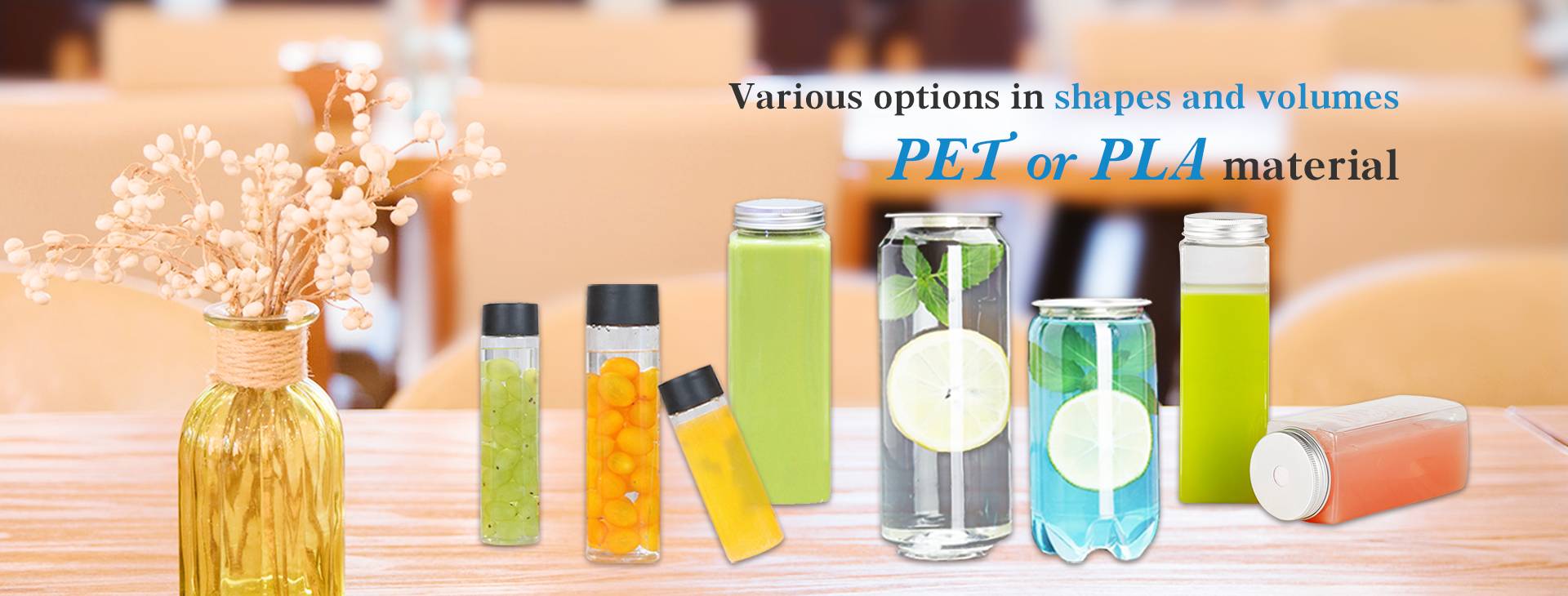
600ml Plastic Bottle China Manufacturer for OEM & Wholesale
I am a {China}-based {Manufacturer} delivering reliable packaging solutions for B2B purchasers. My core offer is the {600ml Plastic Bottle}, crafted for cosmetics, household, and personal care lines. We provide durable PET or HDPE bodies, with optional tamper-evident caps, laser-etched lot codes, and customized neck finishes to fit your fill line. For buyers in {China} or abroad, I can match your volume needs with flexible MOQs, competitive pricing, and short lead times. Our factory supports mold tooling, color matching, and bulk packaging to simplify your logistics. I ensure strict QC with inline inspections and batch certificates so you can ship with confidence. Samples are available on request to test compatibility with your product. I tailor packaging solutions to your brand, often integrating labeling and decoration services. Company detail: {}


600ml Plastic Bottle Products Market Leader
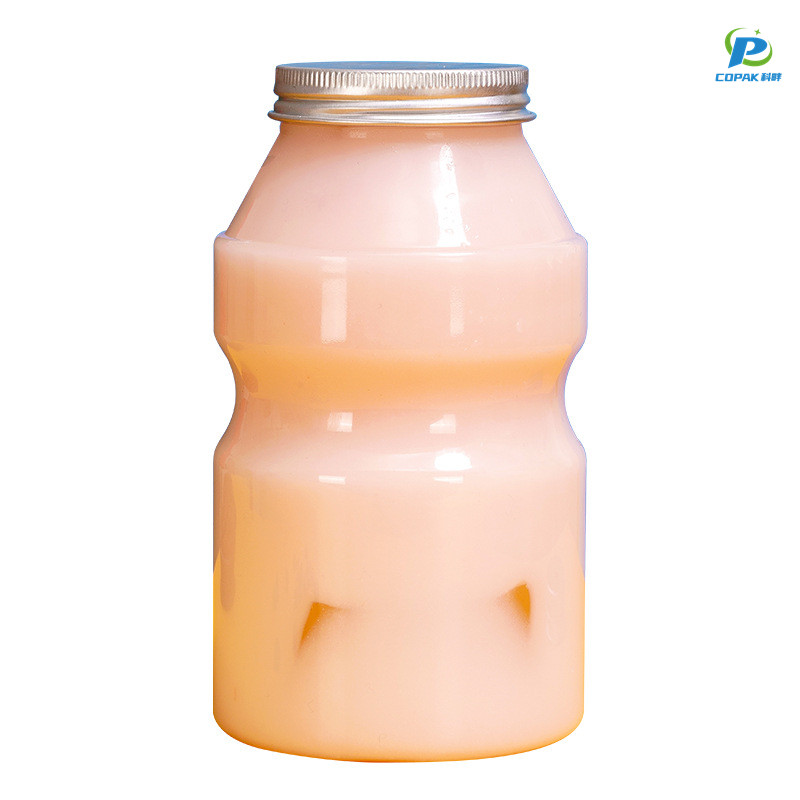
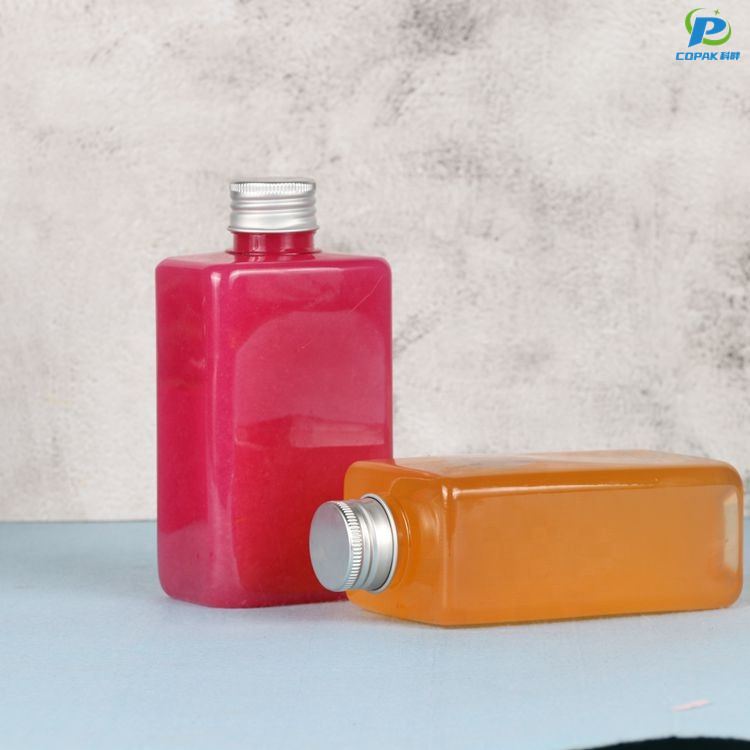
As a market leader in 600ml plastic bottle products, we deliver versatile, lightweight containers engineered for beverages, personal care and household liquids. Available in PET, HDPE and PP with options for high-clarity finishes, barrier layers and tamper-evident necks, these bottles balance durability, pourability and shelf appeal. Custom molding, colors, neck finishes and labeling solutions let buyers match branding and retail requirements at scale. Manufactured in modern, quality-driven facilities, production follows industry-standard quality systems and food-contact regulations, with strict dimension, leak and visual inspections to ensure consistency. Sustainable options include lightweight designs and recycled-content grades to reduce carbon footprint. Competitive lead times, flexible minimums, global logistics support and responsive technical service make these 600ml bottles an efficient, low-risk choice for international procurement.
| Metric | 600ml Segment — Data | Notes |
|---|---|---|
| Primary Applications | Bottled still water (~60%), flavoured/non-carbonated beverages (~25%), sports drinks (~10%), other specialty liquids (~5%). | 600ml commonly used for single-serve beverages; versatile across non-carbonated categories. |
| Dominant Materials (by volume) | PET: ~65%; HDPE: ~15%; rPET (content in new bottles aggregated): ~10%; PP/LDPE/other: ~10%. | PET dominates for clarity and barrier/performance balance in 600ml bottles. |
| Average Empty Bottle Weight (600ml) | PET: 20–30 g; HDPE: 25–40 g; rPET bottles typically toward upper range depending on required rPET content. | Lightweighting trends push modern 600ml PET toward the low end of range. |
| Typical Wall Thickness | 0.30–0.60 mm (varies by molding design and performance needs). | Thinner walls reduce material use but require careful design for stability under fill/transport. |
| Manufacturing Methods | Injection stretch blow molding (ISBM) ~90–95%; extrusion blow molding and other methods ~5–10%. | ISBM is standard for consumer beverage clarity, strength and cycle efficiency. |
| Common Closure Types (share) | Screw caps ( ~85% ), Sports/dispensing caps (~10%), Snap/press caps (~5%). | Closure choice driven by beverage type and consumer convenience requirements. |
| Recyclability & Circularity | Post-consumer PET bottle recycling rate (global average): ~50–60% (regional variation). rPET content in new bottles: typically 8–15% on average. | Regulatory targets and EPR schemes are increasing rPET uptake in many markets. |
| Regional Demand Share (approx.) | Asia-Pacific: ~45%; North America: ~25%; Europe: ~20%; Latin America & Other: ~10%. | Asia-Pacific remains the largest and fastest-growing regional market for 600ml format. |
| Market Growth (CAGR Estimates 2024–2030) | Global 600ml plastic bottle segment: ~3.0–4.0% CAGR; Asia-Pacific: ~4.5–6.0% CAGR. | Growth driven by beverage category expansion and single-serve consumption trends in emerging markets. |
| Key Manufacturing Countries | Major production hubs (by capacity): China, India, United States, Germany, Brazil. | These countries combine polymer production, molding capacity and beverage packaging demand. |
| Regulatory & Compliance Considerations | Food-contact approvals (e.g., equivalent to region-specific food contact frameworks), migration limits for additives, increasing extended producer responsibility (EPR) and recycled-content mandates. | Compliance and material declarations are essential for cross-border beverage distribution. |
| Common Performance Features | Lightweight construction, tamper-evident seals, ergonomic grip panels, label types: sleeve, adhesive, direct print; optional barrier coatings for sensitive liquids. | Design balances material savings, shelf presence and barrier/transport needs. |
| Sustainability Strategies | Mono-material designs for easier recycling, increased rPET incorporation, design for recyclability, refillable/reusable systems pilots in select markets. | Brands and regulators push toward higher circularity and lower lifecycle impacts. |
| End-of-Life Pathways | Mechanical recycling (primary), chemical recycling (growing), energy recovery, landfill (declining share where managed waste systems exist). | Availability of collection and sorting infrastructure strongly affects actual recycling outcomes. |
| Supply-Chain Considerations | Raw polymer availability and pricing volatility, pellet/rPET supply tightness in some regions, freight/logistics constraints for glass substitution. | Procurement strategies often include multi-sourcing and recycled-content supply agreements. |
| Typical Palletization (example) | Cardboard multipacks: commonly 24–36 bottles per box; pallet stacks vary by packaging: typical full pallet = several thousand bottles depending on secondary packaging. | Palletization depends on bottle shape, pack configuration and distribution channel. |
Related Products
22oz 660ml empty ketchup Mustard Mayo Salad sauce squeeze bottle PET Sauce packing Plastic Bottles
Read More


600ml Plastic Bottle Pioneers in the Field Your End-to-End Solution
Top Selling Products






- Related Blog
- Reviews
- Reviews
