



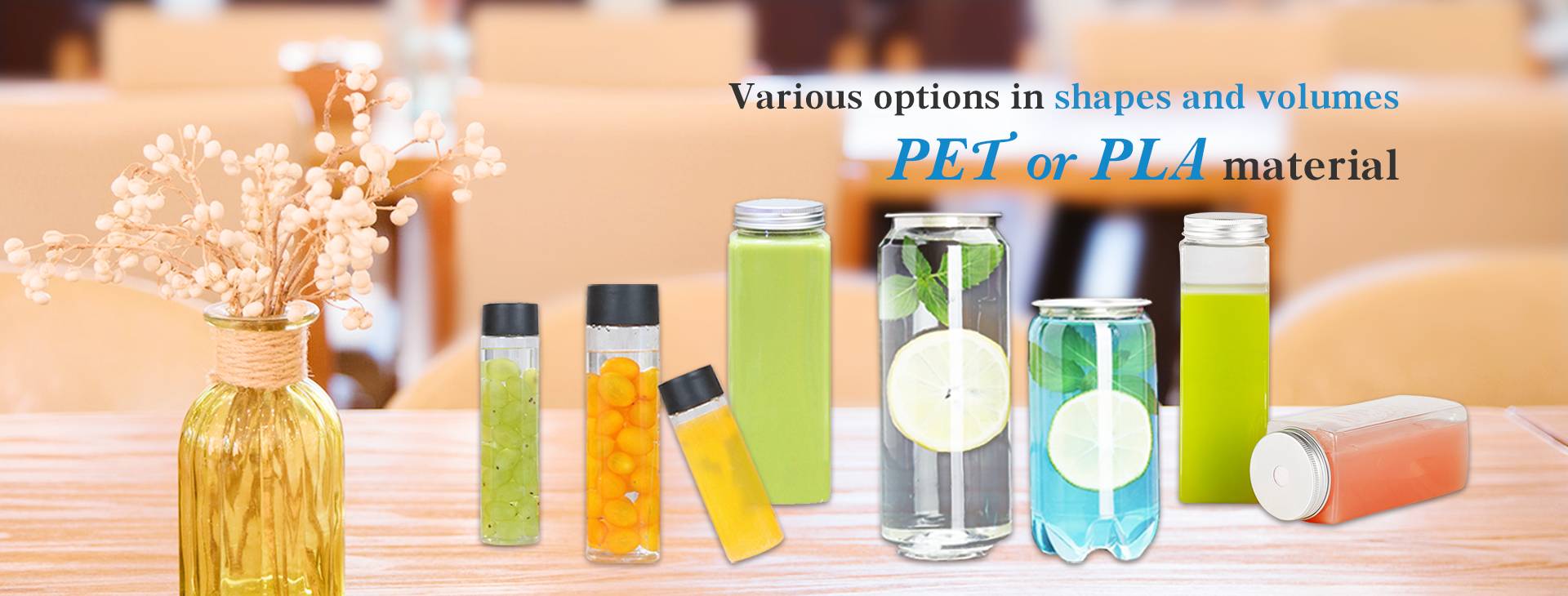
16 Ounce Juice Bottles - China Manufacturer for Reliable Packaging
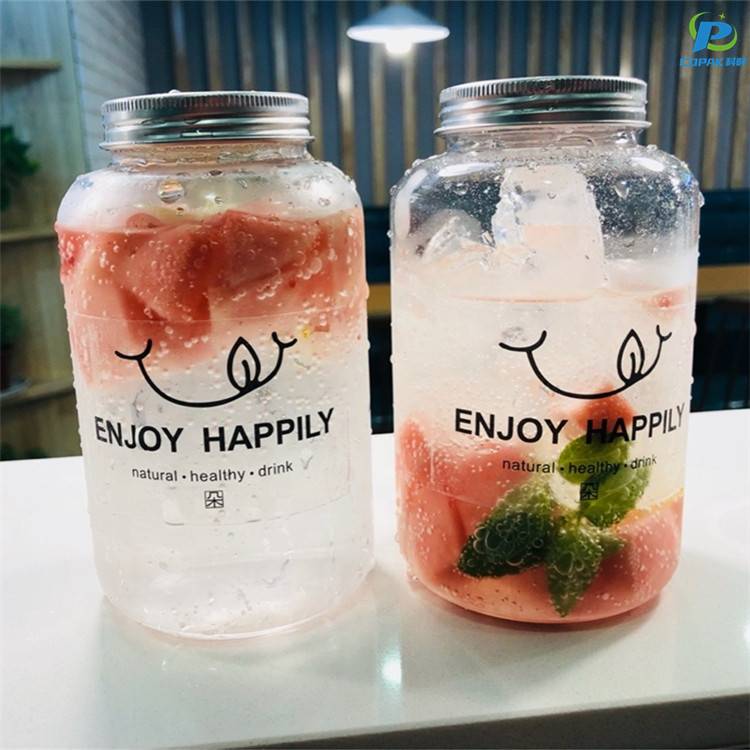
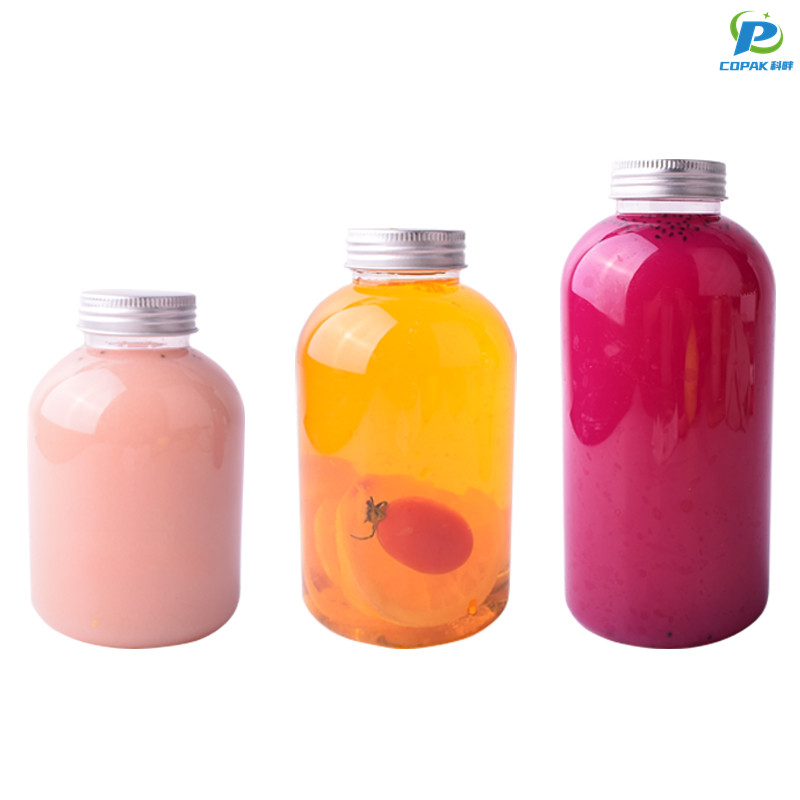
I am a manufacturer in China offering 16 Ounce Juice Bottles for beverage brands, distributors, and co-packers. You’ll notice how clear, sturdy bottles keep juices fresh from production to shelf. These bottles are made from food-grade PET, BPA-free, with leak-proof caps and tamper-evident seals available. I provide options for neck finishes, cap colors, and printables so you can brand confidently. Custom labeling, sleeve printing, and different packaging quantities are supported to fit your line and logistics. Quality is my priority: the line is GMP and ISO compliant, with FDA-approved materials and routine QC checks. Lead times are predictable, prices competitive on bulk orders, and MOQs are flexible to suit growing businesses. If you’re sourcing reliable packaging in China, I’m ready to partner with you as your trusted 16 Ounce Juice Bottles supplier.

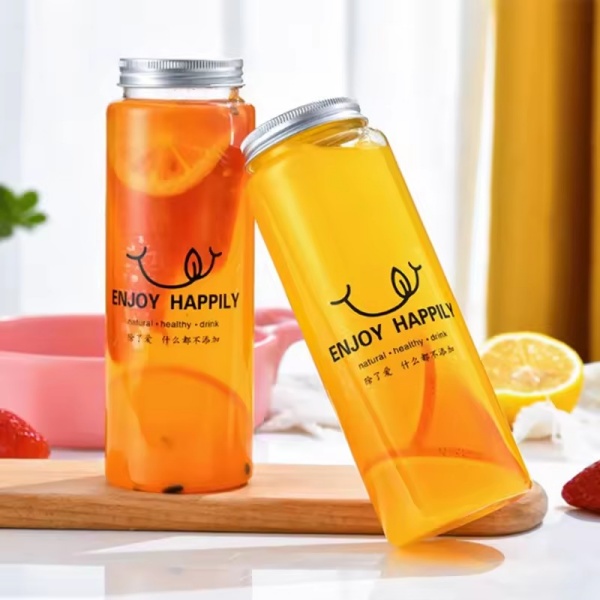
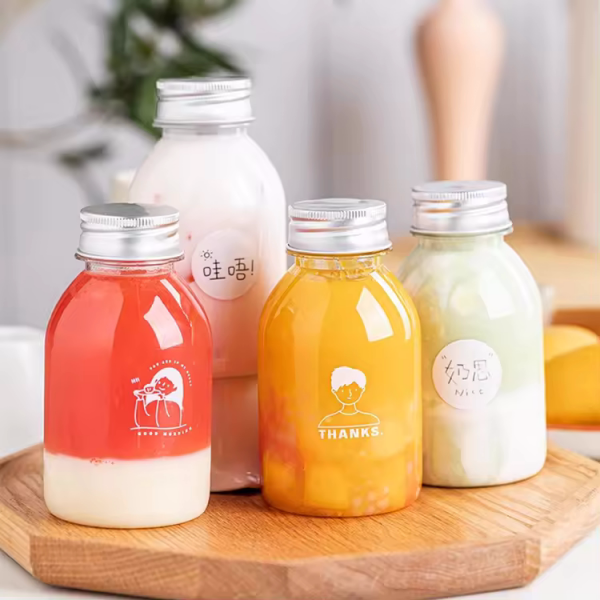
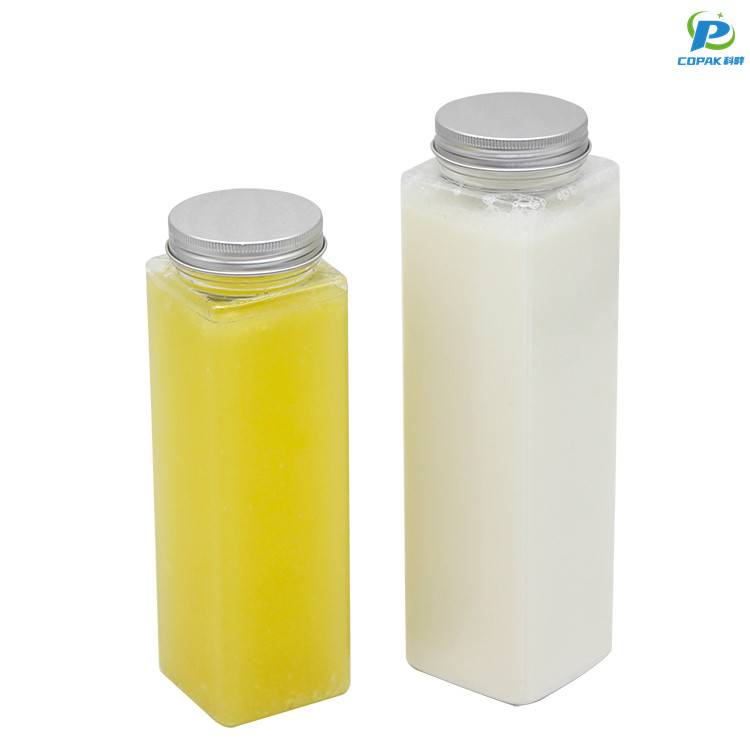
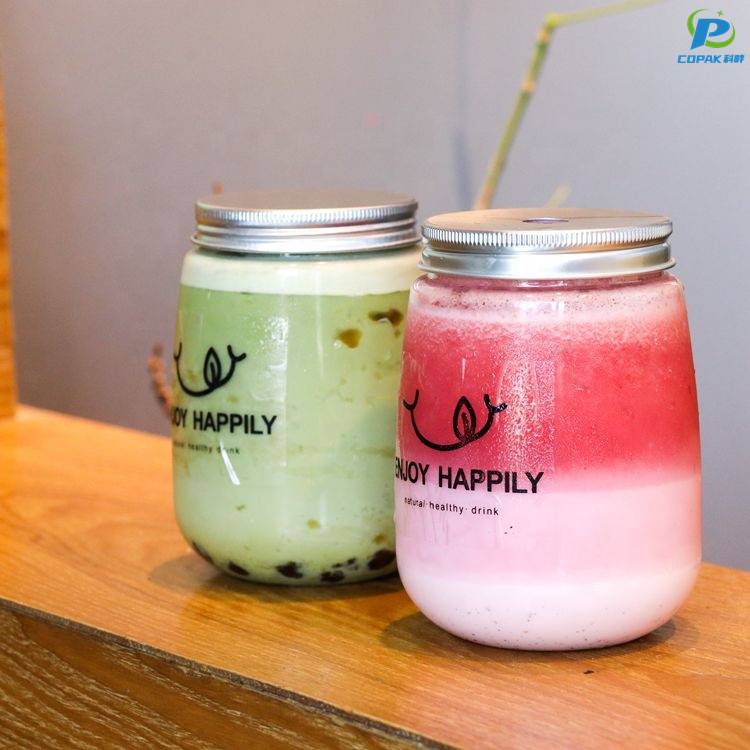
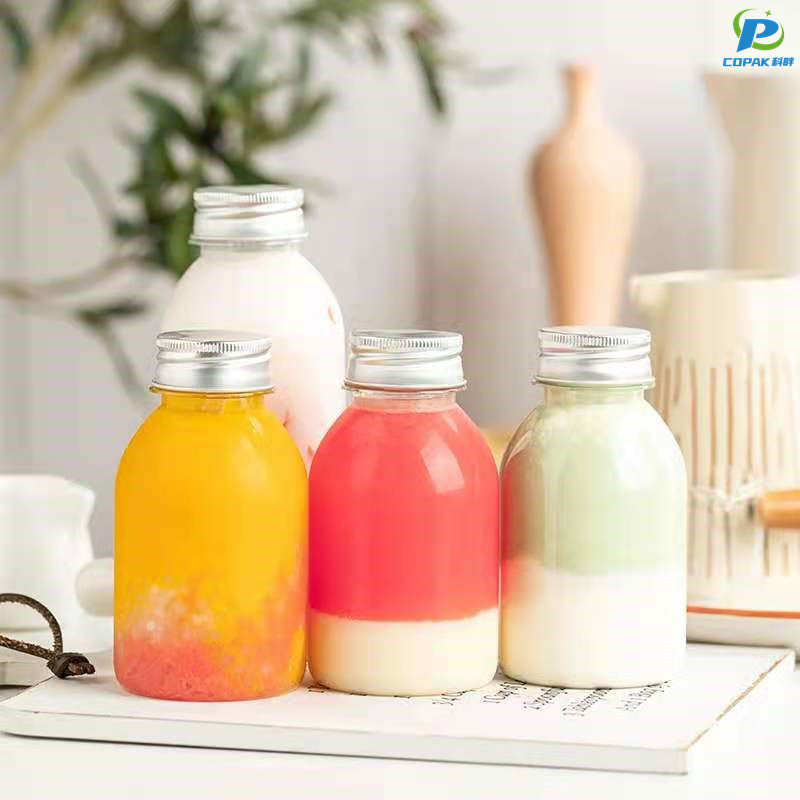
16 Ounce Juice Bottles Is The Best More Than a Supplier - A Partner
16 Ounce Juice Bottles: more than a supplier — a partner. For global buyers seeking consistent quality and market-ready appeal, these bottles combine food-grade safety, lightweight durability, and customizable design options (labels, colors, caps, barrier coatings) to protect flavor and extend shelf life. Sustainable choices like recyclable rPET and efficient production processes help balance cost and environmental goals, while compliance with international food-contact standards ensures smooth market entry. Working as a true partner means flexible MOQs, reliable lead times, rigorous QA, and collaborative product development to optimize line performance and packaging economics. From prototyping and sampling to logistics and after-sales support, the focus is on reducing risk, accelerating time-to-market, and growing sales together — practical solutions for distributors, co-packers, and global brands aiming to scale with confidence.
| Attribute | Typical Value | Notes / Units |
|---|---|---|
| Nominal Capacity | 16 fl oz (473 ml) | Standard US fluid ounce and metric volume |
| Primary Material | PET (Polyethylene terephthalate) | Food-contact grade, widely recyclable (Resin ID #1) |
| Typical Wall Thickness | 0.30 – 0.50 mm | Depends on mold and structural design |
| Neck Finish | 28 mm (common) | Thread diameter for standard screw caps/closures |
| Closure Type | Screw cap (tamper-evident option) | Polypropylene liners commonly used for sealing |
| Typical Empty Bottle Weight | ~18 – 28 g (typical ≈ 22 g) | Depends on design, shoulder shape and base reinforcement |
| Volume Tolerance | ±1% – ±2% | Typical manufacturing and filling tolerance |
| Recommended Fill Temperature (Hot-Fill) | 85 – 95 °C | Used for hot-fill pasteurization of juices to extend shelf life |
| Pasteurization / Thermal Process | HTST: e.g., 90 °C for 15–30 s (process dependent) | Alternative: aseptic or UHT processes for ambient stability |
| Shelf Life (Unopened) | Refrigerated: 30–90 days; Aseptic: 6–12 months | Depends on process (hot-fill vs aseptic) and preservative use |
| Light Transmission | High (clear PET) or Reduced (UV/opaque options) | UV-blocking additives or sleeves recommended for light-sensitive juices |
| Oxygen Barrier | Standard PET: moderate; Barrier PET/EVOH: low | Use barrier materials or oxygen scavengers for extended shelf life |
| Recyclability | Widely recyclable (PET #1) | Local recycling rules apply; lightweight design lowers transport emissions |
| Typical Fill Line Speed | 30 – 200 bottles/min (line-dependent) | Moderate-speed lines often operate 60–120 bottles/min for 16 oz |
| Labeling Methods | Shrink-sleeve, pressure-sensitive, direct print | Selection based on marketing, light protection and cost |
| Common Juice Types | Orange, Apple, Grape, Mixed Fruit, Vegetable blends | Beverage formulation affects processing and shelf life |
| Typical Sugar Content | 8 – 12 g / 100 ml (varies by fruit) | Natural sugars vary; concentrate and added sugar change values |
| Typical pH Range | ~2.8 – 4.5 | Most fruit juices are acidic; pH influences preservation |
| Viscosity Range | Clear juices: ~1–10 mPa·s; pulpy: 10–200 mPa·s | Viscosity affects filling equipment selection |
Related Products
22oz 660ml empty ketchup Mustard Mayo Salad sauce squeeze bottle PET Sauce packing Plastic Bottles
Read More


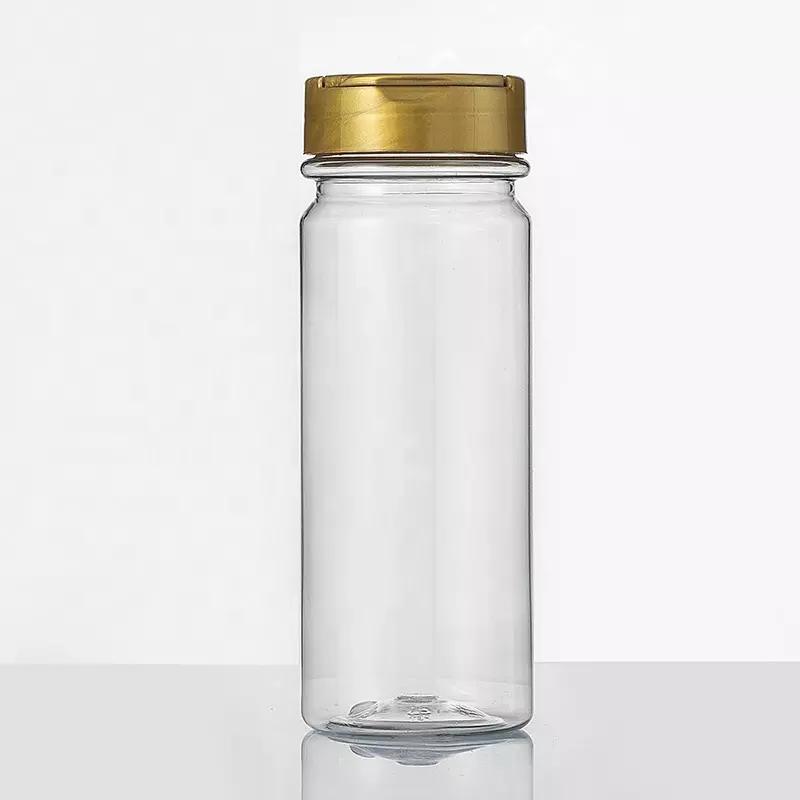
16 Ounce Juice Bottles Where Service Meets Innovation More Than a Supplier - A Partner
Top Selling Products







- Related Blog
- Reviews
- Reviews
