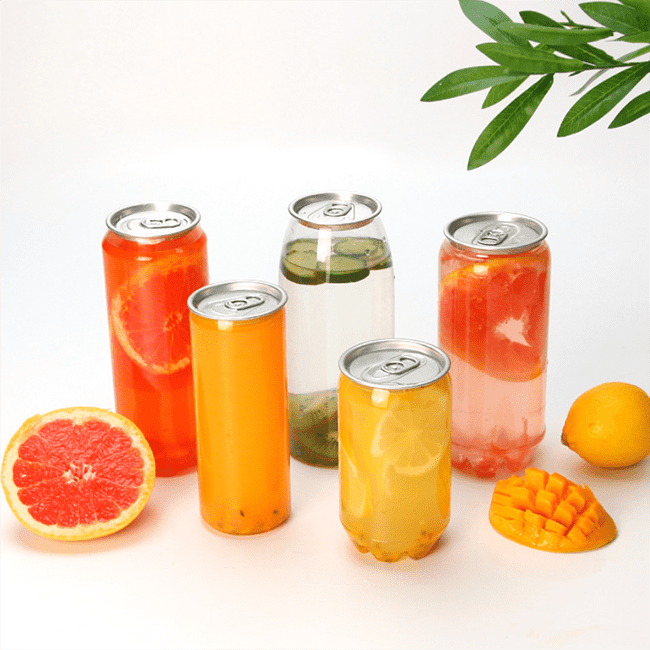
PET Bottles

PLA Cup Manufacturer in China - Trusted Manufacturer

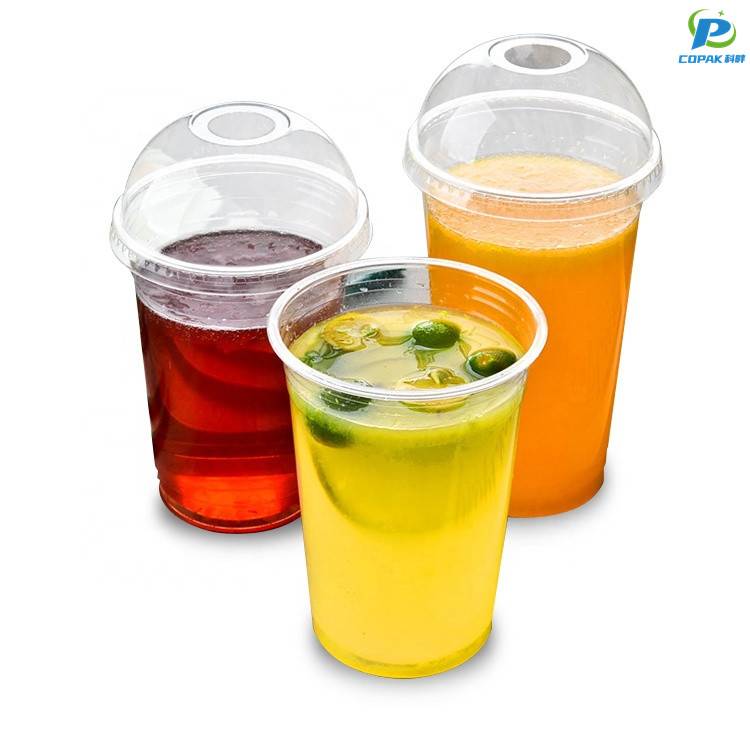
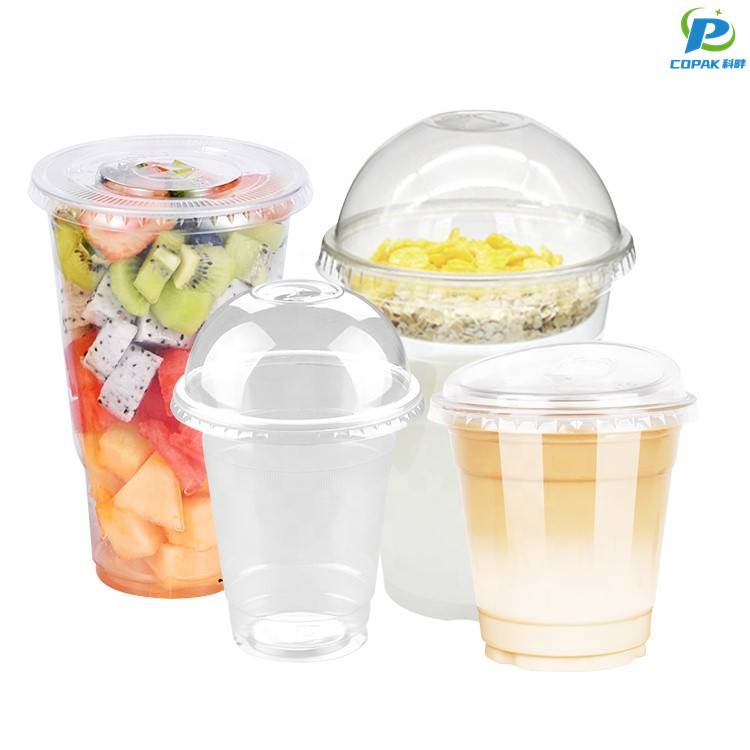
As a PLA Cup Manufacturer, I understand what B2B buyers want: reliable supply, clear branding, and sustainable choices. Based in China, I design and produce compostable PLA cups with tight tolerances and strong heat resistance for hot and cold beverages. Our factory blends eco-friendly materials with precise molding, allowing customization in sizes from 4 oz to 20 oz, special prints, and private labeling. I listen to buyer behavior: shorter lead times, consistent quality, and scalable production to support seasonal demand. Being a China-based Manufacturer, I can offer competitive pricing, MOQs that suit growing brands, and painless logistics. All cups meet industry standards and are approved for industrial composting. We provide samples, certificates, and after-sales support to ensure your brand reputation. If you are seeking a long-term partner for sustainable packaging, request a quote and let’s start a successful collaboration for PLA Cups.
Hot Selling Product

PLA Cup Manufacturer Ahead of the Curve Manufacturers You Can Rely On

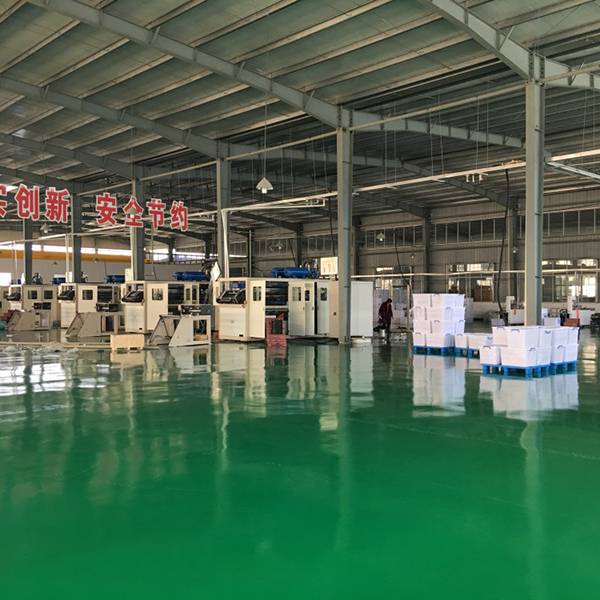
As a Shanghai-based PLA cup manufacturer ahead of the curve, we combine sustainable materials, advanced production lines, and rigorous quality controls to serve global buyers who demand consistency and eco-conscious solutions. Our PLA cups meet international standards for food safety and compostability, with scalable capacity to support retail, foodservice, and private-label brands. Continuous R&D ensures thinner walls, clearer clarity, and improved heat resistance while maintaining certified compostable performance. Buyers benefit from flexible MOQ, customization in size, print and packaging, responsive sampling, and reliable lead times backed by transparent QC and traceability. Competitive pricing is paired with logistics support for efficient global shipping and documentation. For purchasers seeking a long-term partner who prioritizes sustainability, regulatory compliance, and on-time delivery, this manufacturer offers the technical expertise and service orientation to turn product concepts into dependable, market-ready PLA cup solutions.

{ PLA Cup Manufacturer Ahead of the Curve Manufacturers You Can Rely On}
Parameter Typical Value / Range Units Standard / Notes Recommended Use
Material type Polylactic acid (PLA), plant‑derived thermoplastic Common feedstock: corn/sugarcane derivatives; properties vary by grade Disposable cups, cold/room‑temp containers
Density 1.22 – 1.25 g·cm⁻³ Measured per ISO/DIN methods for polymer density Wall design, weight estimation
Glass transition temperature (Tg) 55 – 65 °C Typical DSC values; annealing raises Tg/HDT Avoid hot‑fill or hot beverages (>50°C)
Melting temperature 150 – 180 °C Measured by DSC; depends on stereochemistry (L/D ratio) Molding/extrusion temperature window
Tensile strength (yield) 50 – 70 MPa ISO 527 typical ranges for injection‑molded PLA Structural integrity for single‑use cups
Elongation at break 3 – 10 % Low ductility; impact modifiers available Consider design for brittleness (fillets, radii)
Flexural modulus 2.5 – 4.0 GPa Measured per ISO 178; varies with crystallinity Stiff cup walls, stack stability
Melt flow index (MFI) 4 – 20 g/10 min Typical test at 210°C / 2.16 kg; grade dependent Selection for injection vs. extrusion processing
Water absorption (24 h) ~0.2 – 0.5 % (mass) Measured per ISO 62; affects dimensional stability over time Store dry; use barrier coatings for humid fill
Oxygen transmission rate (OTR) ~100 – 300 (100 µm film) cc·m⁻²·day⁻¹·atm⁻¹ Moderate barrier; measured per ASTM F1927 / ASTM D3985 Adequate for many cold beverages; not for long‑term oxygen‑sensitive products
Heat deflection temp (HDT) 50 – 60 (unannealed); 90 – 140 (annealed) °C ISO 75; annealing/crystallization raises performance Avoid hot liquids unless annealed grade used
Processing: injection / extrusion / 3D printing 180–220 / 160–210 / 190–220 °C Temperature windows vary by grade and equipment Match grade to process for optimal cycle times
Recommended wall thickness (single‑use cups) 0.25 – 0.60 mm Design for stacking and rigidity; consider ribbing Typical for cold beverage cups and lids
Compostability Industrial: typically biodegradable within 90–180 days Relevant standards: EN 13432, ASTM D6400; performance depends on additives and labels Preferred for certified industrial compost streams
Food contact suitability Many grades can meet food contact requirements Requires migration testing per FDA (21 CFR) / EU 10/2011 as applicable Use food‑contact certified formulations for beverages
Coloring & additives Broadly colorable; additives affect properties Pigments and fillers must be evaluated for compostability and food contact Choose approved pigments for food applications
Storage & shelf life 12 – 24 months (dry, sealed) months Store <25°C, low RH, away from direct sunlight Maintain drying to avoid hydrolysis during processing
Recycling & end‑of‑life Recyclable in dedicated PLA streams; limited curbside acceptance Mechanical recycling possible; industrial composting common alternative Labeling and local waste infrastructure determine routing
Notes: Values are typical ranges for PLA materials used in single‑use cup applications. Actual properties depend on specific resin grade, level of crystallinity, additives and processing settings.

Related Products

Eco Friendly Products

PLA Cup Manufacturer Factory-Direct Excellence More Than a Supplier - A Partner

Data Dimension: Production Capacity Utilization Over Time

New Title: Monthly Production Capacity Utilization (Percent) — 12-Month Trend

Explanation: This chart presents the monthly production capacity utilization as a percentage for a PLA cup manufacturing line over a one-year period. The data illustrate how the facility balances demand, supply and line readiness in a direct-to-market context. Starting at 72 percent in January, utilization rises steadily as market demand strengthens, reaching a peak near 92–93 percent in late summer. This indicates the line is operating near full capacity for several consecutive months, improving throughput and fixed‑cost absorption, while also increasing exposure to wear, energy use, and risk of unplanned downtime if preventive maintenance slips. The early-year dip around February to April may reflect seasonal orders, scheduled maintenance, or raw-material lead times for PLA resin and packaging. The subsequent rebound shows the plant’s ability to recover run-rate after maintenance windows, suggesting well‑planned maintenance, skilled crews, and efficient changeovers. The smaller downturn observed in October could reflect a modest demand softening after peak season or inventory adjustments at customer sites, prompting shifts in production mix rather than a longer shutdown.

From a business perspective, the chart provides a compact view of capacity against demand, helping align production planning, inventory targets, and customer commitments across a year. It highlights periods of slack that can be exploited for preventive maintenance, process improvements, or pilot runs of new product variants. It also underscores the importance of reliable procurement and logistics to avoid material shortages or late deliveries when utilization is high. In a PLA cup factory operating as a direct supplier, sustained high utilization improves unit costs only when supported by robust maintenance, quality control, and energy management. The data support strategic decisions such as scheduling maintenance during lower‑demand months, negotiating flexible supplier terms, and investing in line upgrades to reduce cycle times. Overall, the trend reflects a mature, data‑driven production system with opportunities to smooth capacity, reduce variability, and sustain dependable on‑time fulfillment for customers.

Top Selling Products

Subscribe To Our Newsletter

For inquiries about our products or pricelist, please leave your email to us and we will be in touch within 24 hours.

Follow Us

on our social media
  • whatsapp (1)
  • instagram
  • youtube