



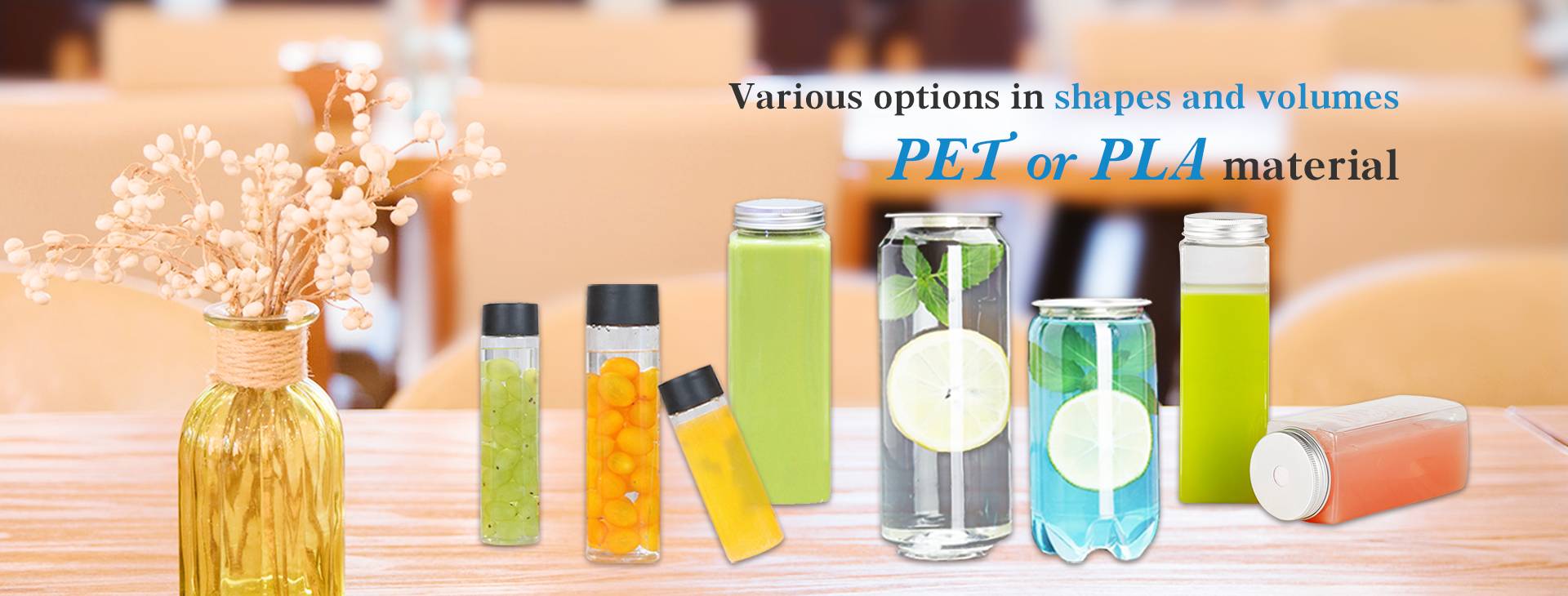
500ml PET Bottle - China Manufacturer | Reliable PET Bottle Supplier
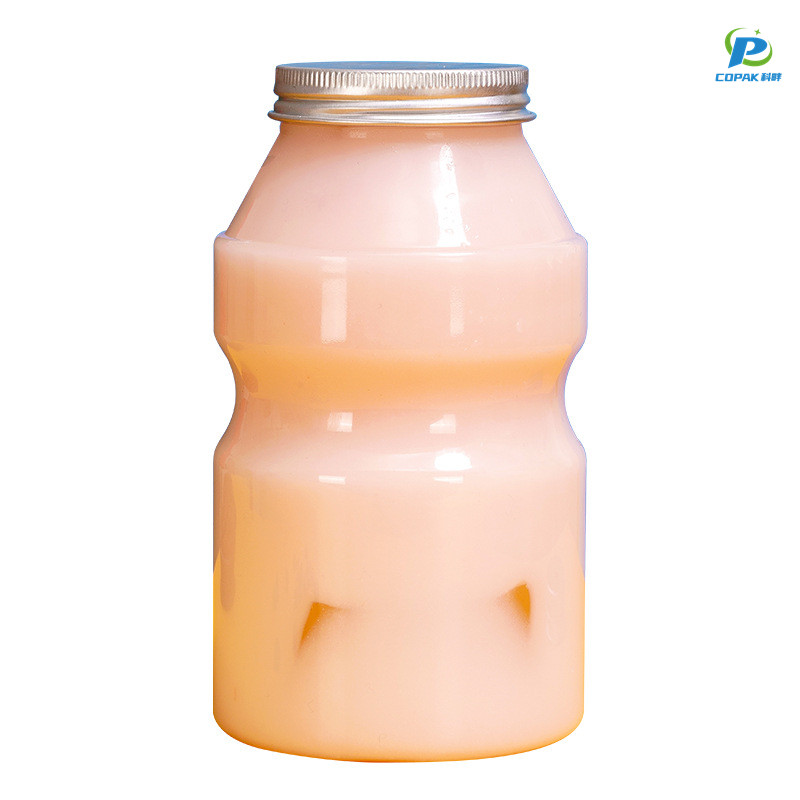
I supply a reliable {500ml PET Bottle} crafted for beverages, cosmetics and household products. As a {Manufacturer} in {China}, I know what buyers want: consistent 500ml capacity, high clarity, strong impact resistance, and easy neck finish for fast capping. This bottle is lightweight, recyclable, and compatible with standard closures, making it perfect for carbonated drinks or still liquids. I offer customization options for print, cap color, and packaging, with short lead times to support your launch. From our factory to your line, I aim for steady supply and responsive service. For buyers in {China} or abroad seeking a trusted packaging partner, I’m ready to discuss specs, pricing, and MOQ. Company detail: {}


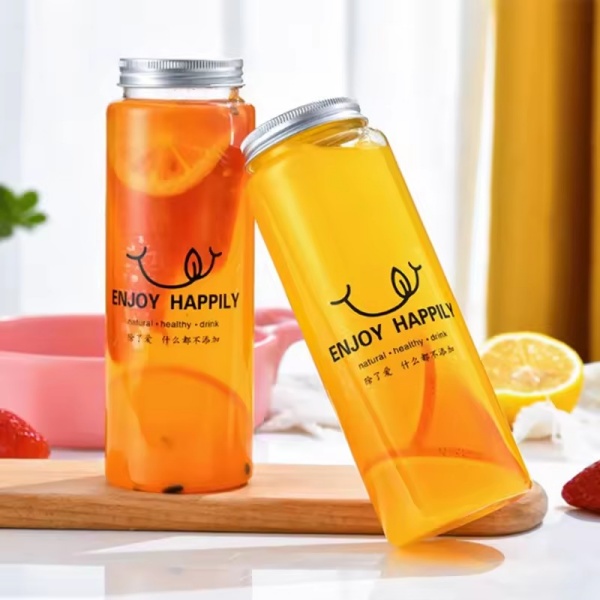
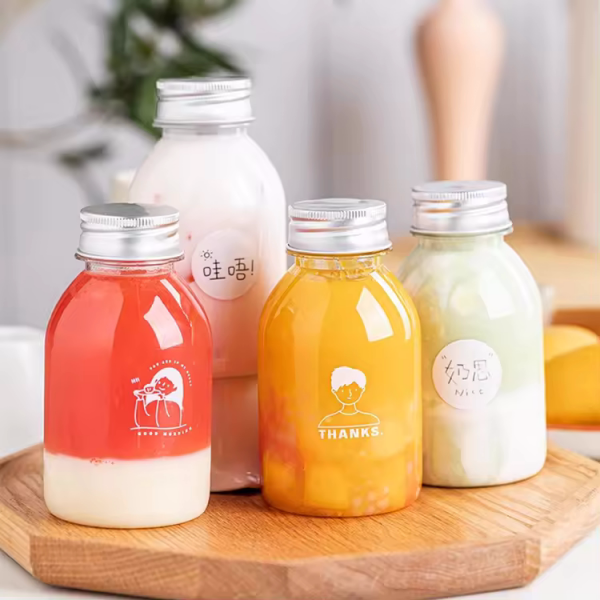
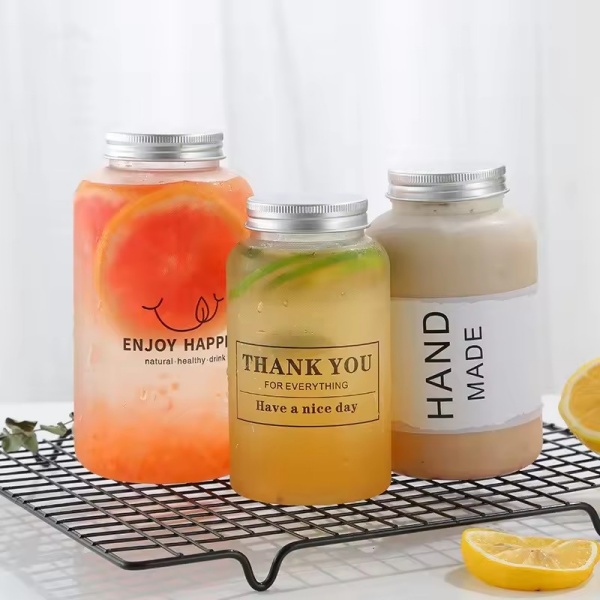
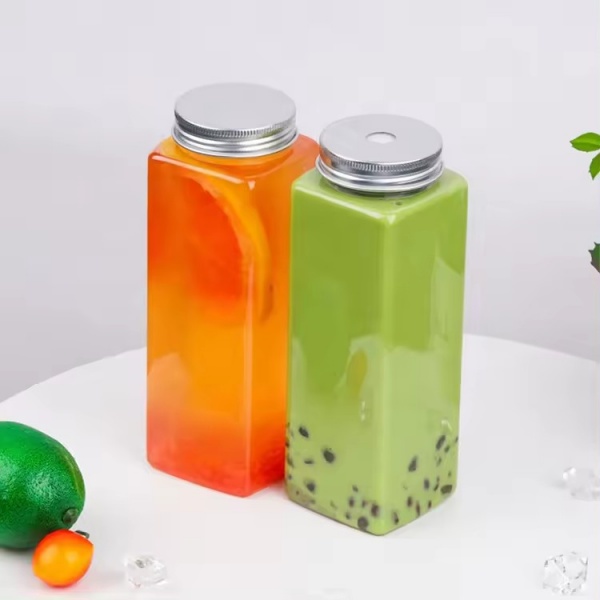
500ml PET Bottle For the Current Year Factory-Direct Excellence
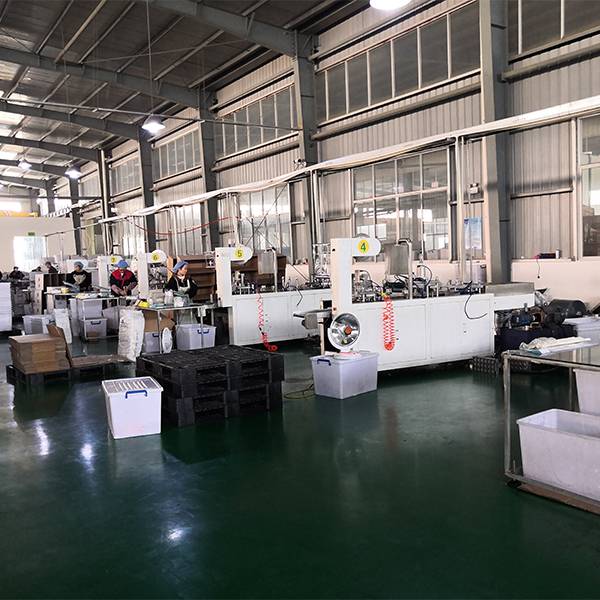
The 500ml PET bottle for this year combines modern design, sustainability and factory-direct value to meet the needs of global buyers. Manufactured from high-clarity, food-grade PET, the bottles are lightweight yet durable, offering excellent gloss, impact resistance and consistent neck finish options for common closures. Available in clear or colored variants, they support hot-filling, cold beverages and single-use recyclable programs while being produced to meet international food-contact standards. Direct factory production ensures competitive pricing, reliable lead times and strict quality control through in-house blow molding and inspection systems. Customization services include bespoke molds, printed sleeves, labeling, tamper-evident solutions and tailored secondary packaging to streamline shelf presentation and logistics. Ideal for beverage brands, private labels and large-volume purchasers seeking dependable supply, scalability and cost efficiency.
| Feature | Specification / Options | Unit / Standard | Typical Value | Notes |
|---|---|---|---|---|
| Capacity | Nominal internal volume | mL | 500 | Designed for single-serve beverages |
| Tare weight | Empty bottle weight (typical) | g | 11.8 – 13.5 | Varies with wall profile |
| Height | Total height (neck to base) | mm | 200 – 210 | Measured with standard 28 mm finish |
| Max diameter | Maximum body diameter | mm | 62 – 66 | Depends on shape and label area |
| Neck finish | Standard neck compatibility | mm | 28 (28/410 compatible) | Common screw-cap finish |
| Material | Primary resin | — | PET (food-grade) | Suitable for direct food contact |
| Transparency / Haze | Optical clarity (haze) | % | < 3% | Measured by ASTM D1003 or equivalent |
| Oxygen transmission rate | OTR (typical, depends on thickness) | cc/m²·day | 1 – 3 | ASTM D3985 (approximate) |
| Water vapor transmission | WVTR (typical) | g/m²·day | 0.5 – 2 | Measured by ASTM F1249 or equivalent |
| Top load | Axial compressive strength | kgf | 60 – 120 | Depends on preform and wall design |
| Pressure resistance | Internal pressure capacity | bar | Up to 3.0 (light carbonation) | Consult for high carbonation applications |
| Cap options | Available closures | — | Screw cap (PP), tamper-evident | 28 mm caps commonly used |
| Labeling methods | Supported decoration | — | Shrink sleeve, pressure-sensitive, printing | Full-body sleeve supports 360° artwork |
| Recyclability | End-of-life | — | Recyclable (PET, code 1) | Local recycling infrastructure applies |
| Regulatory compliance | Food contact standards | — | FDA 21 CFR, EU 10/2011 compatible | Certificates available upon request |
| Surface finish | Exterior texture options | — | Glossy, matte, textured grip | Custom molds and embossing possible |
| Typical fill temperature | Recommended filling range | °C | 4 – 25 | For best dimensional stability |
Related Products



500ml PET Bottle Manufacturer Delivers Unmatched Quality
Top Selling Products






- Related Blog
- Reviews
- Reviews
