



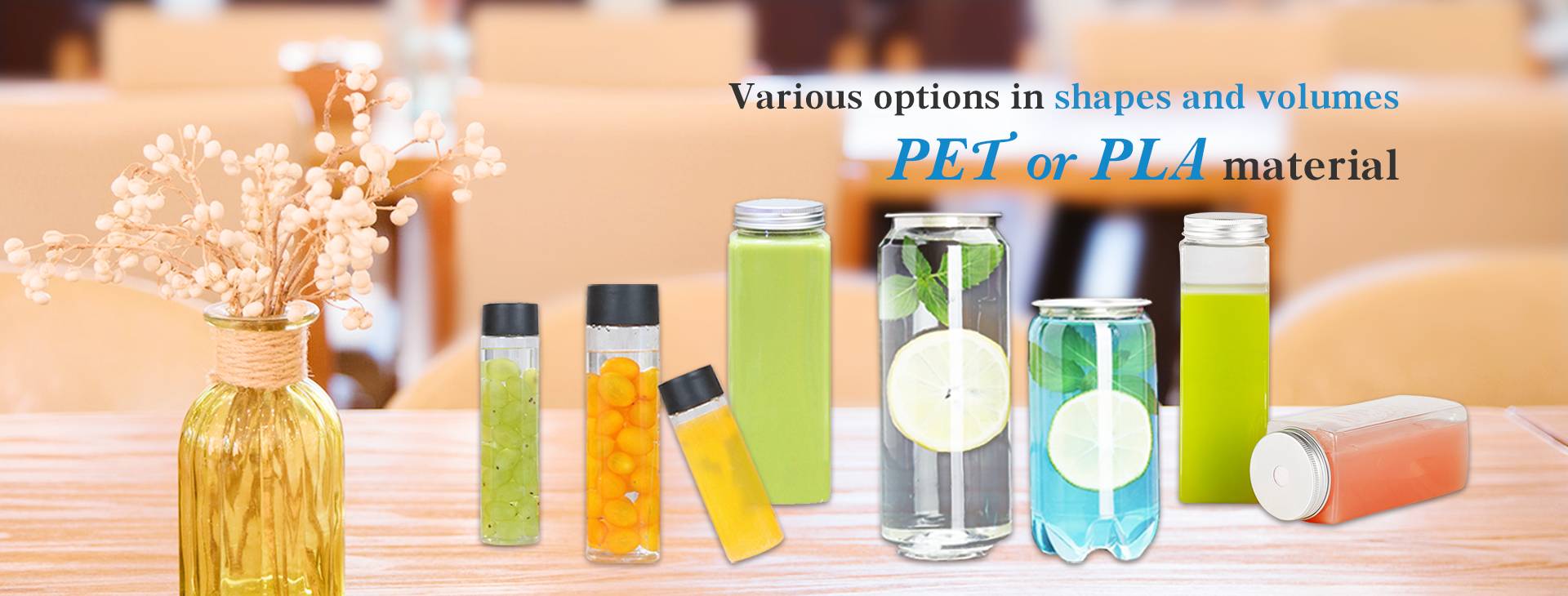
Pet Bottle: China Manufacturer - Reliable Plastic Bottle Supplier
Pet Bottle: I am a China-based manufacturer specializing in PET bottles for beverage, cosmetic, and household products. We serve B2B purchasers looking for reliable packaging at scale. My team and I offer a wide range of sizes from 20ml up to 1000ml, with light-weight, durable PET, with transparent clarity and proven chemical compatibility. We provide tamper-evident caps, child-resistant options, and silk-screen or hot-stamp labeling. We can customize neck finishes, colors, and preforms to accelerate your production. Our factory in China follows strict QA: inline inspection, drop tests, and batch traceability. Minimum order quantities are reasonable, and we offer competitive price per piece with fast lead times for OEM and private-label projects. We value long-term partnerships with brands and distributors, and I am ready to discuss your packaging needs, from small pilot runs to full-scale distribution. If you search as a China manufacturer, you are at the right place for Pet Bottle: quality you can trust.

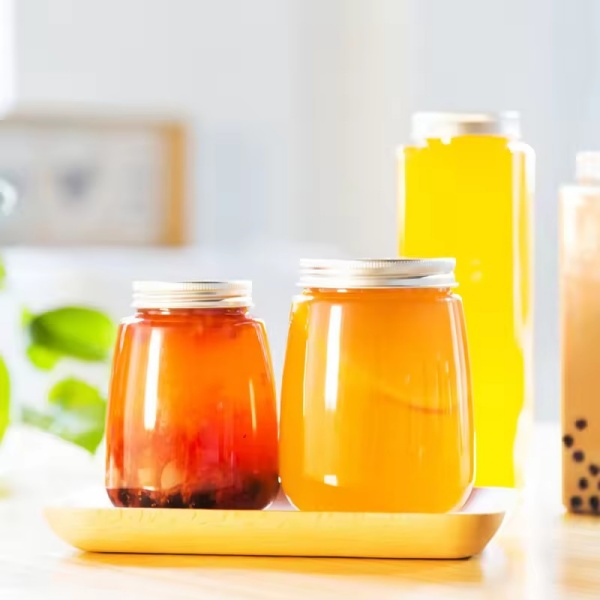
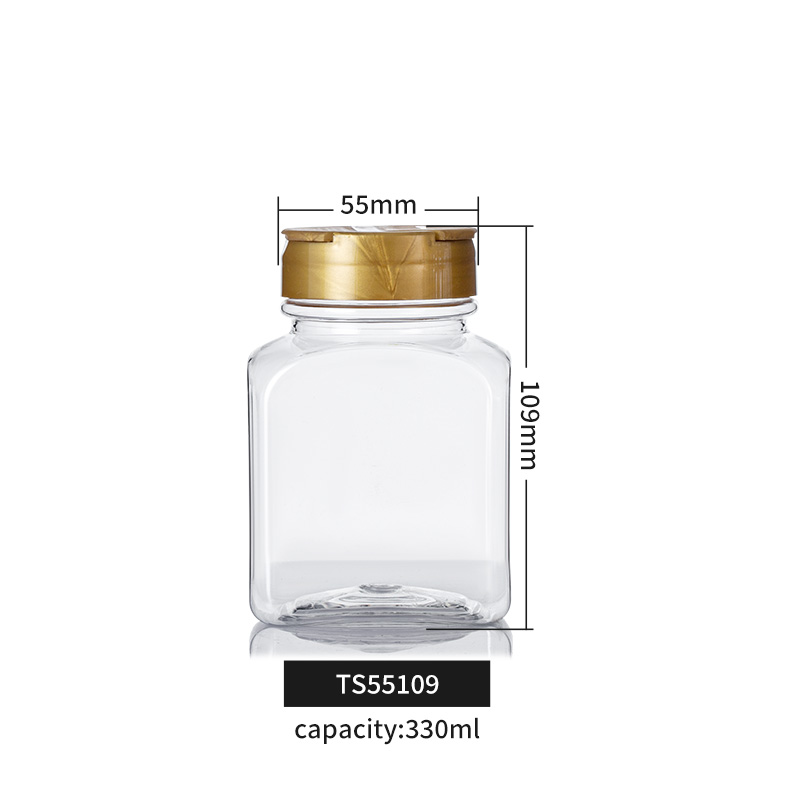
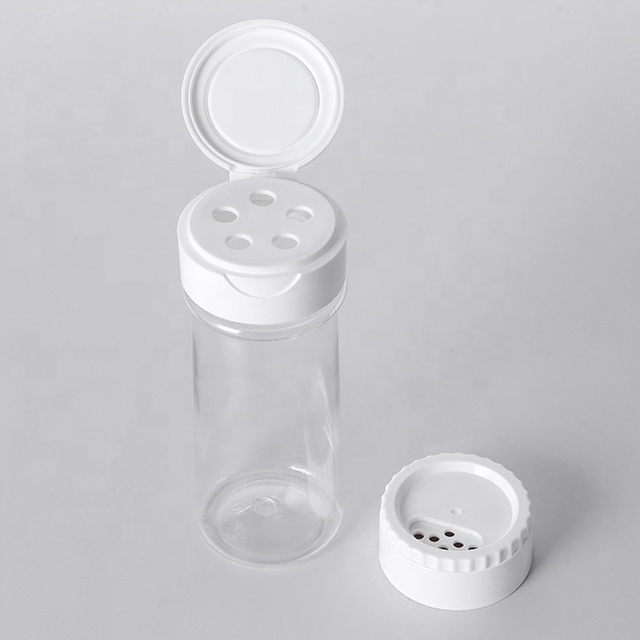


Pet Bottle: Exceeds Industry Benchmarks Where Innovation Meets 2025
Our next-generation PET bottle surpasses industry benchmarks by combining lightweight engineering, superior barrier performance and design flexibility to meet the demands of 2025 and beyond. Engineered for lower material use without compromising strength or clarity, these bottles support hot-fill and carbonated applications, extend shelf life with advanced barrier options, and maximize rPET content to reduce carbon footprint. The result is a recyclable, consumer-friendly package that aligns with evolving global regulations and circular-economy goals. For global buyers seeking reliable supply and commercial advantage, this solution offers consistent quality validated by international standards, rapid prototyping and tooling for faster time-to-market, scalable production capacity and competitive pricing. End-to-end logistics, traceability and responsive after-sales support ensure on-time delivery and seamless integration into existing lines. Partnering on customized shapes, labeling and sustainability targets turns packaging into a measurable driver of brand value and cost savings.
| Metric | Unit | Industry Average (2024) | 2025 Benchmark | Typical Range |
|---|---|---|---|---|
| Material (bottle-grade) | — | Polyethylene terephthalate (PET), predominantly bottle-grade | High-viscosity blended PET with ≥30% rPET capability | Bottle-grade PET, copolymer blends for barrier/lightweighting |
| Density | g/cm³ | ≈1.37–1.40 | 1.37–1.40 (optimized grade control) | 1.36–1.41 |
| Bottle mass (typical 500 mL finished bottle) | g | 12–18 | 8–12 (lightweight design target) | 8–22 |
| rPET content (post-consumer recycled PET) | % | ~10–20% | 30% (minimum target for mainstream formats) | 0–100% (dependent on application & supply) |
| Carbon footprint (cradle-to-bottle, 500 mL) | g CO2e / bottle | ~90–130 | ~60–80 (with increased rPET & energy efficiency) | 40–150 (depends on feedstock, transport, energy mix) |
| Energy consumption (production, injection/stretch-blow) | MJ / bottle | ~0.8–1.8 | ~0.6–1.2 (improved process & heat recovery) | 0.4–2.5 |
| Water consumption (manufacturing & rinsing) | L / bottle | ~0.2–1.0 | ≤0.3 (process water recovery) | 0.1–1.5 |
| Oxygen transmission rate (OTR) | cc / m² / day (23°C) | ~1.0–3.0 | ≤0.5 (barrier coatings / multilayer solutions) | 0.2–5.0 |
| Water vapor transmission rate (WVTR) | g / m² / day (23°C) | ~0.6–1.8 | ≤0.4 (enhanced barrier treatment) | 0.2–3.0 |
| Tensile strength (intrinsic polymer) | MPa | ~55–65 | ~60–70 (improved grades for lighter wall sections) | 45–75 |
| Average wall thickness (body) | mm | ~0.20–0.35 | ~0.14–0.22 (optimized stretch-blow & design) | 0.10–0.45 |
| Manufacturing yield | % | ~96–99% | ≥98% (process optimization & inline quality) | 90–99.5% |
| Post-consumer collection / recycling (bottle stream) | % | Global avg ~20–40% (wide regional variation) | ≥50% collection & high-quality sorting by 2025 target | 5–90% (regional differences) |
| Biodegradability / End-of-life | — | Non-biodegradable; mechanically & chemically recyclable | Design for circularity: mono-material, compatible with chemical recycling | Recyclable (mechanical/chemical), not compostable |
Related Products


Pet Bottle: Market Leader Sets the Industry Standard
Top Selling Products




- Related Blog
- Reviews
- Reviews
